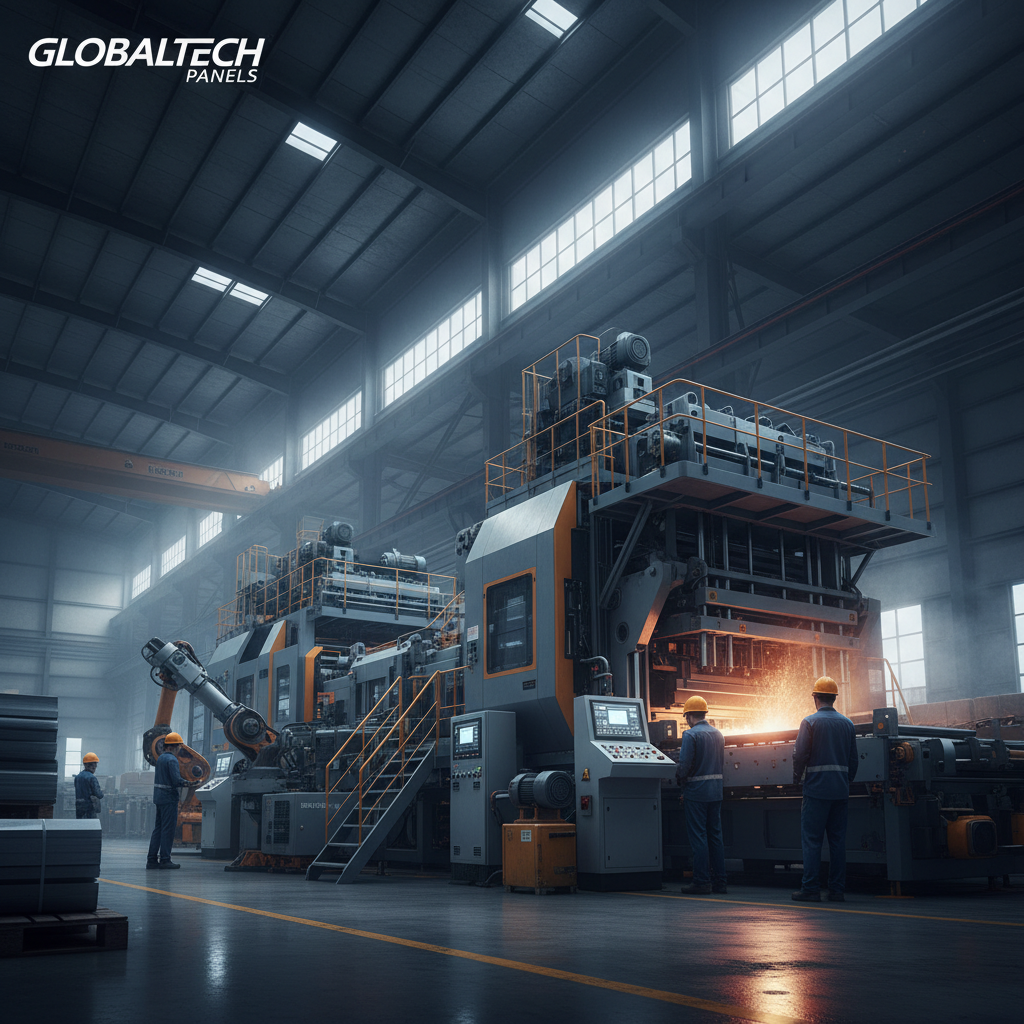
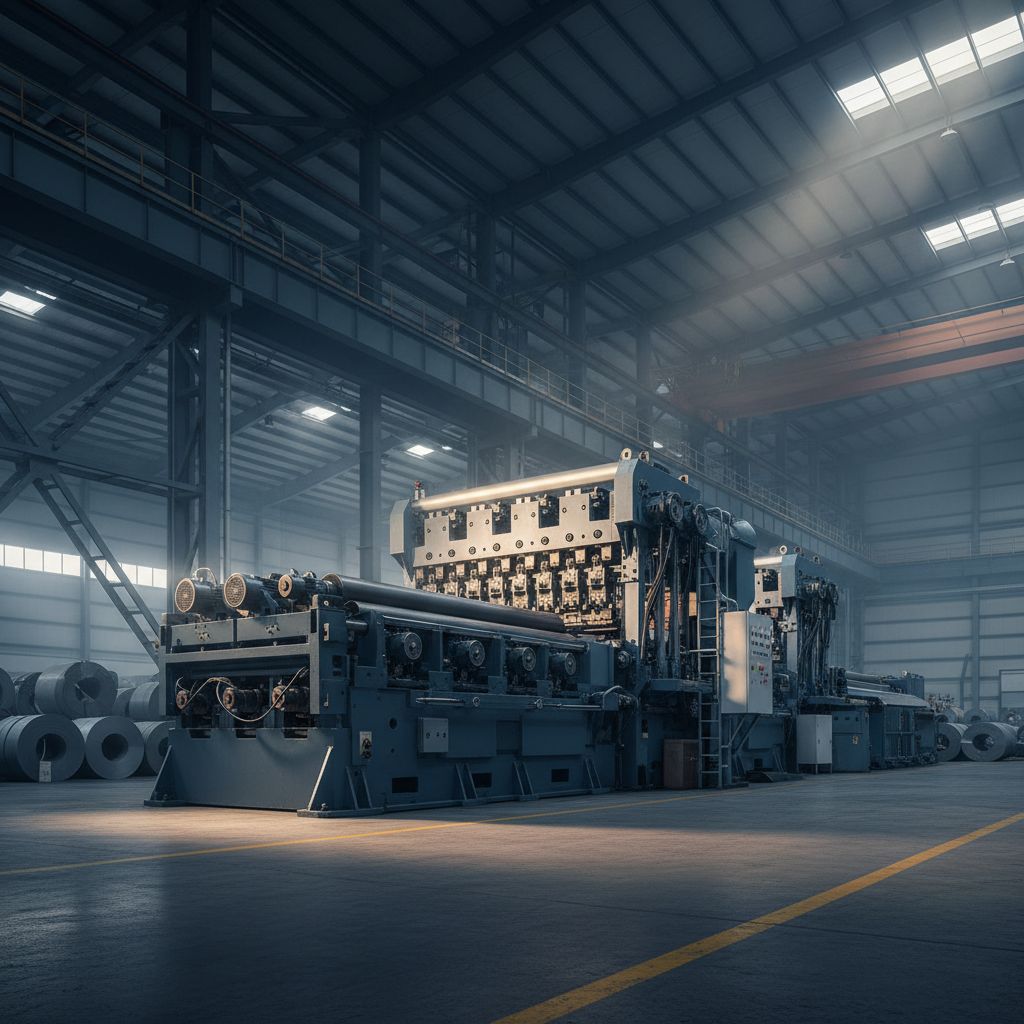
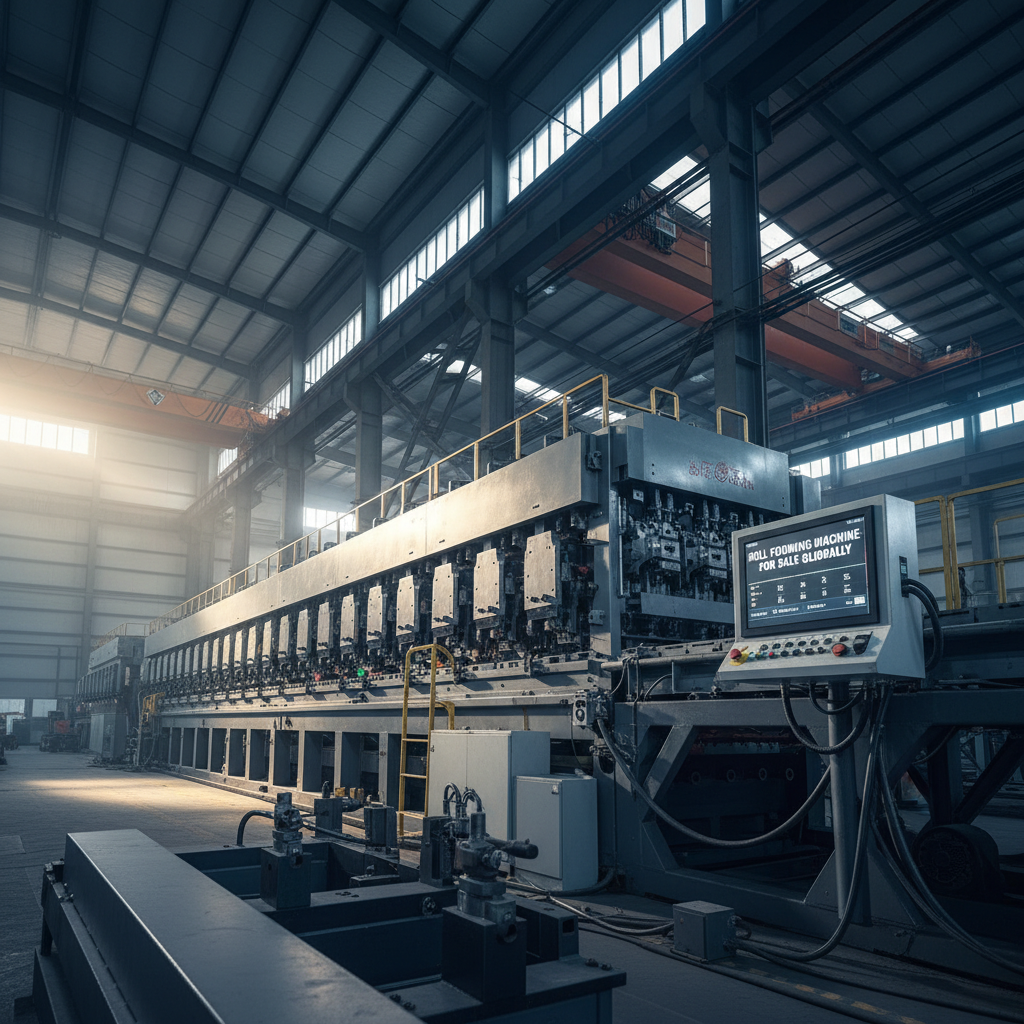
Sandwich panel machine manufacturers are becoming increasingly vital in modern construction, offering efficient and cost-effective solutions for a diverse range of building applications. These manufacturers specialize in producing machinery capable of creating high-performance sandwich panels, composite materials widely used for walls, roofs, and facades. The global demand for these panels is driven by their superior insulation properties, lightweight nature, and quick installation times, making them a preferred choice in sectors like industrial construction, cold storage, and modular housing. sandwich panel machine manufacturer plays a crucial role in this growing industry.
The significance of reliable sandwich panel machine manufacturers extends beyond simple construction efficiency. As urbanization accelerates and sustainable building practices gain prominence, the need for materials that reduce energy consumption and construction waste becomes paramount. Sandwich panels, produced by specialized machinery, directly address these challenges. Innovations in manufacturing technology continuously improve panel quality, durability, and affordability, further solidifying the position of sandwich panel machine manufacturers as key players in the global construction landscape.
Ultimately, understanding the capabilities and advancements offered by a reputable sandwich panel machine manufacturer is essential for architects, contractors, and developers aiming to deliver high-quality, sustainable, and economically viable building projects.
The Global Importance of Sandwich Panel Machine Manufacturers
The global construction industry is undergoing a significant transformation, with a growing emphasis on prefabricated and modular building solutions. Sandwich panel machine manufacturers are at the forefront of this shift, providing the technology necessary to produce high-quality panels that reduce construction time and labor costs. According to a report by Grand View Research, the global insulated panels market size was valued at USD 16.72 billion in 2022 and is expected to grow at a compound annual growth rate (CAGR) of 6.1% from 2023 to 2030. This growth is largely fueled by the increasing demand for energy-efficient buildings. sandwich panel machine manufacturers are crucial in meeting this demand.
Furthermore, the demand for affordable housing, particularly in developing nations, is driving the need for faster, more efficient construction methods. Sandwich panels offer a viable solution, and the availability of advanced machinery from specialized manufacturers is essential to scaling up production to meet this growing need. The role of these manufacturers is not just limited to supplying machines; they often provide technical support, training, and customized solutions to help clients optimize their production processes.
Defining Sandwich Panel Machine Manufacturing
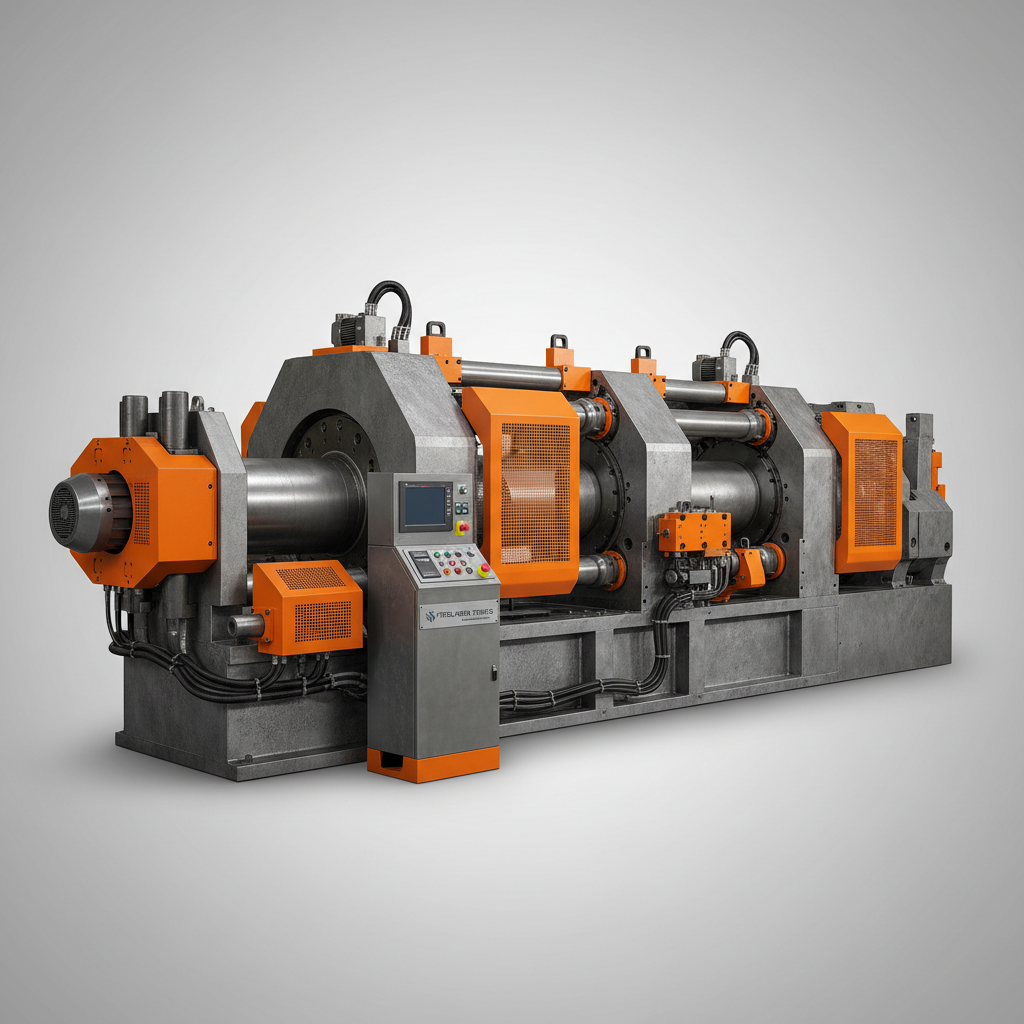
Sandwich panel machine manufacturing encompasses the design, production, and maintenance of machinery used to create composite panels consisting of two rigid outer skins and a core material. The outer skins are typically made of materials like steel, aluminum, or fiberglass, while the core can be composed of insulation materials like polyurethane (PUR), polyisocyanurate (PIR), rockwool, or expanded polystyrene (EPS). The manufacturing process involves precisely bonding these layers together to create a structurally sound and thermally efficient panel.
These machines range in complexity from basic, manually operated systems to fully automated, high-volume production lines. sandwich panel machine manufacturers often specialize in specific types of panels or core materials, offering tailored solutions to meet diverse customer requirements.
The connection to modern industry is undeniable. Sandwich panels are integral to the construction of warehouses, factories, cold storage facilities, and residential buildings, offering a superior alternative to traditional building materials in many applications, offering a sustainable solution and enhanced construction speeds.
Key Attributes of Leading Manufacturers
Leading sandwich panel machine manufacturers differentiate themselves through a combination of technological innovation, product quality, and customer service. Key attributes include a commitment to research and development, resulting in machinery that offers improved efficiency, precision, and versatility.
Furthermore, these manufacturers prioritize the use of high-quality components and robust construction techniques to ensure the durability and reliability of their machines. They also offer comprehensive after-sales support, including installation, training, and maintenance services, fostering long-term relationships with their clients. Another crucial factor is the ability to customize machines to meet specific production needs, offering flexible solutions tailored to individual business requirements.
Finally, a strong focus on safety is paramount. Reputable manufacturers design their machines with built-in safety features and adhere to international safety standards, protecting operators and ensuring a safe working environment. They also prioritize energy efficiency, developing machines that minimize energy consumption and reduce environmental impact.
Core Components and Manufacturing Processes
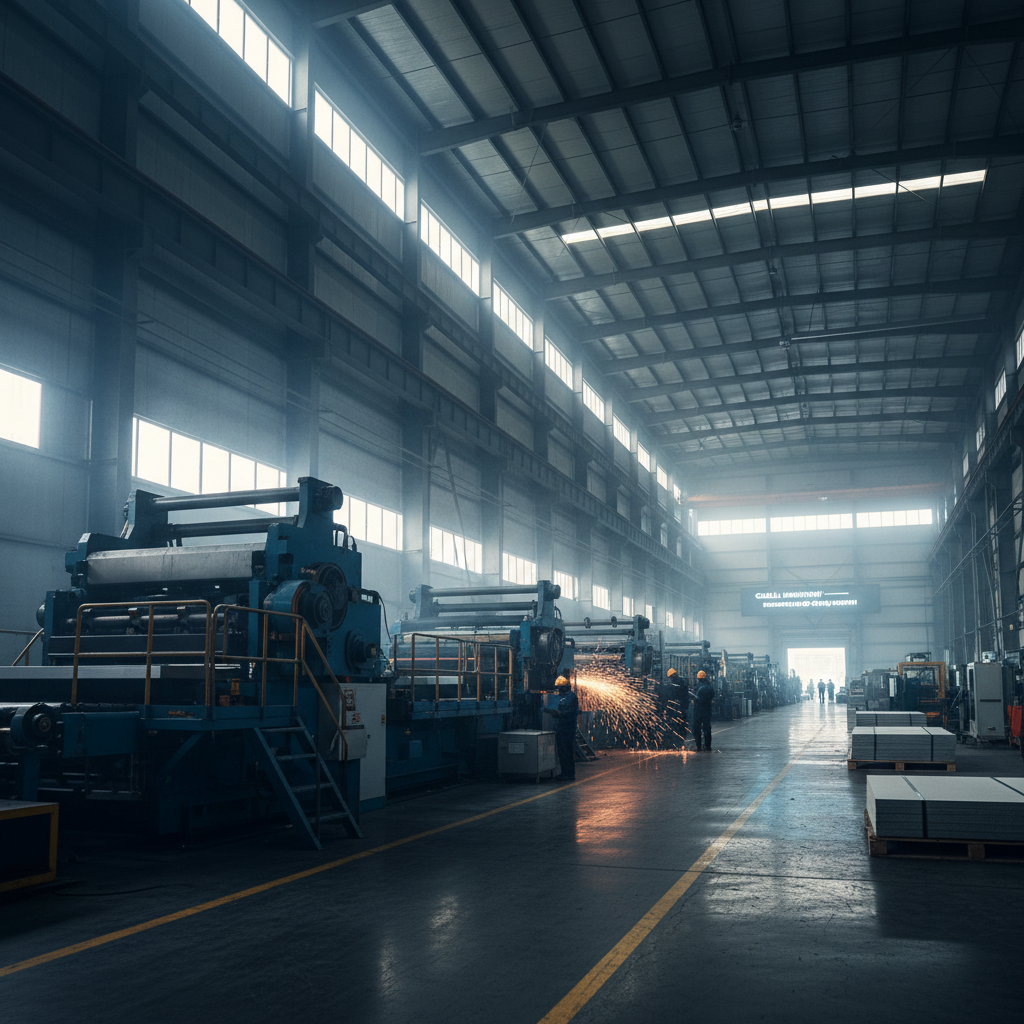
The manufacturing of sandwich panels involves several key stages and relies on specific machine components. These include foaming machines for producing the core insulation material, profiling machines for shaping the outer skins, and lamination lines for bonding the layers together. Precise control systems are essential to ensure consistent panel thickness, density, and adhesion.
Automated cutting and sizing systems are also critical for producing panels to specific dimensions, minimizing waste and maximizing efficiency. Different manufacturing methods exist, including continuous lamination, batch lamination, and the use of pre-fabricated core materials. sandwich panel machine manufacturers offer machines capable of implementing all these methods, catering to diverse production needs.
Sandwich Panel Machine Manufacturing Methods
Global Applications and Industry Impact
Sandwich panels are utilized in a vast array of applications across numerous industries. In the construction sector, they are widely employed for wall cladding, roofing systems, and interior partitions in commercial, industrial, and residential buildings. Their lightweight nature and excellent insulation properties make them ideal for cold storage facilities and refrigerated transport.
The food and pharmaceutical industries also benefit from the hygienic and temperature-controlled environments created by sandwich panel construction. In post-disaster relief operations, rapidly deployable shelters utilizing sandwich panels offer a safe and comfortable temporary housing solution. Furthermore, in remote industrial zones, they provide a cost-effective and efficient means of constructing facilities.
Advantages and Long-Term Value Proposition
The advantages of utilizing sandwich panels are manifold. Cost efficiency is a primary benefit, stemming from reduced construction time, lower labor requirements, and minimized material waste. Sustainability is another key advantage, as sandwich panels offer excellent thermal insulation, reducing energy consumption and lowering carbon emissions. The durability and longevity of these panels translate to reduced maintenance costs over the lifespan of the building.
Beyond the tangible benefits, sandwich panels contribute to improved safety and comfort, creating environments that are better protected from the elements and more energy-efficient. Investing in quality machinery from a reliable sandwich panel machine manufacturer ensures consistent product quality and long-term value.
Future Trends and Innovation in Sandwich Panel Production
The future of sandwich panel production is marked by a focus on sustainability, automation, and digitalization. There is a growing trend towards the use of eco-friendly core materials, such as bio-based foams and recycled plastics. Automation is playing an increasingly important role, with manufacturers adopting robotic systems to enhance efficiency and precision.
Digitalization, including the integration of Industry 4.0 technologies like IoT and machine learning, is enabling real-time monitoring of production processes, predictive maintenance, and optimized resource allocation. Furthermore, the development of smart panels with integrated sensors and functionalities is expanding the application possibilities of this versatile building material.
The focus on greener alternatives and more efficient production methods will continue to drive innovation in the industry, with sandwich panel machine manufacturers leading the way in developing and implementing these advancements.
Key Challenges and Solutions in Sandwich Panel Machine Manufacturing
| Challenge |
Impact on Production |
Potential Solutions |
Implementation Cost (1-10) |
| Material Waste |
Increased production costs, environmental concerns. |
Optimized cutting algorithms, material recovery systems. |
6 |
| Machine Downtime |
Reduced output, project delays. |
Predictive maintenance programs, remote diagnostics. |
7 |
| Quality Control |
Product defects, customer dissatisfaction. |
Automated inspection systems, real-time monitoring. |
8 |
| Operator Skill Gap |
Inefficient operation, increased error rates. |
Comprehensive training programs, user-friendly interfaces. |
5 |
| Energy Consumption |
High operating costs, environmental impact. |
Energy-efficient machine designs, optimized production schedules. |
4 |
| Limited Customization |
Inability to meet specific client needs. |
Modular machine designs, flexible configuration options. |
6 |
FAQS
Sandwich panels offer significant advantages over traditional materials like concrete and brick, including superior thermal insulation, lightweight construction leading to reduced structural loads, faster installation times due to their prefabricated nature, and improved energy efficiency. Their inherent strength-to-weight ratio also makes them ideal for a wide range of applications. Choosing a quality sandwich panel machine manufacturer ensures these benefits are maximized.
Common core materials include Polyurethane (PUR), Polyisocyanurate (PIR), Expanded Polystyrene (EPS), Rockwool, and glass wool. Each material offers different properties regarding thermal resistance, fire performance, and cost. PUR and PIR offer excellent insulation and strength, while EPS is more cost-effective. Rockwool provides superior fire resistance, making it suitable for specific applications. A good sandwich panel machine manufacturer will be able to accommodate diverse core material options.
Sandwich panel production lines range from semi-automatic to fully automated systems. Semi-automatic lines require manual handling for certain tasks, while fully automated lines employ robots and automated controls for nearly all processes, including material handling, foaming, lamination, and cutting. Full automation significantly increases production speed, reduces labor costs, and improves consistency. Many sandwich panel machine manufacturers offer customized automation solutions.
Preventative maintenance is crucial for ensuring the long-term reliability and performance of sandwich panel machinery. Regular inspections, lubrication, and replacement of worn parts can prevent unexpected breakdowns and minimize downtime. Establishing a comprehensive maintenance schedule and training operators on proper maintenance procedures are essential. Reputable sandwich panel machine manufacturers provide comprehensive maintenance support packages.
Consider factors such as the manufacturer's experience, technological expertise, product quality, after-sales service, customization capabilities, and adherence to safety standards. It’s also vital to assess their ability to provide training, technical support, and spare parts availability. Checking references and visiting their facilities are also recommended. A reputable sandwich panel machine manufacturer will readily provide all this information.
Sustainability considerations include the use of eco-friendly core materials, minimizing waste during production, reducing energy consumption of the machinery, and designing panels that contribute to energy-efficient buildings. Choosing a sandwich panel machine manufacturer committed to sustainable practices and offering energy-efficient equipment is paramount. Recycling programs for waste materials and sourcing materials from responsible suppliers also play a key role.
Conclusion
In conclusion, sandwich panel machine manufacturers are integral to the evolution of the construction industry, providing innovative solutions for efficient, sustainable, and cost-effective building. The demand for these panels continues to rise globally, driven by the need for faster construction speeds, improved energy efficiency, and affordable housing. Investing in high-quality machinery and partnering with a reliable manufacturer is crucial for businesses seeking to capitalize on this growth.
Looking ahead, the future of sandwich panel manufacturing will be shaped by advancements in automation, digitalization, and the adoption of eco-friendly materials. By embracing these trends and prioritizing innovation, manufacturers can contribute to a more sustainable and resilient built environment. Visit our website at www.yowinmachine.com to learn more about our sandwich panel machine solutions.