The global demand for robust and reliable infrastructure is constantly increasing, driving innovation in materials and manufacturing processes. Central to this demand is the production of polyvinyl chloride (PVC) pipes, essential components in water management, sanitation, agriculture, and construction. A pvc pipe manufacturing plant is no longer simply a facility producing pipes; it represents a critical link in delivering essential services to communities worldwide, offering durability, cost-effectiveness, and a sustainable alternative to traditional materials. Understanding the intricacies of these plants is paramount for engineers, policymakers, and investors alike.
The significance of a well-designed and efficiently operated pvc pipe manufacturing plant extends beyond mere economic factors. It impacts public health by ensuring safe water distribution, supports agricultural productivity through efficient irrigation, and contributes to resilient infrastructure capable of withstanding environmental stresses. The challenge lies in balancing increasing demand with the need for environmentally responsible production and sustainable material sourcing.
Investing in advanced pvc pipe manufacturing plant technologies is thus crucial for meeting the needs of a growing global population, improving quality of life, and fostering sustainable development. These plants are becoming increasingly automated and focused on reducing their environmental footprint, making them a vital part of a modern, sustainable infrastructure ecosystem.
The Significance of pvc pipe manufacturing plant
A pvc pipe manufacturing plant isn’t simply a factory; it’s an integral part of modern civilization. The pipes produced form the backbone of essential infrastructure, delivering clean water to homes and businesses, managing wastewater effectively, and supporting agricultural irrigation. Without reliable PVC pipe production, many of the conveniences and necessities of modern life would be severely compromised.
These plants are strategically important for national economies. They create jobs, stimulate local manufacturing, and contribute to overall economic growth. Furthermore, advancements in PVC pipe technology are continuously improving efficiency and sustainability, making them a key player in building a more resilient future.
Defining a pvc pipe manufacturing plant
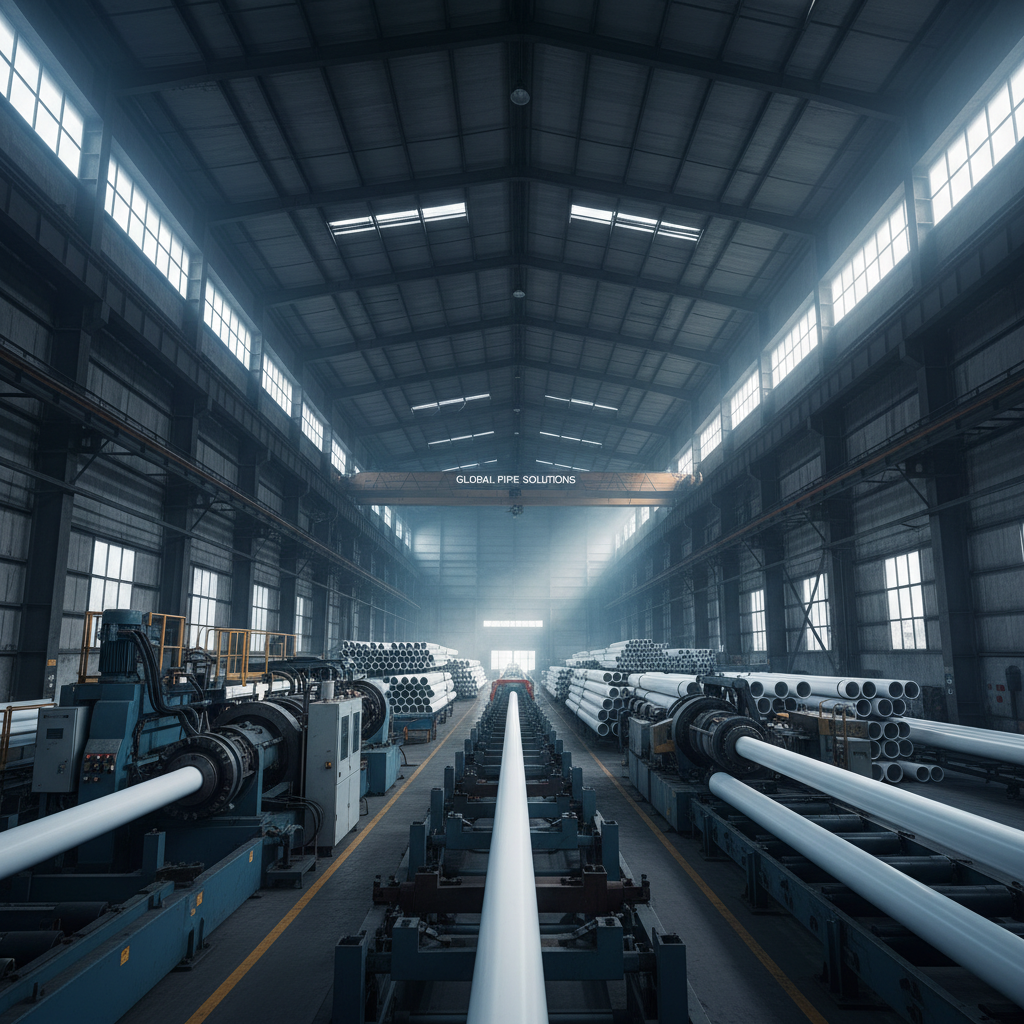
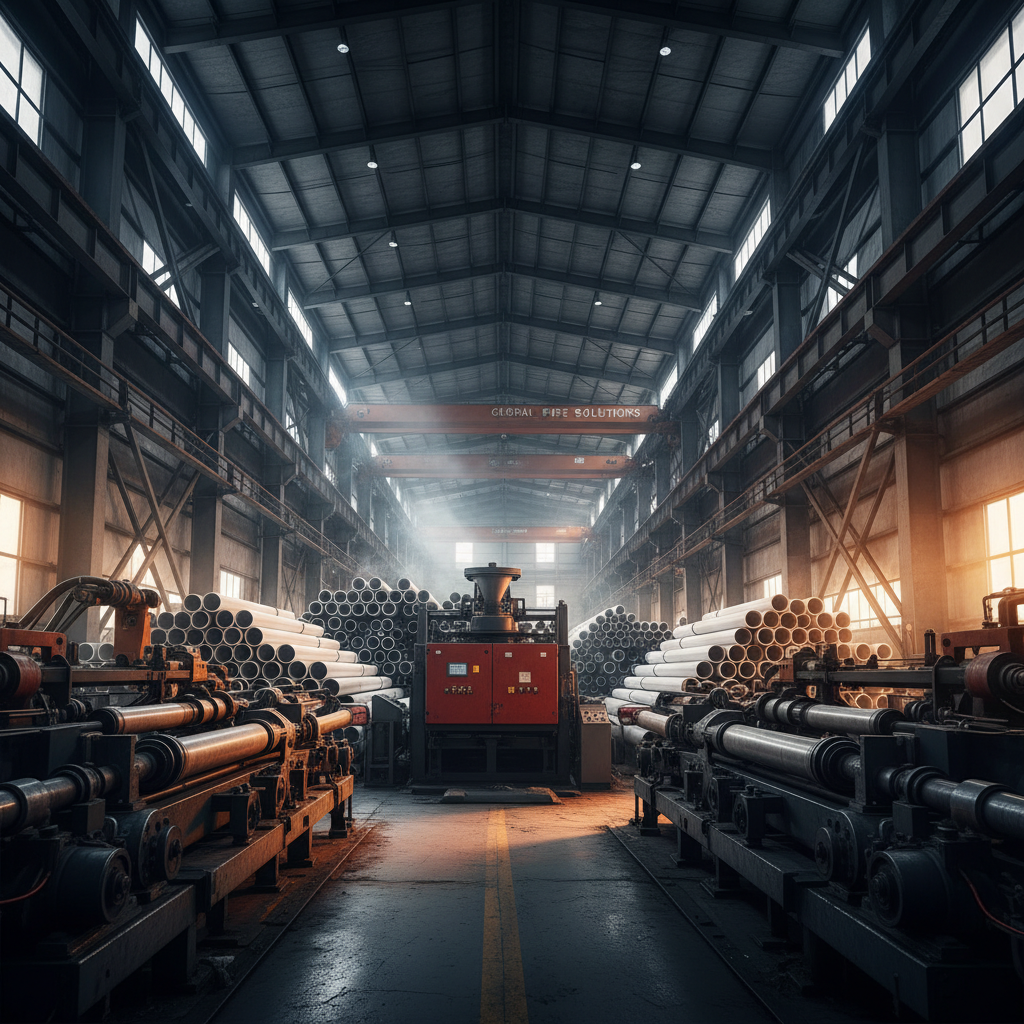
A pvc pipe manufacturing plant is a facility dedicated to the production of polyvinyl chloride (PVC) pipes, typically ranging in diameter from small tubing for plumbing to large-diameter pipes for water and sewage systems. The process involves compounding PVC resin with additives, extruding the mixture into desired pipe shapes, cooling, cutting, and quality control.
These plants utilize sophisticated machinery and process control systems to ensure consistent product quality and adherence to industry standards (ASTM, ISO). The output directly impacts public health, environmental protection, and the reliability of critical infrastructure. Modern plants prioritize automation, energy efficiency, and waste reduction to minimize their environmental impact.
The connection to modern industry and humanitarian needs is profound. PVC pipes are lightweight, durable, corrosion-resistant, and relatively inexpensive, making them ideal for a wide range of applications, including disaster relief efforts where rapid deployment of water and sanitation systems is crucial.
Key Factors in pvc pipe manufacturing plant Design
Several factors are crucial to the success of a pvc pipe manufacturing plant. First and foremost is the quality of the raw materials used. High-grade PVC resin and appropriate additives are essential for producing pipes that meet stringent performance standards. Proper material sourcing and rigorous quality control are paramount.
Secondly, the extrusion process itself is critical. Precise temperature control, screw design, and die calibration are vital for achieving the desired pipe dimensions and mechanical properties. Modern extrusion lines incorporate advanced sensors and control systems to ensure consistent quality. A well-maintained and technologically advanced extrusion line is the heart of any efficient plant.
Thirdly, effective cooling systems are essential for solidifying the extruded PVC and maintaining its shape. Rapid and uniform cooling is crucial for preventing deformation and ensuring dimensional accuracy. Finally, rigorous quality control procedures, including pressure testing and dimensional checks, are necessary to guarantee that the finished pipes meet all applicable standards.
Global Applications of pvc pipe manufacturing plant
The applications of a pvc pipe manufacturing plant’s output are incredibly diverse. In North America and Europe, PVC pipes are the standard for water distribution, sewage systems, and irrigation. Developing nations, particularly in Asia and Africa, are increasingly adopting PVC for similar applications due to its affordability and durability.
In post-disaster relief operations, lightweight and easy-to-install PVC pipes provide crucial access to clean water and sanitation. In remote industrial zones, PVC pipes are used for transporting raw materials and waste products. The agricultural sector relies heavily on PVC pipes for efficient irrigation systems, increasing crop yields and conserving water resources.
The construction industry utilizes PVC pipes extensively for drainage, ventilation, and electrical conduit. Large-scale infrastructure projects, such as tunnel linings and pipeline construction, often rely on specialized PVC pipe solutions. Furthermore, the marine industry utilizes PVC for applications such as seawater intake and discharge pipes.
Efficiency Comparison of pvc pipe manufacturing plant Methods
Advantages and Long-Term Value
The advantages of utilizing products from a pvc pipe manufacturing plant are numerous. Cost-efficiency is a major benefit; PVC is generally less expensive than traditional materials like metal or concrete. Furthermore, PVC is incredibly durable and corrosion-resistant, resulting in a long lifespan and reduced maintenance costs. This translates into significant savings over the life cycle of the infrastructure.
Sustainability is also a key advantage. PVC is recyclable, and advancements in recycling technologies are constantly improving recovery rates. The lightweight nature of PVC reduces transportation costs and energy consumption. From a social impact perspective, access to safe water and sanitation, facilitated by PVC pipes, dramatically improves public health and quality of life.
Future Trends in pvc pipe manufacturing plant Technology
The future of pvc pipe manufacturing plant technology is focused on sustainability and efficiency. Developments in bio-based PVC resins offer a renewable alternative to traditional petroleum-based materials. Smart manufacturing techniques, incorporating IoT sensors and data analytics, are optimizing production processes and reducing waste.
Automation and robotics are playing an increasingly important role in streamlining operations and improving product quality. The integration of digital twin technology allows for virtual modeling and optimization of plant processes. Furthermore, research into new PVC formulations with enhanced properties, such as increased impact resistance and UV stability, is ongoing.
Challenges and Solutions in pvc pipe manufacturing plant Operation
Despite the numerous benefits, pvc pipe manufacturing plant operations face several challenges. Fluctuations in raw material prices can impact production costs. Environmental concerns related to PVC production and disposal require careful management. Maintaining consistent product quality and adhering to stringent industry standards demand rigorous quality control procedures.
Solutions include diversifying raw material sourcing, investing in closed-loop recycling systems, and implementing advanced process control technologies. Developing innovative PVC formulations with improved recyclability and reduced environmental impact is also crucial. Continuous training and development of plant personnel ensure adherence to best practices and industry standards.
Proactive maintenance programs and predictive analytics can minimize downtime and maximize production efficiency, ultimately enhancing the long-term viability and sustainability of the plant.
Key Operational Performance Indicators for pvc pipe manufacturing plant
| KPI Category |
Indicator |
Target Value |
Measurement Frequency |
| Production Efficiency |
Overall Equipment Effectiveness (OEE) |
85% |
Daily |
| Quality Control |
Defect Rate (%) |
|
Per Batch |
| Resource Management |
Raw Material Waste (%) |
3% |
Monthly |
| Energy Consumption |
Energy Consumption per Ton of PVC |
400 kWh |
Monthly |
| Maintenance |
Mean Time Between Failures (MTBF) |
500 hours |
Monthly |
| Safety |
Incident Rate (per 100 employees) |
|
Quarterly |
FAQS
Establishing a pvc pipe manufacturing plant requires significant upfront investment. Costs range from $5 million to $30 million, depending on capacity, automation levels, and location. Major expenses include land acquisition, building construction, extrusion machinery, compounding equipment, quality control systems, and initial raw material procurement. Detailed feasibility studies and careful financial planning are essential for accurate cost estimation and securing funding.
The pvc pipe manufacturing plant industry is subject to stringent environmental regulations concerning emissions, wastewater discharge, and waste management. Compliance with local, national, and international standards (e.g., REACH, RoHS) is crucial. Regulations often dictate the use of best available technologies (BAT) for pollution control, proper disposal of PVC waste, and monitoring of environmental impact. Sustainable practices are increasingly emphasized.
Optimizing energy consumption is critical for both cost reduction and environmental sustainability. Implementing energy-efficient extrusion machinery, optimizing cooling systems, utilizing variable frequency drives (VFDs) on motors, and improving insulation can significantly reduce energy usage. Regular energy audits and the implementation of an energy management system (EMS) are also recommended.
The lifespan of PVC pipes manufactured in a modern pvc pipe manufacturing plant typically ranges from 50 to 100 years, depending on the application and environmental conditions. Factors influencing lifespan include UV exposure, soil acidity, and water pressure. High-quality materials, precise manufacturing processes, and proper installation contribute to maximizing pipe longevity.
Automation significantly reduces production costs in a pvc pipe manufacturing plant by minimizing labor requirements, increasing production speed, and improving product consistency. Automated systems reduce material waste, optimize energy usage, and enhance quality control, leading to substantial long-term savings. Initial investment costs are offset by increased efficiency and reduced operational expenses.
Essential quality control measures include rigorous testing of raw materials, dimensional checks of extruded pipes, pressure testing to ensure leak-proof performance, impact resistance testing, and visual inspection for defects. Statistical process control (SPC) techniques are used to monitor production processes and identify potential issues early on. Adherence to industry standards (ASTM, ISO) is paramount.
Conclusion
In conclusion, a pvc pipe manufacturing plant is a cornerstone of modern infrastructure, providing essential solutions for water management, sanitation, agriculture, and construction. The industry is constantly evolving, driven by innovations in materials, automation, and sustainability. Investing in advanced technologies and adopting best practices are crucial for ensuring long-term viability and meeting the growing global demand for reliable, durable, and cost-effective piping systems.
Looking ahead, continued research and development focused on bio-based PVC, enhanced recycling technologies, and smart manufacturing processes will be critical for shaping the future of the industry. By embracing these advancements, pvc pipe manufacturing plants can play a vital role in building a more sustainable and resilient world. Visit our website at www.yowinmachine.com to learn more about our innovative solutions and expertise in the pvc pipe manufacturing industry.