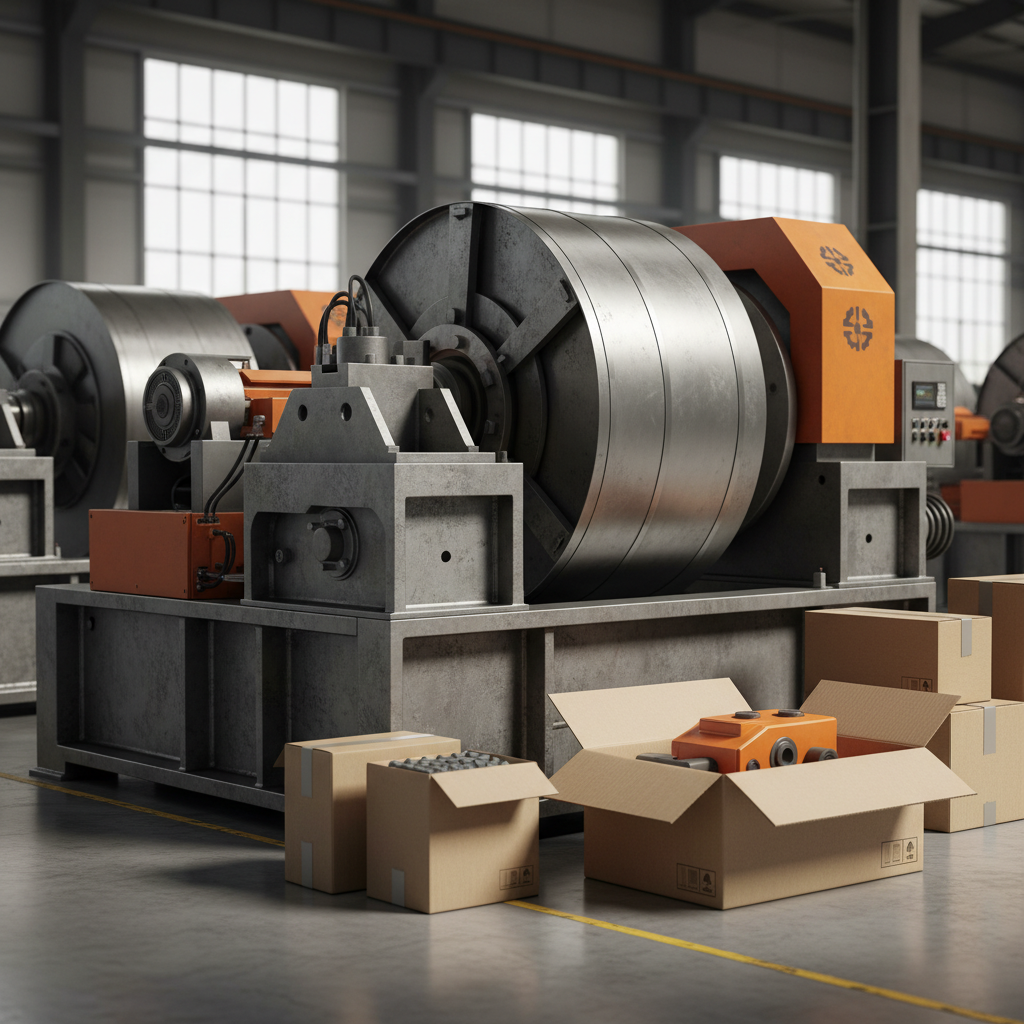
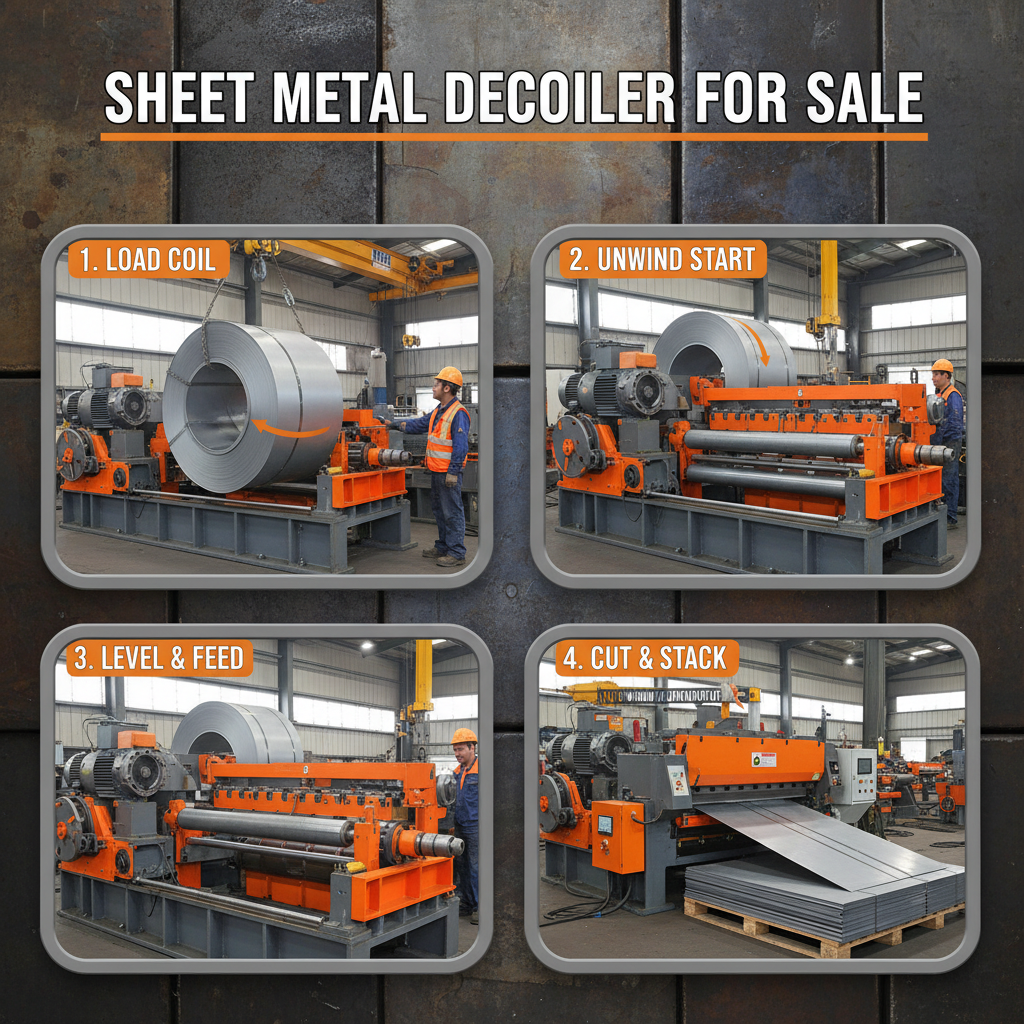
The global manufacturing sector relies heavily on efficient material handling, and at the heart of many metal fabrication processes lies the metal decoiler. This essential piece of equipment unwinds coiled metal, preparing it for forming, stamping, or other production stages. Its importance stems from streamlining workflows, reducing material waste, and enabling high-volume production. The demand for precision and efficiency in industries like automotive, construction, and appliance manufacturing drives continuous innovation in metal decoiler technology.
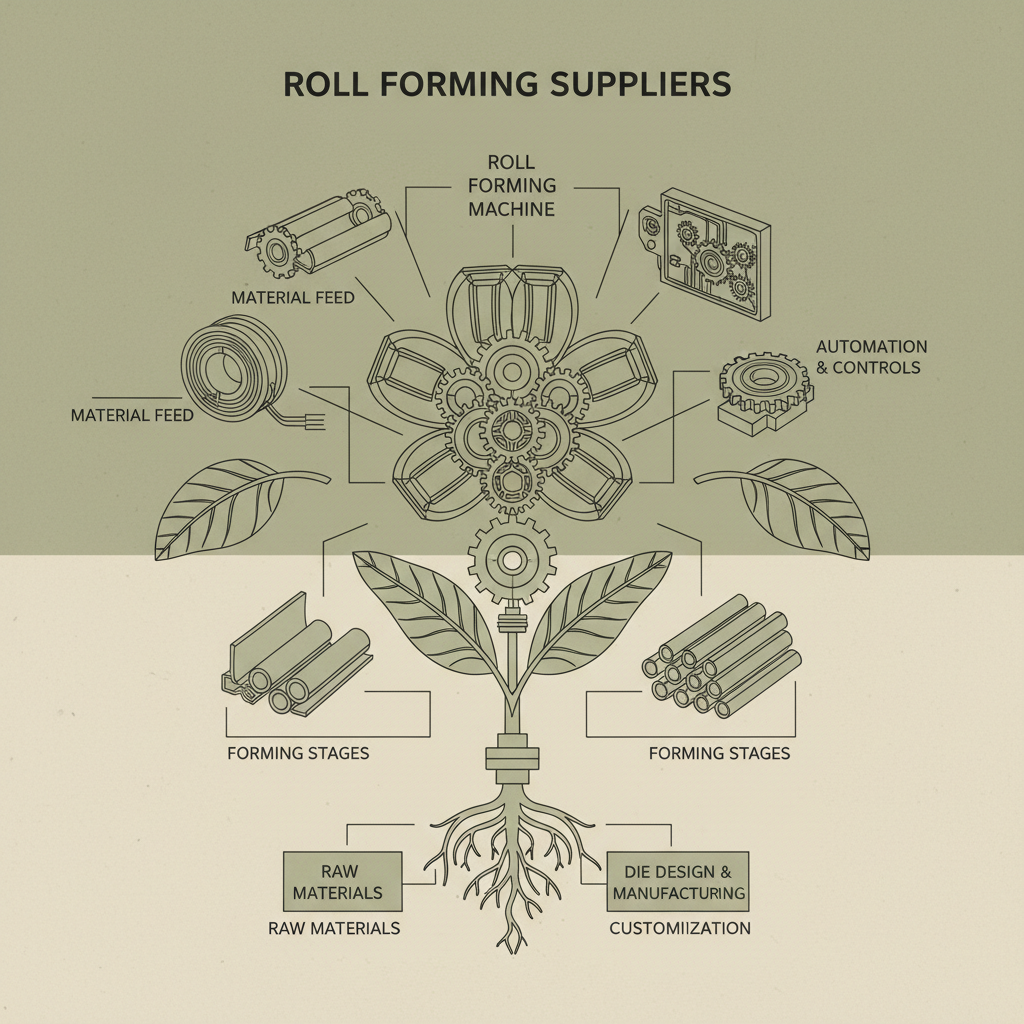
The growth of roll forming, a key process in creating components like purlins, profiles, and roofing sheets, is directly linked to the performance of metal decoilers. As global infrastructure projects expand and the need for cost-effective building materials increases, the demand for reliable and high-capacity decoilers continues to rise. Furthermore, advancements in material science – like high-strength steels and specialized alloys – necessitate metal decoilers capable of handling diverse materials and thicknesses.
Efficient metal processing is crucial for modern economies. The metal decoiler isn't simply a mechanical device; it’s a foundational element enabling scalable, cost-effective, and precise manufacturing, underpinning vital supply chains across numerous industries.
Understanding Metal Decoiler Technology
Metal decoilers represent a critical link in the continuous processing of metal strip and coil. They translate stored potential energy in a tightly wound coil into a controlled feed for subsequent manufacturing processes. Understanding the underlying principles of metal decoilers – from their mechanical operation to their control systems – is crucial for optimizing production efficiency.
The technology encompasses a variety of designs tailored to specific material types, coil weights, and production speeds. Factors such as coil width, thickness, and material properties significantly influence the selection of the appropriate metal decoiler. Properly specifying the decoiler ensures minimal material distortion, consistent tension control, and a reliable feed for downstream equipment.
Defining a Metal Decoiler: Core Functionality
At its simplest, a metal decoiler is a machine designed to unwind coiled metal, typically steel, aluminum, or stainless steel, and feed it continuously into another process. This process is essential for roll forming, stamping, slitting, and many other metal fabrication techniques. The decoiler’s core functionality centers around providing a consistent and controlled unwinding action, maintaining the desired tension on the material, and minimizing any deformation or damage to the metal coil.
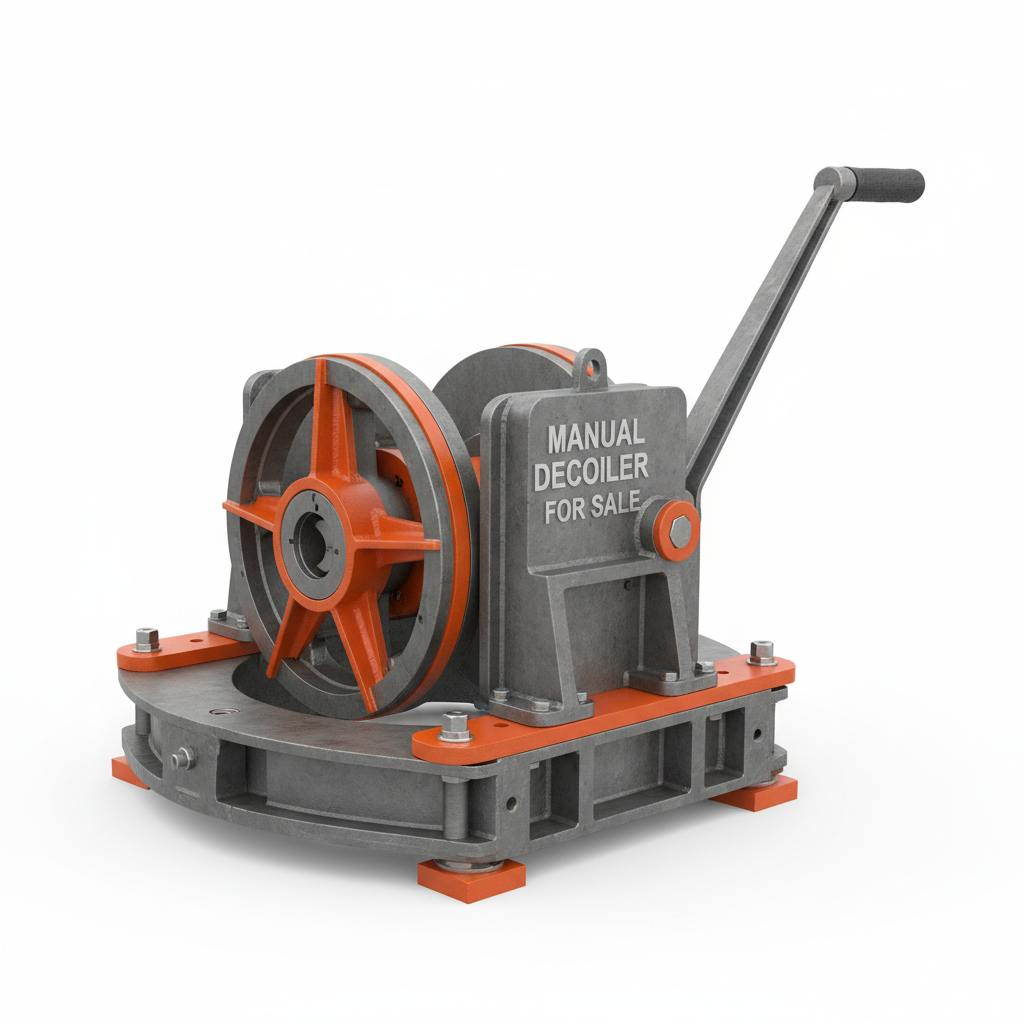
The machine's components generally include a mandrel (the central shaft that supports the coil), side supports to guide the material, a tension control system (often utilizing brakes or motors), and a feed mechanism to deliver the metal strip. Modern metal decoilers frequently incorporate programmable logic controllers (PLCs) for precise control of unwinding speed, tension, and other operational parameters.
This seemingly simple function is vital for ensuring consistent product quality and efficient production. Without a reliable metal decoiler, the entire manufacturing process can be disrupted by material inconsistencies, downtime, and increased waste.
Key Factors Influencing Metal Decoiler Performance
Several key factors determine the performance and suitability of a metal decoiler for a specific application. One crucial aspect is the coil weight capacity. The decoiler must be robust enough to handle the maximum weight of the coils used without compromising stability or control. Selecting a decoiler with an inadequate capacity can lead to operational issues and potential safety hazards.
Tension control is another paramount consideration. Consistent and precise tension is vital to prevent material deformation, ensure accurate feeding, and maintain product quality. Different tension control methods, such as mechanical brakes, magnetic particle brakes, and servo-controlled tension systems, offer varying levels of precision and responsiveness. The choice depends on the material being processed and the required accuracy.
Furthermore, the type of coil edge condition (slitted or sheared) influences the decoiler's design. Decoilers handling slitted coils require different guiding and control mechanisms compared to those handling sheared coils. Finally, the decoiler’s compatibility with the material type – steel, aluminum, stainless steel, etc. – is critical. Different materials have varying properties that affect the unwinding process and require specialized decoiler features.
Global Applications of Metal Decoilers
Metal decoilers are integral to a vast array of industries worldwide. In the construction sector, they are used extensively in the production of roll-formed steel profiles for roofing, cladding, and structural components. The automotive industry relies on decoilers for unwinding metal coils used in manufacturing body panels, chassis parts, and interior components.
The appliance manufacturing industry utilizes metal decoilers for processing metal sheets used in refrigerators, washing machines, and other household appliances. In regions with extensive infrastructure development, such as Asia-Pacific and the Middle East, the demand for decoilers is particularly high, driven by the need for efficient building materials.
Similarly, in Europe and North America, decoilers are crucial for the automotive and appliance manufacturing sectors. Furthermore, specialized decoilers are employed in the production of metal packaging, furniture, and even solar panel components, demonstrating the widespread and diversified applications of this essential piece of manufacturing equipment.
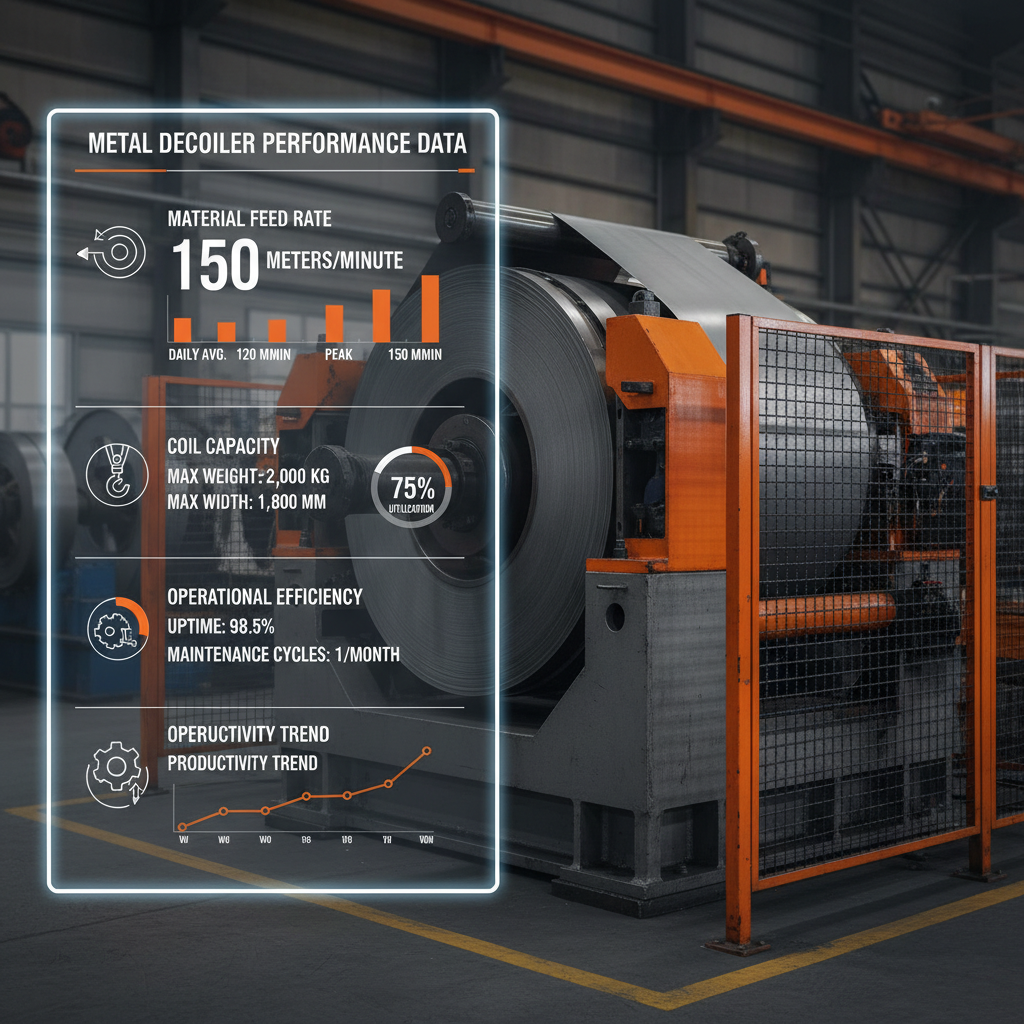
Metal Decoiler Performance Metrics
Advantages and Long-Term Value of Metal Decoilers
Investing in a high-quality metal decoiler yields significant long-term benefits. Cost savings are realized through reduced material waste, increased production efficiency, and minimized downtime. The ability to process coils continuously without manual intervention lowers labor costs and streamlines operations.
Moreover, metal decoilers contribute to improved product quality by ensuring consistent material handling and tension control. This consistency translates into fewer defects, reduced rework, and enhanced customer satisfaction. A reliable decoiler enhances a company's reputation for delivering high-quality products on time and within budget.
Future Trends in Metal Decoiler Technology
The future of metal decoiler technology is focused on increased automation, enhanced precision, and improved connectivity. Smart decoilers, equipped with sensors and data analytics, will provide real-time monitoring of performance metrics, predictive maintenance capabilities, and optimized control algorithms.
Integration with Industry 4.0 principles, including the Industrial Internet of Things (IIoT), will enable seamless communication between the decoiler and other production equipment, creating a fully integrated and optimized manufacturing process. The development of decoilers capable of handling new materials, such as advanced high-strength steels and lightweight alloys, will also be a key trend.
Sustainability is also a growing focus, with manufacturers developing energy-efficient decoilers and incorporating features to minimize waste and reduce environmental impact.
Challenges and Solutions in Metal Decoiling
Despite advancements, several challenges remain in metal decoiling. Maintaining consistent tension across varying coil diameters and material thicknesses can be difficult. Preventing material distortion and ensuring accurate feeding require careful calibration and precise control systems.
Another challenge is handling coils with imperfections, such as edge damage or variations in thickness. These imperfections can disrupt the unwinding process and lead to production delays. Solutions include implementing advanced tension control algorithms, utilizing high-resolution sensors to detect material defects, and employing automated coil handling systems.
Furthermore, regular maintenance and proactive monitoring are crucial to prevent unexpected breakdowns and ensure long-term reliability. Investing in skilled technicians and providing comprehensive training programs are essential for addressing these challenges and maximizing the performance of metal decoilers.
Summary of Challenges and Solutions in Metal Decoiling
| Challenge |
Impact on Production |
Proposed Solution |
Implementation Cost (Scale 1-10) |
| Inconsistent Tension Control |
Material Deformation, Quality Issues |
Advanced Tension Control Systems |
7 |
| Coil Imperfections |
Production Delays, Material Waste |
Defect Detection Sensors |
6 |
| Varying Coil Diameters |
Feeding Inaccuracies |
Adaptive Control Algorithms |
8 |
| Manual Adjustments |
Reduced Efficiency, Human Error |
Automated Coil Handling Systems |
9 |
| Lack of Predictive Maintenance |
Unexpected Downtime, High Repair Costs |
Sensor-Based Condition Monitoring |
5 |
| Material Compatibility Issues |
Damage to Material & Decoiler |
Specialized Decoiler Designs |
7 |
FAQS
When choosing a metal decoiler for a roll forming line, consider the maximum coil weight, material type and thickness, required tension control accuracy, and the coil width. Ensure the decoiler's capacity aligns with your production needs and the materials you will be processing. Also, assess the level of automation and control required for seamless integration with the roll forming machine. A well-matched decoiler optimizes line performance and minimizes downtime.
To prevent material damage, maintain consistent and accurate tension control. Utilize side guides to prevent the coil from shifting or snagging. Regularly inspect the mandrel for any burrs or imperfections that could scratch the material surface. Ensure the decoiler is properly aligned with the roll forming line to minimize stress on the metal strip. Implement a soft start/stop function to gradually accelerate or decelerate the unwinding process.
A simple decoiler relies on gravity to unwind the coil, offering a more economical solution for lighter coils and lower production volumes. However, it provides limited tension control. A powered metal decoiler utilizes a motor and brake system to provide precise tension control, making it ideal for heavier coils, higher production speeds, and demanding applications requiring consistent material feeding. The added control significantly improves product quality and efficiency.
Proper tension control is achieved through a combination of factors. Ensure the decoiler's brake system is correctly calibrated and responsive. Utilize a tension sensor to monitor the force applied to the material and adjust the brake accordingly. Optimize the unwinding speed to match the downstream process requirements. Regularly inspect and maintain the tension control system to ensure accurate and reliable performance. Automated tension control systems offer the highest level of precision.
Regular maintenance is crucial for extending the lifespan of a metal decoiler. Lubricate bearings and moving parts according to the manufacturer's recommendations. Inspect and tighten any loose bolts or connections. Regularly clean the decoiler to remove debris and prevent corrosion. Check the brake system for wear and tear. Implement a preventative maintenance schedule to address potential issues before they escalate into costly repairs.
Yes, metal decoilers can be designed to handle various metal coil types, including stainless steel, aluminum, and galvanized steel. However, it's crucial to specify the material type when selecting a decoiler, as different materials have varying properties that require specialized features. For example, aluminum coils may require different tension control settings compared to steel coils. Ensure the decoiler's components are compatible with the chosen metal to prevent damage or operational issues.
Conclusion
In conclusion, the metal decoiler remains an indispensable component of modern metal fabrication. Its ability to efficiently and reliably unwind metal coils underpins countless manufacturing processes across diverse industries. Understanding its functionalities, key performance factors, and future trends is critical for optimizing production efficiency, improving product quality, and achieving sustainable manufacturing practices.
Investing in a high-quality, properly specified metal decoiler is a strategic decision that yields long-term benefits. As technology advances and material science evolves, the role of the decoiler will only become more crucial in driving innovation and meeting the demands of a rapidly changing global market. Visit our website at www.yowinmachine.com to explore our range of advanced metal decoiling solutions and discuss how we can help optimize your production process.