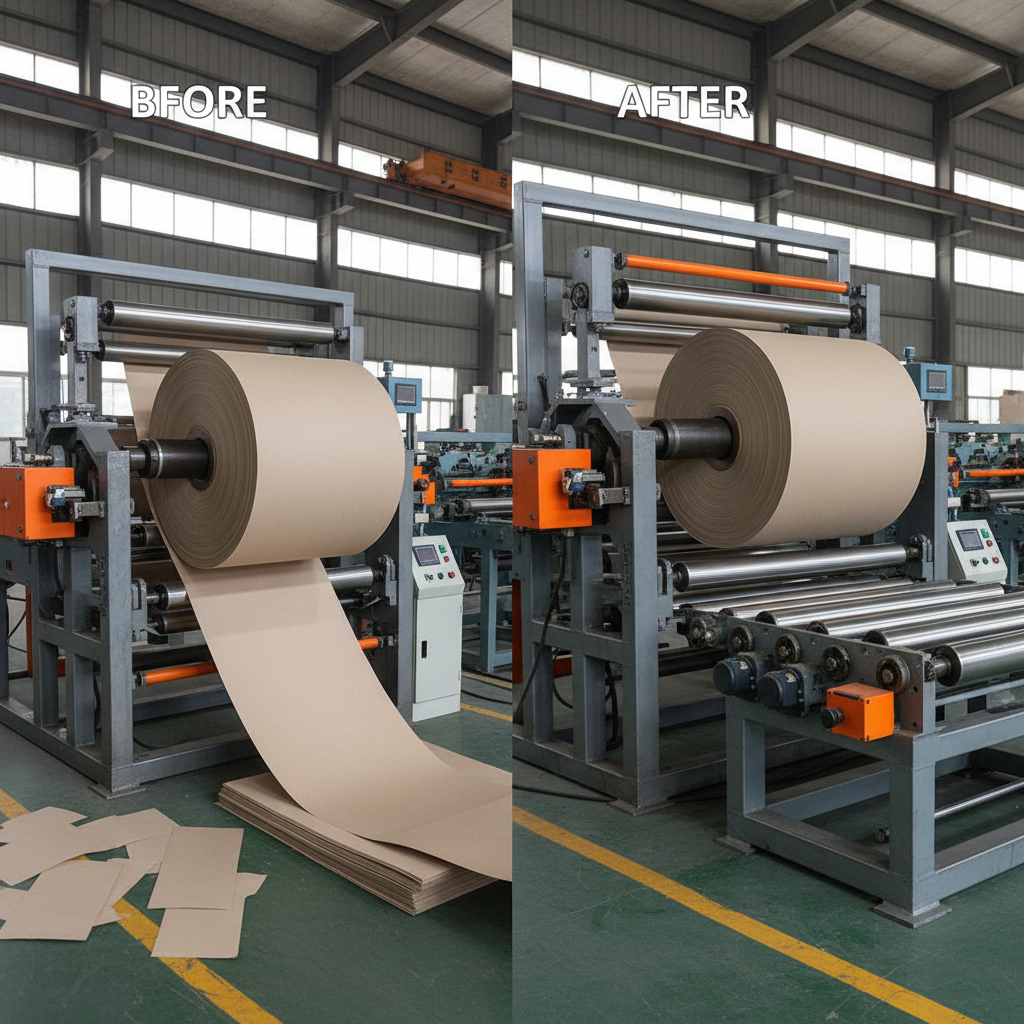
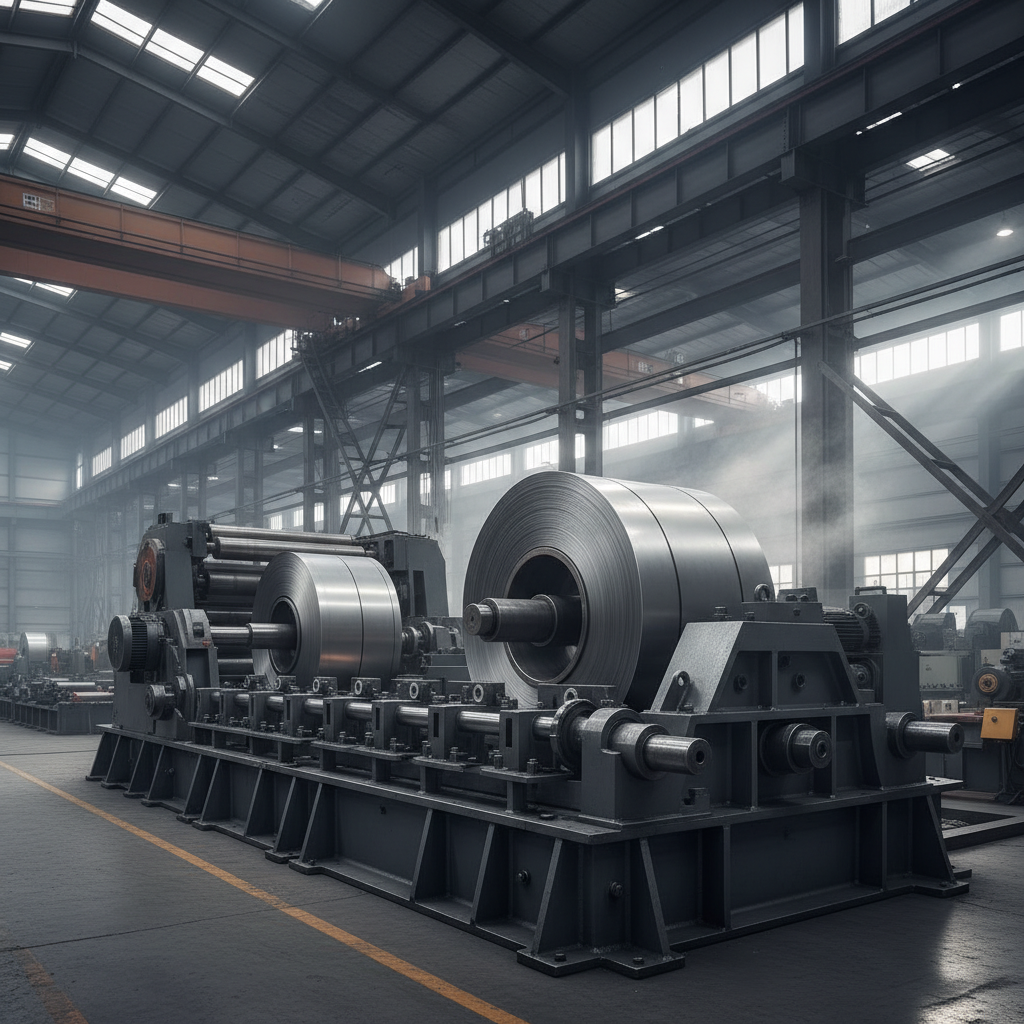
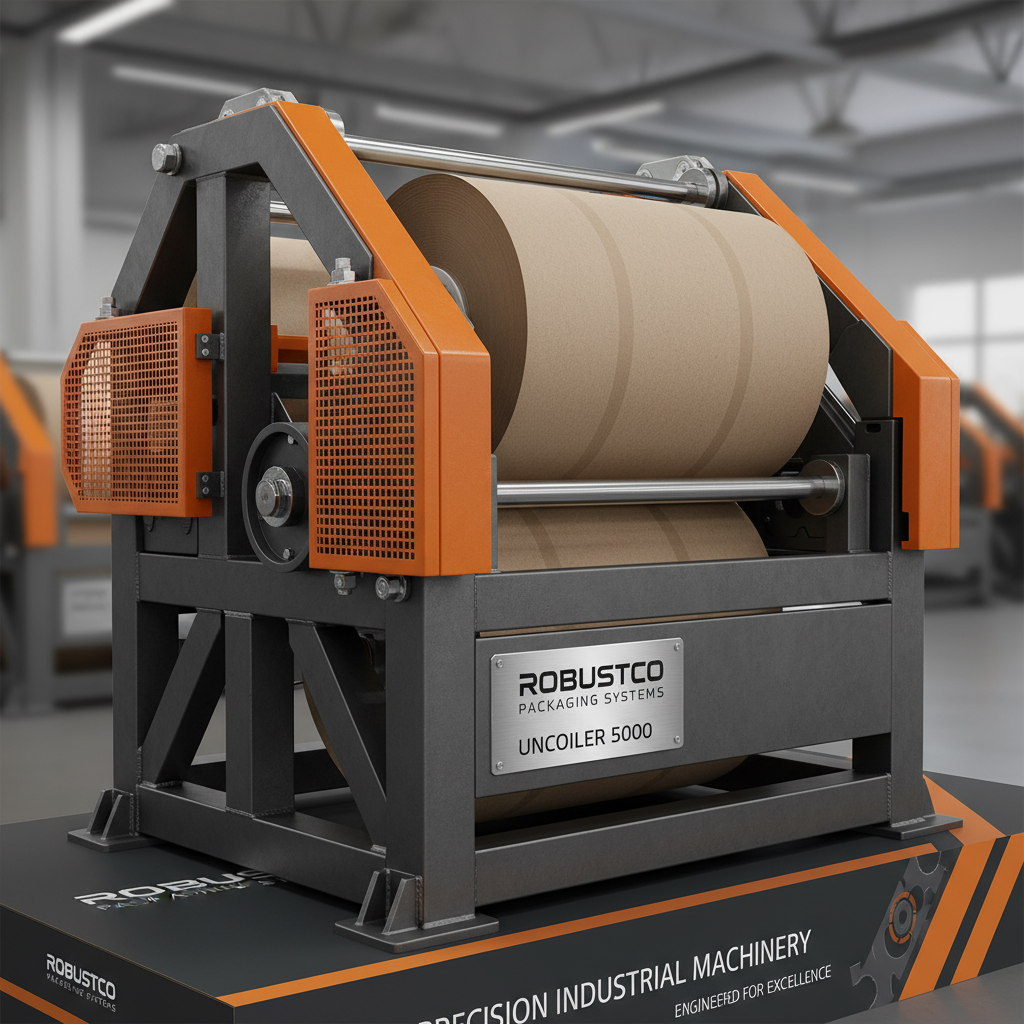
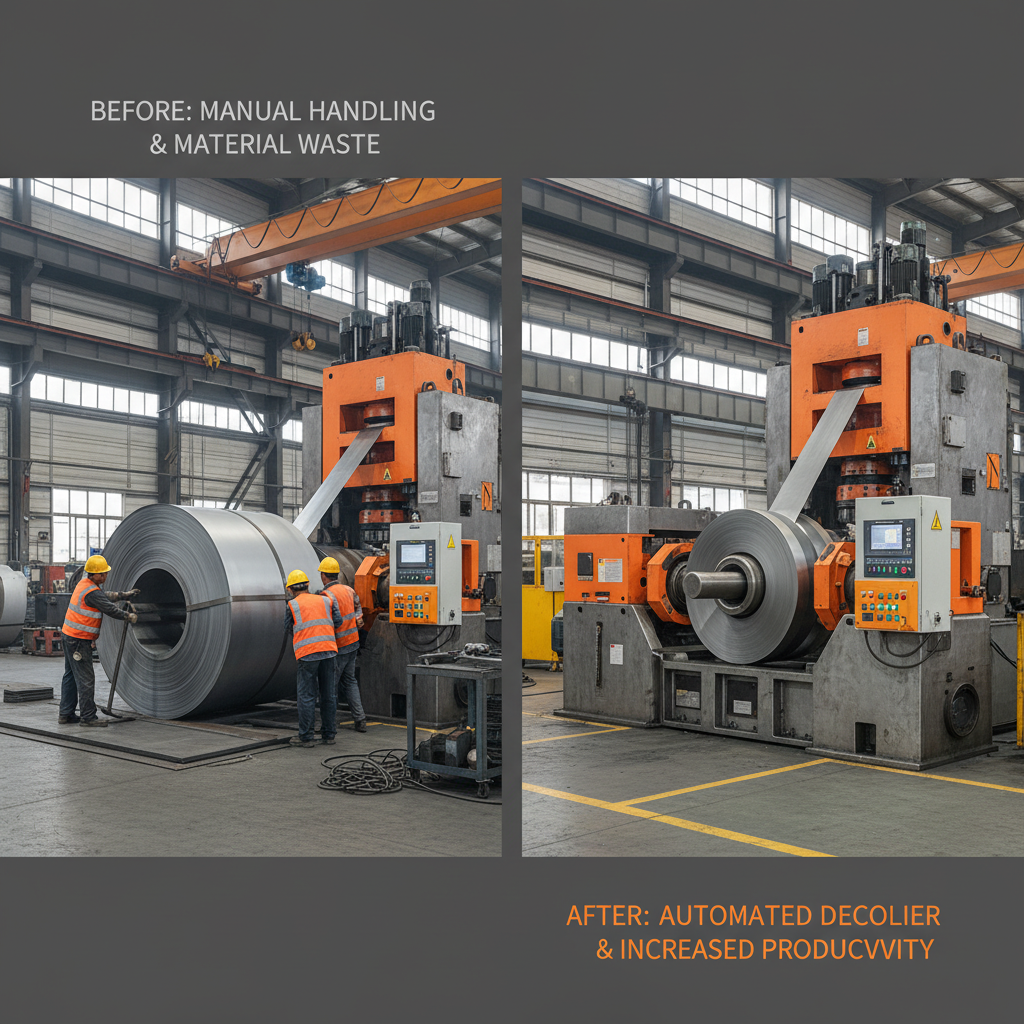
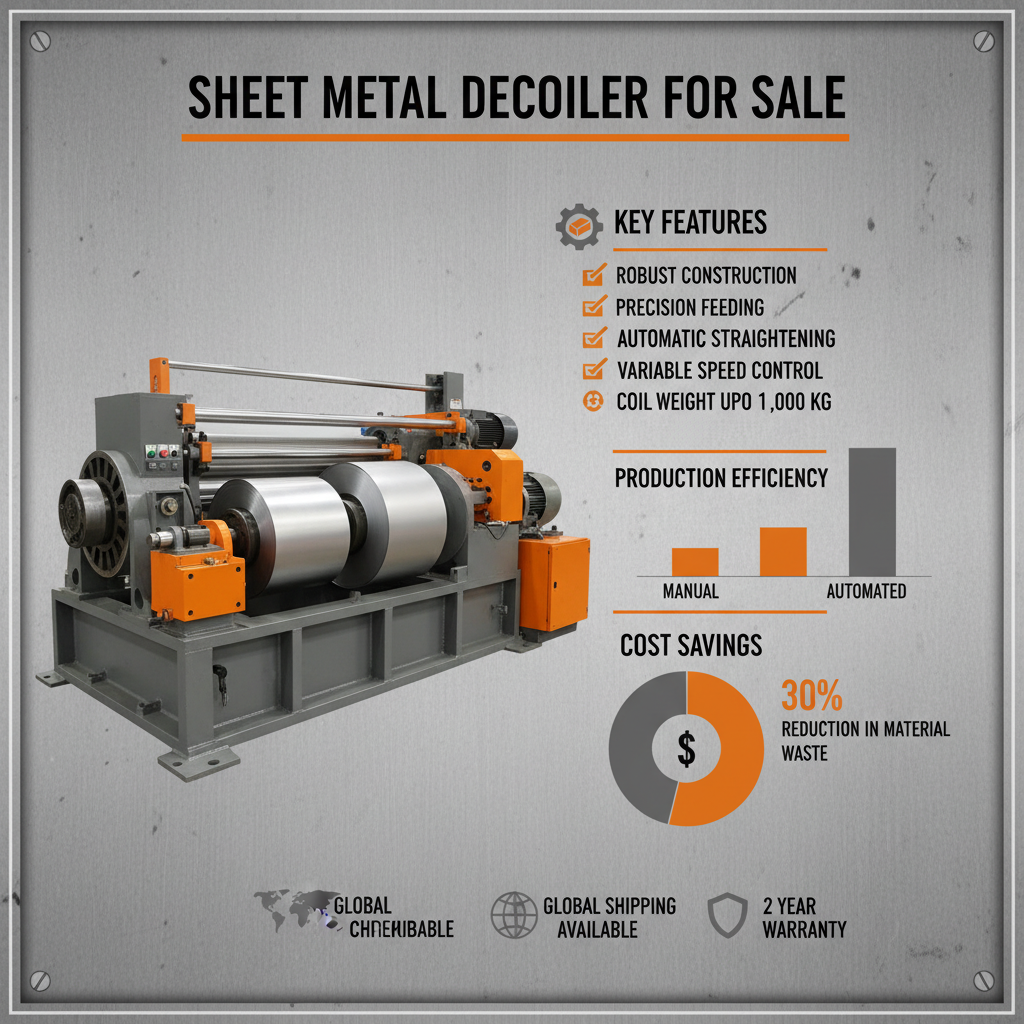
The de coiler is a crucial component in modern metal forming operations, particularly within the roll forming industry. It serves as the essential first step in processing metal coils, preparing them for the shaping and forming processes that follow. Its efficient and reliable operation directly impacts the overall productivity and quality of finished metal products, making it a critical investment for manufacturers aiming for optimized performance and cost-effectiveness.
Globally, the demand for efficient metal processing solutions is driven by burgeoning infrastructure development, automotive manufacturing, and construction industries. A robust de coiler ensures a consistent and uninterrupted feed of material, minimizing downtime and maximizing output. This is especially vital in today's competitive market where precision, speed, and reliability are paramount. The significance of a high-quality de coiler cannot be overstated in achieving these goals.
Essentially, the de coiler takes a tightly wound coil of metal and unwinds it in a controlled manner, providing a consistent tension and feeding it into the roll forming machine or other processing equipment. Without a properly functioning de coiler, the entire production line can be compromised, leading to material waste, production delays, and ultimately, increased costs. Understanding the nuances of de coiler technology is therefore fundamental for anyone involved in metal fabrication.
The Importance of De coilers in Metal Manufacturing
The modern manufacturing landscape, particularly within the metalworking sector, relies heavily on streamlined processes and efficient material handling. A critical element in this efficiency is the de coiler. It’s not merely an accessory; it’s the foundational component ensuring a smooth, continuous flow of material into roll forming machines, slitting lines, and other metal processing equipment. Its correct operation mitigates errors and boosts overall production rates.
Without a reliable de coiler, manufacturers face potential issues like inconsistent material tension, coil breaks, and even damage to the roll forming machine itself. These disruptions lead to costly downtime, material waste, and ultimately, decreased profitability. Investing in a robust and well-maintained de coiler is, therefore, a strategic imperative for companies seeking to maintain a competitive edge in the market.
Defining the De coiler: Function and Application
A de coiler, at its core, is a machine designed to unwind coils of metal sheet or strip. It takes a tightly wound coil, often weighing several tons, and systematically releases the metal in a controlled manner. This controlled release is vital because it provides the correct tension and feed rate for subsequent processing stages. The machine essentially ‘feeds’ the metal into the roll forming, slitting, or other metal processing line.
These machines are widely employed in diverse industries, including construction (for producing metal roofing, siding, and structural components), automotive (for manufacturing car body panels and chassis parts), and appliance manufacturing. They are integral to producing everything from simple brackets to complex profiles. The de coiler's versatility stems from its adaptability to handle a wide range of materials, including steel, aluminum, and stainless steel.
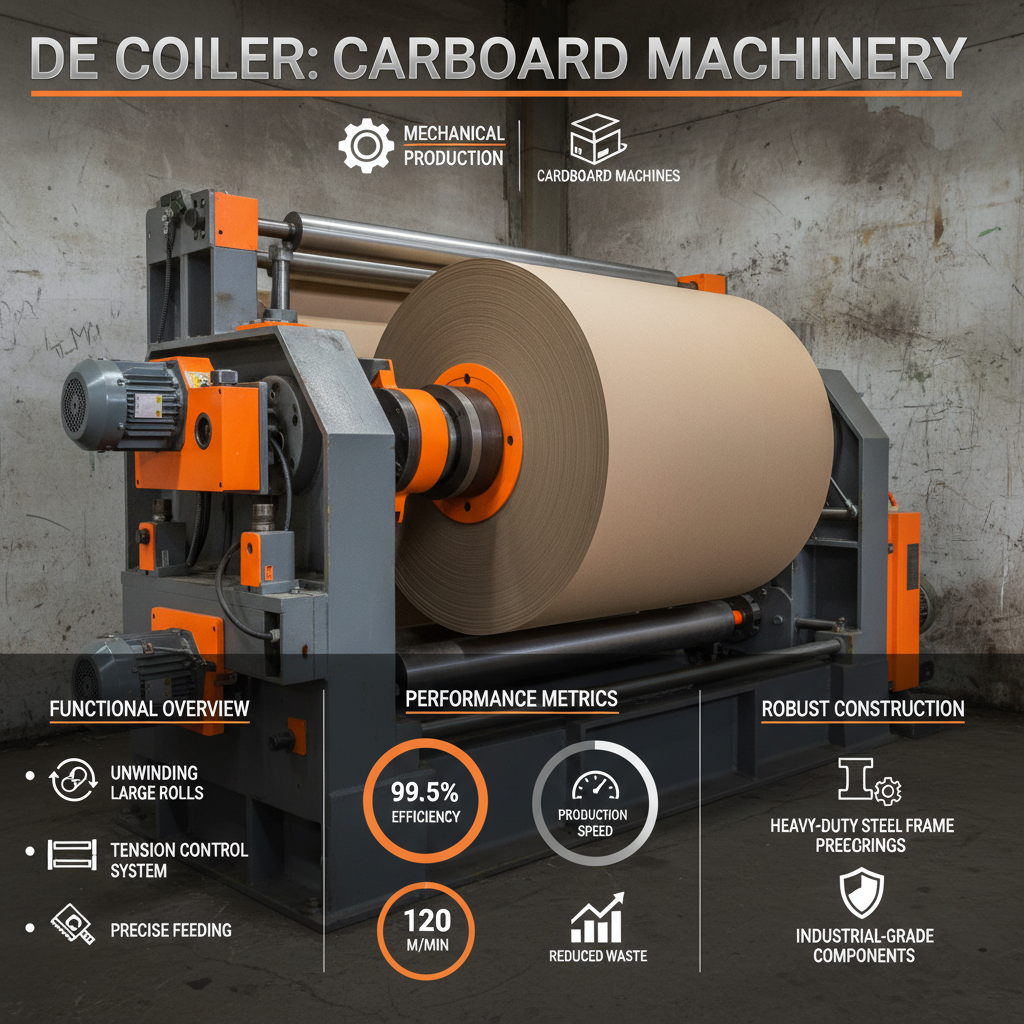
The de coiler’s functionality extends beyond simple unwinding; many advanced models incorporate features like tension control systems, edge guides, and coil joining capabilities to further optimize the process and minimize waste. The selection of a specific de coiler design depends heavily on the characteristics of the material being processed, the width and weight of the coils, and the requirements of the downstream equipment.
Core Components and Operational Factors of a De coiler
Several key components contribute to the effective operation of a de coiler. These include the mandrel, which supports the inner diameter of the coil; the unwinder, which provides the rotational force to unwind the coil; the tension control system, which maintains a consistent tension on the material; and the coil car, which loads and unloads the coils. Each component plays a vital role in ensuring smooth and reliable operation.
Beyond the physical components, several operational factors influence the de coiler's performance. Coil weight and width, material type and thickness, and desired feed rate all necessitate careful consideration. Proper setup and calibration are also essential. For example, applying too much tension can lead to material stretching or breakage, while insufficient tension can cause slippage and inconsistent forming.
Modern de coilers often integrate advanced sensors and control systems to automate these adjustments. These systems monitor material tension, coil diameter, and other key parameters, making real-time adjustments to optimize performance and minimize operator intervention. The choice of a de coiler depends greatly on the specific needs of the application and the characteristics of the material being processed.
De coiler Performance Metrics and Optimization
Evaluating de coiler performance requires tracking several key metrics. These include unwind speed, tension consistency, material utilization rate, and downtime frequency. Regularly monitoring these metrics allows manufacturers to identify areas for improvement and optimize their de coiling process.
Optimizing de coiler performance involves a combination of proper maintenance, careful setup, and the implementation of advanced control systems. Regular inspection and lubrication of moving parts, calibration of tension sensors, and adjustment of unwind speed are all critical steps.
De coiler Performance Comparison
Global Applications of De coilers Across Industries
De coilers find ubiquitous application in industries worldwide. In the construction sector, they are critical for producing metal roofing, siding, and structural panels used in commercial and residential buildings. Automotive manufacturers rely on them for forming body panels, chassis components, and other vital parts.
The appliance industry uses de coilers extensively to create housings and components for refrigerators, washing machines, and other household appliances. Furthermore, they're increasingly employed in the production of solar panel mounting systems, contributing to the growth of renewable energy infrastructure.
Advantages of Investing in a High-Quality De coiler
Investing in a high-quality de coiler yields substantial benefits. Reduced downtime and increased production efficiency directly translate to lower manufacturing costs. Improved material handling minimizes waste and enhances product quality.
Moreover, a well-maintained de coiler contributes to a safer working environment by reducing the risk of material handling accidents. Advanced de coilers often incorporate features like automatic tension control and edge guides, further enhancing safety and streamlining operations. Ultimately, a robust de coiler is an investment that pays for itself through increased productivity, reduced costs, and improved product quality.
The long-term value extends beyond immediate operational improvements. A reliable de coiler enhances a manufacturer's reputation for delivering high-quality products on time, fostering stronger customer relationships and securing future business.
Future Trends and Innovations in De coiler Technology
The future of de coiler technology is focused on increased automation, enhanced precision, and improved integration with Industry 4.0 initiatives. We are seeing a growing trend towards “smart” de coilers equipped with sensors, data analytics, and remote monitoring capabilities.
These advanced systems allow for predictive maintenance, real-time performance optimization, and remote troubleshooting, minimizing downtime and maximizing efficiency. Integration with robotic systems is also gaining traction, enabling fully automated material handling and processing.
Furthermore, the development of more energy-efficient de coilers and those capable of handling a wider range of materials, including lightweight alloys and high-strength steels, are key areas of innovation. Sustainability and reduced environmental impact will continue to drive advancements in de coiler design and operation.
Summary of De coiler Technology Challenges and Potential Solutions
| Challenge Area |
Current Limitations |
Potential Solutions |
Implementation Complexity |
| Material Handling |
Difficulty handling heavy or irregularly shaped coils. |
Automated coil loading/unloading systems; robotic assistance. |
Medium |
| Tension Control |
Maintaining consistent tension across varying coil diameters. |
Advanced closed-loop tension control systems; predictive algorithms. |
High |
| Downtime Reduction |
Unscheduled maintenance and component failures. |
Predictive maintenance utilizing sensor data; remote diagnostics. |
Medium |
| Integration with IoT |
Lack of seamless data exchange with other manufacturing systems. |
Open communication protocols; cloud-based data platforms. |
Low |
| Energy Efficiency |
High energy consumption during operation. |
Variable frequency drives; regenerative braking systems. |
Low |
| Material Compatibility |
Limited ability to handle diverse material types and thicknesses. |
Modular de coiler designs; adaptable gripping mechanisms. |
Medium |
FAQS
When choosing a de coiler, you must consider coil weight, width, and material type. Tension control requirements are crucial, as are the feed speed needed for your roll forming machine. Space limitations within your facility, power availability, and the level of automation desired will also influence your decision. Furthermore, evaluating the reputation and support offered by the de coiler manufacturer is vital for long-term reliability.
Proactive maintenance is key. Implement a regular inspection schedule, focusing on lubrication, bearing checks, and sensor calibration. Consider investing in a de coiler with remote monitoring capabilities for predictive maintenance. Keep a stock of essential spare parts on hand to minimize repair times. Proper operator training ensures they can identify and address minor issues before they escalate.
A simple de coiler relies on gravity to unwind the coil, making it suitable for lighter materials and lower production speeds. A powered de coiler utilizes a motor and control system to actively unwind the coil, providing consistent tension and enabling higher speeds. Powered de coilers are essential for heavier materials and high-volume production environments. They offer greater control and automation.
Precise tension control is paramount for achieving consistent product quality. Insufficient tension can cause material slippage and inconsistencies in forming, while excessive tension can lead to stretching or breakage. A properly controlled tension ensures the material enters the roll forming machine smoothly and evenly, resulting in accurate dimensions, smooth surfaces, and consistent mechanical properties in the finished product.
De coilers involve handling heavy materials and rotating machinery, necessitating strict adherence to safety protocols. Ensure operators receive thorough training on proper operation and emergency procedures. Implement safety guards and interlocks to prevent access to moving parts. Regularly inspect the de coiler for any signs of damage or wear. Always follow the manufacturer's safety guidelines.
With proper maintenance and regular servicing, a high-quality de coiler can reliably operate for 10-15 years or even longer. Regular lubrication, timely replacement of worn parts, and adherence to the manufacturer's maintenance schedule are critical for extending its lifespan. Investing in a durable de coiler from a reputable manufacturer is also a significant factor in its longevity.
Conclusion
The de coiler is a fundamental component within the metal forming industry, and its efficient operation is directly tied to productivity, product quality, and overall profitability. Understanding its core components, operational factors, and emerging trends is essential for manufacturers striving to optimize their processes. Investing in a high-quality de coiler and implementing a robust maintenance program is a strategic imperative for long-term success.
As technology continues to evolve, we can expect to see increasingly automated and intelligent de coilers integrated with Industry 4.0 systems. Embracing these advancements will enable manufacturers to unlock even greater levels of efficiency, precision, and sustainability in their metal forming operations. To learn more about how Yowin Machine can optimize your de coiling processes, visit our website today.