Look, I’ve spent the last fifteen years on construction sites, knee-deep in dust and dealing with everything from temperamental welders to surprise weather changes. And if there’s one thing that consistently slows everything down, it's getting the raw material ready to work with. That's where a good uncoiler machine comes in. It's not glamorous, but it’s absolutely critical. We're talking about minimizing downtime, keeping projects on schedule, and ultimately, saving serious money. It's the unsung hero of any large-scale metal fabrication project.
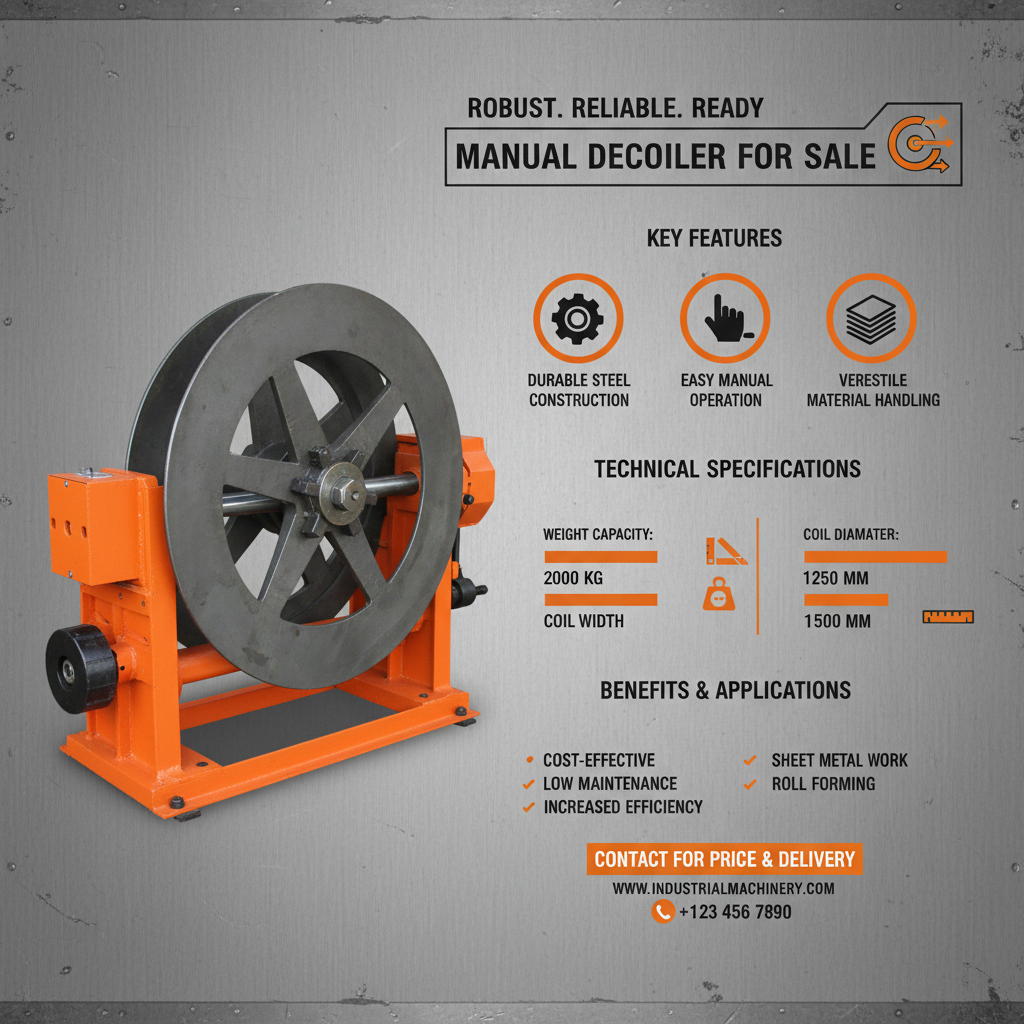
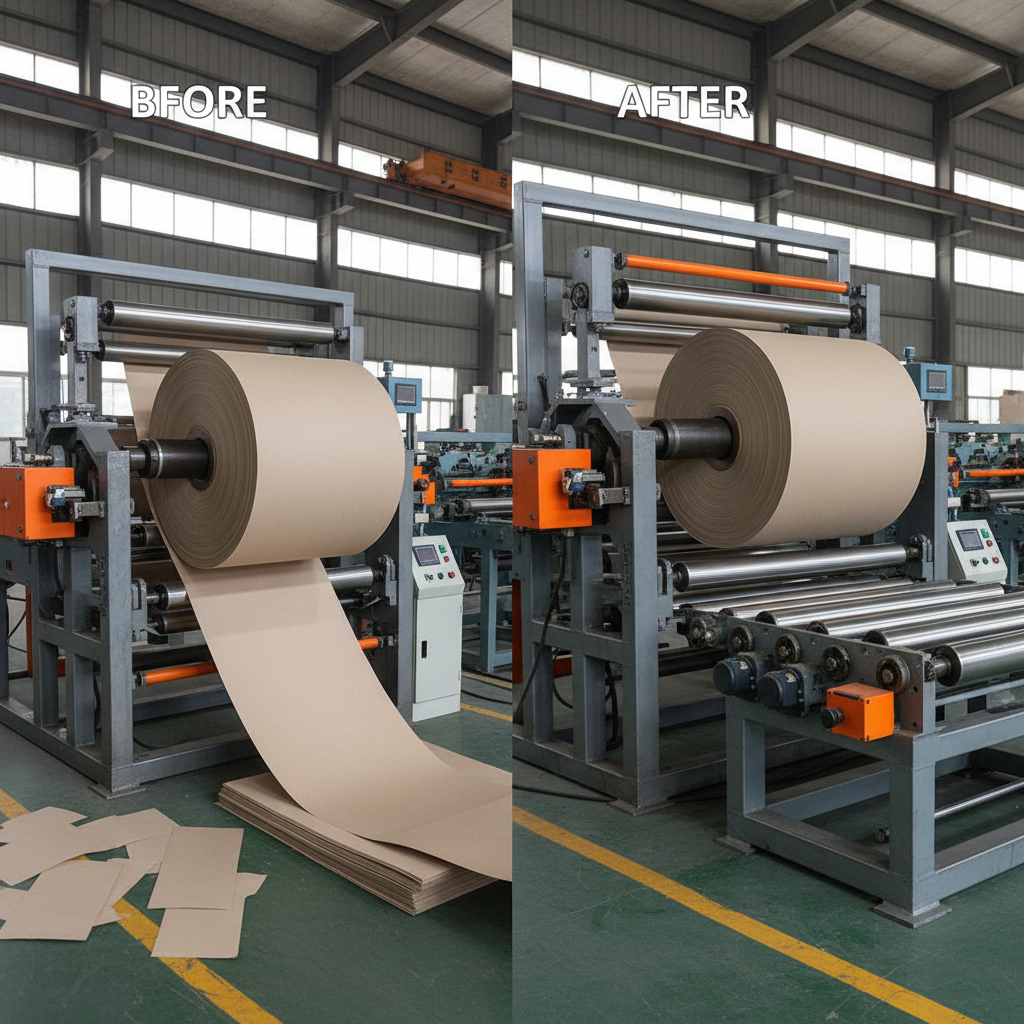
For too long, we’ve relied on outdated methods – manual uncoiling, which is slow, dangerous, and inconsistent, or flimsy machines that break down after a few weeks of hard use. These bottlenecks impact the entire workflow. I've seen projects fall behind simply because the material wasn’t prepped fast enough. Investing in robust, reliable equipment, like a properly spec'd uncoiler, isn't just about efficiency; it's about building a sustainable process that allows the skilled tradespeople on site to actually do their jobs.
Frankly, I'm tired of explaining to clients why things are delayed because of material handling issues. A proper uncoiler isn’t just a machine; it’s a statement – it tells everyone involved that we’re serious about quality, safety, and delivering on our promises. And that's what matters at the end of the day.
The Importance of Uncoiler Machines in Modern Fabrication
Let's be real: most people don’t think about the coil of steel before the finished product. But a good uncoiler machine is the starting point for a huge range of industries – from automotive and construction to appliance manufacturing and beyond. The global steel market is massive, and increasingly reliant on efficient processing. According to the World Steel Association, global steel demand is projected to increase, making efficient processing even more critical.
The problem is, handling those coils – which can weigh tons – is a logistical nightmare without the right equipment. Manual methods are slow, dangerous, and prone to material damage. A poorly chosen or maintained uncoiler can create bottlenecks, increase scrap rates, and ultimately, drive up costs. That’s where a well-engineered and reliable uncoiler becomes an indispensable asset.
Defining the Uncoiler Machine: What It Is and Why It Matters
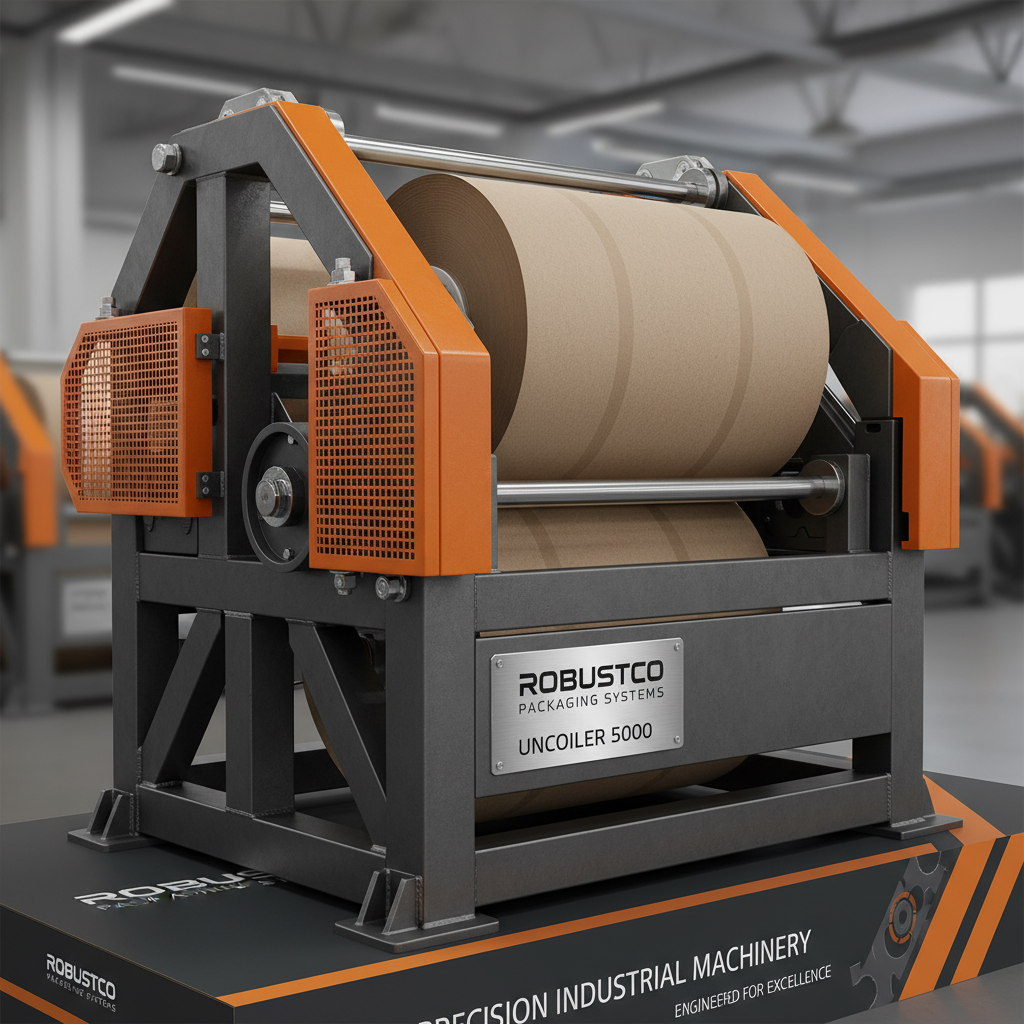
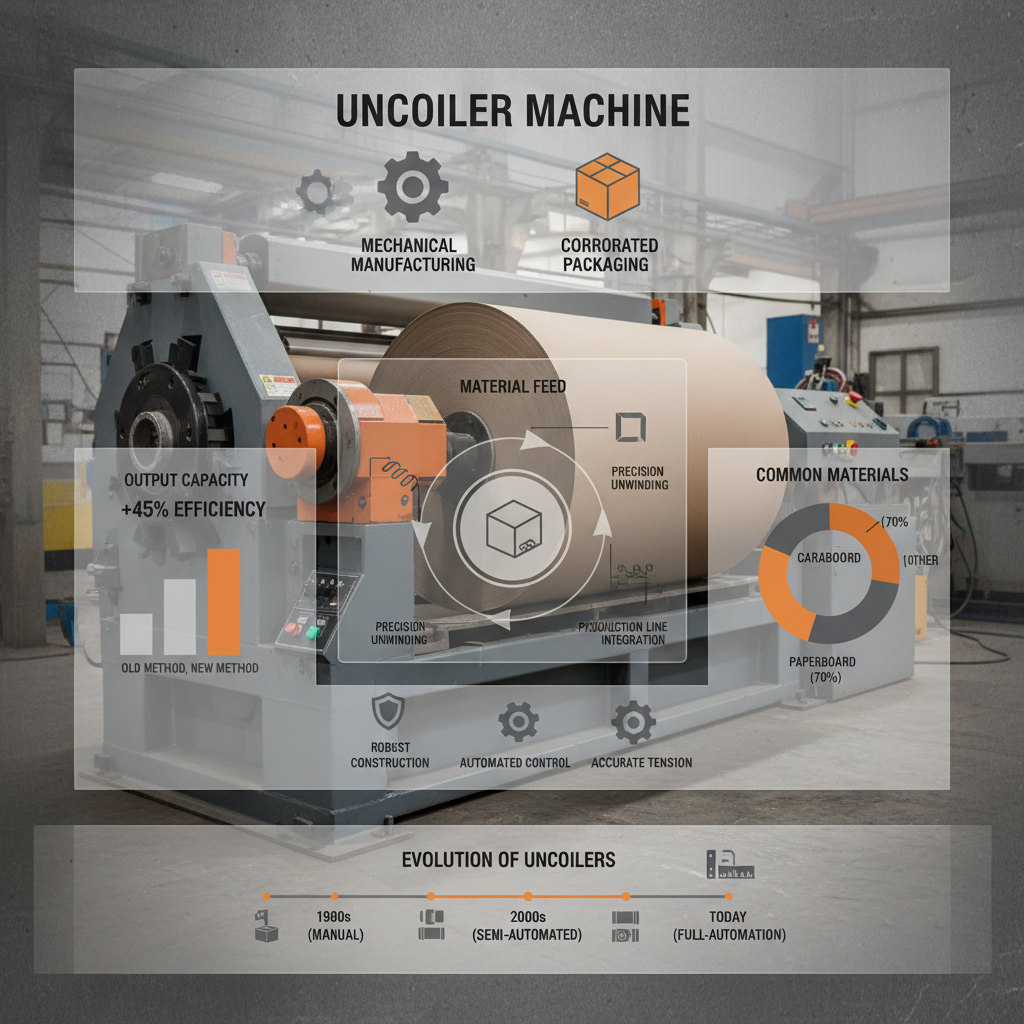
Simply put, an uncoiler machine is designed to unwind coils of metal sheet or strip, preparing it for downstream processing. Think of it as the first step in a continuous manufacturing process. It doesn't make anything, but it enables everything else to happen. It feeds material into processes like stamping, slitting, forming, and roll forming. Without it, you’re stuck with slow, labor-intensive manual handling.
Its connection to modern industry is undeniable. As manufacturing processes become more automated and demand for consistent material flow increases, the need for reliable uncoiling solutions grows. It’s a foundational element of lean manufacturing principles, reducing waste and improving overall efficiency.
And it’s not just about industry; think about infrastructure projects – bridges, pipelines, even the structural steel in our buildings. A robust uncoiler is essential for providing the consistent, high-quality material needed for these vital projects.
Key Factors Affecting Uncoiler Machine Performance
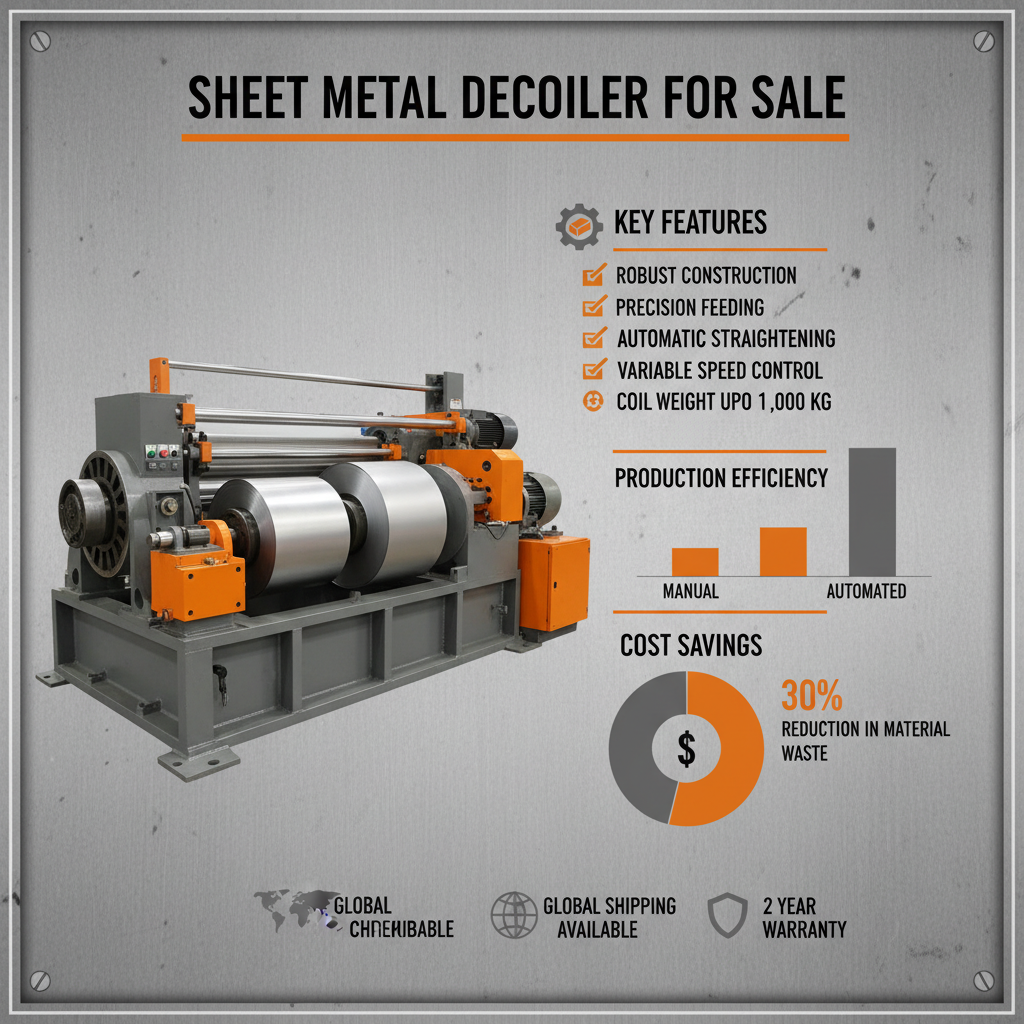
Durability is paramount. I’ve seen too many machines built with cheap materials that just can’t handle the constant stress and heavy loads. A robust frame, quality bearings, and reliable drive systems are non-negotiable. You need something built to last, not something you'll be replacing every year. A good uncoiler machine will have a solid construction.
Capacity is another critical factor. The machine needs to handle the weight and width of the coils you’re working with. Undersizing the uncoiler will lead to performance issues and potential safety hazards. Always factor in future growth and potential changes in material specifications.
Control systems matter immensely. Precise tension control is crucial for consistent material feeding and minimizing waste. Modern uncoilrs offer programmable logic controllers (PLCs) for fine-tuned adjustments and automated operation, significantly improving efficiency and reducing operator fatigue.
Global Applications and Use Cases for Uncoiler Machines
You'll find uncoiler machines in automotive plants across Europe and Asia, feeding steel into stamping presses that create body panels. In North America, they're vital for producing structural components for skyscrapers and bridges. They're even critical in the production of everyday appliances – refrigerators, washing machines, and ovens all rely on metal components processed using uncoilers.
The construction industry, globally, is a massive user. Metal roofing, siding, and structural steel all require efficient uncoiling. In developing nations, where infrastructure projects are booming, reliable uncoiling equipment is essential for supporting economic growth. I've worked on projects in Southeast Asia where the entire schedule hinged on a functioning uncoiler.
Even in specialized applications, like pipeline construction in remote areas, portable and robust uncoilers are used to deliver the necessary materials to the job site. They’re a cornerstone of modern industrial processes, wherever metal is formed and fabricated.
Uncoiler Machine Application Breakdown by Industry
Advantages and Long-Term Value of Investing in a Quality Uncoiler
The immediate benefit is cost savings. Reduced labor, less material waste, and faster production cycles all contribute to a healthier bottom line. But it goes deeper than that. A reliable uncoiler improves workplace safety by eliminating the need for manual handling of heavy coils, reducing the risk of injury.
From a sustainability perspective, minimizing material waste is crucial. A properly controlled uncoiler ensures precise material feeding, reducing scrap and conserving resources. And from a reputational standpoint, delivering projects on time and to the highest quality standards builds trust with clients and stakeholders.
Future Trends and Innovations in Uncoiler Machine Technology
We're seeing a move towards more automated and connected uncoiler systems. Integration with other factory automation systems, utilizing IoT sensors for predictive maintenance, and incorporating AI-powered control algorithms are all on the horizon. These advancements will allow for even greater efficiency and reduced downtime.
There’s also a growing focus on energy efficiency and the development of uncoilers that consume less power. As sustainability becomes increasingly important, manufacturers are looking for ways to minimize their environmental impact. I'm also seeing a trend towards more modular designs, allowing for easier customization and upgrades.
Challenges and Solutions in Uncoiler Machine Operation
One of the biggest challenges is dealing with variations in coil quality. Coil set – the tendency of the metal to curve or bend – can cause issues with material feeding and require careful adjustments. Proper coil car selection and leveling systems can help mitigate this.
Maintenance is another key concern. Regular inspection and lubrication of bearings, drive systems, and control components are essential for preventing breakdowns. Implementing a preventative maintenance schedule and training operators on proper procedures can significantly extend the life of the machine.
Finding skilled technicians who can diagnose and repair complex uncoiler systems can also be a challenge. Investing in training programs and building relationships with qualified service providers is crucial for ensuring long-term reliability.
Key Performance Indicators for Uncoiler Machine Effectiveness
| Operational Efficiency |
Maintenance Costs |
Material Waste Reduction |
Safety Incident Rate |
| Average uptime percentage (target: >95%) |
Annual maintenance cost as a % of machine value (target:
|
Reduction in scrap material per coil (target: >2%) |
Number of safety-related incidents per year (target: 0) |
| Throughput (coils processed per shift) |
Mean time between failures (MTBF) |
Cost of material waste per month |
Near-miss incident reporting rate |
| Cycle time per coil unwinding |
Cost of spare parts |
Percentage of coils requiring rework |
Operator training completion rate |
| Material yield per coil |
Preventative maintenance adherence rate |
Reduction in material handling time |
Compliance with safety regulations |
| Energy consumption per coil processed |
Labor hours spent on maintenance |
Percentage of material used in production |
Employee satisfaction with uncoiler operation |
| Overall Equipment Effectiveness (OEE) |
Return on investment (ROI) for maintenance activities |
Comparison of waste levels to industry benchmarks |
Effectiveness of safety training programs |
FAQS
That depends heavily on your current operation, but generally, you can expect to see a return on investment within 12-24 months. The savings from reduced labor costs, less material waste, and increased throughput add up quickly. A quality uncoiler machine isn't an expense, it's an investment in efficiency.
You need to consider the maximum coil weight, width, and outside diameter you’ll be handling. It’s always better to slightly overestimate your needs to accommodate future growth. Don't forget to factor in the material type – heavier gauge materials require more robust machines.
Regular lubrication of bearings and drive chains is essential. Inspect the drive system, tension control, and leveling system periodically. Establish a preventative maintenance schedule and train operators to identify potential issues early on.
Yes, many uncoilrs can handle a variety of metals. However, it's crucial to specify the materials you’ll be processing when selecting the machine. Different metals have different properties that require specific design considerations.
Look for features like emergency stop buttons, coil guards, and safety interlocks to prevent accidental operation. Proper training for operators is also vital to ensure safe operation.
Automation, through PLCs and integrated systems, allows for precise tension control, automated material feeding, and remote monitoring. This leads to increased efficiency, reduced operator fatigue, and improved product quality. Automated systems minimize human error and maximize output.
Conclusion
From my years on the ground, I can tell you unequivocally that a well-chosen uncoiler machine is a foundational element of any successful metal fabrication operation. It’s about more than just unwinding a coil; it’s about optimizing your entire process, improving safety, and building a sustainable future. Investing in quality equipment and proper maintenance will pay dividends in the long run.
Don’t underestimate the impact of this seemingly simple machine. It’s the backbone of countless industries and a critical component of modern infrastructure. If you're serious about efficiency, safety, and delivering on your promises, it's time to take a closer look at how an uncoiler can transform your operation. Visit our website at www.yowinmachine.com to learn more about our range of uncoiler solutions.