0%

Table of Contents

Let me tell you, after years spent on job sites, wrestling with materials and talking shop with the guys actually building things, the importance of a good coil decoiler can’t be overstated. It’s not some fancy piece of tech for the office; it’s the backbone of efficient metal fabrication, impacting everything from timelines to budget and, frankly, the sanity of the crew. We’re talking about consistently feeding material into presses, roll formers, or whatever the application, without the constant headaches of tangles, breaks, or downtime. It’s a fundamental.

These days, the demand is only increasing. Projects are getting bigger, tolerances tighter, and the pressure to deliver on schedule is relentless. A reliable coil decoiler isn't just a 'nice-to-have' anymore, it's a necessity for staying competitive. You see operations struggling, bleeding money and time because they're still relying on outdated or inadequate systems. They’re chasing their tails trying to keep things running, when they should be focusing on quality and innovation.

What I’ve learned is that it’s about more than just raw capacity. It's about understanding how the whole process integrates – from the incoming coil to the finished product. A solid system allows for a smoother workflow, fewer material defects, and, ultimately, a better end result. That's what clients care about, and that’s what keeps us in business.
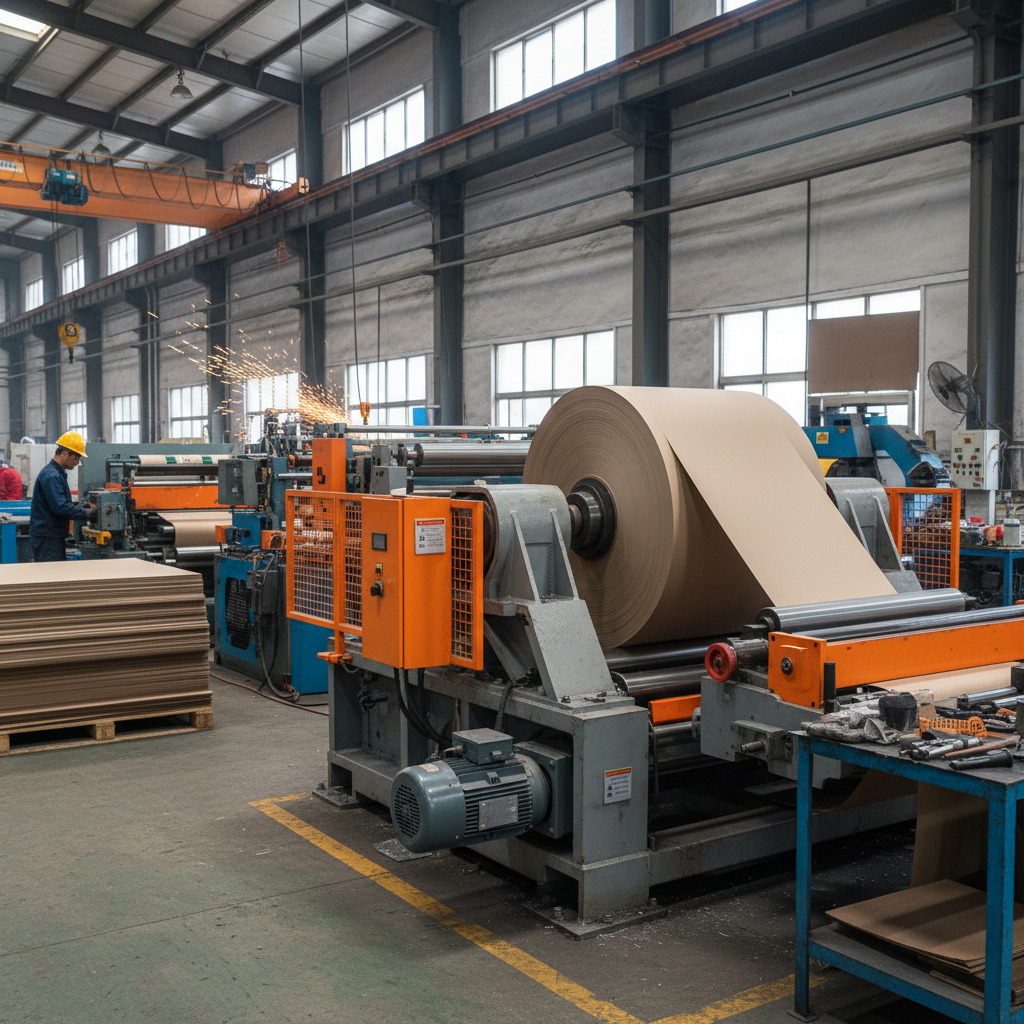
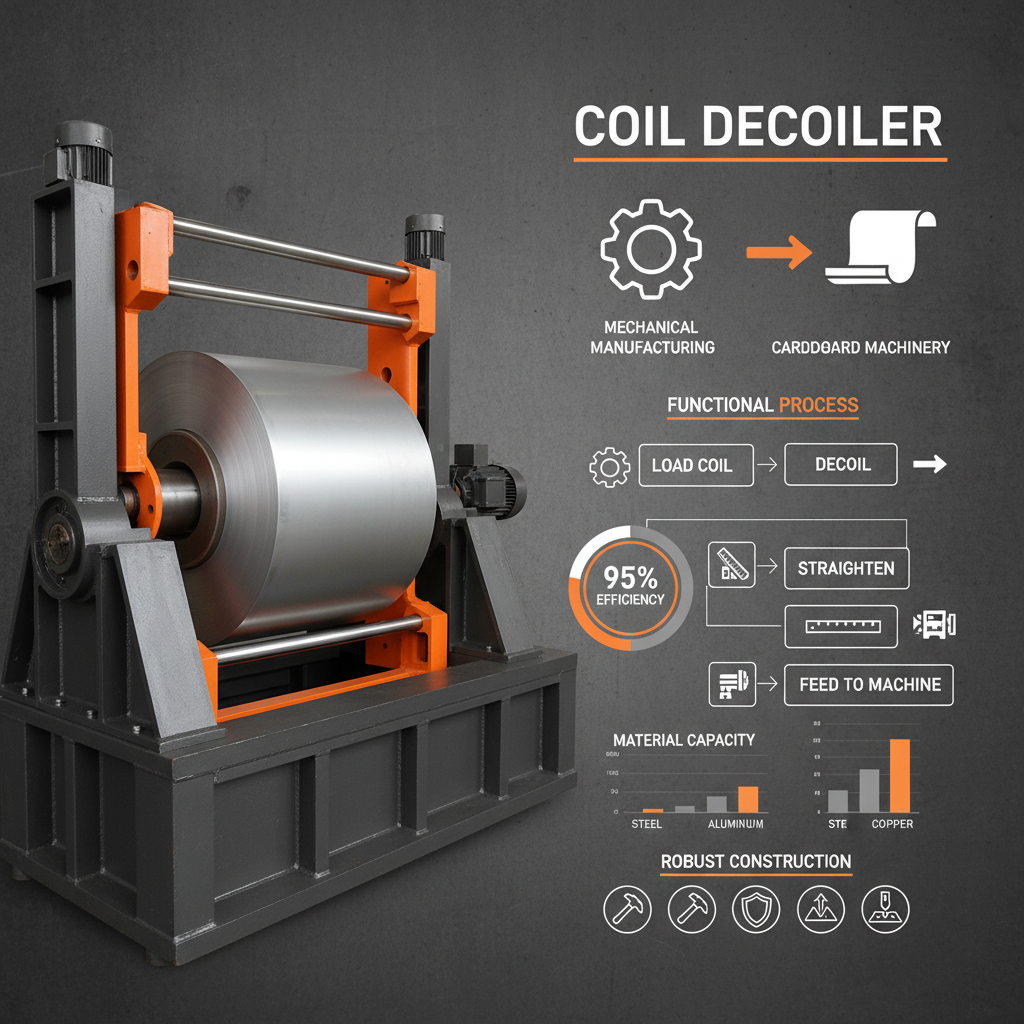
Optimizing Metal Fabrication with a Reliable Coil Decoiler System

The Core Principles of coil decoiler Operation

Optimizing Metal Fabrication with a Reliable Coil Decoiler System

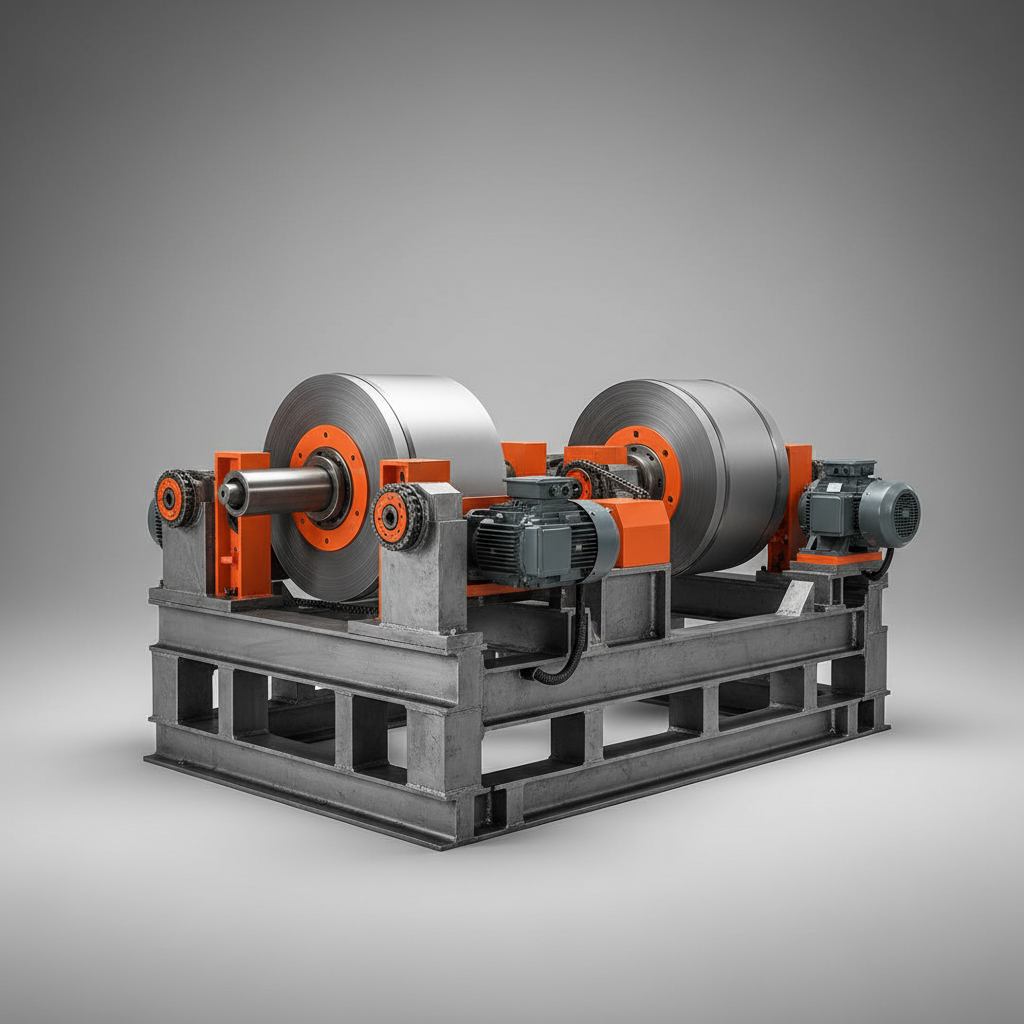
At its heart, a coil decoiler is about safely and efficiently unwinding coiled metal. Seems simple, right? But there’s a lot going on under the hood. It’s about managing tension, controlling speed, and ensuring a consistent feed. Poor tension control leads to material wrinkles, breaks, and wasted time. I've seen crews spend hours troubleshooting a simple tension issue.

What you’re really looking for is a system that can handle the specific material you’re working with – the gauge, the width, the type of metal. Each material behaves differently, and the coil decoiler needs to be appropriately configured to avoid issues. It’s not one-size-fits-all.

Global Demand and the coil decoiler Market

The construction and manufacturing industries worldwide are booming, especially in developing economies. That translates to a massive demand for metal, and consequently, for reliable coil decoilers. Look at infrastructure projects in Southeast Asia or the rapid growth of the automotive sector in India – these all need efficient metal processing.

The global coil decoiler market is projected to see steady growth over the next decade, driven by these factors. According to recent industry reports, the demand for high-performance decoilers is particularly strong, as manufacturers focus on automation and reducing downtime. ISO standards are also playing a role, pushing companies toward more robust and reliable equipment.

What’s interesting is the increasing need for customized solutions. Every project is different, and buyers are looking for coil decoilers tailored to their specific needs, rather than off-the-shelf options. This puts a premium on manufacturers who can offer engineering expertise and flexible designs.

Defining the coil decoiler: A Practical Perspective

Put simply, a coil decoiler is a machine designed to unwind metal coils efficiently and continuously. It's the first step in many metal forming processes. Think of it like this: you wouldn't try to hand-feed a massive sheet metal coil into a press; it's too dangerous and inefficient. That’s where the decoiler comes in.

What separates a good decoiler from a bad one isn’t just the mechanics; it’s the control system. The ability to precisely adjust the unwind speed and tension is critical. You need to be able to synchronize it with the downstream equipment to prevent bottlenecks or material damage. It has to be intuitive and responsive.

It’s also crucial to consider the coil car system. How easy is it to load and unload coils? Can it handle different coil weights and diameters? These seemingly small details can have a huge impact on productivity. I’ve seen setups where changing a coil takes half a day – a total waste of time and money.

Key Performance Indicators for coil decoiler Selection

When evaluating a coil decoiler, you need to focus on a few key metrics. First is coil capacity – the maximum weight and diameter it can handle. Next is unwind speed – how quickly it can feed material into the downstream process.

But beyond those basics, look at the tension control system. A precise and responsive tension control system is paramount. Also consider the level of automation – can it automatically adjust the tension based on material properties or downstream demands?

coil decoiler Performance Metrics


Real-World Applications of coil decoiler Technology

You’ll find coil decoilers in a huge range of industries. In automotive manufacturing, they’re used to process sheet metal for car bodies and components. In construction, they're essential for roll forming metal roofing and siding.

And it’s not just large-scale operations. Even smaller fabrication shops use decoilers to increase efficiency and reduce labor costs. The key is matching the right coil decoiler to the specific application and production volume.

The Long-Term Value and ROI of a coil decoiler

Let’s be honest, a good coil decoiler isn't cheap. But when you factor in the reduced labor costs, increased material utilization, and minimized downtime, the ROI is significant.

The biggest savings come from eliminating manual handling of coils. It frees up your crew to focus on more skilled tasks, and it reduces the risk of injuries. It also minimizes material waste, which can add up quickly over time. A well-maintained decoiler will provide years of reliable service.

It’s an investment in efficiency, safety, and ultimately, profitability. I’ve seen operations completely transform their production process just by upgrading their coil decoiler system.

Future Trends and Innovations in coil decoiler Design

We’re starting to see more integration of automation and IoT technologies in coil decoilers. Remote monitoring, predictive maintenance, and automated tension control are becoming increasingly common. This allows for real-time data analysis and proactive troubleshooting.

Another trend is the development of more energy-efficient decoilers. Manufacturers are focusing on reducing power consumption and minimizing environmental impact. We're also seeing advancements in materials and coatings, leading to more durable and corrosion-resistant machines.

The future of coil decoilers is about smart, connected machines that optimize performance and minimize downtime. It’s about making the entire metal fabrication process more efficient and sustainable.

Core Analysis of Decoiler Challenges and Solutions

Challenge Area Impact on Operation Potential Solution Implementation Cost (1-10)
Material Handling Increased labor costs, risk of injury. Automated coil loading/unloading systems. 7
Tension Control Material wrinkles, breaks, inconsistent feed. Advanced closed-loop tension control systems. 8
Downtime for Maintenance Lost production time, increased costs. Predictive maintenance programs with remote monitoring. 6
Compatibility with Materials Inability to process certain materials efficiently. Modular decoiler designs with adjustable components. 5
Integration with Automation Difficulty connecting to existing production lines. Standardized communication protocols (e.g., Modbus, Ethernet/IP). 4
Operator Skill Level Incorrect setup, inefficient operation. User-friendly interface with guided setup procedures. 3

FAQS

What factors should I consider when choosing a coil decoiler for a specific material like stainless steel?

When working with stainless steel, tension control is paramount to prevent scratching or damage to the surface. Look for a decoiler with a robust tension control system, adjustable roll stands, and potentially a soft roll coating. The decoiler's capacity needs to match the coil weight and width you'll be handling. Also, consider the material’s temper – some stainless steel grades are more sensitive than others. Properly configured and maintained, a quality coil decoiler will minimize defects and maximize yield.

How often does a coil decoiler typically require maintenance, and what does that involve?

Regular maintenance is key to preventing downtime. At a minimum, you should inspect the bearings, gears, and tension control system monthly. Lubricate moving parts as needed. Annually, a more thorough inspection should be conducted, including checking for wear and tear on the rolls, and calibrating the tension control. Proper maintenance extends the life of the coil decoiler and ensures consistent performance. Don't skimp on this – it's cheaper than a breakdown!

What’s the difference between a single-drum and a multi-drum coil decoiler?

A single-drum decoiler is simpler and generally used for lighter coils and lower production volumes. A multi-drum decoiler (typically two or three drums) provides better support for heavier coils and wider materials, resulting in more stable tension control. Multi-drum decoilers are ideal for high-speed, high-volume applications. The choice depends on your specific needs and budget. Remember, a stable unwind is essential for quality output.

How can I ensure the coil decoiler is properly aligned with my downstream equipment?

Proper alignment is crucial for a smooth material flow. Start by leveling the decoiler and downstream equipment. Use laser alignment tools to verify the alignment of the roll stands and ensure they're parallel. Periodically check the alignment during operation and make adjustments as needed. Misalignment can lead to material jams, damage, and reduced efficiency. A little bit of effort here can save you a lot of headaches later.

What safety features should I look for in a coil decoiler?

Safety should always be a top priority. Look for features like coil containment guards, emergency stop buttons, and light curtains to prevent access to moving parts. Ensure the decoiler has a robust braking system to prevent runaway coils. Regular safety training for operators is also essential. A safe working environment is a productive working environment. Remember, a coil decoiler deals with heavy material – respect the potential hazards.

How does automation impact the efficiency of a coil decoiler?

Automation significantly boosts efficiency. Features like automatic tension control, coil loading/unloading, and synchronized speed adjustments reduce manual labor, minimize errors, and increase throughput. Remote monitoring and diagnostics allow for proactive maintenance and faster troubleshooting. While the initial investment is higher, the long-term ROI from automation is often substantial. It frees up your skilled workforce to focus on higher-value tasks.

Conclusion

From the job site perspective, a coil decoiler isn’t just a machine; it’s a critical component of a streamlined, efficient, and safe metal fabrication process. Choosing the right model, prioritizing regular maintenance, and embracing new technologies are all vital for maximizing your investment and staying competitive in today’s demanding market. It’s about more than just unwinding coils; it’s about optimizing your entire operation.

Looking ahead, the future of coil decoiler technology will be driven by automation, data analytics, and a focus on sustainability. Manufacturers who can deliver smart, connected machines that improve efficiency and reduce environmental impact will be best positioned for success. For more information and to explore the right solution for your needs, visit our website: www.yowinmachine.com


Michael Brown

Michael Brown

Michael Brown is a Production Supervisor at Hebei Yowin Machinery Technology Co., Ltd, overseeing the quality control and assembly of machines destined for the US market. He has a strong background in manufacturing and a keen eye for detail, ensuring that all machines meet stringent quality standards before shipment. Michael
Previous Investing in a Reliable Uncoiler Machine for Enhanced Fabrication Efficiency
Next Optimizing Steel Coil Processing with a Reliable Hydraulic Decoiler Machine