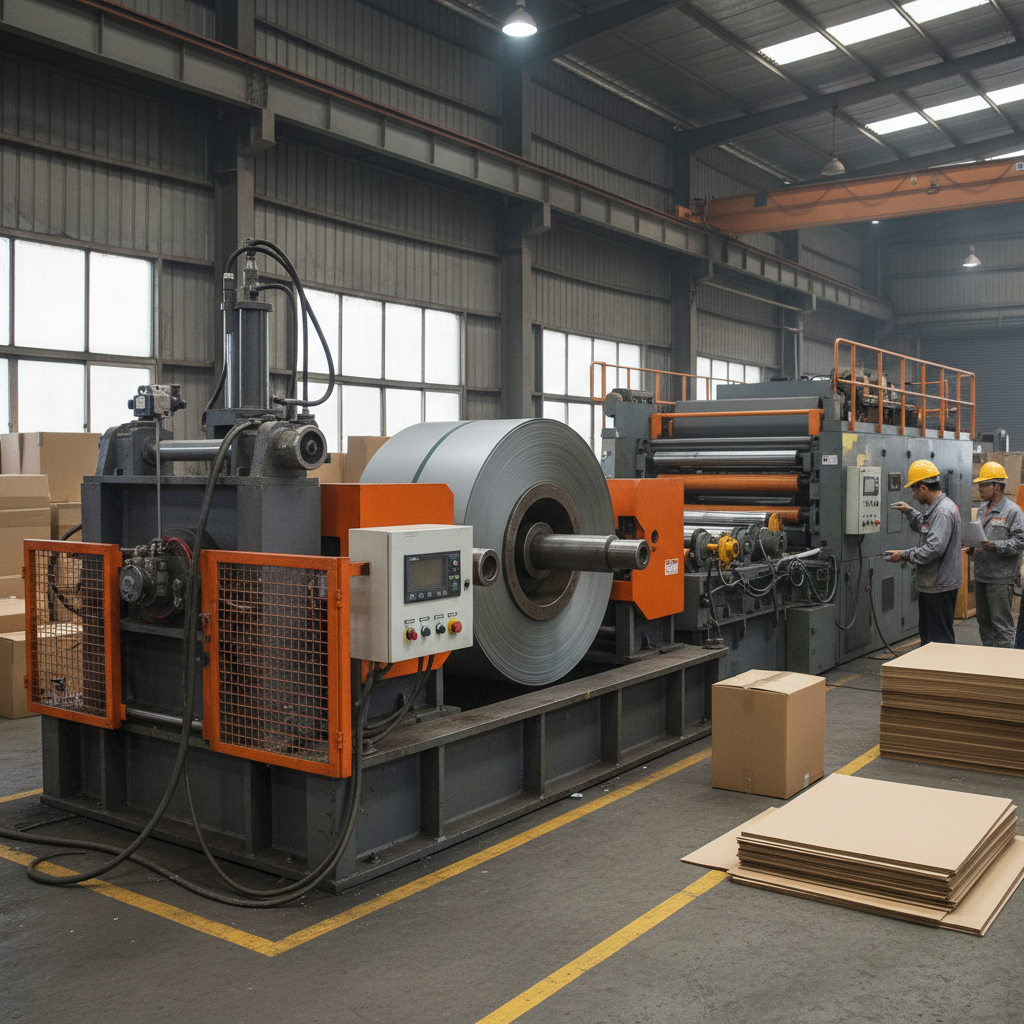
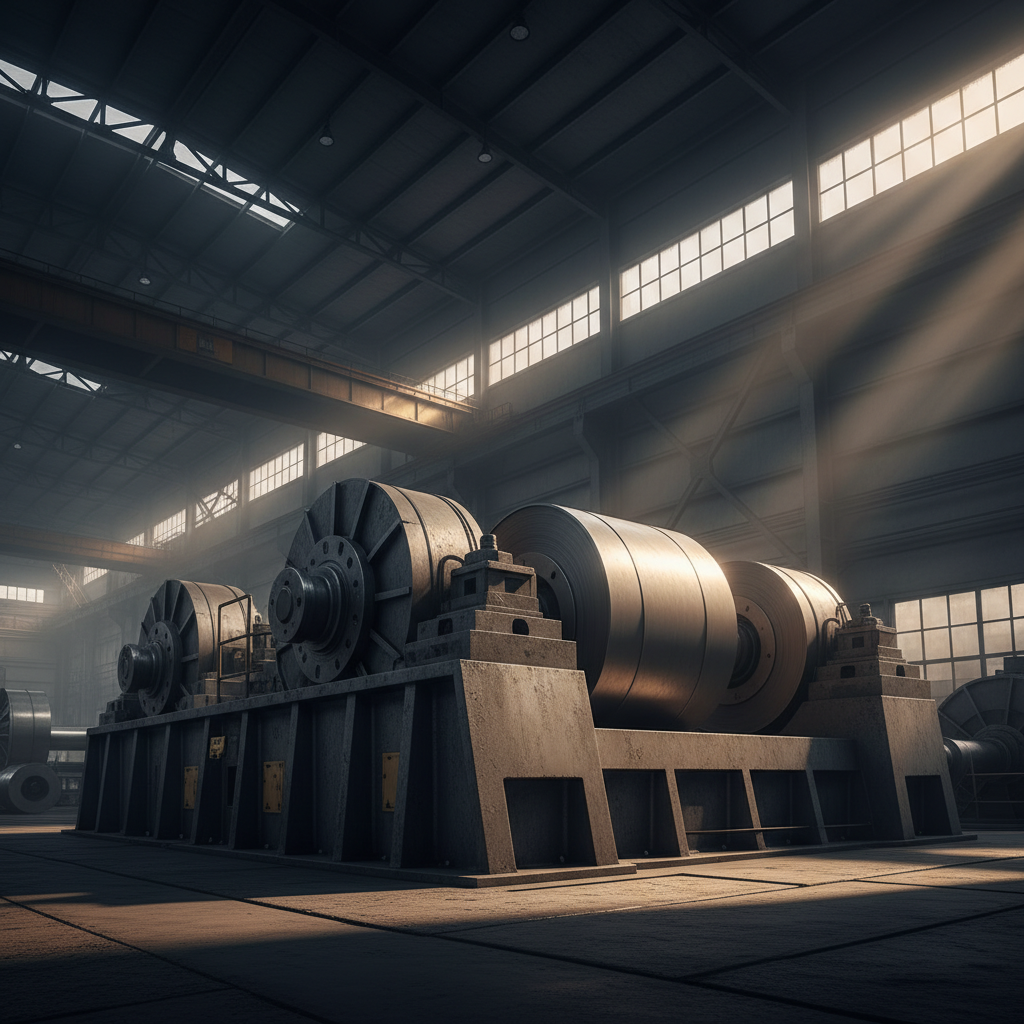
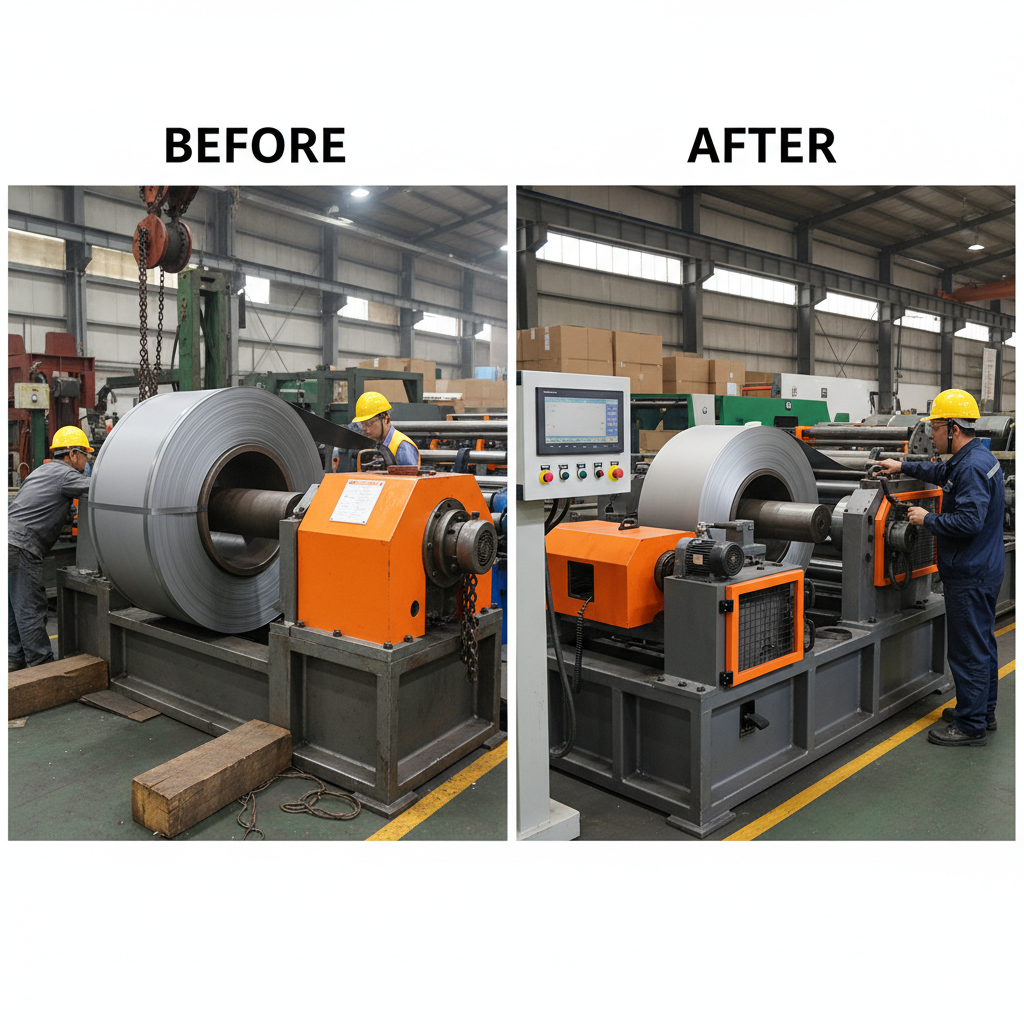
Look, I've spent the last fifteen years breathing concrete dust and arguing with engineers on job sites. When it comes to moving steel coil, you quickly learn what works and what doesn't. And let me tell you, a reliable hydraulic decoiler machine isn't just a nice-to-have – it's the backbone of keeping a project on schedule and within budget. It's about more than just unrolling metal; it’s about safety, efficiency, and reducing headaches for everyone involved. We're talking about significant cost savings when you're minimizing downtime and wasted material.
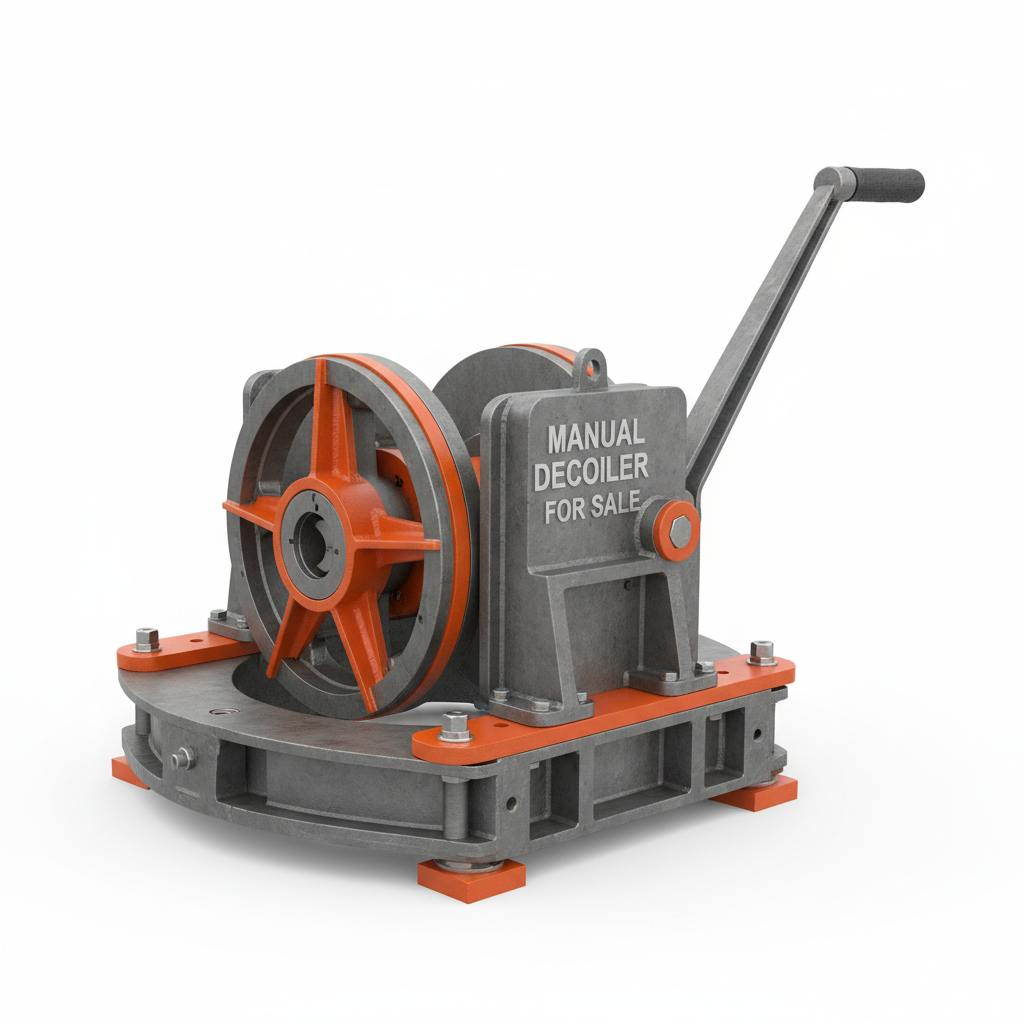
Too often, I've seen projects held up because of issues with coil handling. Manual decoiling is slow, dangerous, and inconsistent. Trying to finesse a multi-ton coil by hand? Forget about it. Then you get into mechanical decoilers, which can be okay, but lack the precise control needed for a lot of applications. A good hydraulic decoiler machine delivers consistent tension, handles a wide range of coil weights and widths, and crucially, does it safely. That means fewer injuries, less material damage, and a smoother workflow.
The ripple effect of a reliable coil processing setup is huge. It impacts everything from the welding and forming stages to the final product quality. We're talking about avoiding costly rework, meeting tight deadlines, and ultimately, building a reputation for delivering on promises. That's why I always push for investing in a quality hydraulic decoiler machine – it pays for itself in the long run.
The Core Role of Hydraulic Decoiler Machine in Modern Manufacturing
The global manufacturing landscape relies heavily on efficient material handling. Steel, aluminum, and other metals arrive in coils, and the process of unwinding and preparing these coils for further processing is critical. That's where the hydraulic decoiler machine steps in. It's not just a piece of equipment; it's a linchpin in the supply chain, impacting everything from automotive production to construction and appliance manufacturing. According to a report by the World Steel Association, global steel demand is projected to grow, making efficient coil processing even more vital.
From my experience on site, the biggest bottleneck often isn't the welding or the forming – it's getting the material to those stages reliably. A stalled decoiler means idle workers, missed deadlines, and a frustrated team. The demand for consistently high-quality metal products necessitates a robust and dependable coil handling solution. The ISO standards for material traceability and quality control also push manufacturers toward systems that minimize material damage and ensure accurate processing, further solidifying the role of the hydraulic decoiler machine.
Understanding Hydraulic Decoiler Machine: A Definition
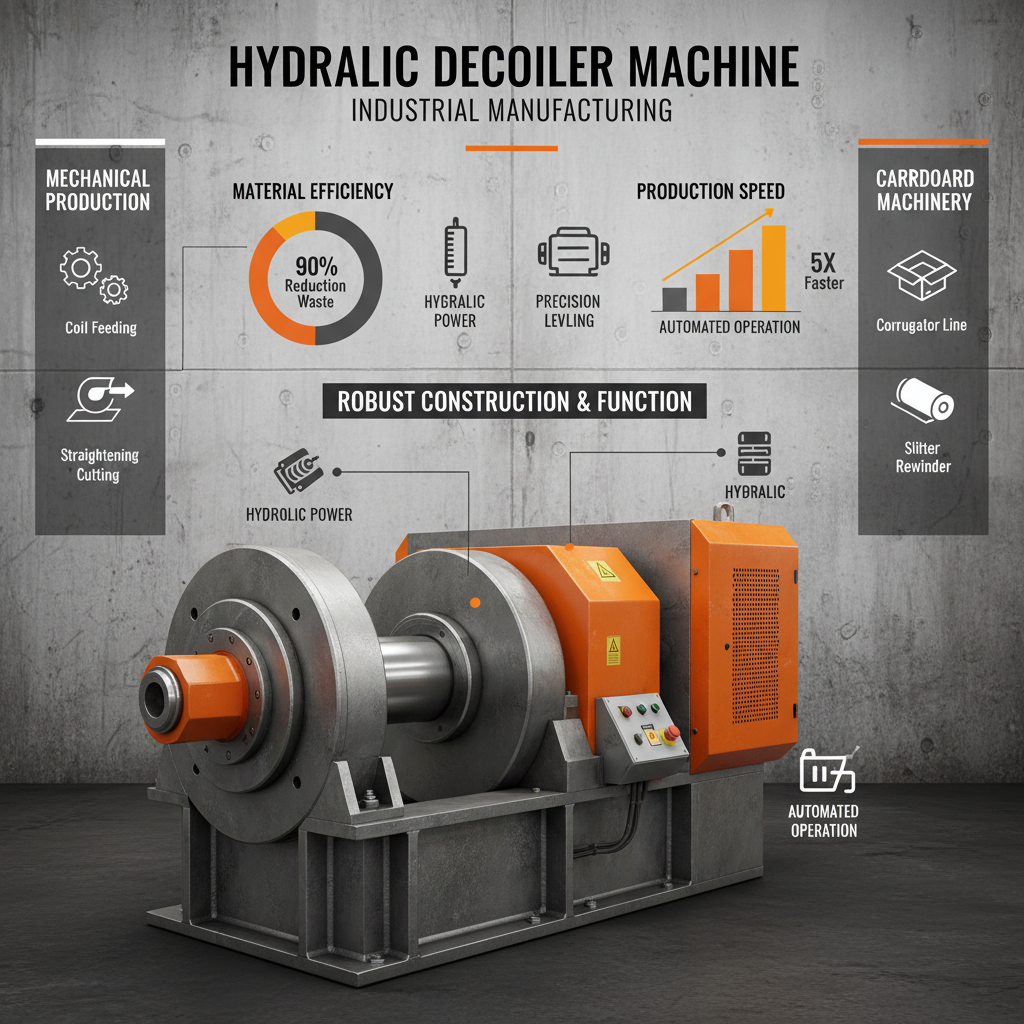
Simply put, a hydraulic decoiler machine uses hydraulic power to unwind and feed metal coils. Unlike manual or mechanical systems, it employs fluid pressure to provide precise control over tension and speed. This is crucial for preventing material damage like kinking, scratching, or uneven feeding. It's a self-contained unit that’s designed to handle the weight and complexities of large metal coils.
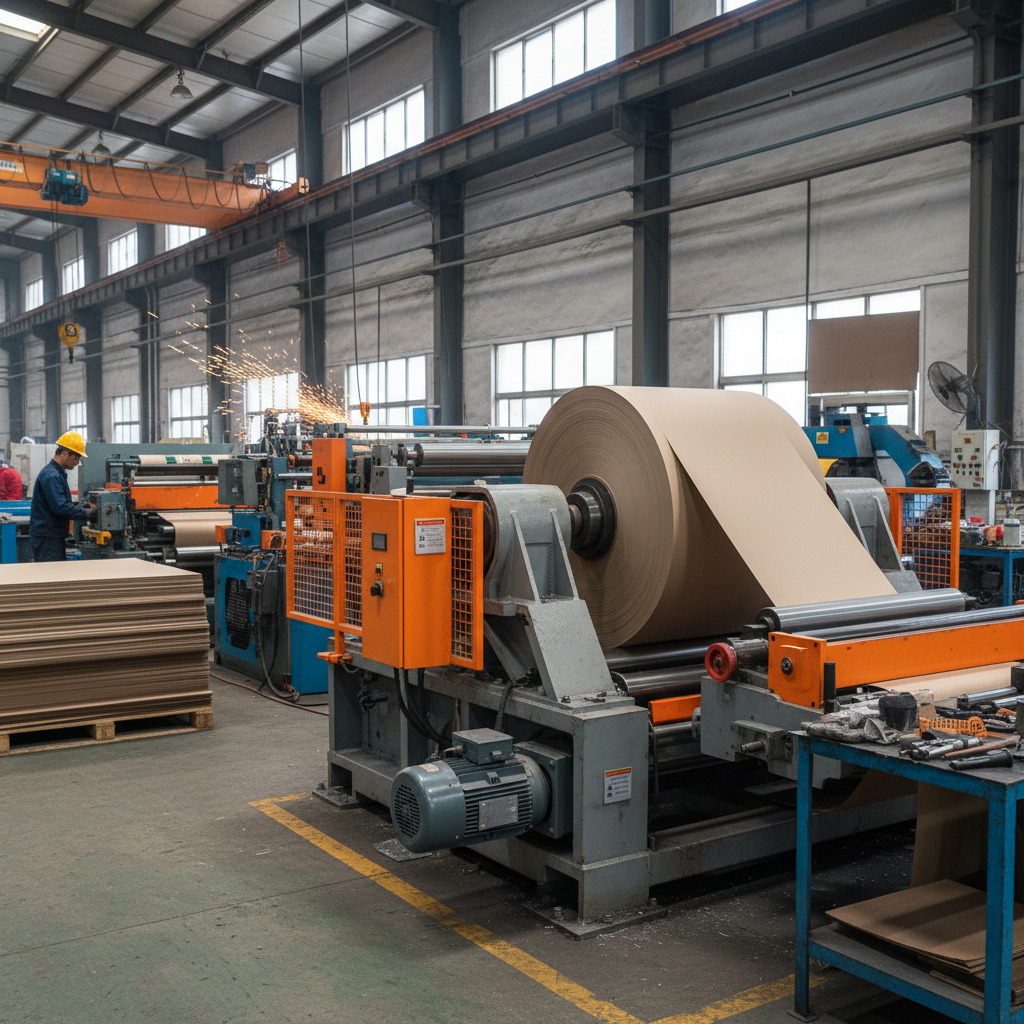
The connection to modern industry is undeniable. Nearly every sector that utilizes sheet metal – from the automotive industry producing car bodies, to the construction sector building steel structures, to the appliance industry fabricating refrigerators and washing machines – relies on this technology. It's a fundamental component in streamlining production, improving quality, and reducing labor costs. A well-maintained hydraulic decoiler machine ensures a consistent material flow, which is the key to maximizing throughput.
And let's not forget the humanitarian applications. Disaster relief efforts often require rapid deployment of metal shelters or prefabricated structures. A portable hydraulic decoiler machine can be invaluable in quickly processing the necessary metal sheeting on-site.
Key Factors Driving Hydraulic Decoiler Machine Performance
First and foremost, Durability is paramount. These machines take a beating. Constant cycling, heavy loads, and demanding environments require robust construction and high-quality components. I’ve seen machines built with inferior materials fall apart within a couple of years. A solid frame and reliable hydraulics are non-negotiable.
Next, Capacity matters. You need a machine that can handle the weight and width of the coils you’re working with. Under-specifying a machine leads to frequent overloading and premature failure. Then there's Precision. Consistent tension control is vital for achieving accurate forming and welding. Hydraulic systems excel at providing that level of control. Automation features, like automatic tension control and coil centering, further enhance efficiency and reduce operator fatigue. Finally, Maintenance accessibility is key. Easy access to key components for routine maintenance and repairs minimizes downtime and keeps things running smoothly.
These factors directly impact practical applications. For example, in high-volume automotive manufacturing, a machine with high capacity and automated features is essential to keep up with production demands. In smaller fabrication shops, a more compact and versatile machine might be preferable. Ultimately, the ideal machine depends on the specific needs of the application and the type of materials being processed.
Ignoring these considerations can lead to significant problems. Inconsistent tension can result in warped metal, inaccurate cuts, and costly rework. Frequent breakdowns disrupt production schedules and increase maintenance costs. That's why it's essential to carefully evaluate these factors when selecting a hydraulic decoiler machine.
Global Applications of Hydraulic Decoiler Machine
You’ll find these machines in action all over the globe. In the automotive industry, particularly in regions like Germany and Japan, they are crucial for producing consistent, high-quality car body panels. In the construction sector, from the skyscrapers of Dubai to the infrastructure projects in China, they’re used to process the steel sheeting for cladding and structural components.
In the United States, appliance manufacturers heavily rely on hydraulic decoilers for producing refrigerator casings, washing machine drums, and other metal components. Even in emerging economies, like Brazil and India, the demand for these machines is growing rapidly as manufacturing sectors expand. They're even used in niche applications, like the production of metal roofing for agricultural buildings and the fabrication of metal containers for shipping and storage.
The versatility of these machines makes them adaptable to a wide range of industries and regions. I’ve even seen them used in remote mining operations, processing metal for on-site repairs and infrastructure development.
Hydraulic Decoiler Machine Performance Metrics
Advantages and Long-Term Value of Hydraulic Decoiler Machine
The tangible benefits are clear: reduced labor costs, increased production throughput, and minimized material waste. But the long-term value goes beyond those numbers. A reliable hydraulic decoiler machine improves workplace safety by eliminating the need for manual coil handling, reducing the risk of injuries. That's a big one, from both a human and a legal standpoint.
From a sustainability perspective, minimizing material waste contributes to a more environmentally responsible manufacturing process. Plus, the precision and control offered by these machines lead to higher-quality products with fewer defects, reducing the need for rework and conserving resources. Investing in a quality machine isn’t just a cost; it's an investment in your company's reputation and long-term success.
Future Trends in Hydraulic Decoiler Machine Technology
We're seeing a move towards smarter machines, integrated with sensors and data analytics. This allows for predictive maintenance, identifying potential problems before they cause downtime. Remote monitoring and diagnostics are becoming increasingly common, allowing technicians to troubleshoot issues remotely.
There’s also a growing focus on energy efficiency, with manufacturers developing hydraulic systems that consume less power. And the integration of automation technologies, like robotic coil loading and unloading systems, is further streamlining the coil processing workflow. Expect to see more machines capable of handling a wider variety of materials, including high-strength steels and aluminum alloys.
Challenges and Solutions in Hydraulic Decoiler Machine Implementation
One common challenge is proper installation and commissioning. These machines are complex, and incorrect setup can lead to performance issues and safety hazards. That’s why it’s crucial to work with experienced technicians who understand the intricacies of hydraulic systems.
Another challenge is maintaining consistent hydraulic fluid levels and ensuring the fluid remains clean. Contamination can damage hydraulic components and reduce efficiency. Implementing a regular fluid maintenance schedule and using high-quality filters is essential. Finally, operator training is paramount. Operators need to understand the machine's features and limitations to operate it safely and effectively.
Table Summarizing Hydraulic Decoiler Machine Maintenance & Troubleshooting
| Issue |
Likely Cause |
Severity (1-10) |
Recommended Solution |
| Inconsistent Tension |
Low hydraulic fluid level |
6 |
Check and top up hydraulic fluid |
| Slow Uncoiling Speed |
Contaminated hydraulic fluid |
7 |
Replace hydraulic fluid and filter |
| Excessive Noise |
Worn hydraulic pump |
8 |
Inspect and replace hydraulic pump |
| Coil Slippage |
Incorrect coil centering |
5 |
Re-center the coil |
| Machine Shutdown |
Overheating |
9 |
Check cooling system and hydraulic fluid level |
| Unresponsive Controls |
Faulty solenoid valve |
7 |
Inspect and replace solenoid valve |
FAQS
Hydraulic decoilers utilize fluid power for precise tension control and handling of heavier coils, while mechanical decoilers rely on gears and levers. Hydraulic systems offer greater versatility, smoother operation, and reduced risk of material damage. Mechanical systems are generally less expensive upfront but may lack the precision and capacity needed for demanding applications.
Regular preventative maintenance is crucial for extending the lifespan of your machine. At a minimum, you should check and top up hydraulic fluid levels, inspect hoses and fittings for leaks, and replace filters every 3-6 months. A more thorough inspection should be performed annually by a qualified technician.
Hydraulic decoilers come in a wide range of sizes and capacities. Typical models can handle coil widths from a few inches to over 72 inches, and coil weights from a few thousand pounds to over 50,000 pounds. It's important to select a machine that matches your specific material and production requirements.
Always follow the manufacturer's safety guidelines. Ensure that all guards are in place and functioning correctly. Wear appropriate personal protective equipment, including safety glasses and gloves. Never attempt to repair or adjust the machine while it's in operation. Ensure operators are properly trained.
Lead times can vary depending on the manufacturer, the machine's complexity, and current demand. Typically, you can expect a lead time of 8-12 weeks for a standard machine, and longer for custom configurations. It's always best to plan ahead and order well in advance of your required delivery date.
Common issues include inconsistent tension, slow uncoiling speed, and excessive noise. Start by checking hydraulic fluid levels and filter condition. Consult the machine's manual for troubleshooting guides. If you're unable to resolve the issue, contact a qualified technician.
Conclusion
In closing, the hydraulic decoiler machine is a cornerstone of modern metal processing. Its impact extends far beyond simply unrolling coils; it's about driving efficiency, enhancing safety, and improving product quality. From automotive manufacturing to construction, these machines are essential for keeping industries moving forward.
Investing in a reliable hydraulic decoiler isn’t just a capital expenditure; it’s a strategic decision that yields long-term benefits. By prioritizing durability, capacity, precision, and regular maintenance, manufacturers can maximize the return on their investment and ensure a smooth, productive, and safe operation. For more information and to explore the best hydraulic decoiler solutions for your needs, visit our website: www.yowinmachine.com.