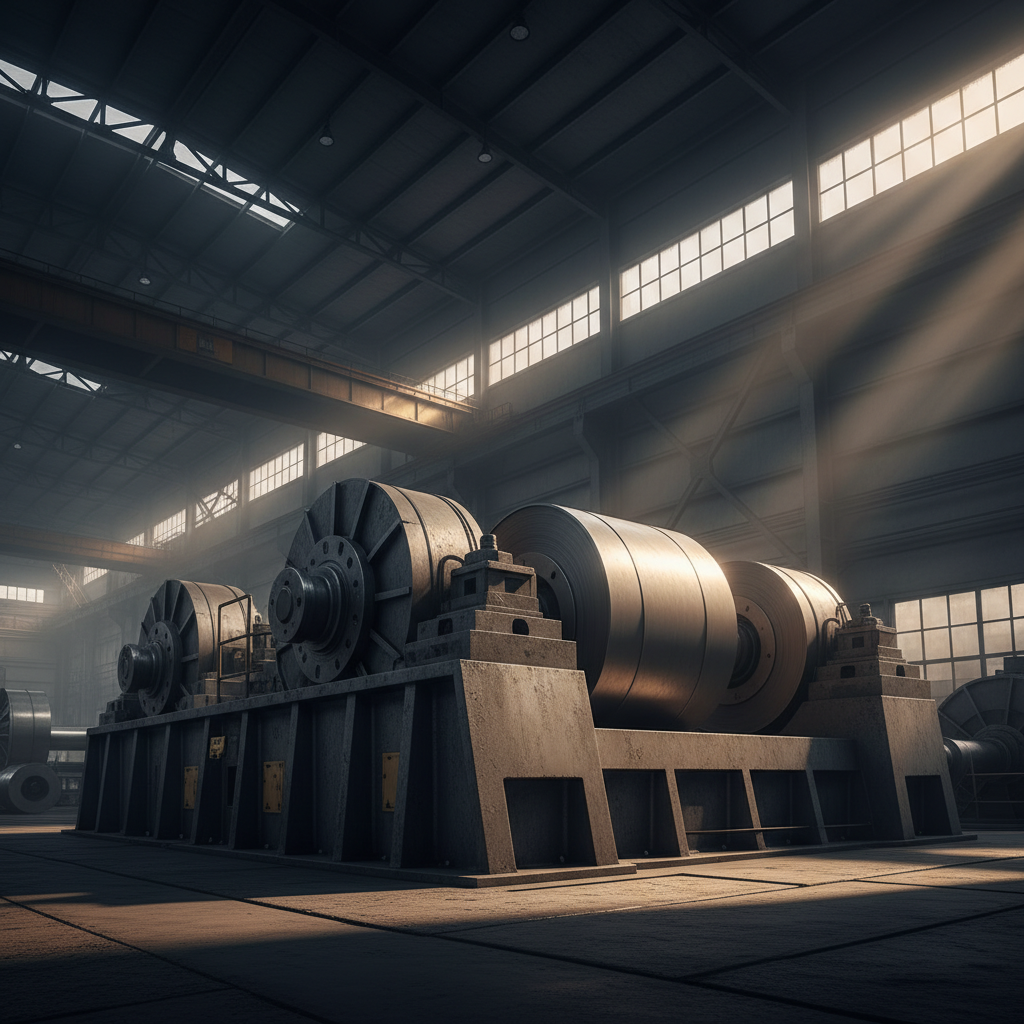
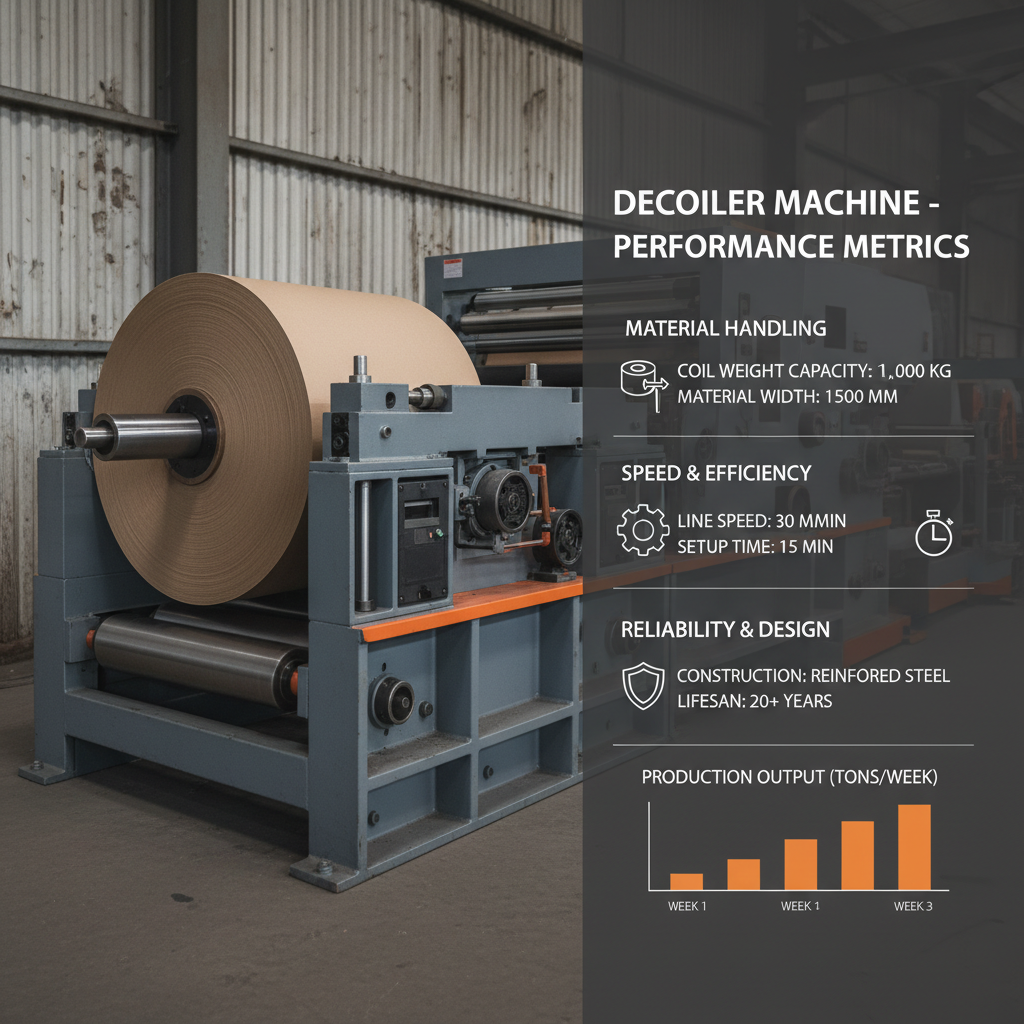
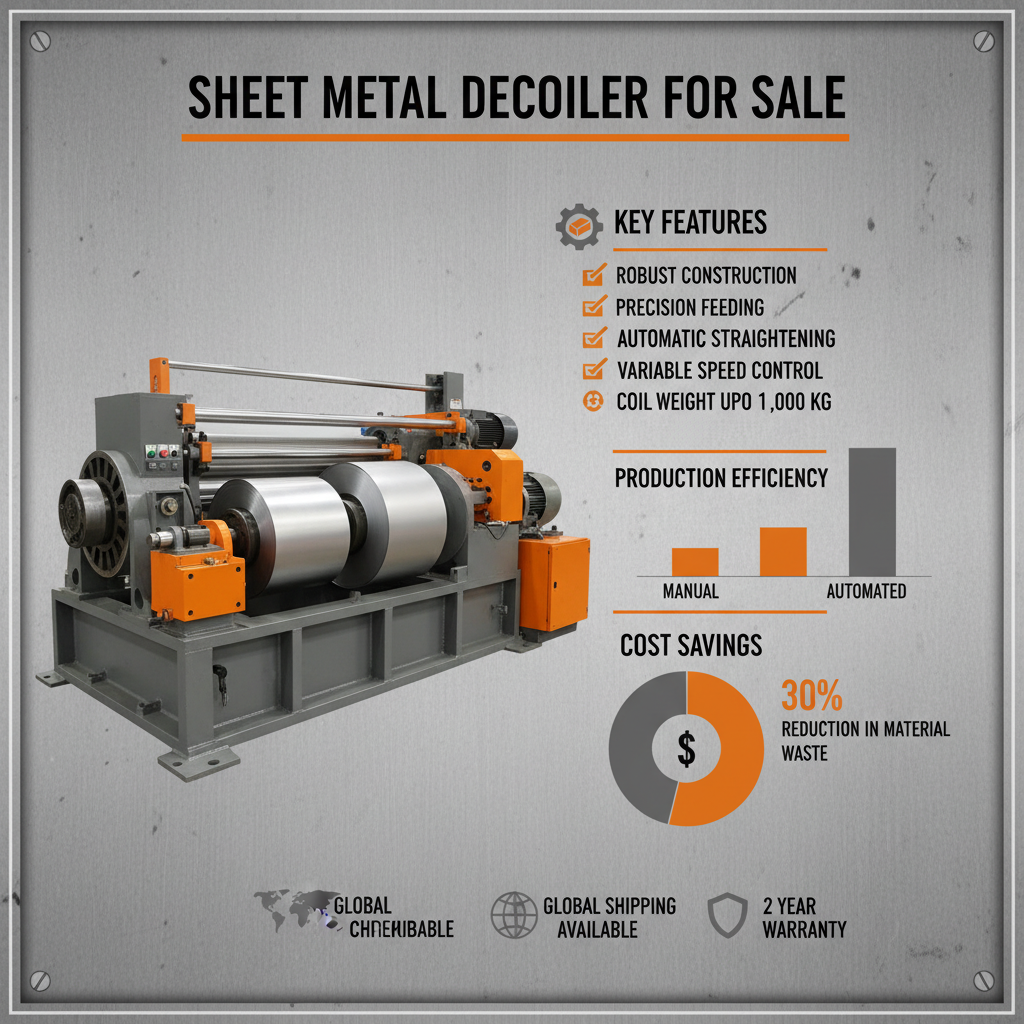
The world of metal fabrication and processing relies heavily on efficient material handling. From massive steel coils destined for automotive manufacturing to lighter-gauge metals used in construction, getting that raw material from delivery truck to production line without bottlenecks is critical. That's where the decoiler machine comes in. It’s not just a piece of equipment; it’s the backbone of productivity for so many industries. I’ve spent enough time on shop floors to see the chaos that ensues when a decoiler is underperforming or, worse, absent altogether. It impacts everything downstream.
We're talking about a multi-billion dollar global market driven by constant demand in manufacturing, construction, and infrastructure development. The UN estimates global construction will reach $8 trillion by 2030, and a huge portion of that relies on efficiently processing sheet metal. A slowdown in any one of these sectors ripples throughout the supply chain. I've seen projects stalled because a supplier couldn’t get their material uncoiled fast enough, costing companies serious money.
Simply put, a decoiler machine unwinds coiled metal – steel, aluminum, stainless steel, you name it – and feeds it into subsequent processes like stamping, forming, or welding. It’s a deceptively simple concept, but getting it right requires a deep understanding of material properties, mechanical engineering, and, frankly, a good dose of practical experience. I’ve seen too many 'solutions' that looked good on paper but fell apart the moment they hit the real world.
The Importance of Decoiler Machines in Modern Industry
I’ve seen firsthand how a reliable decoiler machine is the linchpin of a smooth production process. It's not just about speed; it's about consistency and minimizing downtime. A poorly maintained or incorrectly sized decoiler can lead to material damage, safety hazards, and ultimately, lost profits. I’ve been called in on more than one occasion to troubleshoot issues where the root cause was simply a mismatch between the coil weight and the decoiler’s capacity.
From a logistical standpoint, a good decoiler setup allows for better material flow, reduced handling, and improved workplace organization. Think about the space saved compared to manually handling and stacking coils. And in today’s world, that’s a huge win.
Defining the Decoiler Machine: A Core Component
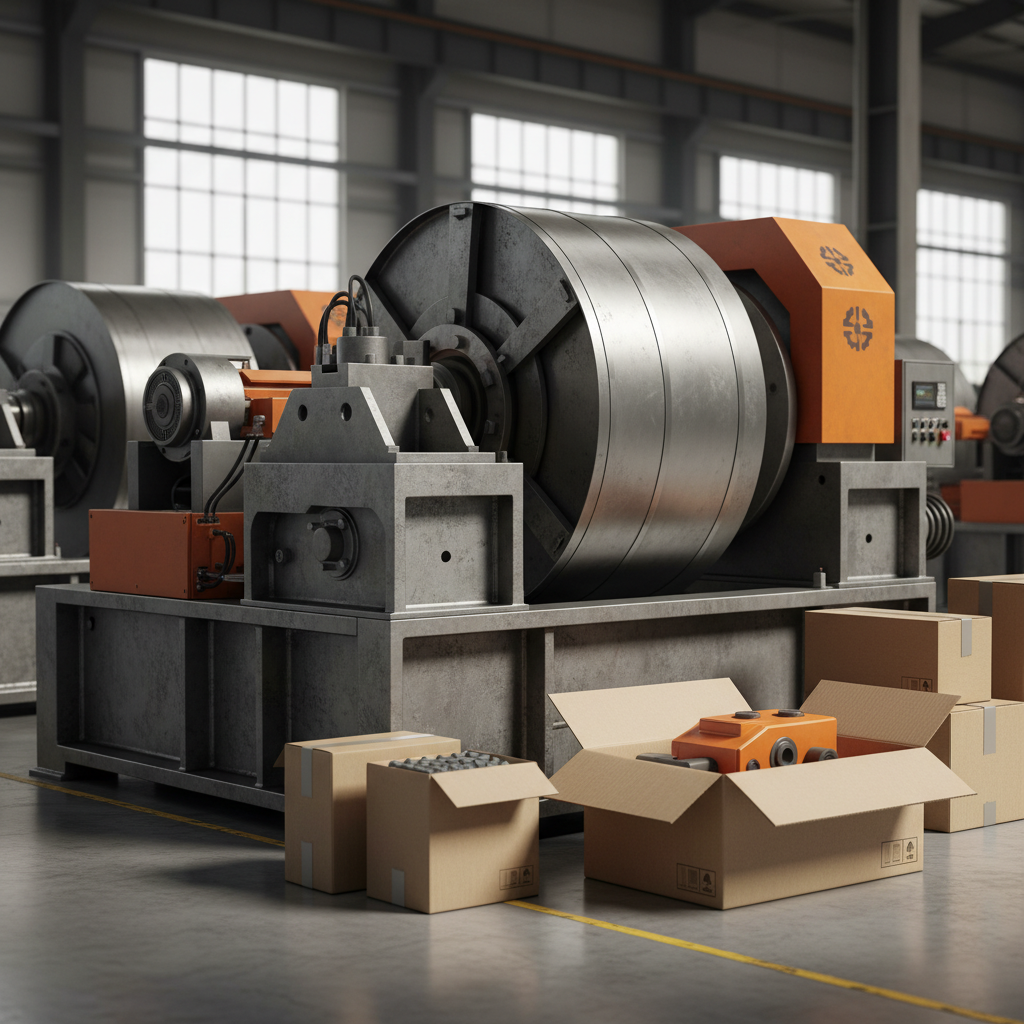
At its core, a decoiler machine takes a tightly wound coil of metal and unwinds it, providing a continuous strip of material for further processing. It’s a straightforward concept, but there’s a lot of engineering involved in making it work efficiently and safely. Different types of decoilers exist, each suited to specific materials, coil weights, and production requirements. You’ve got your simple manual decoilers, powered decoilers, and even fully automated systems with features like tension control and edge guides.
The connection to modern industry is undeniable. Everything from the cars we drive to the buildings we live in relies on materials processed using decoiler machines. Even humanitarian efforts benefit; rapid deployment shelters often utilize sheet metal components that are uncoiled and formed on-site.
And it's not just about metal. Decoiler principles are applied in processing other materials like paper, plastic film, and textiles, showcasing the versatility of the underlying technology. The key is adapting the design to handle the material’s specific properties and weight.
Key Factors Influencing Decoiler Machine Performance
Durability is paramount. These machines take a beating. We’re talking about constantly handling heavy coils, often in demanding environments. I’ve seen units that were built to last decades, and others that started showing cracks after just a few months. The quality of the steel used in the construction, the welding techniques, and the overall design all play a role.
Capacity is another critical factor. You need a decoiler that can handle the maximum coil weight and width you’ll be using. Undersizing is a common mistake. It leads to constant strain on the machine, reduced performance, and increased risk of failure. I always advise clients to overestimate their needs slightly, allowing for future growth and heavier materials.
Tension control is crucial for consistent material feeding, especially in processes like stamping and forming. Without proper tension, you’ll get inconsistent results and potentially damage the material. Sophisticated decoilers offer adjustable tension settings to accommodate different materials and thicknesses.
Global Applications and Diverse Use Cases
You’ll find decoiler machines in automotive plants, relentlessly feeding steel and aluminum into stamping presses that form body panels. In the construction industry, they’re used to process sheet metal for roofing, cladding, and structural components. The appliance industry relies on them for manufacturing refrigerator housings, washing machine drums, and countless other parts.
I’ve worked with companies in Germany specializing in high-precision automotive components, and their decoiler setups are incredibly sophisticated. Conversely, I’ve also seen more basic, but equally effective, decoilers being used in smaller fabrication shops in Southeast Asia. The application dictates the complexity.
Even in remote industrial zones, like those developing rapidly in Africa, the demand for decoilers is increasing as local manufacturing capabilities grow. The ability to process materials locally reduces reliance on imports and boosts economic development.
Decoiler Machine Application Breakdown
Advantages and Long-Term Value Proposition
The biggest benefit, hands down, is increased productivity. A properly functioning decoiler machine eliminates the bottlenecks associated with manual handling, allowing for a continuous flow of material. That translates directly into higher output and reduced lead times.
From a sustainability perspective, efficient material processing reduces waste. Fewer damaged coils, more precise cuts, and optimized material usage all contribute to a smaller environmental footprint. And, of course, a well-maintained machine lasts for years, reducing the need for frequent replacements.
Future Trends and Innovations in Decoiler Technology
We're seeing a growing trend towards automation. Fully automated decoiler lines, integrated with robotic handling systems, are becoming more common, especially in high-volume production environments. This minimizes labor costs and improves consistency.
Another area of innovation is in sensor technology. Machines are now equipped with sensors that monitor material tension, coil diameter, and other critical parameters, allowing for real-time adjustments and optimized performance. Remote monitoring and diagnostics are also gaining traction, enabling proactive maintenance and reduced downtime.
Common Challenges and Effective Solutions
One of the biggest challenges is dealing with varying coil quality. Coils aren’t always perfectly wound, and imperfections can cause issues with decoiling. Good edge guides and tension control systems are essential for mitigating these problems.
Another common issue is material damage, especially with thinner or more delicate materials. Using the right decoiler type, adjusting the tension appropriately, and implementing proper lubrication can help prevent scratches and deformation.
Preventative maintenance is key. Regular inspections, lubrication, and component replacements can significantly extend the life of the machine and minimize downtime. I always tell my clients, "a little maintenance now saves a lot of headaches – and money – later."
Common Decoiler Machine Issues and Solutions
| Issue |
Severity |
Root Cause |
Recommended Solution |
| Material Slippage |
Medium |
Insufficient Tension |
Adjust Tension Control System |
| Coil Breakage |
High |
Over Tension or Material Defect |
Reduce Tension, Inspect Material |
| Uneven Unwinding |
Low |
Improper Coil Winding |
Improve Coil Handling Procedures |
| Excessive Noise |
Low |
Lack of Lubrication |
Regular Lubrication of Bearings |
| Motor Overload |
Medium |
Coil Too Heavy |
Reduce Coil Weight or Upgrade Motor |
| Edge Damage |
Medium |
Poor Edge Guide Alignment |
Adjust Edge Guide System |
FAQS
The main difference lies in how the coil is unwound. Manual decoilers rely on gravity and manual force, making them suitable for lighter coils and lower production volumes. Powered decoilers use a motor to drive the unwinding process, offering greater control, speed, and capacity for heavier coils and continuous operation. A powered system, while more expensive initially, saves a ton of labor in the long run, especially in larger facilities.
Material thickness and width are the primary factors. Thicker or wider materials require a more robust decoiler with higher torque and capacity. Different materials also have different surface properties. For example, aluminum can be more prone to scratching, so you might need a decoiler with specialized roller coatings or tension control. Always consult with a supplier who understands your specific material requirements.
Regular lubrication of bearings and gears is critical. Inspect the rollers for wear and tear, and replace them as needed. Check the tension control system for proper operation. Finally, keep the machine clean and free of debris. A preventative maintenance schedule, followed consistently, will significantly extend the life of your machine and minimize downtime.
Always wear appropriate personal protective equipment, including safety glasses and gloves. Ensure the machine is properly grounded. Never attempt to adjust the machine while it's in operation. Be aware of the potential for pinch points and moving parts. And, of course, always follow the manufacturer’s safety guidelines. Safety should always be the top priority.
Start by ensuring your tension control system is properly calibrated. Check the brake settings and adjust them as needed. Consider upgrading to a more sophisticated tension control system with adjustable parameters. Also, make sure your material is consistently wound on the coil. Uneven winding can cause tension fluctuations. Proper tension leads to better material processing and reduces defects.
With proper maintenance and regular upkeep, a quality decoiler machine can easily last 15-20 years, or even longer. The key is preventative maintenance, using quality components, and operating the machine within its specified capacity. I’ve seen machines still running strong after three decades, but those are the exception, not the rule. Consistent care is the biggest factor.
Conclusion
In conclusion, the decoiler machine is a fundamental component of modern metal processing, driving efficiency, productivity, and sustainability across a diverse range of industries. From automotive and construction to packaging and appliance manufacturing, its impact is undeniable. Investing in a high-quality, well-maintained decoiler is not just a cost; it’s a strategic investment that yields significant long-term returns.
Looking ahead, the trend towards automation and smart manufacturing will continue to shape the future of decoiler technology. Embracing these innovations will be crucial for companies looking to stay competitive and meet the evolving demands of the global market. If you’re considering an investment in a decoiler, remember to prioritize quality, capacity, and ongoing support. Visit our website: www.yowinmachine.com