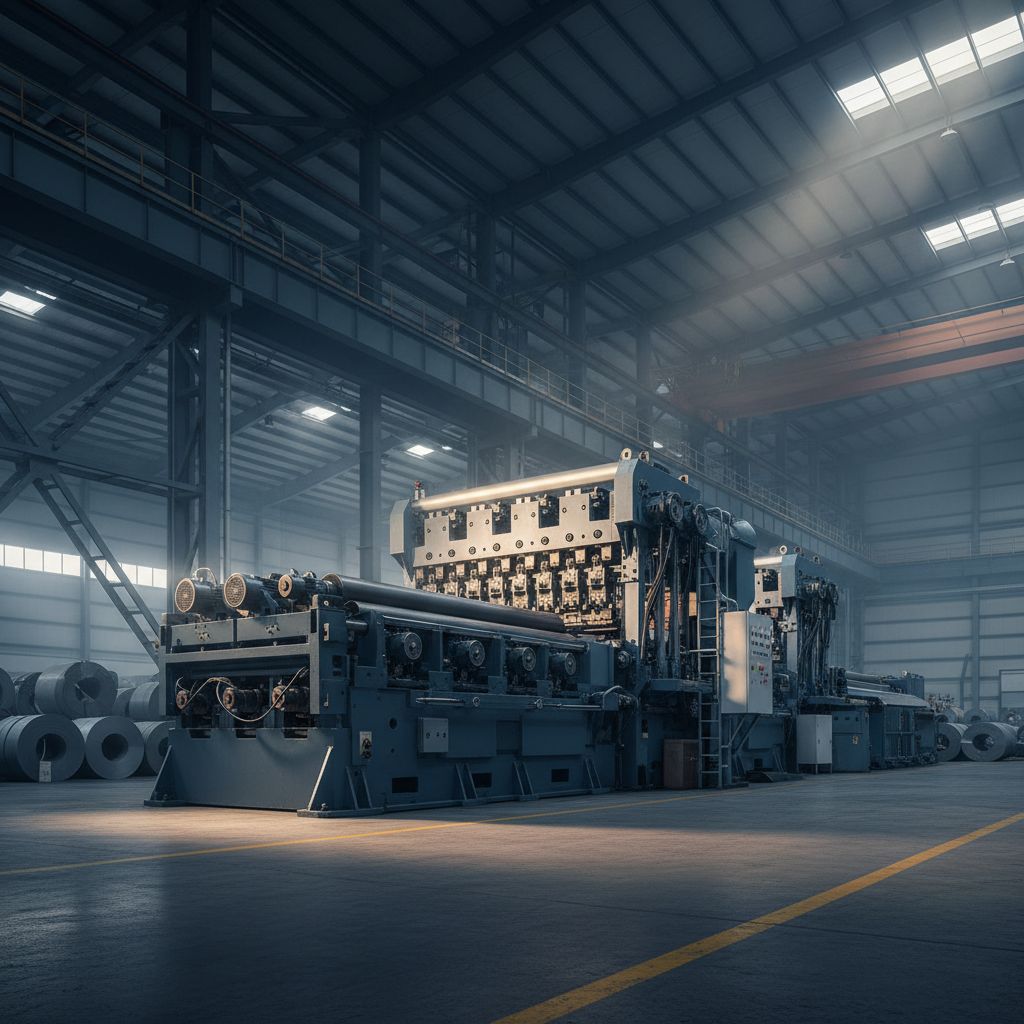
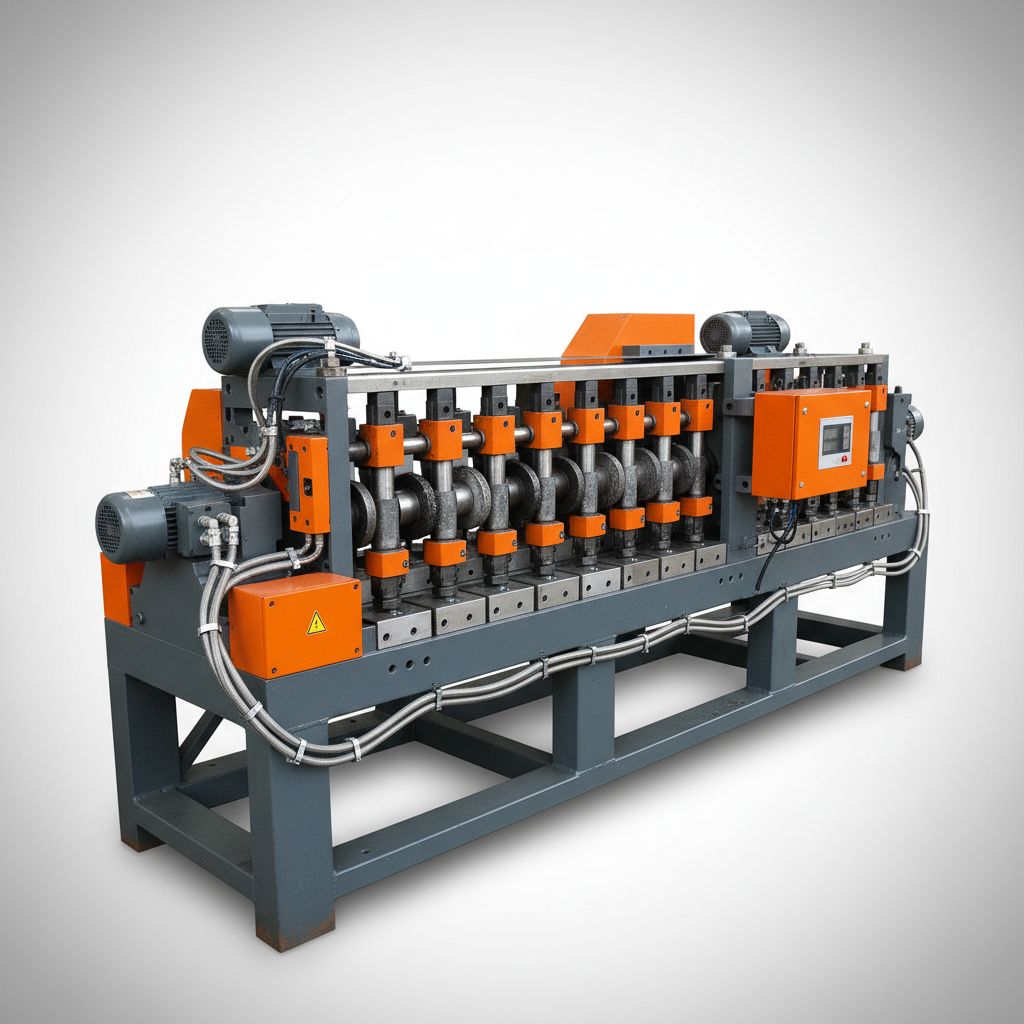
Roll forming suppliers, huh? Let me tell you, after spending pretty much the last decade crawling around construction sites and fabrication shops, you start to see patterns. These days, everyone's talking about thinner gauges, higher strengths, and faster turnaround times. It’s all about efficiency, obviously, but it’s a tricky balance. To be honest, I’ve seen a lot of projects get bogged down because someone was chasing a spec that just wasn't realistic in the real world.
It's not just about the metal itself, either. The tooling, the quality control...it all matters. I've seen suppliers cutting corners on the dies, and you end up with inconsistencies down the line. Makes life miserable for the installers, and the architect starts breathing down your neck. And then you have to explain why the perfectly designed profile doesn't actually… fit.
And don’t even get me started on the supply chain issues. Seems like every other week there's a shortage of something. Steel, especially. Prices fluctuate so much it makes your head spin. You think you've locked in a good deal, and then… boom. Up it goes.
The Current Landscape of roll forming suppliers
Have you noticed how many suppliers are popping up overseas? It's…concerning. You get lower prices, sure, but the quality control is often all over the place. I encountered this at a factory in Vietnam last time, they were shipping profiles with noticeable variations in the bend radius. The customer accepted it to save cost, but they came back crying after a month because the profiles didn't align properly.
The good suppliers – the ones who've been around for a while – they're investing in automation. More advanced roll formers, automated cut-to-length lines, things like that. It allows them to maintain tighter tolerances and faster production speeds. But even then, it all comes down to the people running the machines. A skilled operator is worth their weight in gold.
Common Design Pitfalls with roll forming suppliers
Strangely, a lot of architects don’t really understand the limitations of roll forming. They’ll design a profile that looks beautiful on paper, but it’s impossible to manufacture without causing significant issues. Sharp inside corners, extremely tight radii… these are red flags. You gotta push back, explain the process, offer alternatives. Sometimes they listen, sometimes they don’t.
Another big mistake? Underestimating the springback. The metal will want to return to its original shape after being formed, so you have to overbend it slightly to compensate. If you don’t account for that, you’ll end up with profiles that are out of spec.
And don’t even think about designing a profile with extremely thin walls and complex bends. It’s just asking for trouble.
Materials Used by roll forming suppliers
You’ve got your standard mild steel, obviously. Smells like… well, steel. A bit oily, you know? You can feel the weight of it. Then there’s galvanized steel – that has a distinct zinc smell, almost metallic and sharp. It's nice because it resists corrosion, but it can be a pain to weld.
We're seeing a lot more aluminum these days, especially for lightweight applications. It’s softer and easier to form, but it’s more expensive. And the finishes… that’s a whole other story. Anodizing, painting, powder coating… each has its pros and cons.
And then there's stainless steel. Now that stuff is tough. You need serious tooling to form it, and it’s not cheap. But if you need corrosion resistance and durability, it’s the way to go.
Real-World Testing of roll forming suppliers Products
Lab tests are okay, I guess. Tensile strength, yield strength, things like that. But they don’t tell you the whole story. I prefer to see how the profiles hold up in actual conditions. We've had to bend the material, weld it, hammer on it.
Last month, that small boss in Shenzhen who makes smart home devices insisted on changing the interface to , and the result was a bent and cracked housing after only 10 plug-ins. He wanted to save a few pennies on the tooling, and it blew up in his face.
We often do load testing – applying weight to see how the profiles deflect. And corrosion testing – exposing them to salt spray and humidity to see how quickly they rust. It’s not glamorous work, but it’s important.
Roll Forming Suppliers Performance Metrics
User Application and Expectations for roll forming suppliers
People often assume the profiles will just… slot together perfectly. They don’t realize that there’s usually some adjustment required. A little bit of tweaking here and there. They also underestimate the importance of proper installation techniques.
What I have observed is that installers are often the last to know about design changes. They show up on site, and suddenly the profiles don't match the drawings. It creates a lot of frustration.
Advantages and Disadvantages of roll forming suppliers
Okay, the advantages are obvious. Cost-effective for high volumes, design flexibility, lightweight… it’s a good process. But it's not perfect, not by a long shot. The initial tooling costs can be significant. And if you need to make changes to the profile, you have to retool. That can be expensive and time-consuming.
Another disadvantage? Limited to relatively constant cross-sections. You can’t do anything too complicated. And the metal can be susceptible to buckling if it’s not properly supported.
Anyway, I think the biggest benefit is the speed. Once the tooling is set up, you can crank out a lot of material very quickly.
Customization Options with roll forming suppliers
You can customize pretty much anything – the shape, the material, the finish, the length. I had a customer last year who wanted a profile with a specific pattern embossed on it. It was a pain to tool up, but we got it done. He was using it for the trim on a high-end yacht.
We’ve also done a lot of work with different coatings. Powder coating, painting, anodizing… you name it. And we can even do perforation – creating holes in the profile for ventilation or aesthetic purposes.
The key is communication. The more detail you can provide upfront, the better.
Summary of Roll Forming Suppliers Customization Capabilities
| Customization Parameter |
Complexity Level (1-5) |
Cost Impact (Low/Medium/High) |
Typical Lead Time (Weeks) |
| Profile Shape Modification |
3 |
Medium |
4 |
| Material Grade Selection |
2 |
Low |
2 |
| Surface Coating Application |
2 |
Medium |
3 |
| Perforation Pattern Design |
4 |
High |
6 |
| Embossed Feature Integration |
5 |
High |
8 |
| Custom Length and Tolerances |
1 |
Low |
1 |
FAQS
Lead times can vary drastically depending on the complexity of the project. Simple profiles with standard materials might take 2-4 weeks, but more complex shapes, custom materials, or specialized coatings can easily push that to 6-10 weeks. Tooling fabrication is usually the biggest bottleneck. It's important to discuss these timelines upfront and have realistic expectations.
The MOQ really depends on the supplier and the profile complexity. Generally, you're looking at a minimum of 5,000-10,000 feet. It's because of the tooling costs. Setting up the machine is expensive, so they need to spread that cost across a reasonable production run. Shorter runs are possible, but you'll pay a premium.
Thicker materials generally require more powerful roll forming machines and more robust tooling, which increases the cost. There are also limitations to how thick you can go. Extremely thick materials can be difficult to bend without cracking or distorting. You need to find a balance between strength, cost, and formability.
You’ve got a lot of options. Powder coating is popular for its durability and wide range of colors. Painting is a more economical option, but it's not as scratch-resistant. Anodizing is used primarily for aluminum and provides excellent corrosion resistance. And then there are things like pre-painted steel, which is coated before the forming process.
While roll forming excels at creating constant cross-sections, complex shapes and intricate details can be challenging. Tight radii, sharp corners, and deep draws can be difficult to achieve without causing defects. It often requires careful design considerations and specialized tooling. Sometimes, a different manufacturing process might be more suitable.
Reputable suppliers will have strict quality control procedures in place. This includes dimensional checks, material testing, visual inspections, and regular tooling maintenance. They should also have a documented quality management system, like ISO 9001. And don't be afraid to ask for certificates of conformance and test reports.
Conclusion
Ultimately, roll forming suppliers are a vital component of many industries, offering a cost-effective and efficient way to produce metal profiles. But it’s not just about finding the cheapest price. It’s about finding a supplier who understands your needs, has the right capabilities, and can deliver consistent quality.
The best advice I can give you is to do your homework, ask the right questions, and don’t be afraid to visit their facility. Because ultimately, whether this thing works or not, the worker will know the moment he tightens the screw.