Roll forming line technology has revolutionized numerous industries, offering a cost-effective and efficient method for producing continuous metal profiles. Its impact is felt globally, from construction and automotive to appliance manufacturing and beyond. Understanding the principles and applications of a roll forming line is crucial for engineers, manufacturers, and anyone involved in modern production processes. This technology isn't simply about bending metal; it's about precision, scalability, and ultimately, delivering high-quality products consistently.
The demand for roll formed products is steadily increasing due to factors like infrastructure development, lightweighting trends in automotive, and a growing need for sustainable building materials. Globally, the market for roll forming equipment and services is projected to continue expanding, driven by emerging economies and a focus on automated manufacturing solutions. Addressing the challenges of customization, material diversity, and increasingly complex profile designs is paramount to staying competitive in this dynamic landscape.
The benefits of utilizing a roll forming line extend beyond mere production efficiency. It allows for reduced material waste, intricate design flexibility, and the consistent creation of complex shapes that are difficult or impossible to achieve through other manufacturing methods. Properly implemented, a roll forming line can significantly improve a company's bottom line and its ability to meet evolving market demands.
Introduction to Roll Forming Line
A roll forming line is a continuous bending process that uses a series of rollers to progressively shape a flat metal strip into a desired profile. This process is remarkably versatile, capable of producing a vast array of complex shapes with high precision and repeatability. The fundamental principle relies on the controlled deformation of the metal as it passes through each station of the line.
Understanding the mechanics of a roll forming line is vital for optimizing its performance and producing consistent, high-quality results. Factors such as roller design, material properties, and line speed all play a critical role in the final product's accuracy and structural integrity.
The Global Relevance of Roll Forming
Roll forming is a cornerstone of modern manufacturing across the globe. According to industry reports, the global roll forming market is valued at billions of dollars and is expected to continue growing steadily. This growth is fueled by demand from key sectors like construction, automotive, and appliances. Developing nations are particularly driving demand as they invest in infrastructure projects and expand their manufacturing capabilities.
The versatility of roll forming makes it a crucial technology for addressing global needs. From lightweighting vehicles to improve fuel efficiency, to creating durable and cost-effective building materials, roll forming contributes to sustainable development and economic growth. The ISO standards governing roll forming processes ensure quality control and compatibility across international markets.
One of the major challenges facing the roll forming industry is the need for increased efficiency and customization. Manufacturers are constantly seeking ways to reduce material waste, optimize production processes, and adapt to evolving customer demands for unique profiles. Investing in advanced roll forming lines and skilled personnel is essential for maintaining a competitive edge in the global market.
Defining a Roll Forming Line
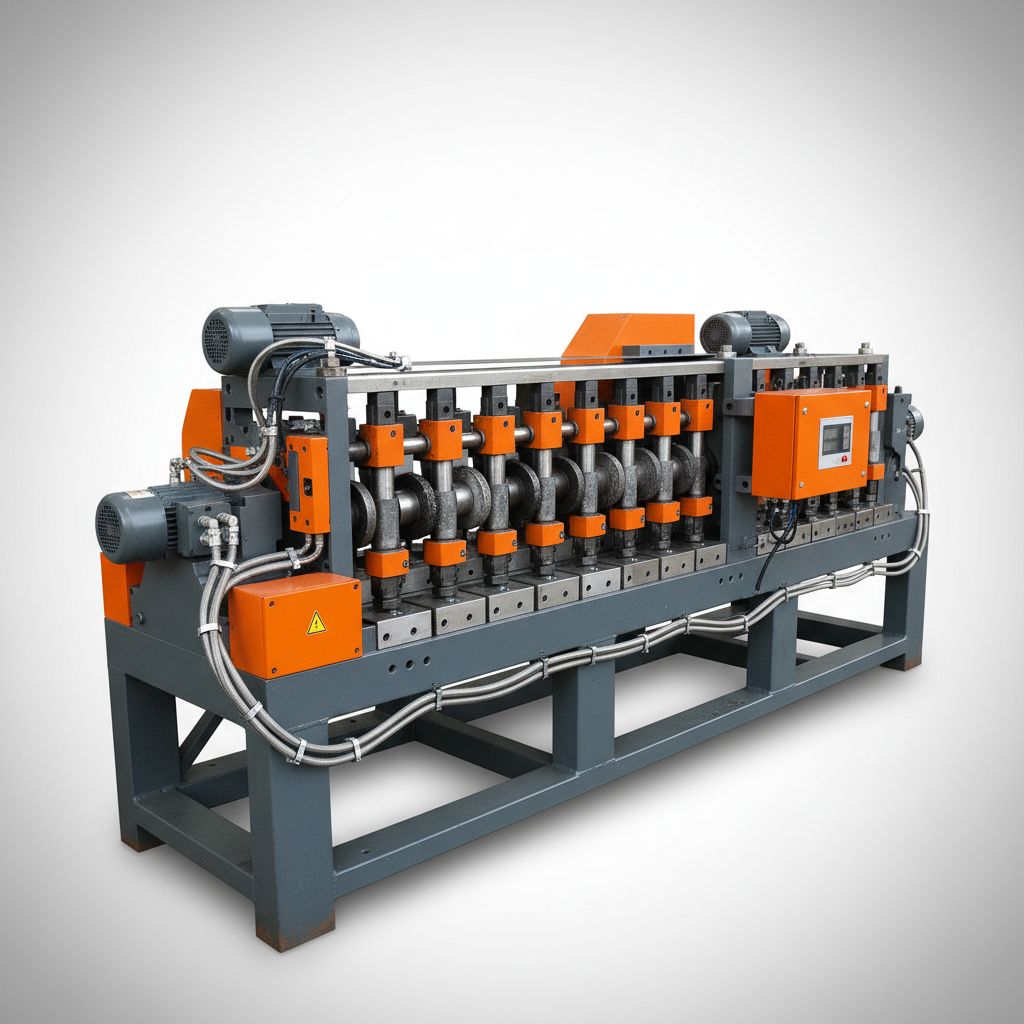
In its simplest form, a roll forming line takes a flat metal strip – typically steel, aluminum, or stainless steel – and progressively bends it into a specific cross-sectional profile by passing it through a series of contoured rollers. Each roller station incrementally shapes the metal until the desired profile is achieved at the exit end of the line.
This process is deeply connected to modern industry because it provides a continuous, high-volume production method for consistent shapes. Unlike stamping or forging, roll forming minimizes material waste and allows for complex geometries. It’s a core technology in sectors requiring long lengths of uniform profiles, critical for applications spanning from structural support to aesthetic design elements.
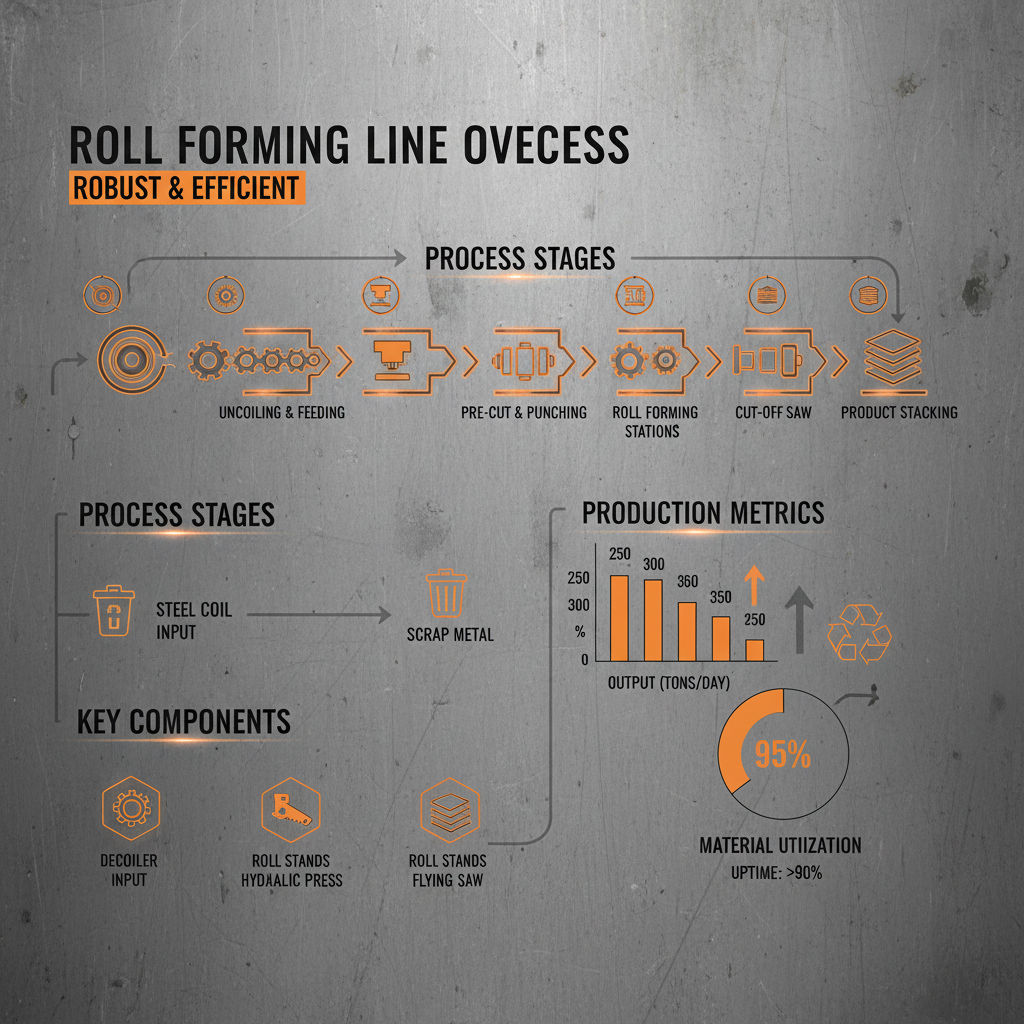
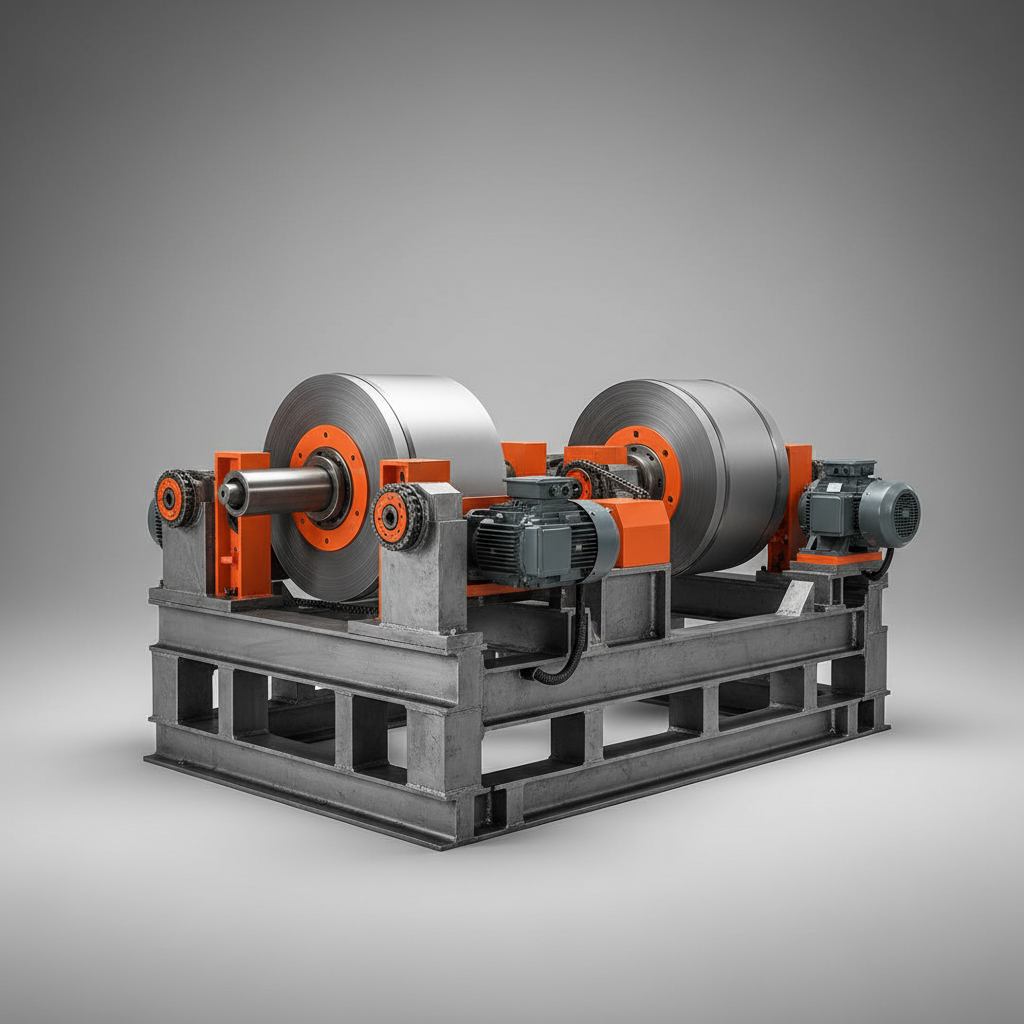
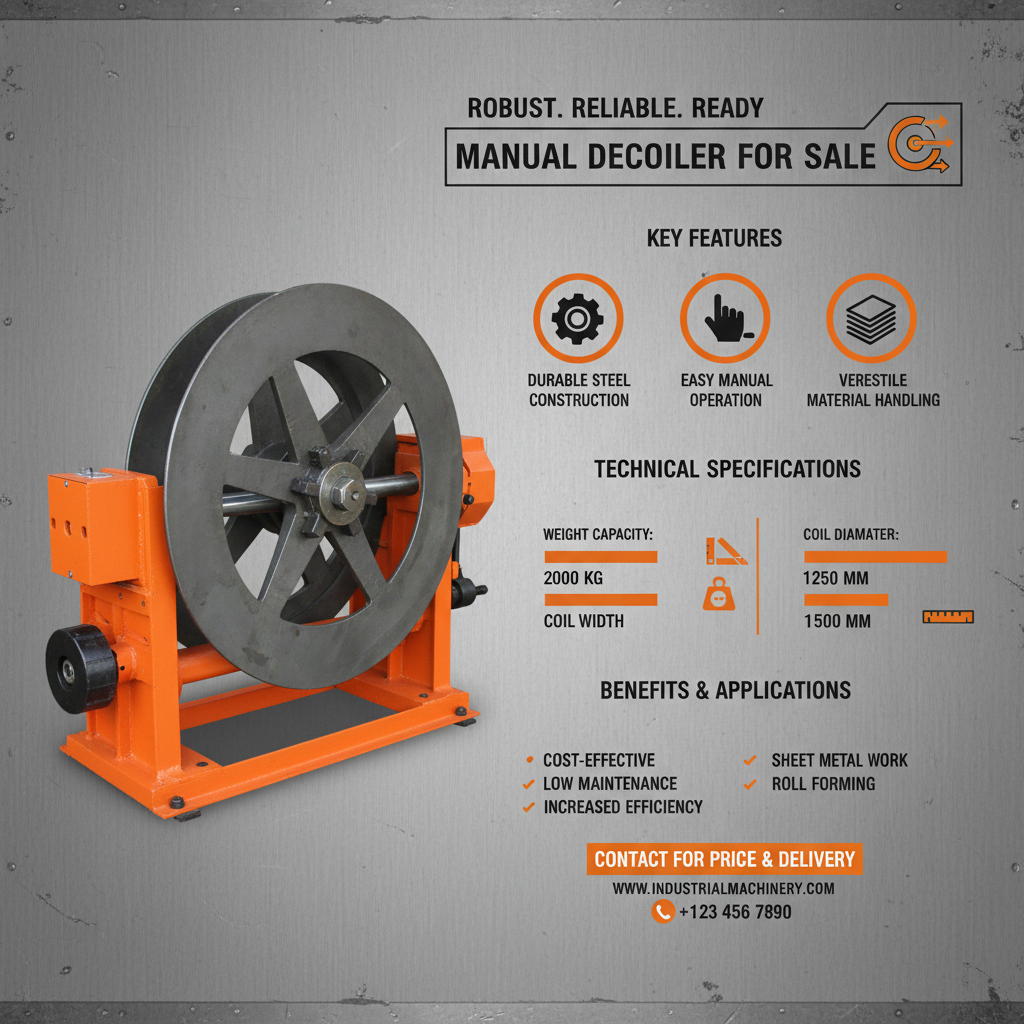
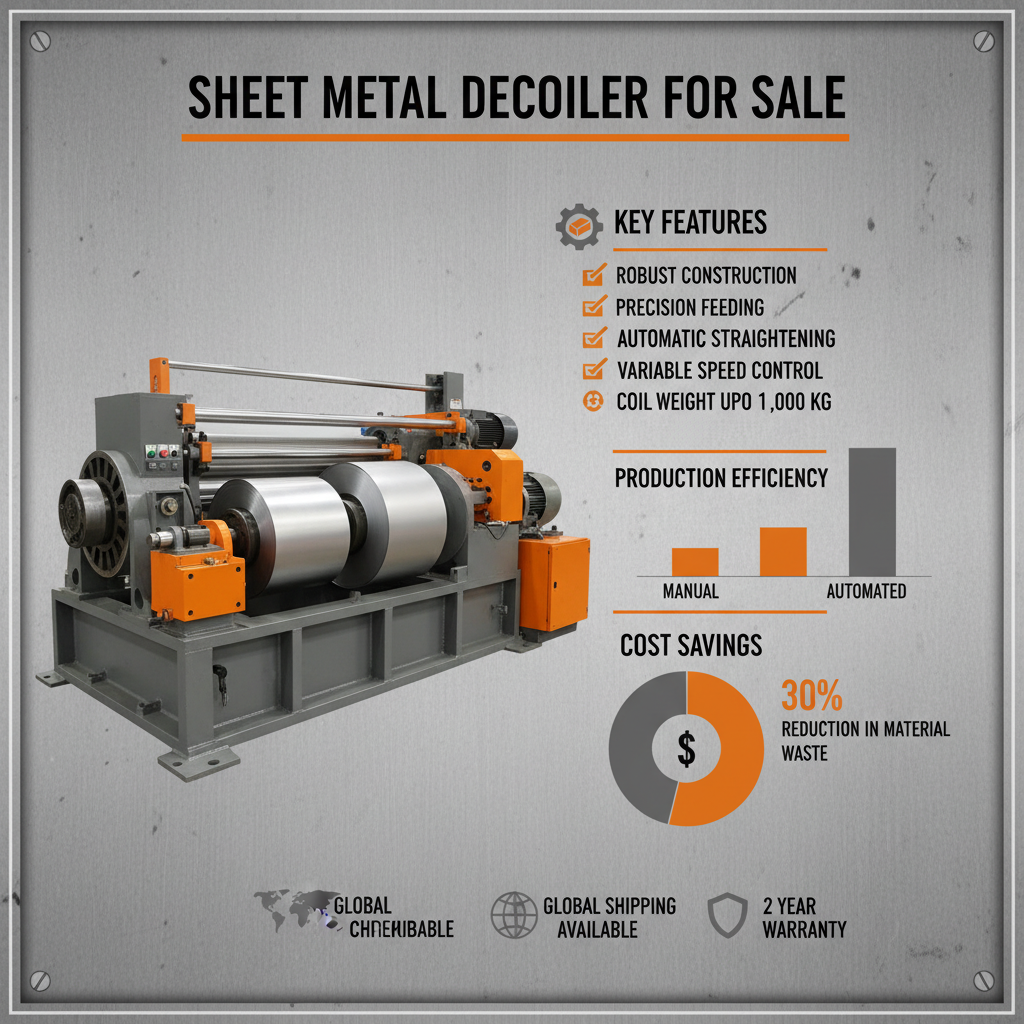
Roll forming lines also integrate other crucial components beyond the rollers themselves. These include uncoilers to feed the metal strip, guiding systems to ensure accurate alignment, cutting mechanisms to shear the finished profile to length, and often, post-forming operations like punching, welding, or coating to add further functionality.
Key Factors of a Roll Forming Line
Several key factors determine the effectiveness and efficiency of a roll forming line. Precision is paramount; accurate roller alignment and consistent material feed are vital for maintaining profile tolerances. Material Versatility is also critical – the ability to handle various metal types and thicknesses expands the line’s applicability.
Production Speed directly impacts output and cost-effectiveness. Optimizing line speed requires careful consideration of material properties, roller design, and control systems. Furthermore, Roller Design itself is a fundamental element; the shape and arrangement of the rollers dictate the final profile's accuracy and complexity. Finally, Automation plays an increasing role in minimizing labor costs and enhancing consistency.
These factors aren’t independent; they interact dynamically. For example, increasing production speed may necessitate adjustments to roller design or material feed to maintain precision. A well-designed roll forming line strikes a balance between these factors, optimizing performance for specific application requirements.
Roll Forming Line Performance Metrics
Applications of Roll Forming Line
The applications of roll forming line technology are exceptionally broad. In the construction industry, it's used extensively to manufacture steel studs, track, roofing panels, and siding. The automotive sector relies on roll forming for producing chassis components, structural reinforcements, and interior parts.
Beyond these core industries, roll forming finds application in appliance manufacturing (cabinetry, shelving), solar panel framing, furniture production, and even medical equipment. In post-disaster relief operations, rapidly deployable shelters often utilize roll formed steel framing for its strength, durability, and ease of assembly. In remote industrial zones, roll forming lines enable on-site production of components, reducing transportation costs and lead times.
Advantages and Long-Term Value
The advantages of implementing a roll forming line are substantial. Cost Efficiency is a primary benefit; roll forming minimizes material waste and requires less labor compared to traditional methods. Sustainability is enhanced through reduced material usage and the ability to utilize recycled metals.
Furthermore, roll forming offers superior Reliability and consistency in production, ensuring product quality and reducing defects. From a societal impact perspective, it facilitates the creation of durable infrastructure and safe, affordable housing. The long-term value lies in building a resilient manufacturing process that can adapt to changing market needs and maintain a competitive advantage.
Future Trends in Roll Forming Line Technology
The future of roll forming line technology is focused on increased automation, integration with digital systems, and the adoption of advanced materials. Digital Transformation is driving the development of smart roll forming lines equipped with sensors, data analytics, and predictive maintenance capabilities. Automation through robotics and AI optimizes production processes and minimizes human intervention.
Green Energy initiatives are fostering the use of lightweight, high-strength materials in wind turbine towers and solar panel structures, expanding the role of roll forming. The exploration of new materials, like advanced high-strength steels and aluminum alloys, is also a key trend. Sustainability considerations are pushing for closed-loop manufacturing systems that minimize waste and maximize resource utilization.
These advancements promise to further enhance the efficiency, flexibility, and sustainability of roll forming, making it an even more indispensable technology in the years to come. Companies investing in these innovations will be well-positioned to capitalize on emerging opportunities and maintain a leadership position in the global market.
FAQS
A properly maintained roll forming line can reliably operate for 20-30 years, even longer with regular preventative maintenance and component upgrades. The lifespan is heavily influenced by the quality of the original construction, the materials processed, and the adherence to recommended maintenance schedules. Replacing wear items like rollers and bearings proactively is critical for maximizing longevity.
The cost of a new roll forming line varies significantly based on its complexity, automation level, and production capacity. Key factors include the gauge and width of the metal being processed, the number of roller stations, the type of uncoiler and shear equipment, and any additional features like in-line punching or welding. Customization and the supplier’s reputation also play a role in the overall price.
Effective operation requires comprehensive training covering machine setup, material loading, process control, quality inspection, and basic maintenance. The duration of training typically ranges from 2 to 4 weeks, depending on the line’s complexity and the operator's prior experience. Ongoing training is crucial to keep operators updated on new features and best practices.
Roll forming lines are highly versatile and can process a wide range of materials, including carbon steel, galvanized steel, stainless steel, aluminum, and even some specialized alloys. The choice of material depends on the application's requirements for strength, corrosion resistance, and formability. Proper tooling and process parameters are essential for achieving optimal results with different materials.
Regular maintenance is critical for preventing downtime and ensuring consistent performance. This includes lubrication of bearings and gears, inspection of rollers for wear, alignment checks, cleaning of material residue, and monitoring of hydraulic systems. Preventative maintenance schedules should be followed diligently, and qualified technicians should handle complex repairs.
Roll forming offers advantages over extrusion and stamping in terms of cost-effectiveness for high-volume production of long, continuous profiles. While extrusion is better suited for complex, solid shapes, and stamping excels at producing flat parts, roll forming provides a unique balance of flexibility and efficiency. Roll forming also generates significantly less material waste than stamping.
Conclusion
In conclusion, the roll forming line represents a powerful and versatile manufacturing technology with a profound global impact. From its cost-effectiveness and material efficiency to its adaptability across diverse industries, it consistently delivers value to manufacturers and end-users alike. Embracing the latest advancements in automation, digital integration, and sustainable materials will be crucial for unlocking its full potential.
Looking ahead, we can expect to see roll forming lines becoming even more intelligent, efficient, and environmentally responsible. Investing in skilled personnel, embracing continuous improvement, and staying abreast of emerging technologies will be vital for organizations seeking to thrive in the ever-evolving landscape of metal fabrication. Visit our website at www.yowinmachine.com to learn more about how we can help you optimize your roll forming operations.