The global demand for robust and efficient construction and industrial solutions has driven significant advancements in welding technology. At the forefront of this innovation is the wire mesh welding machine, a crucial tool for producing high-quality, durable wire mesh used in a vast array of applications. Understanding the capabilities and advancements in this technology is paramount for businesses and organizations seeking reliable and cost-effective solutions across diverse sectors.
Wire mesh, created using a wire mesh welding machine, serves as a fundamental component in construction, security, agriculture, and numerous industrial processes. Its versatility stems from its ability to provide strength, support, and containment. From reinforcing concrete structures to creating protective barriers and crafting filters, wire mesh plays a critical role in modern infrastructure and manufacturing. The efficiency of producing this mesh directly impacts project timelines and overall costs.
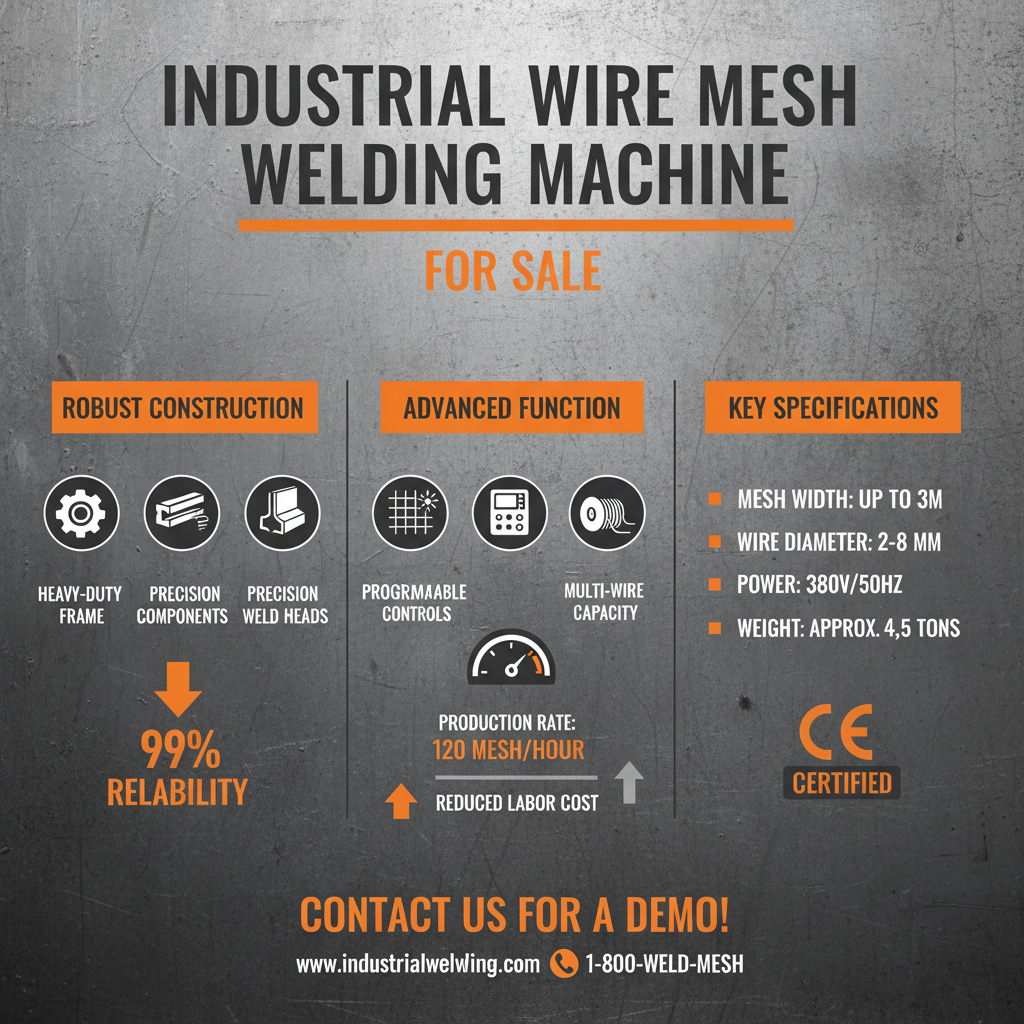
The development and refinement of wire mesh welding machines represent a significant leap in manufacturing precision and output. These machines automate the welding process, ensuring consistent quality, reducing labor costs, and enabling large-scale production to meet growing global needs. Their application extends beyond traditional construction, playing a vital role in emergency response, environmental protection, and sustainable agriculture.
The Significance of Wire Mesh Welding in Modern Industry
The increasing demand for efficient and reliable construction and manufacturing processes has solidified the wire mesh welding machine as an indispensable tool across numerous industries. From reinforcing concrete in large-scale infrastructure projects to creating secure enclosures for agricultural purposes, the applications are vast and constantly expanding. This demand is driven by the need for durable, cost-effective, and rapidly deployable solutions.
Wire mesh, produced by these machines, offers a compelling alternative to traditional materials in many scenarios. Its lightweight nature, coupled with its high tensile strength, makes it ideal for applications where minimizing weight without compromising structural integrity is crucial. The use of automation through wire mesh welding machines ensures consistent quality and reduces the risks associated with manual welding processes.
Defining Wire Mesh Welding Machine Technology
A wire mesh welding machine is an automated system designed to efficiently join wires at their intersection points, creating a grid-like structure known as wire mesh. Unlike traditional manual welding, these machines utilize precisely controlled electrical currents and pressure to create strong, consistent welds, significantly increasing production speed and quality. They represent a cornerstone of modern wire fabrication.
The technology behind these machines has evolved significantly, encompassing various methods like resistance welding, flash butt welding, and more advanced techniques utilizing laser or ultrasonic welding. The choice of welding method depends on factors like wire material, mesh dimensions, and desired weld strength.
This technology isn’t merely about manufacturing; it directly impacts sectors like infrastructure development, security, and agriculture, fulfilling a crucial need for durable and cost-effective materials. It connects directly to addressing global needs for more efficient resource utilization and sustainable construction practices.
Core Components and Operational Principles
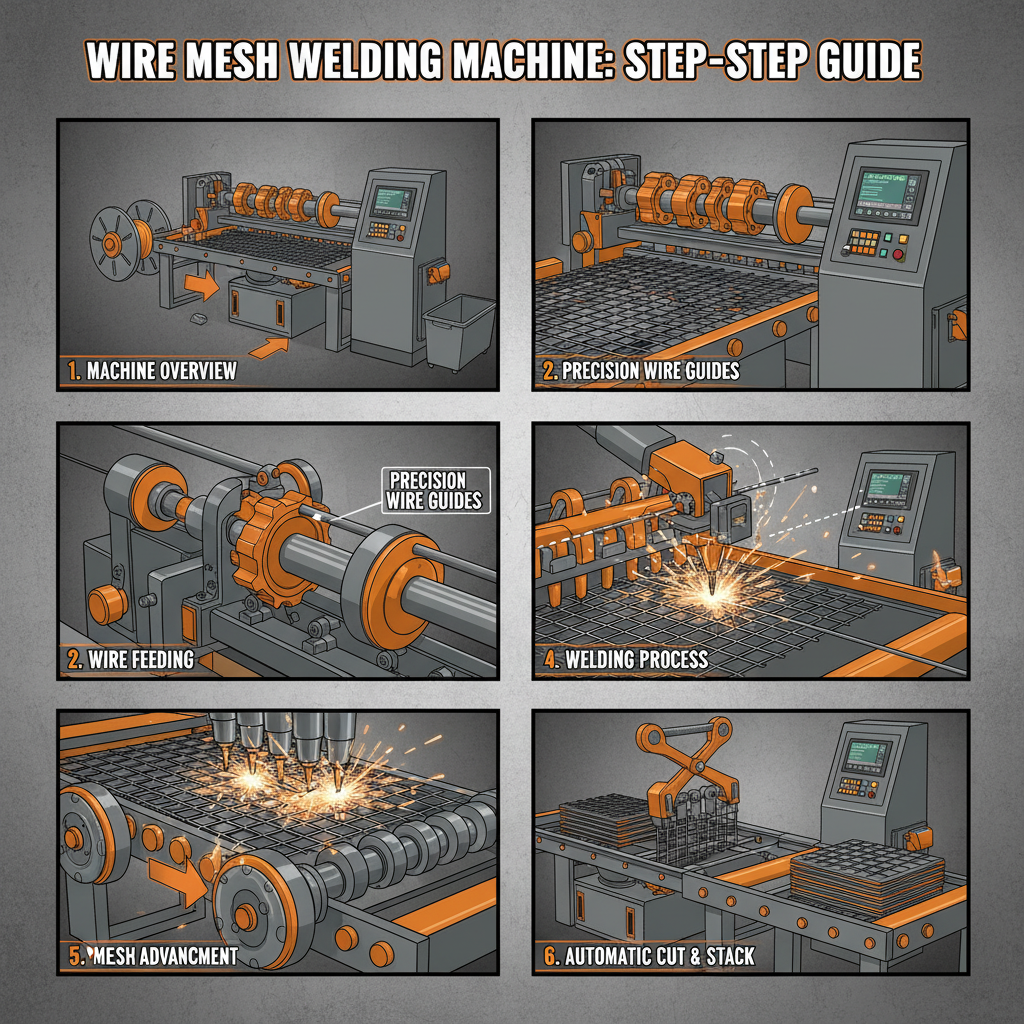
The core of a wire mesh welding machine consists of several key components. These include the welding electrodes, a power source providing precisely controlled electrical current, a wire feeding system to ensure consistent material supply, a control panel for parameter adjustment, and a robust frame providing structural stability. These components work in tandem to deliver optimal welding performance.
Operationally, the machine works by clamping the wires between electrodes and applying a controlled electrical current. This current generates heat, melting the wires at the intersection. Simultaneously, pressure is applied to forge a strong, permanent weld. The speed and precision of this process are governed by the machine’s control system and the operator's programmed parameters.
The quality of the weld is heavily influenced by factors such as current intensity, welding time, electrode pressure, and wire surface cleanliness. Advanced machines often incorporate automated monitoring and adjustment systems to maintain optimal welding conditions and minimize defects. Proper maintenance of these components is crucial for longevity and consistent performance.
Performance Metrics of Wire Mesh Welding Machines
Evaluating the performance of a wire mesh welding machine requires considering several key metrics. Welding speed, measured in meters per minute or feet per minute, indicates the machine’s production capacity. Weld strength, determined through tensile testing, assesses the quality and reliability of the welds.
Another critical metric is dimensional accuracy, referring to the precision of the mesh grid size and overall shape. Furthermore, the machine’s energy efficiency, measured in kilowatt-hours per unit of output, is becoming increasingly important in environmentally conscious operations.
Wire Mesh Welding Machine Performance Comparison
Global Applications of Wire Mesh Welding
The applications of wire mesh, produced by wire mesh welding machines, are incredibly diverse and span across numerous industries and geographical locations. In construction, it's used for concrete reinforcement, creating a stronger and more durable structure. In agriculture, it forms protective fencing for livestock and supports for growing plants.
Security applications include creating robust barriers for prisons, airports, and sensitive facilities. In post-disaster relief operations, wire mesh is rapidly deployed for temporary shelters and reinforcing damaged structures. Industrial sectors utilize it for filtration, product containment, and machinery guarding. Regions experiencing rapid urbanization, such as Asia and Africa, are witnessing a particularly high demand for wire mesh due to infrastructure development.
Advantages and Economic Impact
The economic benefits of utilizing wire mesh welding machines are substantial. Automated production dramatically reduces labor costs compared to manual welding methods. The consistency and quality of welded wire mesh minimize material waste and reduce the need for costly repairs or replacements. Faster production speeds lead to shorter project timelines and increased profitability.
Beyond cost savings, the use of wire mesh contributes to greater sustainability by reducing the reliance on heavier, more resource-intensive materials. The durability of welded wire mesh enhances the lifespan of structures and products, minimizing the need for frequent replacements. The reliability of these machines fosters trust and confidence among clients and stakeholders.
Socially, the efficient production of wire mesh supports infrastructure development, creating employment opportunities and improving living standards. In disaster relief scenarios, it provides rapid and effective shelter solutions, contributing to the safety and well-being of affected communities.
Future Trends and Technological Advancements
The future of wire mesh welding machine technology is poised for significant advancements. Integration of artificial intelligence (AI) and machine learning (ML) will enable machines to self-optimize welding parameters, predict maintenance needs, and detect defects in real-time, further improving efficiency and quality. The development of more sustainable welding processes, utilizing eco-friendly materials and reducing energy consumption, is also a key focus.
Digital transformation will play a critical role, with machines becoming increasingly connected to the Internet of Things (IoT), allowing for remote monitoring, data analysis, and predictive maintenance. Automation will continue to advance, with the development of fully robotic welding cells capable of handling complex mesh designs and large-scale production runs.
We can also expect to see increased adoption of additive manufacturing techniques, such as wire arc additive manufacturing (WAAM), which combines welding with 3D printing to create complex wire mesh structures with customized geometries.
A Comparative Analysis of Emerging Trends in Wire Mesh Welding Machine Technology
| Technology |
Implementation Cost |
Productivity Impact |
Skill Requirements |
| AI-Powered Optimization |
Medium (Software & Integration) |
High (10-20% Increase) |
Moderate (Data Analysis) |
| IoT Integration |
Low-Medium (Sensors & Connectivity) |
Medium (5-10% Increase) |
Low (Basic Monitoring) |
| Robotic Welding Cells |
High (Robot & Integration) |
Very High (30-50% Increase) |
High (Robotics Programming) |
| WAAM Technology |
Medium-High (Specialized Equipment) |
Medium (Complex Geometries) |
High (Additive Manufacturing) |
| Laser Welding |
High (Laser Source & Optics) |
Medium-High (Precision Welding) |
Moderate (Laser Safety) |
| Ultrasonic Welding |
Medium (Ultrasonic Generator) |
Medium (Specific Materials) |
Moderate (Material Science) |
FAQS
The lifespan of a wire mesh welding machine largely depends on its build quality, maintenance schedule, and operational intensity. Generally, with proper care, a high-quality machine can operate effectively for 10-15 years or even longer. Regular maintenance, including lubrication, cleaning, and timely replacement of worn parts, is crucial for maximizing its lifespan. Following the manufacturer’s recommendations is paramount.
Most wire mesh welding machines are designed to accommodate a wide range of wire materials, including carbon steel, stainless steel, galvanized steel, and aluminum. However, the specific capabilities can vary depending on the machine’s design and welding method. It's essential to check the manufacturer's specifications to ensure compatibility with the intended wire material. Some machines may require adjustments or specialized tooling for certain materials.
Safety is paramount when operating a wire mesh welding machine. Always wear appropriate personal protective equipment (PPE), including safety glasses, gloves, and a welding helmet. Ensure the machine is properly grounded and that all electrical connections are secure. Be mindful of moving parts and avoid contact with hot surfaces. Follow all manufacturer's safety guidelines and receive adequate training before operating the machine.
Determining the optimal welding parameters, such as current, voltage, and welding time, depends on factors like wire material, wire diameter, mesh grid size, and desired weld strength. Refer to the manufacturer’s recommendations as a starting point. Experimentation and testing are often necessary to fine-tune the parameters for specific applications. Consulting with a welding engineer or technician can provide valuable insights.
A regular maintenance schedule is critical for ensuring the longevity and optimal performance of a wire mesh welding machine. This typically includes daily cleaning of electrodes and welding surfaces, weekly lubrication of moving parts, monthly inspection of electrical connections, and annual professional servicing. Following the manufacturer’s recommended maintenance schedule is crucial.
Modern wire mesh welding machines increasingly incorporate energy-efficient features. Look for machines with power-saving modes, inverter technology to optimize energy consumption, and efficient cooling systems. Some machines also offer real-time energy monitoring capabilities to track and reduce energy usage. Choosing a machine with a high energy efficiency rating can lead to significant cost savings over time.
Conclusion
In conclusion, the wire mesh welding machine stands as a cornerstone of modern manufacturing and construction. Its ability to consistently produce high-quality wire mesh efficiently and cost-effectively makes it an indispensable tool across a wide range of industries. From bolstering infrastructure to providing essential security solutions, the applications are continually expanding. Investing in robust and technologically advanced machines ensures optimized production, reduced costs, and enhanced product reliability.
Looking ahead, the integration of AI, IoT, and sustainable practices will further revolutionize this technology, paving the way for even greater efficiency and environmental responsibility. Exploring the latest innovations and prioritizing regular maintenance will be key to maximizing the long-term value and contributing to a more sustainable future. For superior wire mesh welding solutions, visit our website: www.yowinmachine.com