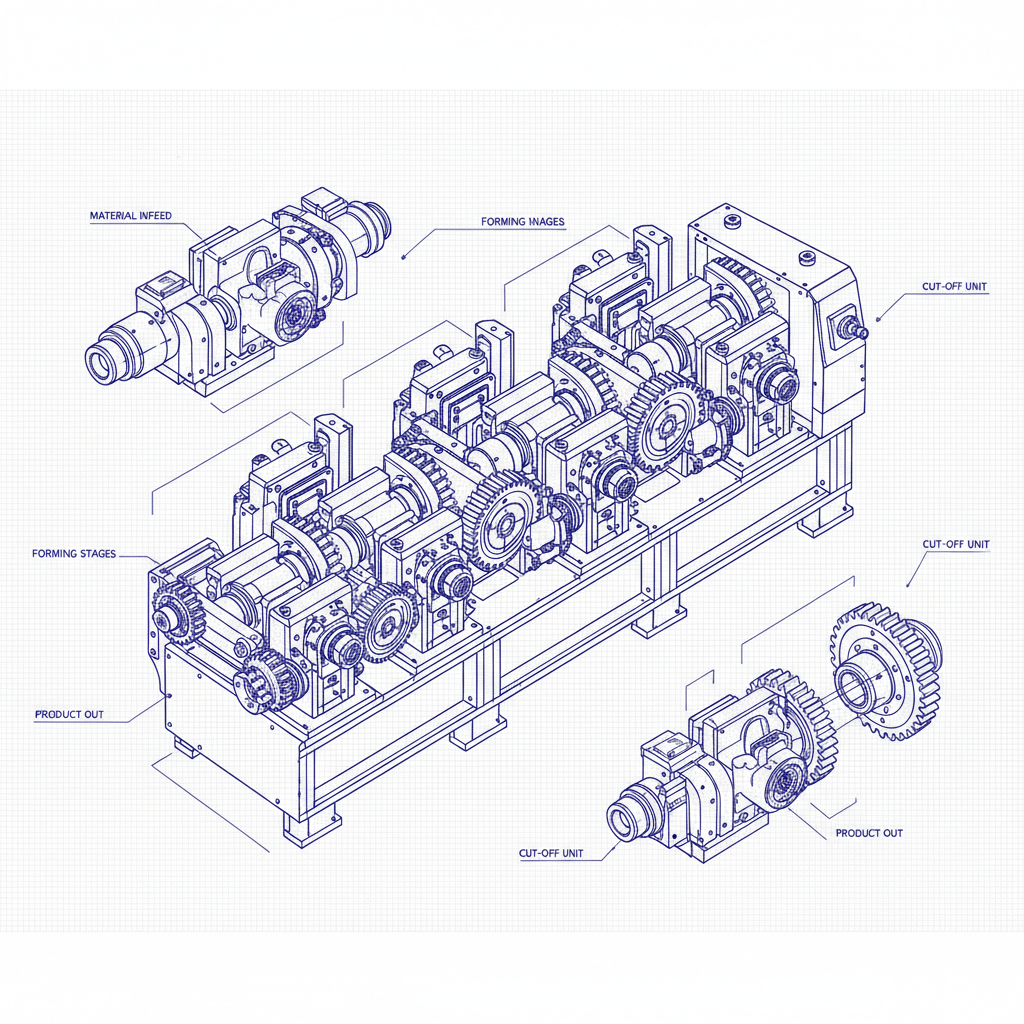
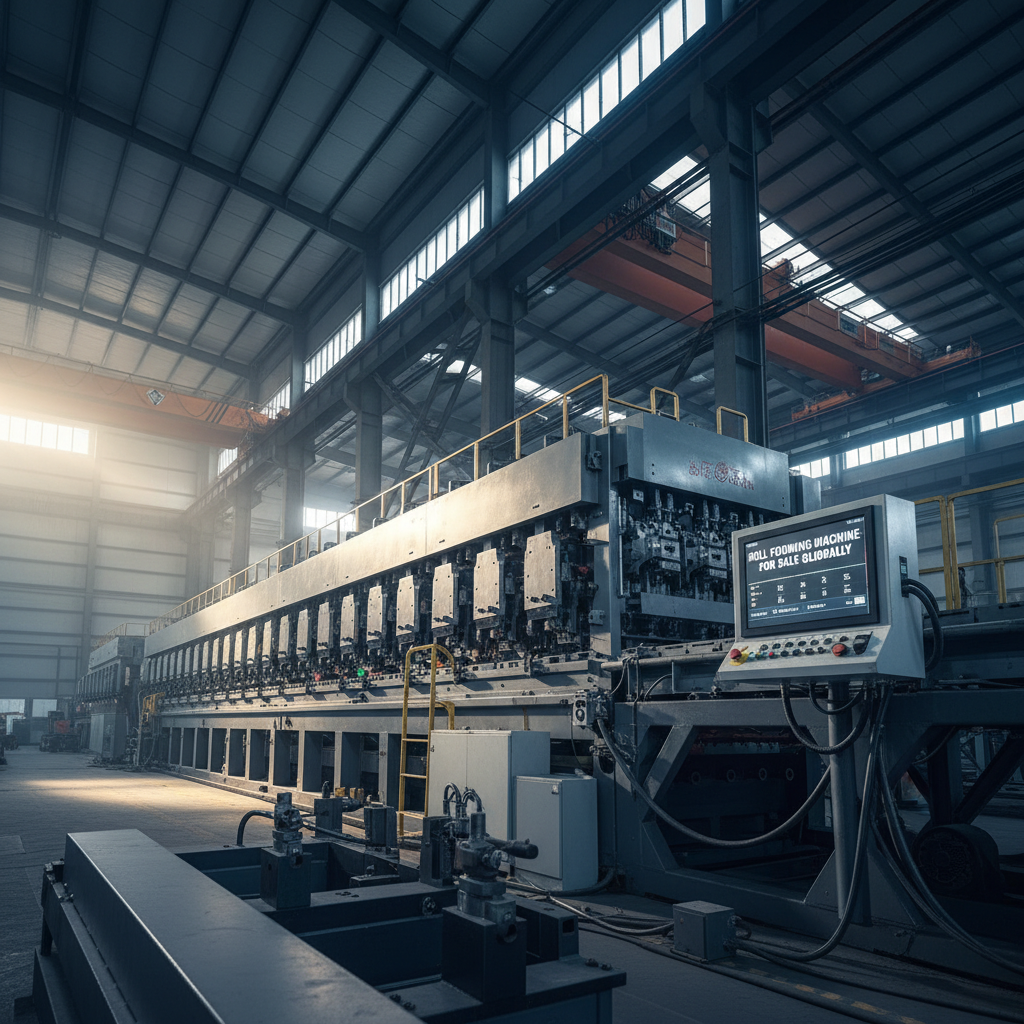
The global demand for efficient and cost-effective construction and manufacturing solutions has driven significant interest in forming machines. Understanding the nuances of forming machine price is crucial for businesses and industries seeking to optimize production processes, reduce material waste, and enhance product quality. This understanding extends beyond simple acquisition costs, encompassing long-term operational expenses, maintenance, and the overall return on investment.
Fluctuations in raw material prices, technological advancements, and varying labor costs all contribute to the complex landscape of forming machine pricing. According to the United Nations Industrial Development Organization (UNIDO), sustainable industrial development relies heavily on access to appropriate technologies at reasonable costs. Therefore, analyzing the factors influencing forming machine price is critical for fostering economic growth and competitiveness on a global scale.
The ability to accurately assess and compare forming machine price empowers businesses to make informed decisions, mitigating risks and maximizing profitability. This is especially vital in rapidly evolving manufacturing sectors where efficiency and innovation are paramount. A strategic approach to machine acquisition translates directly into enhanced production capabilities and a stronger market position.
Introduction to Forming Machine Price
Understanding the complexities of forming machine price is paramount for businesses operating in diverse manufacturing sectors. The initial cost represents only a fraction of the total investment; factors like operational efficiency, maintenance requirements, and the machine’s lifespan significantly impact the overall return. A comprehensive approach to evaluating forming machine price is essential for maximizing profitability.
The current global economic climate, characterized by supply chain disruptions and fluctuating material costs, has further highlighted the importance of accurate price assessment. Strategic sourcing and a thorough understanding of market dynamics can help businesses navigate these challenges and secure favorable terms for forming machine acquisitions.
Defining Forming Machine Price
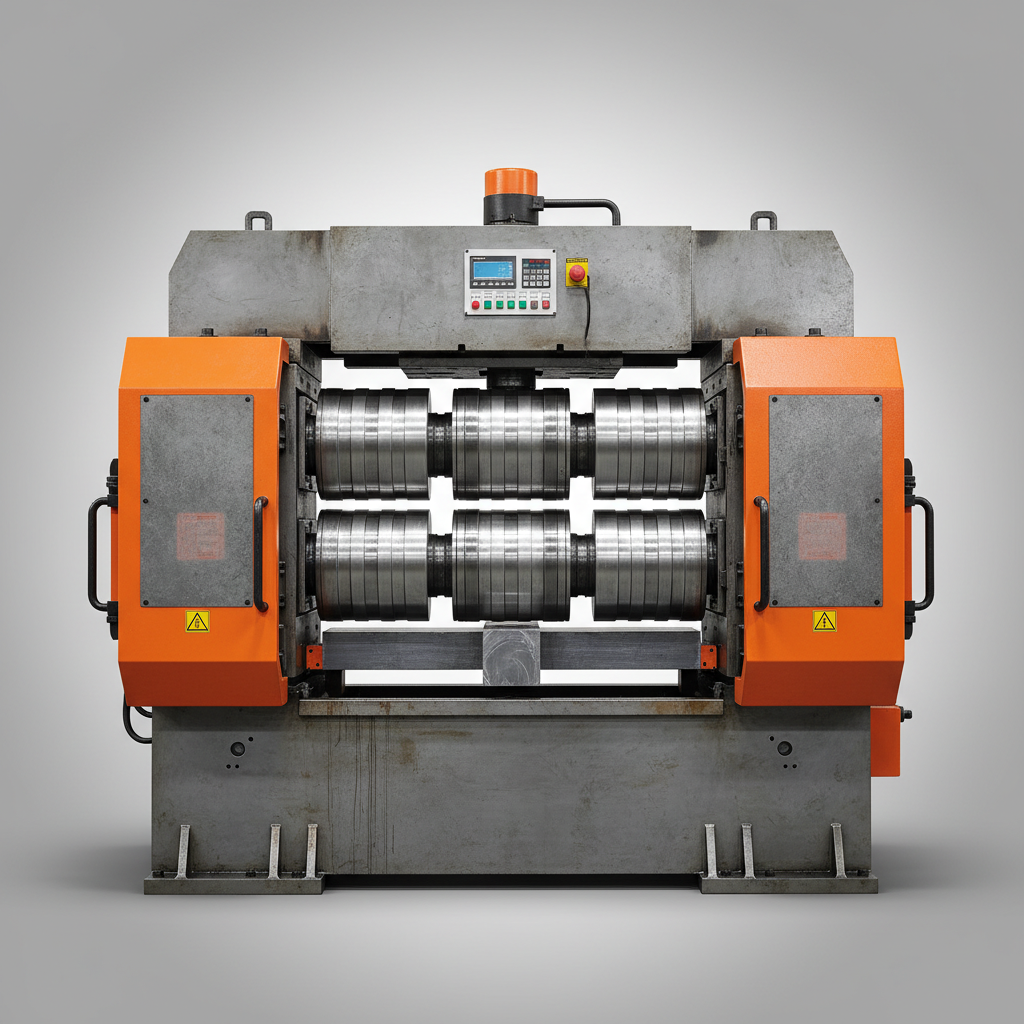
Forming machine price encompasses the total cost associated with acquiring and utilizing a machine designed to alter the shape of materials through processes like bending, stamping, or rolling. This price isn't simply the sticker value; it includes delivery, installation, initial training, and often, extended warranties or service contracts. The price reflects the machine's specifications – its capacity, automation level, and materials of construction.
In modern industry, accurately defining forming machine price is fundamental for budgeting, forecasting, and project planning. It directly influences production costs and, consequently, the competitiveness of finished goods. A well-defined price also facilitates informed comparisons between different machines and suppliers.
The concept of forming machine price extends beyond purely economic considerations. Investing in a high-quality, efficient machine contributes to sustainable manufacturing practices by reducing waste, conserving energy, and minimizing environmental impact. It also directly supports worker safety and improves the overall quality of life.
Key Factors Influencing Forming Machine Price
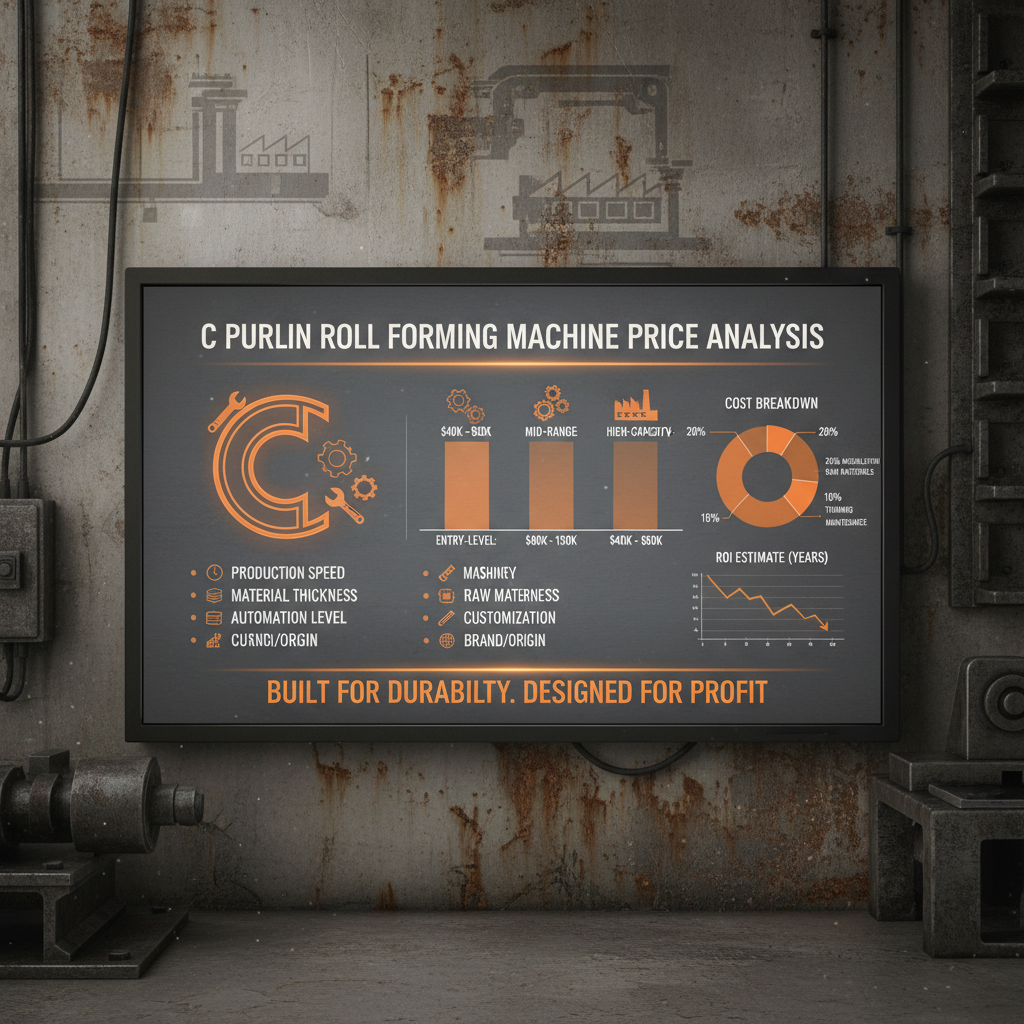
Several critical factors determine the forming machine price. Machine complexity and automation are significant drivers; machines capable of intricate operations or operating with minimal human intervention generally command higher prices. The type of materials the machine can process also plays a role, with machines designed for specialized materials often being more expensive.
Another crucial factor is the manufacturer’s reputation and geographic location. Established brands with a proven track record of reliability and innovation typically charge premium prices. Shipping costs, import duties, and currency exchange rates also contribute to the final forming machine price, particularly for internationally sourced machines.
Furthermore, the level of customization significantly impacts price. Machines tailored to specific production requirements will invariably cost more than standard models. Finally, the overall market demand and competitive landscape also exert considerable influence on forming machine price.
Global Applications & Industry Relevance
Forming machines are integral to a vast array of industries worldwide. The automotive sector relies heavily on these machines for producing body panels, chassis components, and structural elements. The aerospace industry utilizes forming machines to create lightweight, high-strength components for aircraft. The construction industry employs these machines for manufacturing metal roofing, siding, and structural supports.
In regions like China, Germany, and the United States – major manufacturing hubs – the demand for high-performance forming machines is consistently high. These countries serve as both producers and consumers of these technologies. Developing nations are also increasingly adopting forming machines to modernize their manufacturing sectors and enhance their economic competitiveness.
Organizations involved in infrastructure development and disaster relief also benefit from forming machines. Mobile forming units can be deployed to remote locations to produce essential building materials on-site, accelerating reconstruction efforts and providing immediate shelter.
Comparing Forming Machine Price Based on Automation Level
Advantages and Long-Term Value
Investing in a quality forming machine offers numerous tangible benefits. Reduced labor costs, increased production speed, and improved product consistency all contribute to enhanced profitability. Furthermore, minimizing material waste through precise forming processes promotes sustainability and reduces environmental impact.
The long-term value extends beyond cost savings. Reliable machines minimize downtime, ensuring continuous production flow and fulfilling customer orders efficiently. This fosters a reputation for dependability and builds trust with clients, leading to repeat business and sustained growth.
Future Trends in Forming Machine Technology
The future of forming machine technology is centered around increased automation, integration with digital systems, and the adoption of sustainable practices. Artificial intelligence (AI) and machine learning (ML) are being implemented to optimize forming processes, predict maintenance needs, and improve overall efficiency.
Expect to see greater use of lightweight materials and advanced forming techniques to create innovative products with enhanced performance characteristics. Energy-efficient designs and the integration of renewable energy sources will also become increasingly prevalent, reflecting a commitment to environmental responsibility.
Digital twins – virtual representations of physical machines – will play a crucial role in optimizing performance and enabling remote diagnostics. This trend aligns with the broader Industry 4.0 revolution, transforming manufacturing into a data-driven, interconnected ecosystem.
Challenges and Solutions Regarding Price
One of the primary challenges associated with forming machine price is accurately assessing the total cost of ownership. Hidden expenses such as maintenance, tooling, and training can significantly inflate the overall investment. Thorough due diligence and transparent communication with suppliers are essential for mitigating this risk.
Another challenge is navigating the complex global supply chain and potential geopolitical disruptions. Diversifying suppliers and establishing long-term partnerships can enhance supply chain resilience. Exploring financing options, such as leasing or vendor financing, can also help manage upfront costs.
Finally, keeping pace with rapidly evolving technology requires continuous investment in upgrades and training. A strategic approach to technology adoption, coupled with ongoing skill development, is crucial for maximizing the long-term value of forming machine investments.
Summary of Challenges and Solutions related to Forming Machine Price
| Challenge |
Impact on Forming Machine Price |
Proposed Solution |
Implementation Difficulty (1-10) |
| Hidden Costs |
Inflated Total Cost of Ownership |
Comprehensive Cost Analysis & Supplier Transparency |
4 |
| Supply Chain Disruptions |
Increased Lead Times & Higher Prices |
Supplier Diversification & Long-Term Partnerships |
6 |
| Technological Obsolescence |
Reduced Machine Lifespan & Performance |
Planned Upgrade Cycles & Continuous Training |
7 |
| Fluctuating Raw Material Costs |
Increased Manufacturing Price |
Negotiate Fixed-Price Contracts & Explore Alternative Materials |
5 |
| Currency Exchange Rate Volatility |
Unpredictable International Pricing |
Hedging Strategies & Local Sourcing |
8 |
| Lack of Skilled Operators |
Reduced Efficiency & Increased Downtime |
Invest in Comprehensive Operator Training Programs |
3 |
FAQS
The level of automation, machine capacity, materials used in construction, and the manufacturer's reputation are key drivers of forming machine price. Complex machines capable of intricate operations, built with high-quality materials, and backed by a reputable brand typically command higher prices. Shipping, installation and training also add to the total cost.
Focus on the total cost of ownership, not just the initial purchase price. Request detailed quotes that include delivery, installation, training, maintenance contracts, and the cost of tooling. Compare machines with similar specifications and automation levels. Consider the vendor's reputation, support services, and warranty offerings.
The lifespan of a forming machine varies depending on its type, usage, and maintenance. Generally, a well-maintained machine can last 10-20 years. Machines with robust construction, high-quality components, and readily available spare parts tend to have longer lifespans and may justify a higher initial price.
Yes, several financing options are available, including traditional bank loans, equipment leasing, and vendor financing. Leasing can provide a lower upfront cost and tax advantages, while vendor financing often offers competitive rates and flexible terms. Consider your business's financial situation and explore all available options.
Maintenance is a significant ongoing expense. Regular preventative maintenance can extend the machine's lifespan and minimize downtime, but it still incurs costs for parts, labor, and potential service contracts. Factor in estimated maintenance costs when evaluating the total cost of ownership.
Energy-efficient forming machines consume less electricity, reducing operating costs and minimizing environmental impact. While these machines may have a slightly higher initial price, the long-term energy savings can outweigh the added cost. Look for machines with energy-saving features and consider the energy consumption rate when making a purchase decision.
Conclusion
Understanding forming machine price is a multifaceted endeavor, requiring consideration of initial investment, operational costs, long-term maintenance, and technological advancements. A strategic approach that prioritizes total cost of ownership, sustainability, and future scalability is crucial for maximizing return on investment and achieving long-term success.
As the manufacturing landscape continues to evolve, embracing innovation and prioritizing efficiency will become even more critical. We encourage businesses to thoroughly research available options, engage with experienced suppliers, and invest in technologies that align with their specific needs and long-term goals. For competitive forming machine price and expert guidance, visit our website today: www.yowinmachine.com