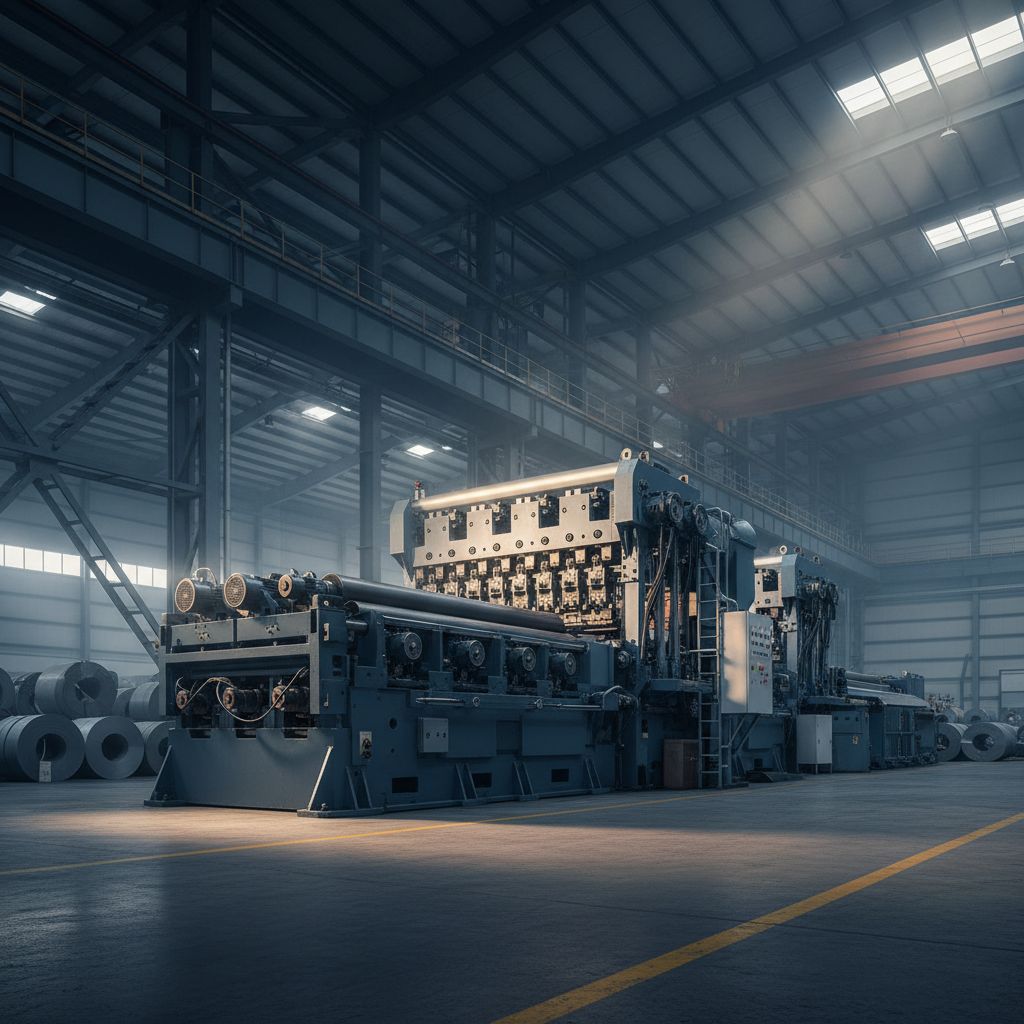
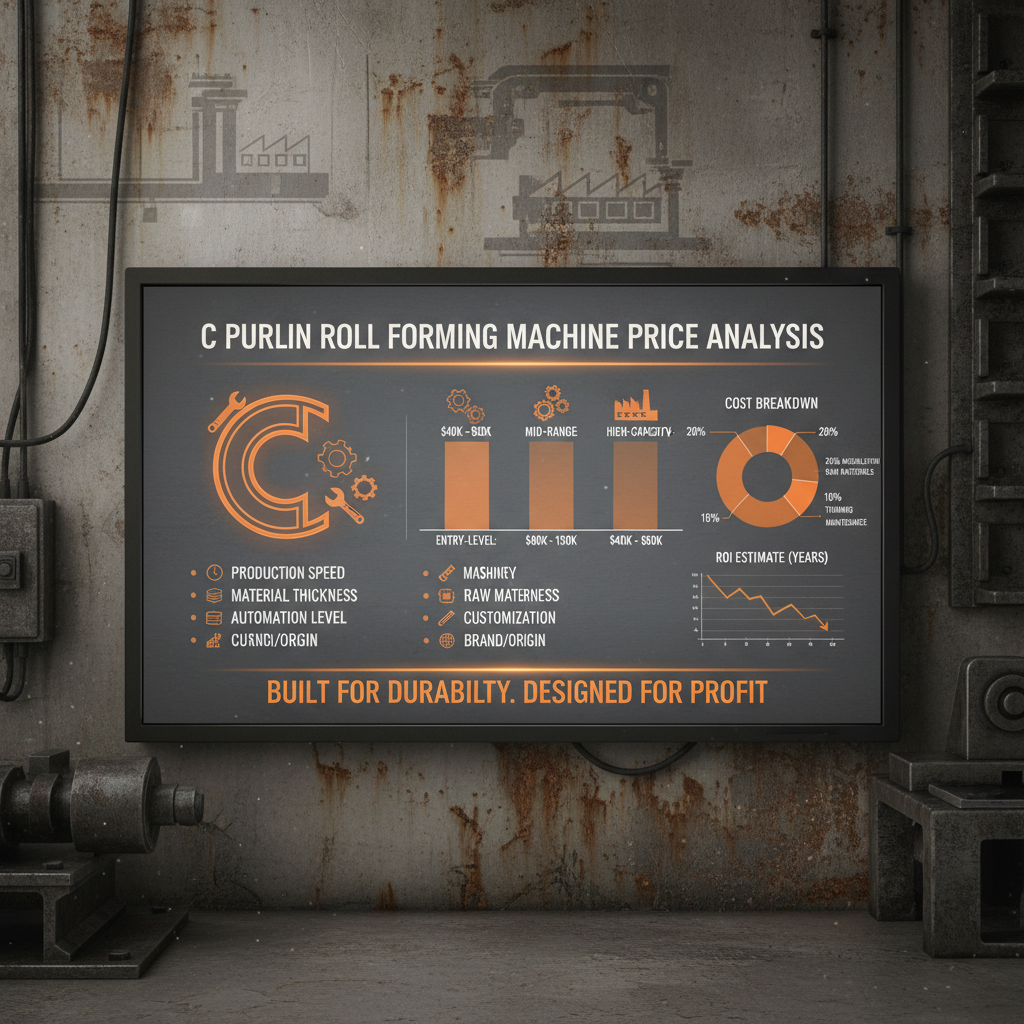
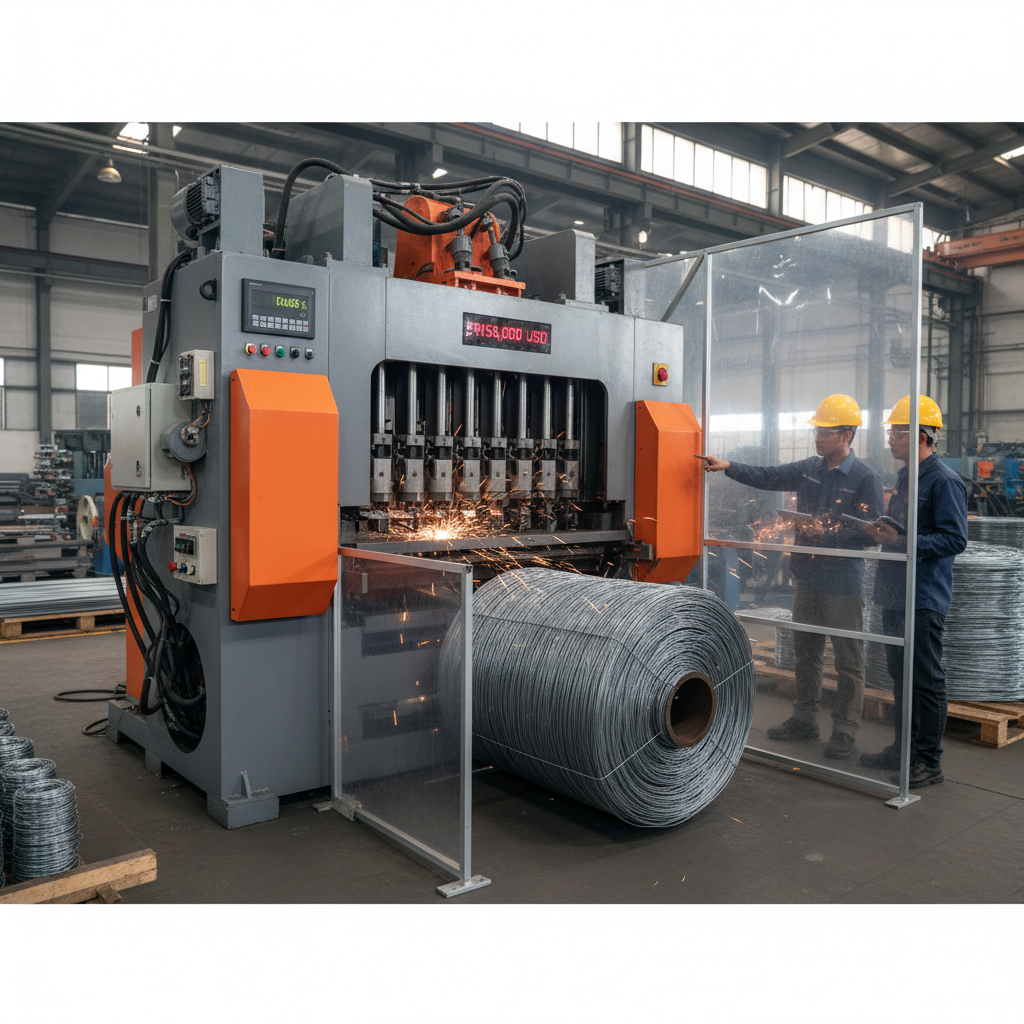
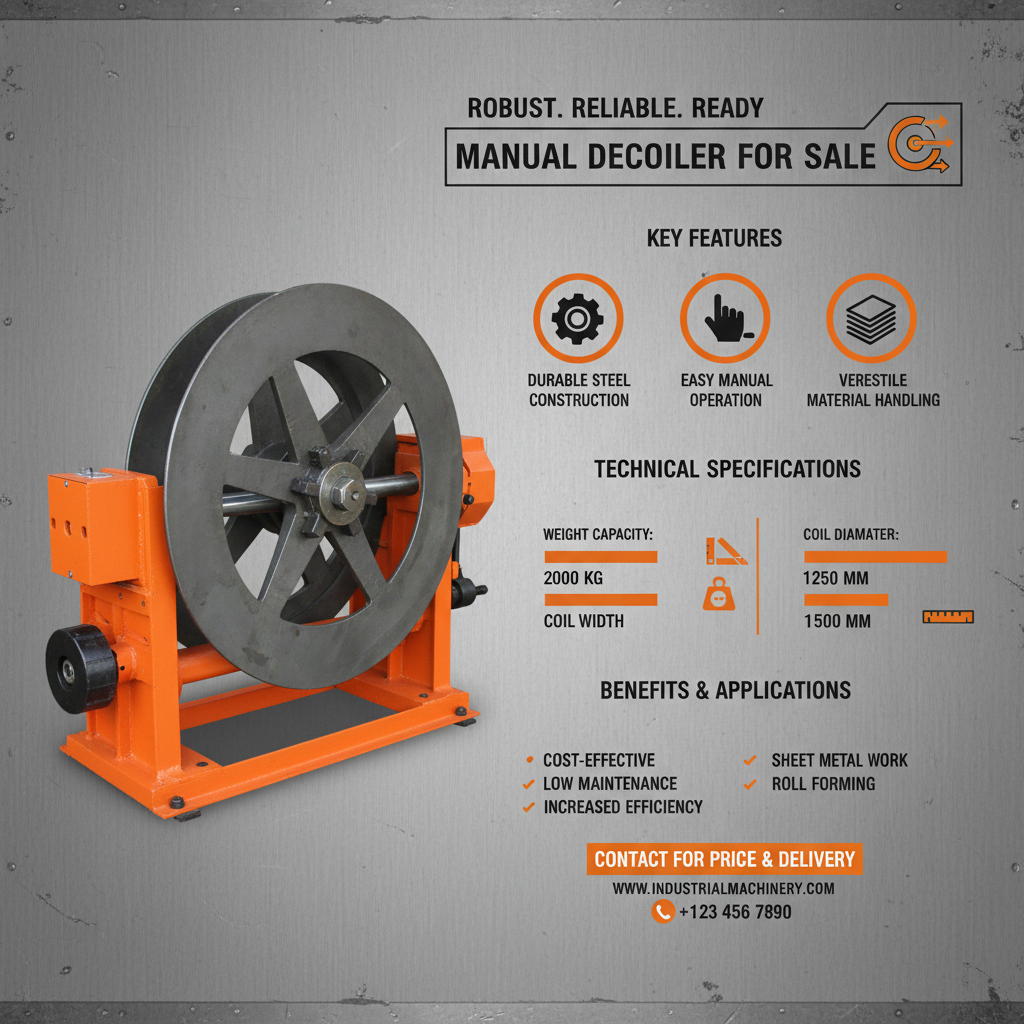
Roll forming machine price is a crucial consideration for businesses across various industries, from construction and manufacturing to automotive and appliance production. Understanding the factors influencing this price – material costs, automation levels, machine complexity, and supplier competition – is paramount for making informed investment decisions. The global demand for cost-effective and efficient manufacturing solutions drives the ongoing evolution of roll forming technology, impacting both the initial investment and long-term operational expenses associated with these machines.
The rise of prefabricated building components, lightweight automotive parts, and high-volume metal profiles has significantly increased the need for robust and versatile roll forming machines. Consequently, the global roll forming machine market is experiencing steady growth, projected to continue as industries seek to optimize production processes and reduce material waste. Finding the right balance between machine capabilities and roll forming machine price is key to achieving a competitive edge in today’s demanding marketplace.
Accurately assessing roll forming machine price requires a thorough understanding of specific application requirements, desired production volumes, and the overall lifecycle cost of the equipment. Investing in a high-quality machine, even at a higher upfront cost, often proves more economical in the long run due to reduced maintenance, increased efficiency, and prolonged operational life.
Understanding Roll Forming Machine Price
The roll forming machine price is not a static figure; it’s a dynamic value influenced by a complex interplay of factors. A basic, manually operated machine designed for simple profiles will have a significantly lower price point than a fully automated, computer-controlled system capable of producing intricate shapes. Material selection, machine gauge (thickness of metal it can process), and the level of customization all contribute to the overall cost.
Furthermore, the geographical location of the manufacturer and the supplier’s reputation can impact the price. Machines sourced from regions with lower labor costs may be more affordable initially, but it’s crucial to consider factors like quality control, after-sales support, and the availability of spare parts when evaluating the overall value proposition. A higher roll forming machine price can often translate to a longer machine life and fewer operational disruptions.
Defining Roll Forming Machine Price
Roll forming machine price refers to the total cost associated with acquiring a machine designed to continuously bend sheet metal into a desired cross-sectional profile. This encompasses not only the base price of the machine itself but also additional expenses like tooling costs (roll sets specific to the profile being produced), shipping, installation, training, and potential customization. A comprehensive understanding of these components is essential for accurate budgeting.
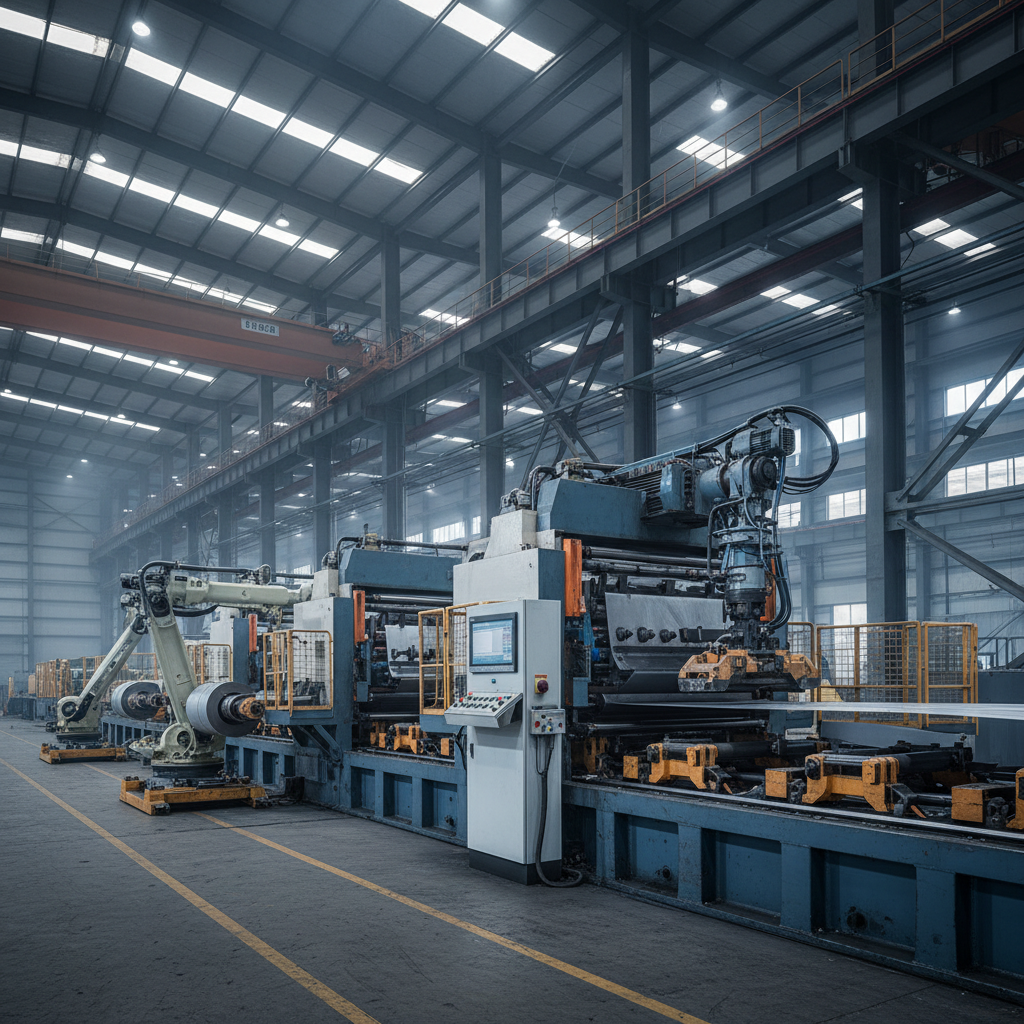
The price also reflects the technological sophistication of the machine. Machines with advanced features like automatic coil loading, precision cutting systems, and inline quality control sensors command a higher price. However, these advancements often lead to increased production efficiency, reduced material waste, and improved product quality, ultimately offsetting the initial investment.
In essence, roll forming machine price is a measure of the machine’s capability, versatility, and longevity, providing a benchmark for comparing different models and suppliers.
Core Components Influencing Roll Forming Machine Price
Several key components significantly influence the final roll forming machine price. The uncoiler – responsible for smoothly feeding the metal strip into the machine – can range from a simple manual system to a fully automated servo-controlled unit, impacting the cost substantially. Similarly, the forming station complexity, dictated by the profile's intricacy, determines the number of roll sets required and the precision of the machine’s frame.
The drive system – whether it utilizes traditional motors or advanced servo motors – plays a vital role in controlling speed and precision. Servo motors offer superior control and repeatability but come at a higher price. Cutting systems also contribute significantly, with options ranging from simple shears to flying cutoff saws that cut material on the fly, improving efficiency. Finally, the control system (PLC and HMI) dictates the machine’s automation level and ease of operation, heavily influencing the total roll forming machine price.
The machine’s gauge (the maximum thickness of metal it can process) also directly affects the price. Machines designed for heavier gauge materials require more robust construction and more powerful drive systems, leading to a higher investment. Selecting the appropriate gauge for your specific application is crucial for optimizing both performance and roll forming machine price.
Applications and Industries Impacting Roll Forming Machine Price
The intended application and the industry it serves significantly shape the roll forming machine price. Machines designed for high-precision applications in the aerospace or medical industries, requiring tight tolerances and specialized materials, naturally command a higher price than those used for more general purposes in construction.
Industries like automotive manufacturing demand machines capable of producing complex profiles with high speed and accuracy, leading to increased investment in automation and sophisticated control systems. Similarly, the construction industry’s need for structural components like purlins and studs drives demand for robust and efficient machines optimized for high-volume production.
Roll Forming Machine Price by Industry Segment
Advantages of Optimizing Roll Forming Machine Price
Securing a competitive roll forming machine price offers several advantages. Reduced capital expenditure frees up resources for other critical investments, such as tooling, materials, and workforce training. Furthermore, a well-chosen machine, even if not the cheapest option initially, can deliver lower operational costs through increased efficiency and reduced maintenance requirements.
Optimizing roll forming machine price also contributes to enhanced profitability. Lower production costs translate to more competitive pricing for finished products, enabling businesses to gain market share and attract new customers. Investing in a machine that meets specific production needs prevents overspending on unnecessary features and ensures a strong return on investment.
Future Trends in Roll Forming Machine Price
Several emerging trends are poised to influence roll forming machine price in the coming years. Increased automation, driven by advancements in robotics and artificial intelligence, will likely lead to higher upfront costs but significantly reduce labor expenses and improve production accuracy. The integration of digital twins and predictive maintenance technologies will also impact price, enabling proactive maintenance and minimizing downtime.
A growing emphasis on sustainability and the use of eco-friendly materials will drive demand for machines capable of processing thinner gauges and alternative metals, potentially affecting tooling costs and machine design. The demand for customized profiles and shorter production runs will also necessitate more flexible and adaptable machines, influencing the roll forming machine price.
Challenges & Considerations in Roll Forming Machine Price
Despite the benefits, navigating the roll forming machine price landscape presents certain challenges. Hidden costs, such as tooling expenses, installation fees, and ongoing maintenance, can significantly inflate the total investment. Ensuring compatibility with existing infrastructure and materials can also require additional modifications and expenses.
Another challenge is accurately assessing the long-term reliability and support offered by the supplier. Choosing a reputable manufacturer with a proven track record and readily available spare parts is crucial for minimizing downtime and maximizing the machine’s lifespan. Careful consideration of these factors is essential for making a sound investment and avoiding unexpected costs.
Overview of Key Considerations for Roll Forming Machine Price Evaluation
| Component Cost |
Automation Level |
Supplier Reputation |
Long-Term Value |
| Percentage of total machine price allocated to core components (uncoiler, forming station, cutting system). |
Impact of automation on initial cost vs. ongoing labor savings (scored 1-10). |
Supplier's experience, customer reviews, and after-sales support (scored 1-10). |
Projected lifespan, maintenance costs, and potential for future upgrades (scored 1-10). |
| Cost of tooling and its compatibility with desired profiles. |
Impact of PLC and HMI sophistication on ease of operation and control. |
Availability of spare parts and technical expertise for troubleshooting. |
Potential for adapting the machine to future product changes or market demands. |
| Material quality and durability of machine components. |
Integration of sensors and data analytics for process optimization. |
Financial stability and long-term viability of the supplier. |
Resale value and potential for recouping investment in the future. |
| Hidden costs associated with installation and training. |
Compatibility with existing production workflow and infrastructure. |
Warranty coverage and responsiveness to service requests. |
Energy efficiency and environmental impact of the machine. |
| Customization options and their impact on overall price. |
Ability to handle a range of materials and thicknesses. |
References from other customers in similar industries. |
Potential for reducing material waste and improving yield. |
| Shipping costs and logistics considerations. |
Compliance with relevant safety standards and regulations. |
Overall cost of ownership over the machine's lifecycle. |
Scalability and ability to accommodate future production growth. |
FAQS
Several key factors significantly impact roll forming machine price. These include the level of automation, the complexity of the profiles being produced, the machine’s gauge (material thickness capacity), the quality of components, and the reputation of the manufacturer. Customization requests will also increase the price. It's vital to evaluate these aspects in relation to your specific production needs to determine the optimal balance between cost and functionality.
Automation significantly influences roll forming machine price. Machines with higher levels of automation – such as automatic coil loading, servo-controlled drives, and inline cutting systems – generally have a higher upfront cost. However, this investment often translates to reduced labor costs, increased production efficiency, and improved product quality, potentially offering a strong return on investment over the long term.
A well-maintained roll forming machine typically has a lifespan of 15-25 years, or even longer. A longer lifespan directly impacts the total cost of ownership by reducing the frequency of replacements. Investing in a machine built with durable materials and offering robust support from a reputable manufacturer is crucial for maximizing its lifespan and minimizing long-term expenses. Regular maintenance and timely repairs are also essential for extending its operational life.
To minimize hidden costs, conduct thorough research and obtain detailed quotes from multiple suppliers, including costs for tooling, installation, training, and shipping. Carefully review the warranty terms and understand the availability of spare parts. Factor in ongoing maintenance expenses and potential downtime costs. Also, ensure that the machine is compatible with your existing infrastructure and materials to avoid costly modifications.
The decision to buy new or used depends on your budget, production requirements, and risk tolerance. New machines offer the latest technology, full warranty coverage, and potentially higher reliability. Used machines can be more affordable, but they may require more maintenance and lack the same level of support. A thorough inspection and assessment of a used machine’s condition are essential before making a purchase.
The return on investment (ROI) for a roll forming machine varies based on production volume, product complexity, and operational efficiency. However, roll forming machines typically offer a significant ROI by reducing material waste, increasing production speed, and improving product quality. A well-chosen machine can pay for itself within a few years, especially in high-volume applications. Careful cost analysis is vital.
Conclusion
Understanding the nuances of roll forming machine price is critical for businesses seeking efficient and cost-effective metal forming solutions. The price is influenced by a multitude of factors – from automation levels and material quality to supplier reputation and customization options. A strategic approach to evaluation, prioritizing long-term value over initial cost, is essential for maximizing return on investment.
As technology continues to advance, we can anticipate further innovation in roll forming technology, leading to more efficient, versatile, and potentially more affordable machines. Staying informed about these trends and carefully assessing your specific production needs will empower you to make informed decisions and capitalize on the opportunities presented by this dynamic industry. To learn more about the latest roll forming machine technology and pricing, visit our website: roll forming machine price.