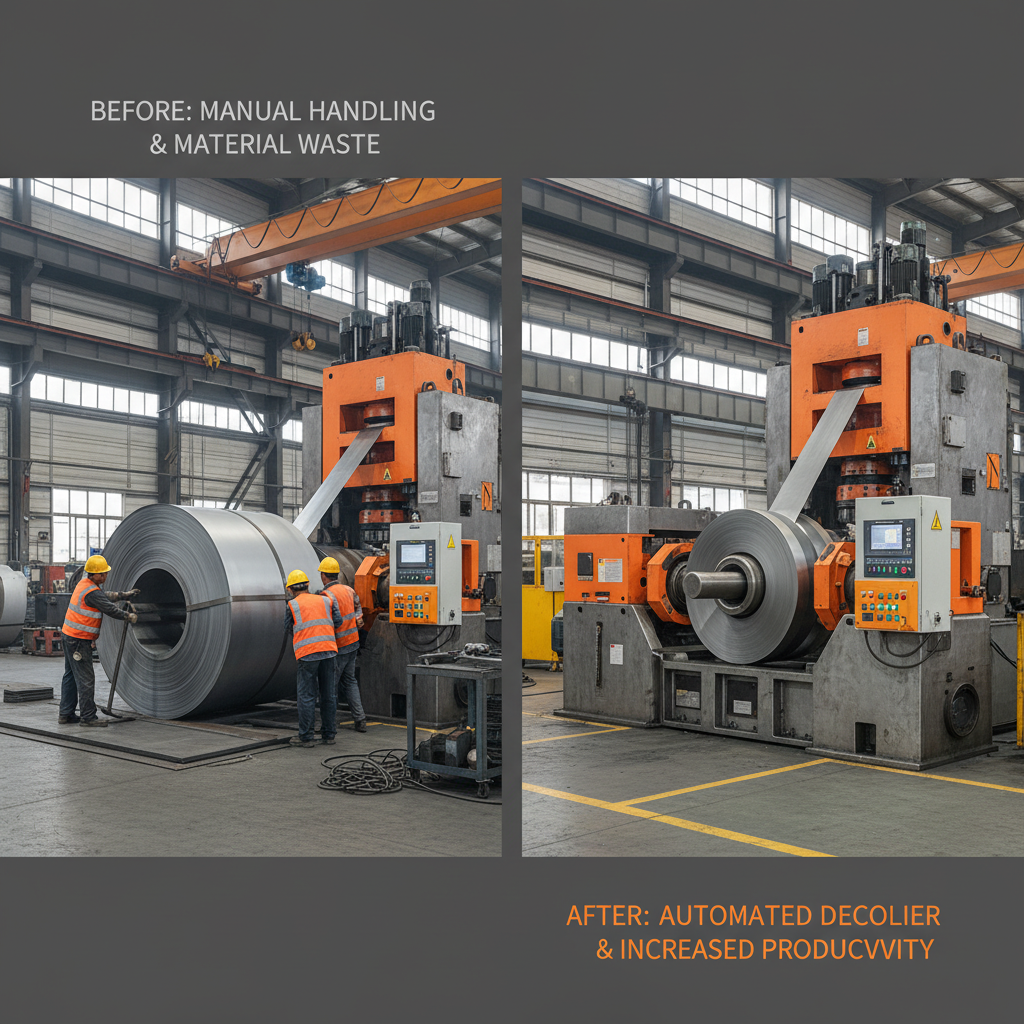
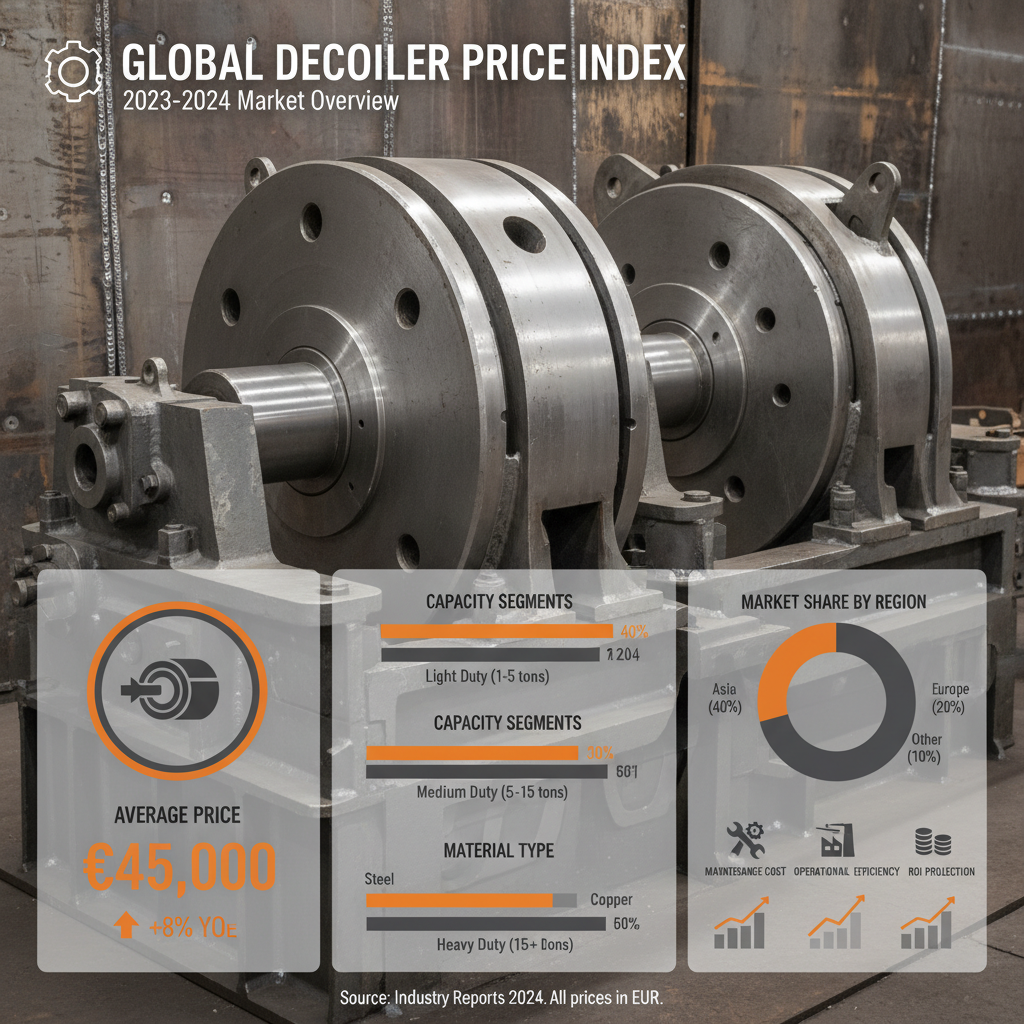
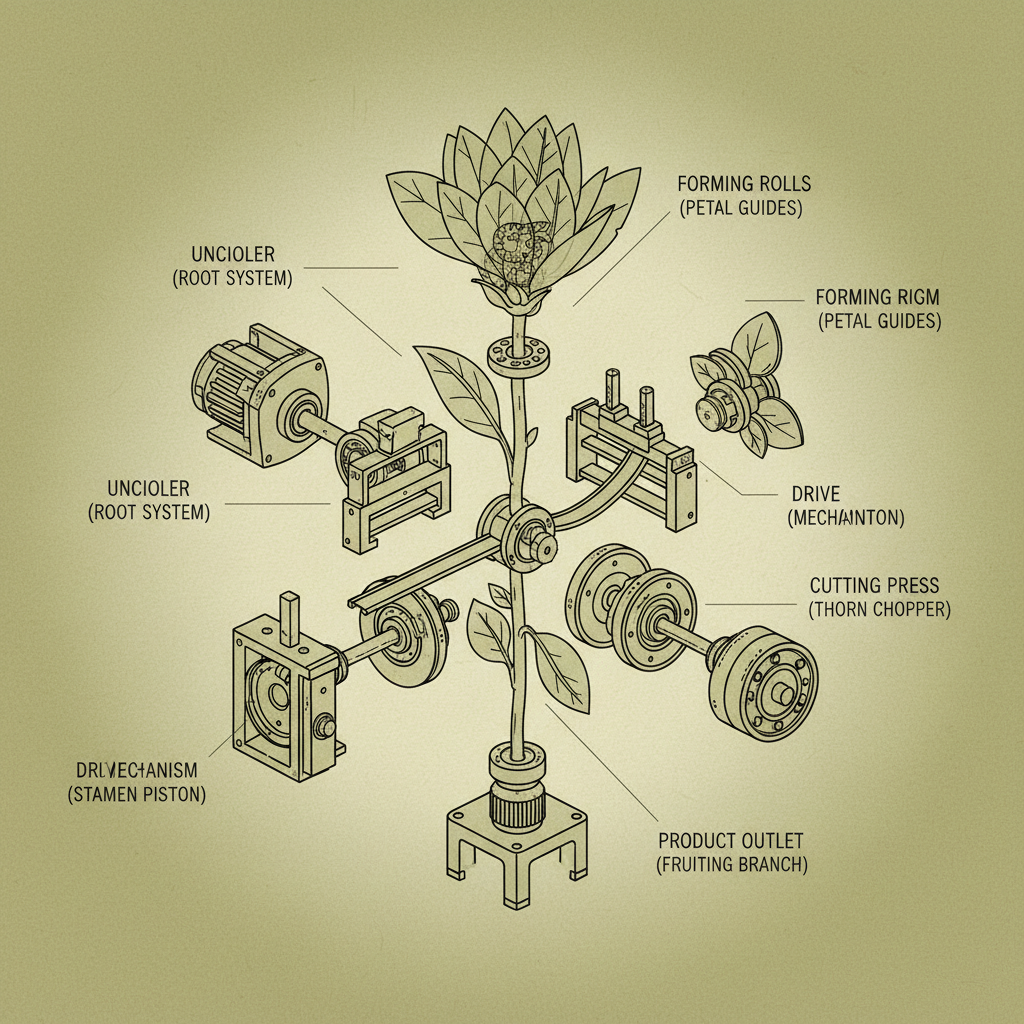
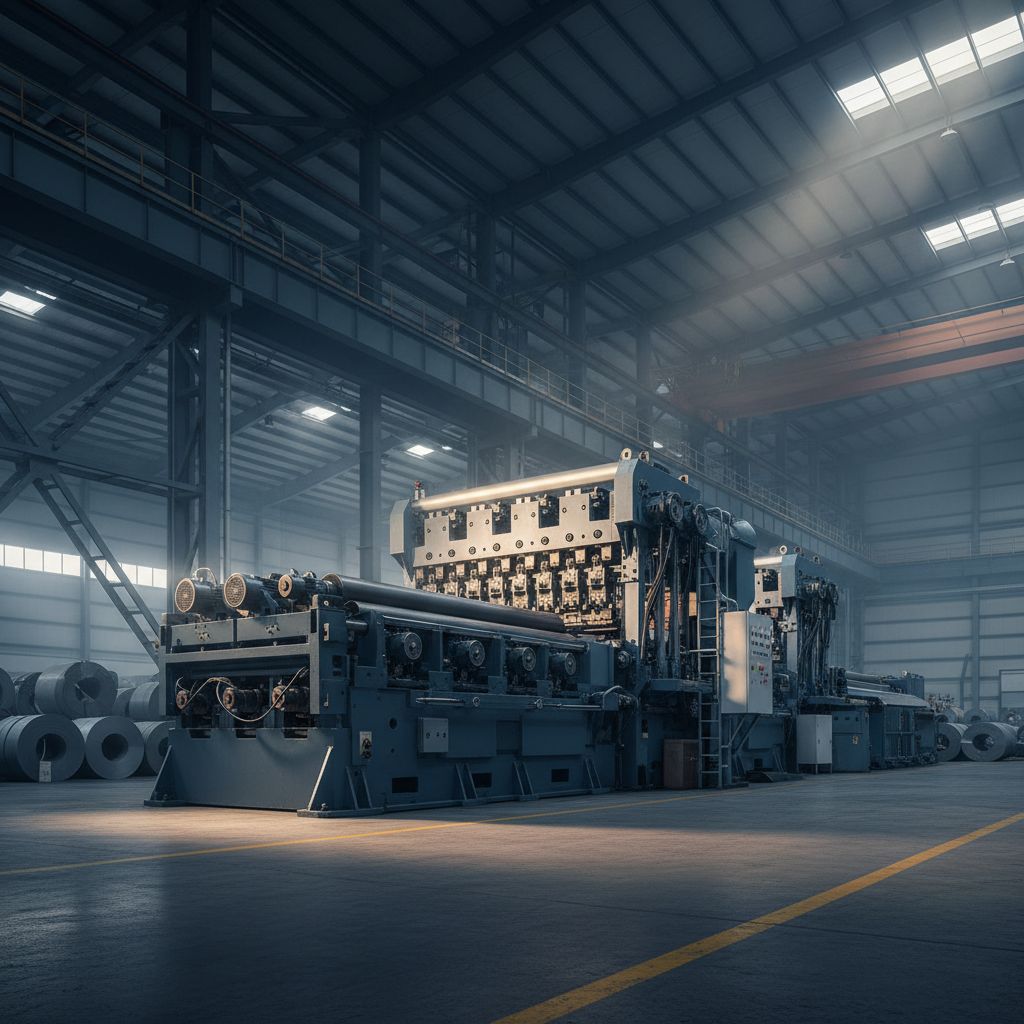
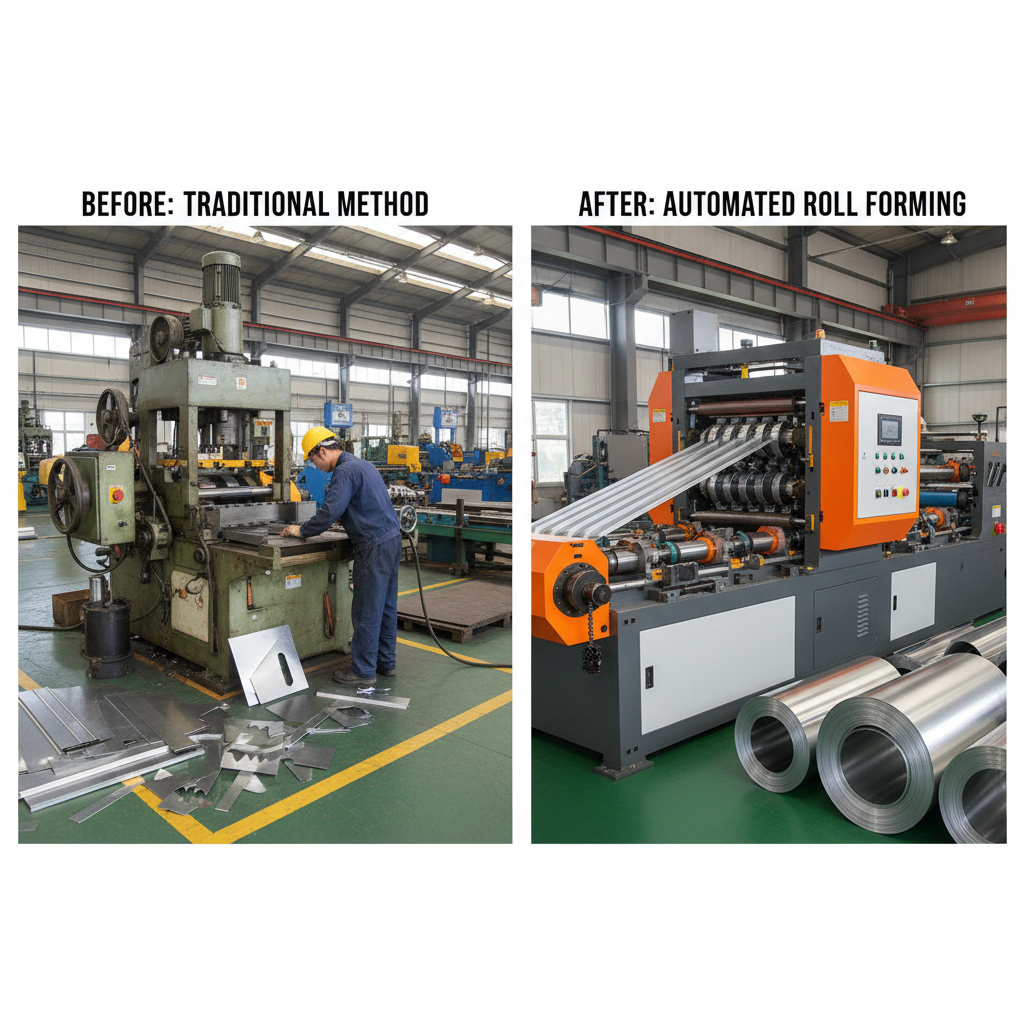
The global landscape of manufacturing relies heavily on efficient material handling. A crucial component of this process is the decoiler, a machine that unwinds coiled materials like steel, aluminum, and other metals. Understanding the nuances of decoiler price is therefore paramount for businesses across various industries, impacting project budgets, production timelines, and overall profitability. Effective decoiler selection directly correlates with streamlined operations and reduced material waste.
Fluctuations in raw material costs and global economic conditions significantly influence decoiler price. The demand for high-quality, durable decoilers is steadily increasing, especially in emerging markets undergoing rapid industrialization. According to reports from the World Bank, infrastructure development in these regions is a primary driver for the need for robust material handling equipment. Navigating these market forces and selecting the appropriate machine requires careful consideration of various factors.
The challenge lies in finding a balance between initial investment, long-term operational costs, and desired performance capabilities. A poorly chosen decoiler can lead to frequent breakdowns, material damage, and production bottlenecks, negating any initial cost savings. Therefore, a comprehensive understanding of the factors that contribute to decoiler price is vital for making informed decisions and maximizing return on investment.
The Significance of Decoiler Price in Global Manufacturing
The price of a decoiler isn’t just a number; it’s a reflection of its capability to streamline production processes, reduce material waste, and ultimately, impact a company's bottom line. In industries ranging from automotive and construction to appliance manufacturing and packaging, efficient material handling is critical for maintaining competitiveness. The initial decoiler price must be weighed against its operational lifespan and potential for cost savings.
The increasing demand for precision and automation in manufacturing is also driving up the need for sophisticated decoiling solutions. Features like automatic tension control, edge guides, and programmable logic controllers (PLCs) add to the overall cost, but they also deliver significant improvements in efficiency and product quality. Therefore, a strategic assessment of required features is key to optimizing the decoiler price.
Defining Decoiler Price: A Comprehensive Overview
Decoiler price refers to the total cost associated with acquiring a machine designed to unwind coiled materials. This encompasses not only the base machine price but also additional expenses like shipping, installation, training, and potential customization. The price varies significantly based on several factors, including the type of material being processed (steel, aluminum, copper, etc.), the coil weight capacity, the width and thickness of the material, and the level of automation.
Understanding the price breakdown is crucial for accurate budgeting. Often, a lower initial decoiler price can be deceptive if it lacks essential features or is constructed from lower-quality materials, leading to higher maintenance costs and downtime in the long run. It’s important to consider the Total Cost of Ownership (TCO) when evaluating different options.
The connection to modern industry is undeniable. As manufacturers strive for lean production principles and optimized supply chains, reliable and efficient decoiling becomes a fundamental requirement. This directly impacts their ability to meet customer demand, reduce lead times, and maintain product consistency. The selection of a well-priced and suitable decoiler is therefore integral to their overall success.
Core Components Influencing Decoiler Price
Several key components contribute to the final decoiler price. Coil car capacity, which dictates the maximum weight the machine can handle, is a significant factor. Larger capacity coil cars generally translate to higher prices due to the need for stronger construction and more robust drive systems. Similarly, the type of drive system (mechanical, hydraulic, or electric) impacts the cost, with electric drives typically being more expensive upfront but offering greater precision and energy efficiency.
Automation features also play a crucial role. Automatic tension control systems, which maintain consistent material tension during unwinding, increase the price but reduce material waste and improve product quality. Edge guides prevent material from drifting off the coil, further enhancing precision and reducing the need for manual adjustments. These features are particularly valuable in high-volume production environments. The more advanced the automation, the higher the decoiler price.
Finally, the material of construction influences the price. Decoiler components constructed from high-strength steel or corrosion-resistant alloys will naturally cost more than those made from standard materials. However, this investment can provide long-term durability and reduce the risk of costly repairs or replacements, contributing to a lower TCO.
Global Applications of Decoiling Technology and Their Associated Prices
Decoiling technology is ubiquitous across a multitude of industries. In the automotive sector, decoilers are vital for processing steel and aluminum coils used in body panel fabrication. Decoiler price in this sector ranges from $15,000 to $80,000+ depending on capacity and automation. The construction industry utilizes decoilers for handling metal roofing, siding, and structural components.
In packaging, decoilers are essential for unwinding film, foil, and paper used in flexible packaging applications. Prices here tend to be in the $8,000 to $40,000 range. In remote industrial zones, where access to skilled labor is limited, automated decoiling systems are becoming increasingly popular.
Across these regions, the price fluctuations are affected by factors like import duties, local labor costs, and currency exchange rates. In post-disaster relief operations, portable decoilers are used for rapidly deploying temporary shelters and infrastructure, demanding reliability and ease of transport, reflected in a higher per-unit price.
Decoiler Price Comparison by Application
Advantages and Long-Term Value of Strategic Decoiler Investments
Investing in a high-quality decoiler yields significant long-term benefits. Reduced material waste is a primary advantage, as precise tension control and edge guiding minimize scrap and improve yield. Improved production efficiency translates to shorter lead times and increased output. Furthermore, a durable and reliable decoiler reduces the risk of costly downtime and maintenance, ultimately lowering the Total Cost of Ownership (TCO).
From a sustainability perspective, minimizing material waste aligns with environmentally responsible manufacturing practices. The enhanced safety features of modern decoilers, such as emergency stop buttons and safety guards, protect operators and prevent accidents. These factors contribute to a positive brand image and foster trust with customers and stakeholders. Choosing a machine that fits specific needs and budget is crucial to realize the true value represented by the decoiler price.
Future Trends and Innovations in Decoiler Technology Affecting Price
The future of decoiling technology is focused on increased automation, connectivity, and data analytics. Integration with Industry 4.0 principles is driving the development of “smart” decoilers equipped with sensors and remote monitoring capabilities. These features allow for predictive maintenance, optimized performance, and real-time data collection, potentially impacting the initial decoiler price but delivering substantial long-term savings.
The incorporation of artificial intelligence (AI) and machine learning (ML) algorithms will enable decoilers to self-adjust to changing material properties and optimize unwinding parameters. Furthermore, research into new materials and construction techniques promises to yield lighter, more durable, and more energy-efficient decoilers.
Challenges in Decoiler Procurement and Potential Solutions
One common challenge is accurately assessing specific needs. Companies often underestimate their requirements, leading to the purchase of undersized or under-equipped decoilers. A thorough analysis of material types, coil weights, production volumes, and desired automation levels is crucial. Another challenge is navigating the complex landscape of suppliers and ensuring quality control.
Finding the right vendor with proven expertise and a strong track record is paramount. Seeking independent reviews and certifications can help mitigate risk. Furthermore, negotiating favorable financing terms and service agreements can significantly reduce the overall TCO.
Supply chain disruptions, as highlighted in recent years, can also impact decoiler price and lead times. Building strong relationships with multiple suppliers and maintaining buffer stock can help mitigate these risks.
Core Analysis of Decoiler Procurement Challenges and Solutions
| Challenge |
Impact on Decoiler Price |
Severity (1-10) |
Potential Solution |
| Inaccurate Needs Assessment |
Purchasing an unsuitable model; increased costs. |
8 |
Detailed process analysis & consultation with experts. |
| Supplier Quality Concerns |
Lower quality components; higher maintenance. |
9 |
Vendor vetting & quality certifications. |
| Financing Difficulties |
Delayed purchase; limited options. |
6 |
Explore leasing or financing options. |
| Supply Chain Disruptions |
Increased lead times & higher prices. |
7 |
Diversify suppliers & maintain buffer stock. |
| Lack of Technical Expertise |
Improper installation & operation; reduced lifespan. |
5 |
Invest in training for operators & maintenance personnel. |
| Hidden Costs (Shipping, Installation) |
Unexpected budget overruns. |
6 |
Obtain a fully itemized quote including all associated costs. |
FAQS
Several key elements influence the cost of a decoiler. These include coil car capacity (the maximum weight it can handle), the level of automation incorporated (e.g., automatic tension control), the material of construction (steel, stainless steel), and any custom features or integrations. The type of material being processed – whether it's steel, aluminum, or another alloy – also plays a role. Generally, higher capacity, greater automation, and premium materials correlate with a higher decoiler price.
Determining the right coil car capacity is vital. Start by calculating the maximum weight of the coils you'll be using. Add a safety margin of at least 20% to account for potential variations in coil weight and material density. Also, consider the available floor space and lifting equipment. Undersizing the coil car can lead to frequent coil changes and production downtime, while oversizing can result in unnecessary expense. Consulting with a decoiler specialist can ensure you select the optimal capacity for your specific application.
For many applications, automatic tension control is a worthwhile investment. It maintains consistent material tension throughout the unwinding process, resulting in improved product quality, reduced material waste, and increased production efficiency. While it adds to the initial decoiler price, the long-term benefits often outweigh the cost. It's particularly beneficial for high-speed production lines and applications requiring precise material handling.
Lead times can vary significantly depending on the manufacturer, the complexity of the machine, and current market conditions. Standard decoiler models typically have lead times of 4-8 weeks. However, customized decoilers with specific features or integrations can take 12 weeks or longer. Supply chain disruptions can also impact lead times, so it’s best to inquire with the supplier about their current production schedule and anticipated delivery date.
Regular maintenance is crucial for ensuring the longevity and reliability of a decoiler. Key maintenance tasks include lubricating moving parts, inspecting belts and rollers for wear, checking tension control systems, and cleaning the machine. The frequency of maintenance will depend on the usage rate and operating conditions. Following the manufacturer's recommended maintenance schedule is essential for preventing breakdowns and maximizing the lifespan of the machine. A higher initial decoiler price often correlates with lower long-term maintenance requirements.
Most decoiler manufacturers offer a standard warranty that covers defects in materials and workmanship. Warranty periods typically range from 12 to 24 months. Some manufacturers may offer extended warranties for an additional fee. It's important to carefully review the warranty terms and conditions to understand the coverage and any limitations. A reputable supplier will stand behind their product and provide comprehensive warranty support.
Conclusion
Ultimately, understanding the factors influencing decoiler price is paramount for making informed investment decisions. From assessing specific application needs and considering automation features to evaluating long-term maintenance costs, a comprehensive approach ensures optimal return on investment. Strategic selection of a decoiler streamlines production, minimizes waste, and enhances overall operational efficiency.
Looking ahead, the integration of smart technologies and data analytics will continue to drive innovation in decoiling technology. Investing in a modern, well-maintained decoiler isn't simply a cost – it’s a strategic investment in future productivity and competitiveness. For further information and to explore our range of decoiling solutions, visit our website at www.yowinmachine.com.