0%

Table of Contents

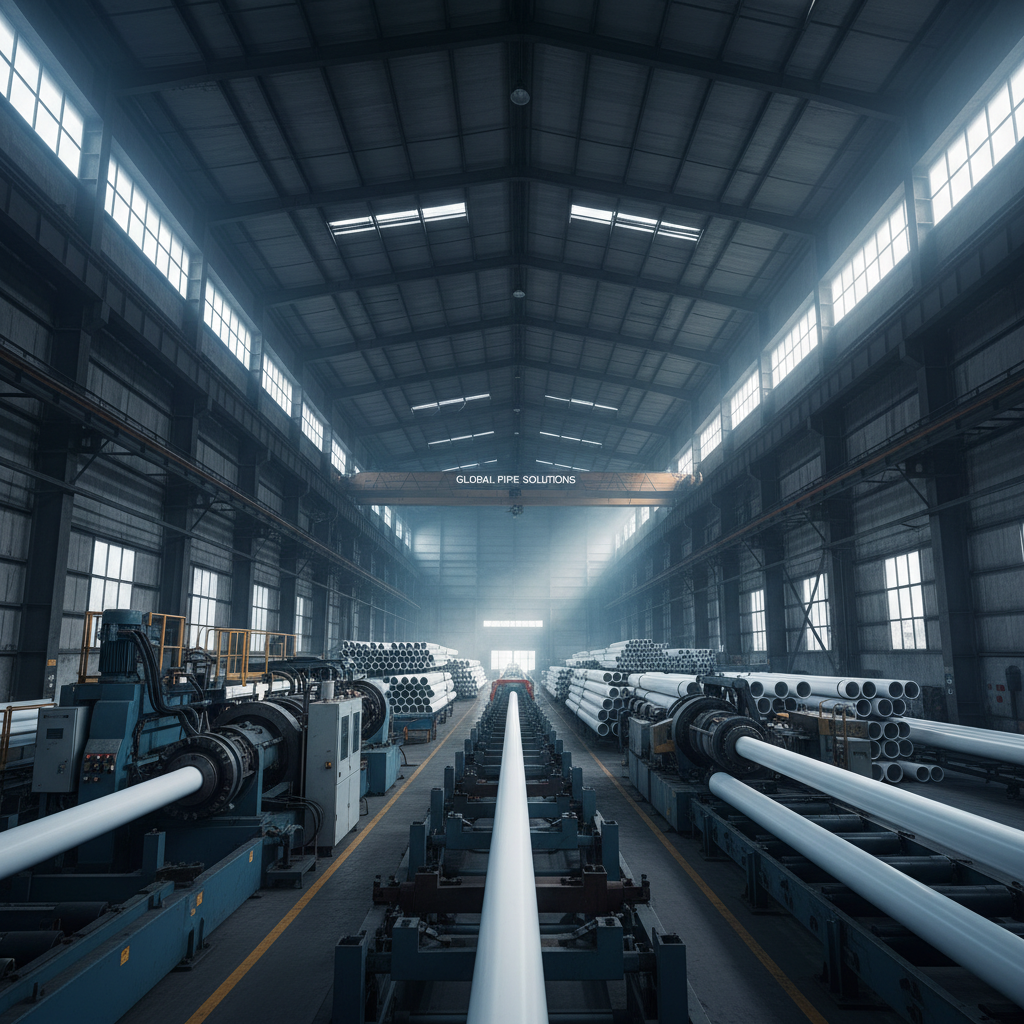
Automatic roll forming machine technology represents a significant advancement in modern manufacturing, offering a cost-effective and efficient method for producing consistent, high-quality metal profiles. These machines have become integral to a vast array of industries, from construction and automotive to appliance manufacturing and beyond. Their ability to continuously shape metal sheets into desired forms has revolutionized production processes, reducing labor costs and increasing output.

The global demand for efficient and precise manufacturing solutions is steadily increasing, driving the growth of the automatic roll forming machine market. This demand is fueled by factors such as infrastructure development, urbanization, and the need for lightweight, durable materials in various applications. Understanding the capabilities and advancements in this technology is crucial for businesses seeking to optimize their production lines and maintain a competitive edge.

Furthermore, advancements in automation and control systems are continually enhancing the performance and versatility of automatic roll forming machines. This evolution allows for greater customization, tighter tolerances, and increased production speeds, making them an indispensable tool for modern industrial operations.
Advanced Automatic Roll Forming Machine Technology for Efficient Metal Production

The Role of Automatic Roll Forming Machine in Modern Industry

Advanced Automatic Roll Forming Machine Technology for Efficient Metal Production

Automatic roll forming machines are fundamental to industries demanding high-volume production of precise metal profiles. They’ve drastically improved efficiency and reduced waste in sectors like construction, where they create steel framing, roofing panels, and siding. The consistent quality and repeatability offered by these machines are unmatched by traditional fabrication methods.

Beyond construction, these machines play a crucial role in manufacturing components for the automotive, appliance, and solar energy industries. Their adaptability to various metal types and thicknesses makes them an invaluable asset for companies needing customized metal solutions.

Defining Automatic Roll Forming Machine

An automatic roll forming machine is a specialized industrial process that continuously bends a long strip of sheet metal through a series of shaped rollers to create a uniform profile. Unlike traditional stamping or forging methods, roll forming progressively shapes the metal without cutting or welding, resulting in minimal material waste.

This process is fully automated, with the metal strip fed into the machine and the desired profile continuously produced at a specified rate. The automation eliminates the need for manual intervention, improving consistency and reducing labor costs.

The versatility of automatic roll forming machine makes it a cornerstone of modern industrial production, bridging the gap between raw materials and finished components, serving needs from simple trims to complex structural elements.

Key Components and Operational Principles

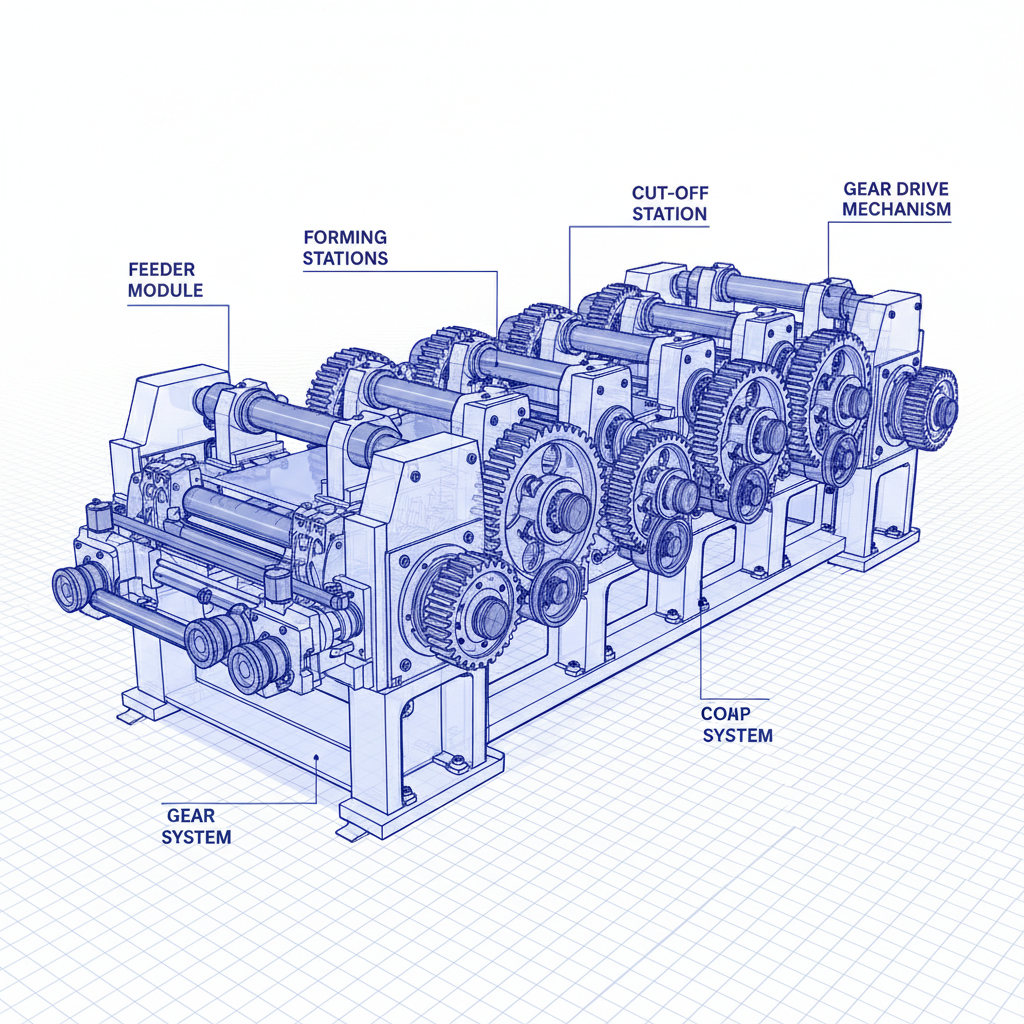
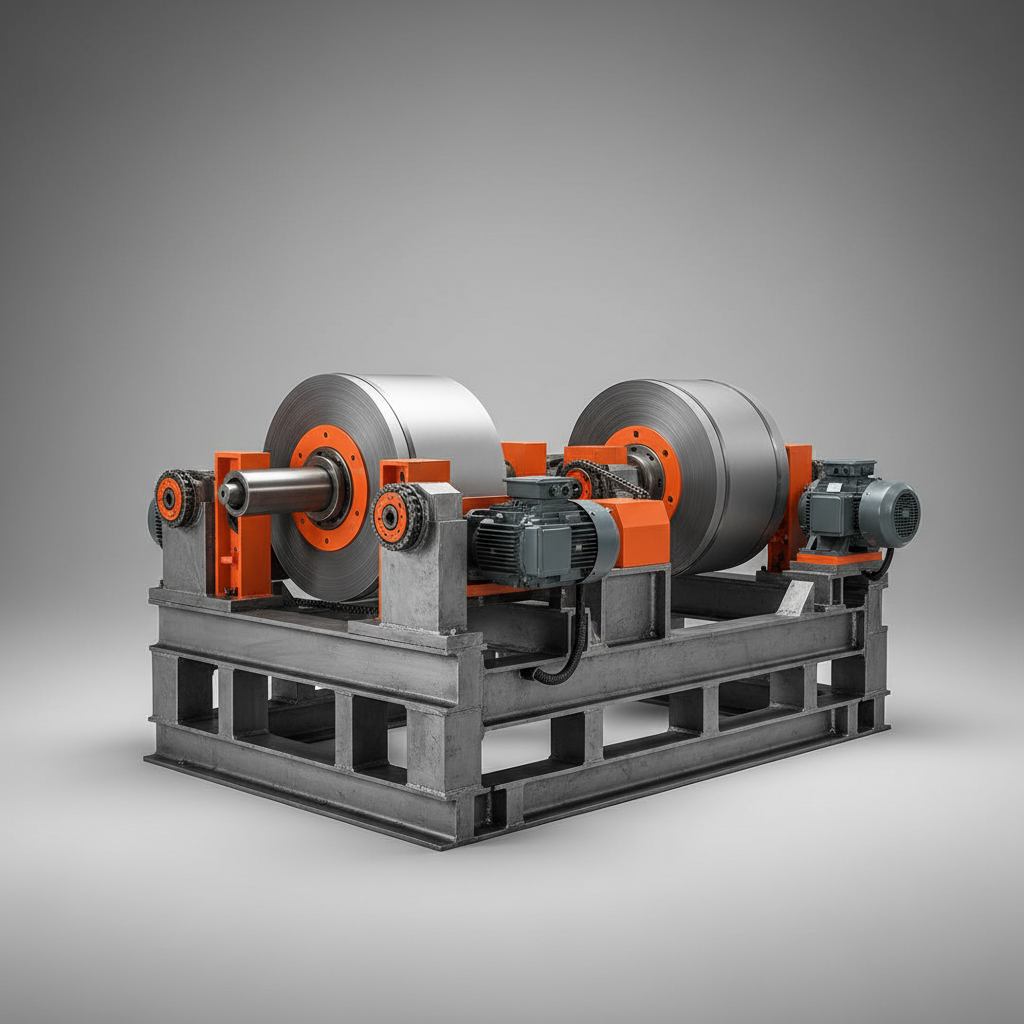
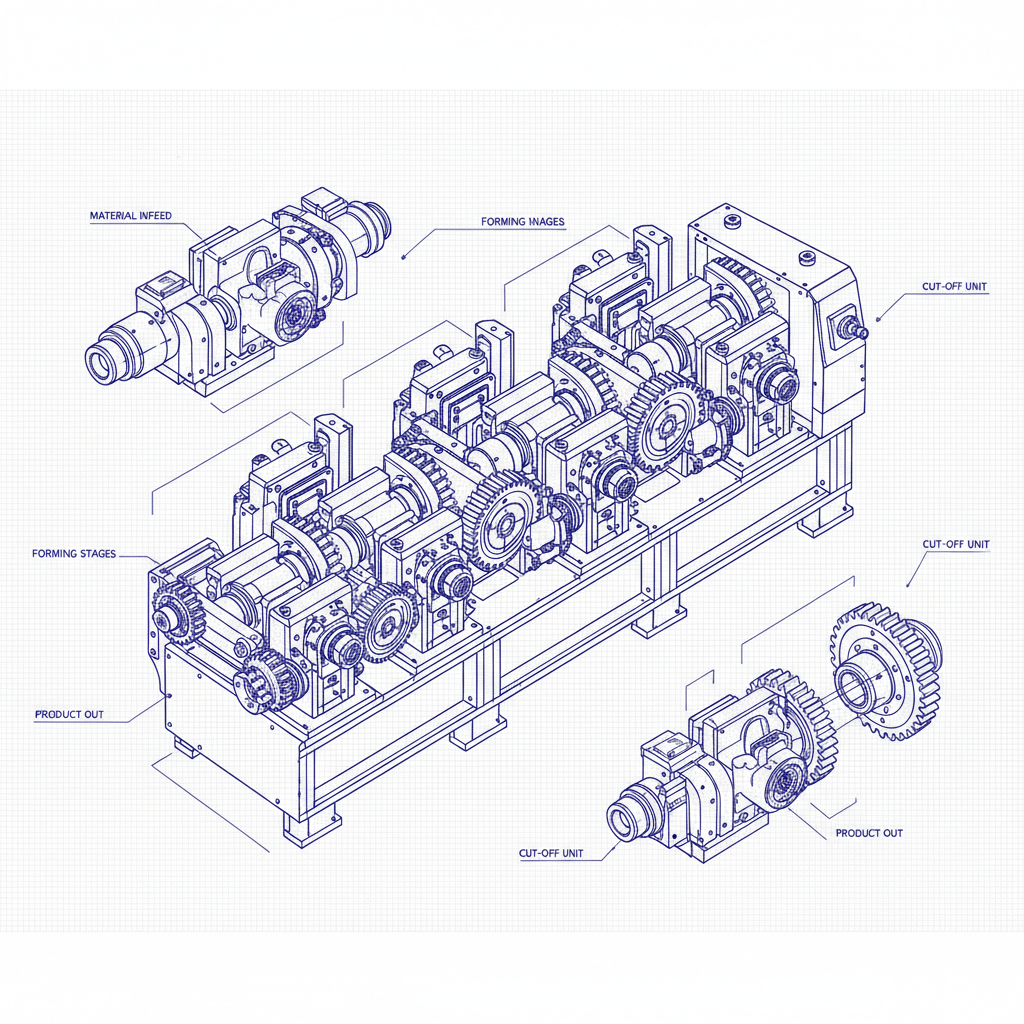
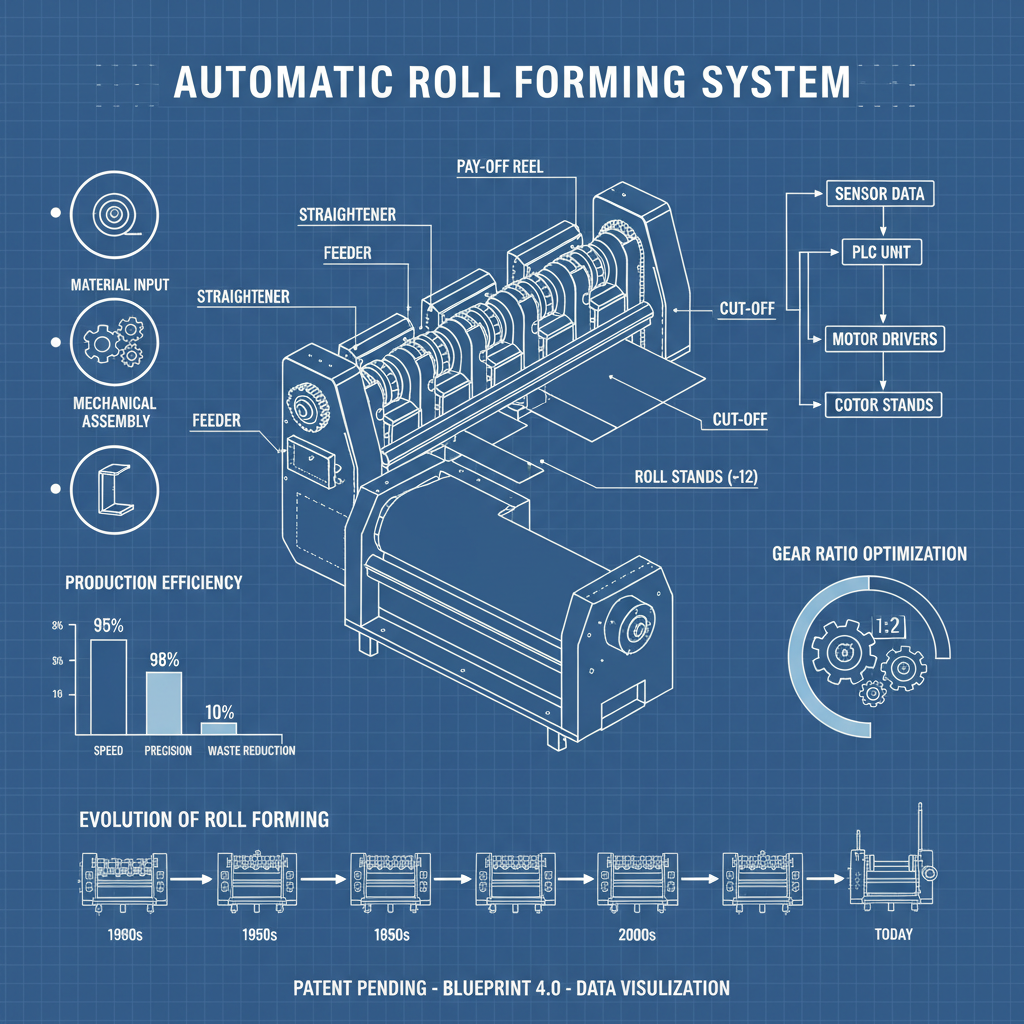
The core of an automatic roll forming machine lies in its series of roll stands, each containing rollers precisely shaped to incrementally bend the metal strip. Other essential components include an uncoiler to feed the metal, a leveling system to ensure consistent thickness, a guiding system to maintain alignment, and a cut-to-length saw to finish the profiles.

The operational principle is based on the plastic deformation of metal. As the metal strip passes through each roll stand, it undergoes a small degree of bending. These incremental bends accumulate, gradually forming the desired profile. The speed and precision of the process are controlled by sophisticated computer systems, ensuring consistent quality and accurate dimensions.

Effective control systems are critical; these often incorporate feedback mechanisms that adjust roller pressure and machine speed to compensate for variations in material thickness or other process parameters. This dynamic control contributes to the reliability and precision of the entire automatic roll forming machine operation.

Core Advantages of Utilizing Automatic Roll Forming Machine

The advantages of using an automatic roll forming machine are numerous. Firstly, they offer significantly reduced material waste compared to traditional fabrication methods. Secondly, they provide high production speeds, allowing for large-volume output with minimal labor.

Furthermore, the consistency and precision of the process lead to higher quality products and reduced defects. These benefits translate directly into cost savings and increased profitability for manufacturers.

Comparative Analysis of Automatic Roll Forming Machine Methods


Global Applications and Industry Integration

Automatic roll forming machine solutions are utilized globally across numerous sectors. In construction, they are fundamental for producing steel framing for residential and commercial buildings. The automotive industry relies on them for manufacturing structural components, chassis parts, and exterior panels.

Furthermore, the renewable energy sector utilizes these machines for creating mounting structures for solar panels, while the appliance industry employs them for producing housings and components for various products. In remote industrial zones, the portability and efficiency of modern automatic roll forming machines provides vital infrastructure support.

Long-Term Value and Sustainability

Investing in automatic roll forming machine technology offers significant long-term value. The reduction in material waste contributes to a more sustainable manufacturing process, minimizing environmental impact. The increased efficiency and reduced labor costs translate into long-term cost savings and improved profitability.

The durability and reliability of these machines ensure a long service life, further enhancing their return on investment. Moreover, the ability to quickly adapt to changing production needs provides a competitive advantage in a dynamic market.

Future Trends and Technological Advancements

The future of automatic roll forming machine lies in further automation, integration with Industry 4.0 technologies, and the development of more versatile and efficient machines. Advancements in materials science will also drive the development of machines capable of processing a wider range of metals and alloys.

Digital twins and predictive maintenance are emerging trends that will enhance machine uptime and optimize performance. The integration of artificial intelligence (AI) and machine learning (ML) will enable machines to self-optimize and adapt to changing production conditions, improving efficiency and reducing waste.

Sustainability is also a key focus, with manufacturers exploring ways to reduce energy consumption and utilize recycled materials. These innovations will solidify the position of automatic roll forming machine as a cornerstone of modern manufacturing.

Summary of Challenges and Solutions in Automatic Roll Forming Machine Operation

Challenge Impact on Production Potential Solution Implementation Cost (1-10)
Material Variation Inconsistent Profile Quality Automated Thickness Monitoring & Adjustment 6
Roller Wear Dimensional Inaccuracies Regular Roller Inspection & Replacement 4
Machine Downtime Reduced Output Predictive Maintenance with Sensor Data 7
Alignment Issues Profile Distortion Automated Alignment Systems 5
Operator Skill Gap Incorrect Setup & Operation Comprehensive Training Programs 3
Material Handling Damage & Inefficiency Automated Coil Loading System 8

FAQS

What are the primary advantages of using an automatic roll forming machine compared to traditional metal fabrication techniques?

Automatic roll forming machines offer several advantages, including reduced material waste, increased production speeds, consistent product quality, lower labor costs, and the ability to create complex profiles with precision. Unlike methods like stamping or welding, roll forming minimizes material loss as it progressively shapes the metal, leading to significant cost savings and a more sustainable manufacturing process. This makes them ideal for high-volume production runs.

What types of materials can be effectively processed by an automatic roll forming machine?

Automatic roll forming machines are versatile and can process a wide range of metallic materials, including steel (carbon, galvanized, stainless), aluminum, copper, and other alloys. The choice of material depends on the specific application and required profile characteristics. Machine configurations can be adjusted to accommodate varying material thicknesses and hardness levels, ensuring optimal performance and product quality.

What maintenance procedures are essential for ensuring the longevity and optimal performance of an automatic roll forming machine?

Regular maintenance is crucial for maximizing the lifespan and efficiency of an automatic roll forming machine. Key procedures include routine lubrication of moving parts, inspection and replacement of worn rollers, alignment checks, cleaning of the leveling and guiding systems, and monitoring the performance of the cut-to-length saw. Implementing a preventative maintenance schedule based on manufacturer recommendations is highly advised.

How does automation impact the operational efficiency of an automatic roll forming machine?

Automation is the cornerstone of an automatic roll forming machine's efficiency. By automating the entire process from material feeding to profile cutting, manual intervention is minimized, reducing labor costs and the potential for human error. Automated systems ensure consistent production speeds, precise dimensional control, and optimized material usage, all contributing to increased throughput and profitability.

What is the typical lead time for customizing an automatic roll forming machine to meet specific production requirements?

The lead time for customizing an automatic roll forming machine varies depending on the complexity of the customization. Simple tool changes for standard profiles can be completed relatively quickly, often within a few weeks. However, more extensive modifications, such as designing and manufacturing custom rollers or integrating specialized automation features, may require a longer lead time, typically ranging from 8 to 16 weeks. Thorough communication with the machine manufacturer is key to accurately estimating the lead time.

How does the integration of Industry 4.0 technologies enhance the capabilities of automatic roll forming machines?

Integrating Industry 4.0 technologies, such as IoT sensors, cloud computing, and data analytics, significantly enhances the capabilities of automatic roll forming machines. These technologies enable real-time monitoring of machine performance, predictive maintenance, remote diagnostics, and optimized production scheduling. This leads to improved efficiency, reduced downtime, and greater overall productivity. Data-driven insights facilitate continuous improvement and informed decision-making.

Conclusion

In conclusion, automatic roll forming machine technology represents a vital component of modern manufacturing, offering a compelling combination of efficiency, precision, and cost-effectiveness. From construction and automotive to renewable energy and appliance industries, these machines are enabling businesses to optimize their production processes, reduce waste, and meet the growing demands of a dynamic global market. The key benefits of this technology extend beyond purely economic considerations, encompassing sustainability and a reduced environmental footprint.

Looking ahead, the continued integration of Industry 4.0 technologies, advancements in materials science, and a focus on sustainable manufacturing practices will further solidify the position of automatic roll forming machine as a cornerstone of industrial innovation. To explore how an automatic roll forming machine can revolutionize your production capabilities, visit our website: automatic roll forming machine.


Robert Johnson

Robert Johnson

Robert Johnson serves as the Sales Manager for the USA and Canada at Hebei Yowin Machinery Technology. He brings 10+ years of experience in capital equipment sales, with a dedicated focus on the roll forming industry over the past 5 years. Robert’s role centers around building strong relationships with clients,
Previous Advanced Roll Forming Line Technology for Efficient Metal Profile Production
Next Investing in a Roll Forming Machine for Sale for Modern Manufacturing Needs