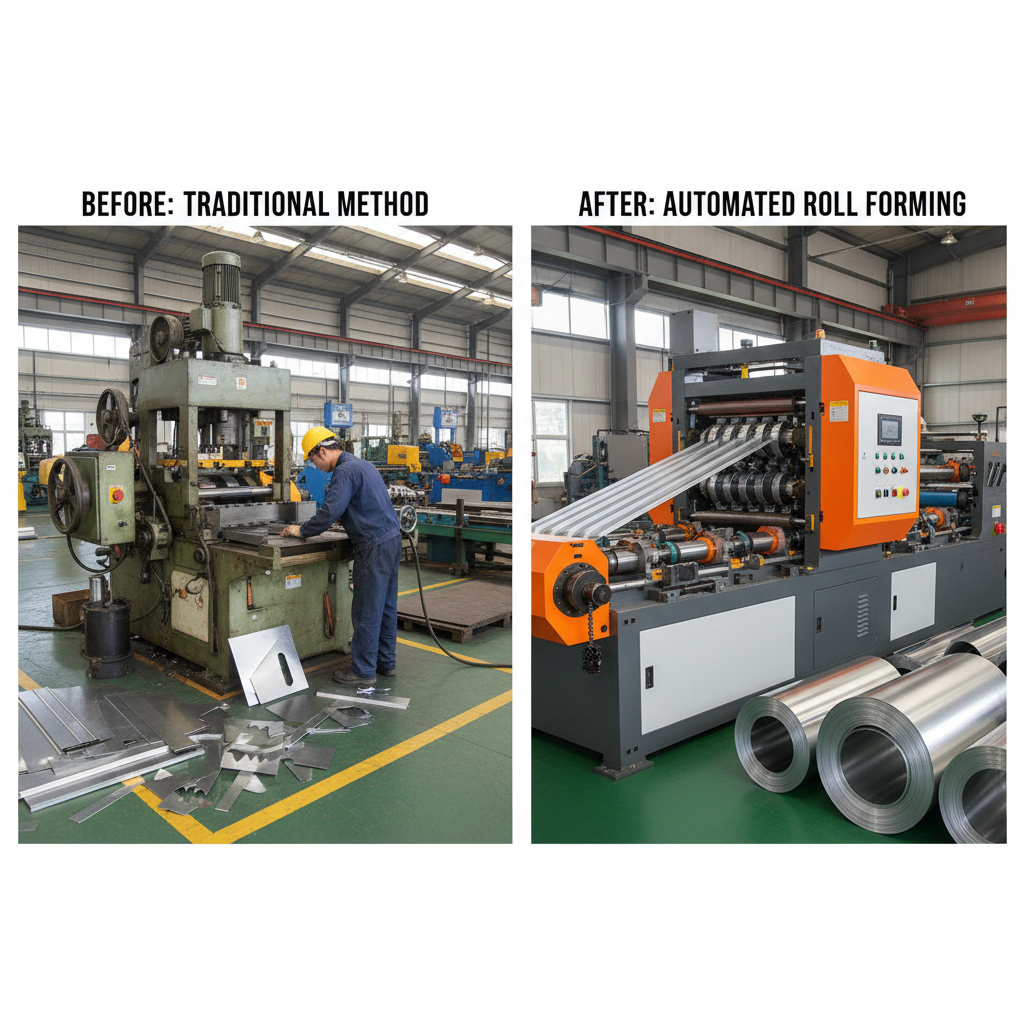
Roll forming equipment for sale represents a cornerstone of modern manufacturing, enabling the efficient and cost-effective production of a wide array of metal products. From structural components in construction to intricate profiles used in automotive and appliance industries, the demand for this technology is consistently high. Understanding the nuances of roll forming, including the various types of equipment, key features, and potential applications, is crucial for businesses seeking to optimize their production processes and gain a competitive edge in today’s global market.
The global market for roll forming equipment is experiencing significant growth, driven by factors such as increasing infrastructure development, a rising demand for lightweight materials, and the growing adoption of automation technologies. According to recent industry reports, the market is projected to reach billions of dollars in the coming years, with Asia-Pacific representing the largest and fastest-growing region. This growth presents both opportunities and challenges for manufacturers and suppliers of roll forming equipment for sale.
Investing in the right roll forming equipment for sale is a strategic decision that can significantly impact a company’s bottom line. By carefully evaluating their needs and selecting equipment that aligns with their specific requirements, businesses can enhance their production capabilities, reduce costs, and improve product quality. This guide provides a comprehensive overview of roll forming equipment for sale, covering key aspects, applications, and future trends to help you make informed decisions.
Understanding Roll Forming Equipment for Sale
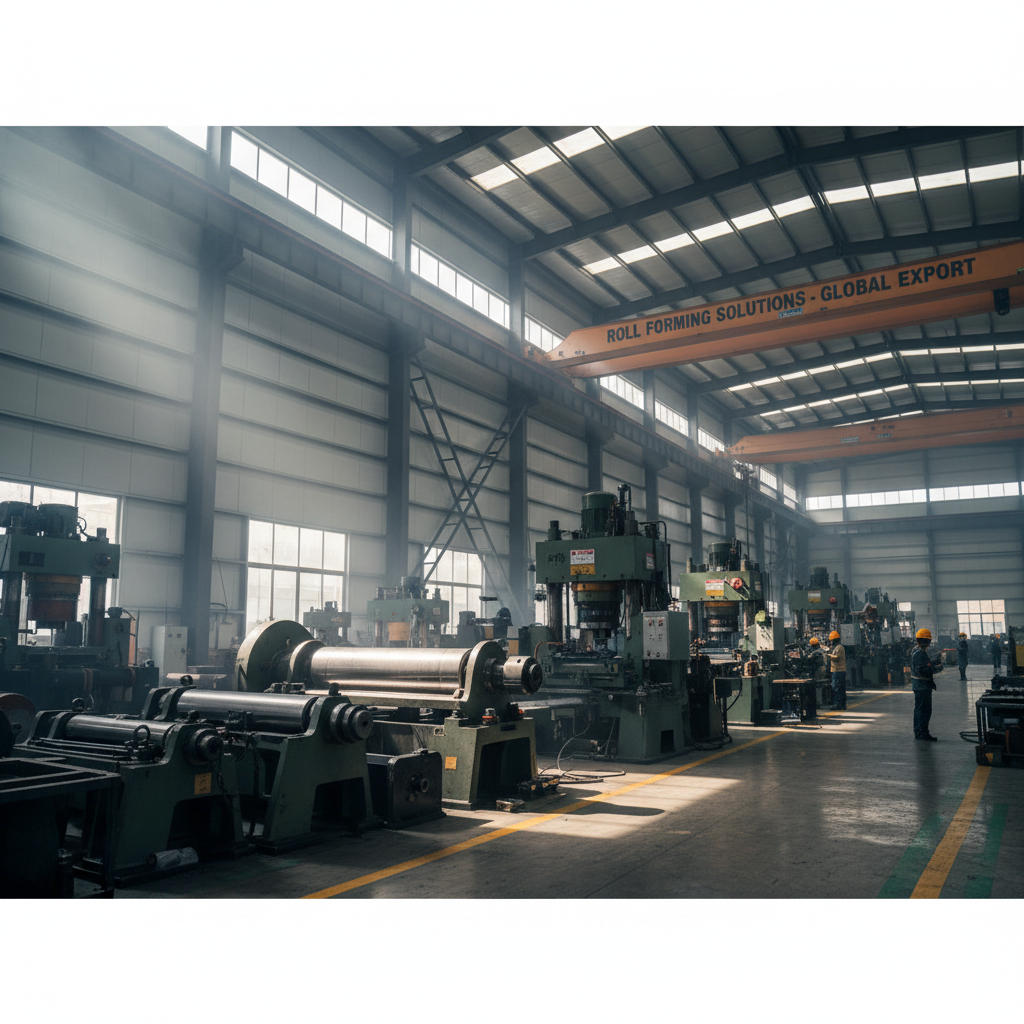
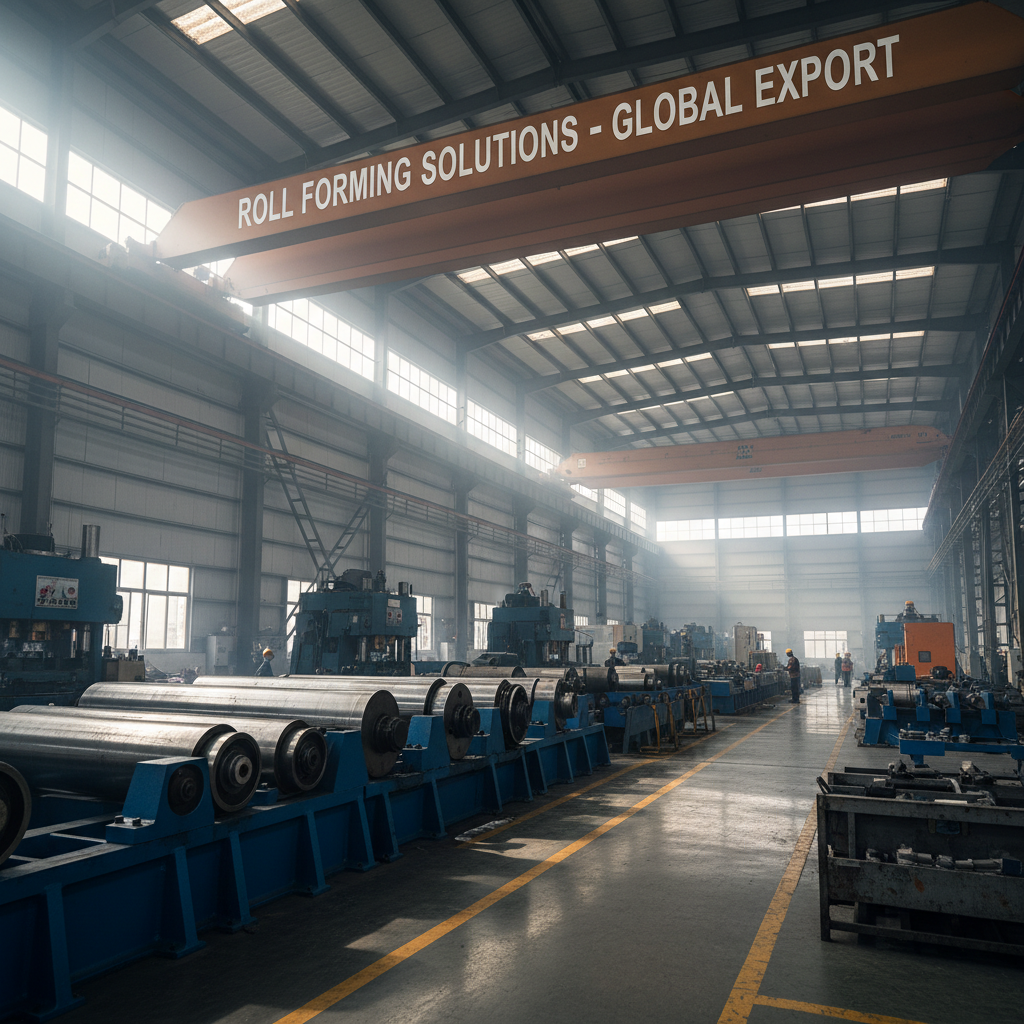
When exploring roll forming equipment for sale, it's essential to understand the core components and configurations available. The basic process involves feeding metal sheet or coil through a series of rollers, each progressively shaping the material until the desired profile is achieved. Different types of roll forming machines cater to various production needs, including uncoilers, straighteners, roll formers, and cut-to-length systems. roll forming equipment for sale often includes options for automation, control systems, and tooling to customize the process for specific applications.
Choosing the right equipment involves considering factors like material thickness, profile complexity, production volume, and budget. Many manufacturers offer customized solutions to meet unique requirements, ensuring optimal performance and efficiency. Researching different suppliers and comparing specifications is crucial to making an informed decision and securing a reliable investment.
The Global Relevance of Roll Forming
Roll forming is a globally significant manufacturing process, underpinning numerous industries essential to modern life. The construction sector relies heavily on roll formed components for structural framing, roofing, and siding. The automotive industry utilizes roll formed parts for chassis components, reinforcement structures, and decorative trim. Beyond these, applications extend to appliance manufacturing, renewable energy (solar panel framing), and even furniture production. The demand for roll forming equipment for sale reflects this widespread need.
The UN estimates that global construction output will continue to grow steadily in the coming decades, particularly in developing countries. This growth will drive increased demand for steel and other materials processed through roll forming. Moreover, the ISO standards for quality management and environmental sustainability are increasingly influencing manufacturing practices, leading to a demand for more efficient and environmentally friendly roll forming equipment.
A key challenge is ensuring that roll forming processes are adaptable to diverse material requirements and evolving design trends. As manufacturers seek to reduce material waste and improve product performance, they are turning to advanced roll forming techniques and equipment capable of handling increasingly complex profiles and materials.
Defining Roll Forming Equipment for Sale
Roll forming equipment for sale encompasses a range of machinery designed to continuously bend and shape metal sheets into predetermined profiles. Unlike stamping or forging, roll forming employs a progressive bending process, using a series of rollers to gradually deform the metal. This allows for the creation of complex shapes with high precision and repeatability, making it ideal for high-volume production runs.
The process is intrinsically linked to modern industrial efficiency, providing a cost-effective alternative to traditional fabrication methods. It's particularly valuable for producing long, continuous lengths of consistent profiles, making it indispensable in the manufacturing of everything from metal roofing panels to automotive parts. This equipment's availability for sale allows businesses to access these capabilities without massive upfront tooling costs.
Roll forming directly addresses humanitarian needs as well. Lightweight, durable metal profiles created with this equipment are used in the construction of rapid deployment shelters, prefabricated housing, and emergency infrastructure. This makes roll forming equipment for sale an important asset in disaster relief and sustainable development efforts worldwide.
Key Factors in Roll Forming Equipment
Several key factors determine the efficiency and effectiveness of roll forming equipment for sale. Durability is paramount, as these machines are subjected to continuous operation and significant stress. High-quality steel construction and robust components are crucial for ensuring longevity and minimizing downtime. Scalability is another important consideration, allowing manufacturers to easily adjust production capacity as demand fluctuates.
Cost Efficiency is a major driver for investment in roll forming equipment. The automated nature of the process reduces labor costs and minimizes material waste. Precision is critical for producing parts that meet exacting specifications. Advanced control systems and tooling are essential for achieving high levels of accuracy. Flexibility is also key, allowing the equipment to handle different materials, thicknesses, and profiles. Lastly, Automation contributes to quicker setup times and less human error.
Roll Forming Equipment Performance Metrics
Global Applications of Roll Forming
Roll forming equipment for sale finds application across a diverse range of industries globally. In North America, it’s heavily used in the construction of metal buildings, agricultural structures, and transportation equipment. Europe utilizes the technology extensively for automotive components, furniture framing, and renewable energy infrastructure.
In post-disaster relief operations in regions like Southeast Asia, portable roll forming machines are deployed to create lightweight, durable shelters quickly and efficiently. In remote industrial zones of Africa, roll forming equipment is used to manufacture roofing sheets and structural components for local construction projects. Moreover, in Australia, it supports the mining industry through the production of support structures and conveyor components.
Advantages and Long-Term Value
Investing in roll forming equipment for sale delivers tangible benefits including reduced material waste, lower labor costs, and increased production speed. The consistent quality of the formed profiles minimizes defects and rework, further enhancing cost savings. From a sustainability perspective, roll forming is an efficient process that utilizes materials effectively, reducing environmental impact.
Beyond the financial gains, the reliability of roll formed products contributes to safety and structural integrity. The precision offered by this technology builds trust with customers and enhances brand reputation. Embracing roll forming demonstrates a commitment to innovation and continuous improvement, positioning businesses for long-term success.
Future Trends in Roll Forming Technology
The future of roll forming equipment for sale is poised for significant advancements. The integration of automation and robotics is streamlining production processes and reducing labor costs. Digital twins and predictive maintenance systems are optimizing equipment performance and minimizing downtime. The development of new materials, such as high-strength steels and aluminum alloys, is expanding the range of applications for roll forming.
Moreover, there's a growing focus on energy efficiency and sustainability. Manufacturers are developing roll forming machines that consume less power and produce fewer emissions. The adoption of Industry 4.0 principles, including data analytics and machine learning, is enabling real-time monitoring and optimization of roll forming processes. These innovations are ensuring that roll forming equipment remains at the forefront of manufacturing technology.
FAQS
When selecting roll forming equipment for sale, prioritize factors like material type and thickness, desired profile complexity, production volume, budget constraints, and the level of automation required. Consider the long-term costs of maintenance, tooling, and energy consumption. Ensure the equipment meets relevant industry standards and certifications for safety and quality. A reputable supplier should offer comprehensive support and training.
Lead times for roll forming equipment for sale can vary depending on the complexity of the machine, customization requirements, and the supplier's production schedule. Generally, expect a lead time of 8-16 weeks for standard equipment and 12-24 weeks for customized solutions. Installation typically takes another 1-2 weeks, depending on the site preparation and complexity of the setup.
Regular maintenance is crucial for ensuring the longevity and optimal performance of roll forming equipment. This includes routine lubrication of moving parts, inspection and replacement of worn tooling, cleaning of the machine, and calibration of control systems. Preventative maintenance schedules should be established and followed diligently to minimize downtime and extend equipment lifespan.
Effective operation of roll forming equipment requires comprehensive training for operators. Training should cover machine setup, material handling, process control, safety procedures, and basic troubleshooting. A thorough understanding of the equipment’s capabilities and limitations is essential for producing high-quality parts and preventing accidents. Reputable suppliers typically offer on-site training programs.
With proper maintenance and care, roll forming equipment can have a lifespan of 15-25 years or more. The durability of the machine depends on the quality of the materials and construction, the frequency of use, and the operating environment. Regular inspections and timely repairs are essential for maximizing equipment lifespan and return on investment.
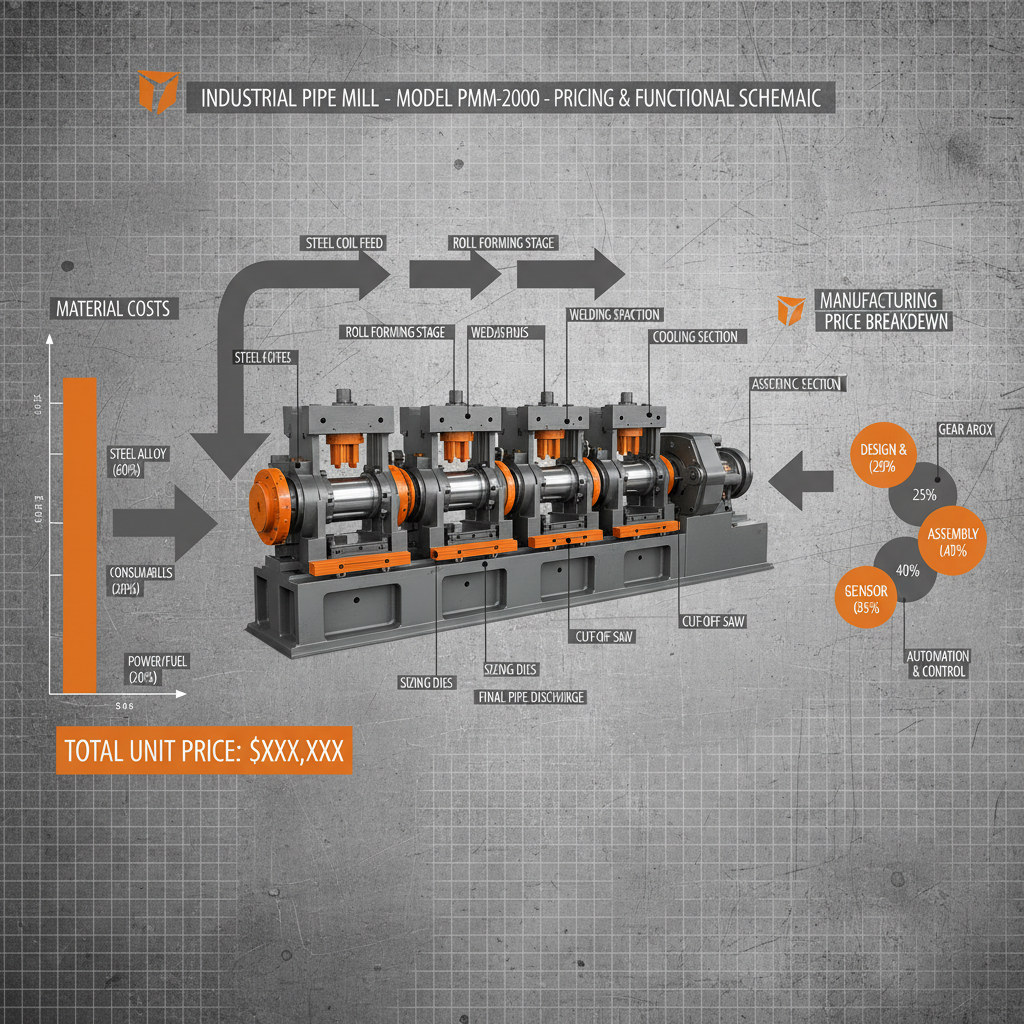
Costs associated with roll forming equipment extend beyond the initial purchase price. These include tooling costs (dies, rollers), installation fees, maintenance expenses (parts, labor), energy consumption, operator training, and potential repair costs. A comprehensive cost analysis should be conducted to accurately assess the total cost of ownership and ensure a positive return on investment.
Conclusion
Roll forming equipment for sale represents a powerful investment for manufacturers seeking to optimize their production processes, reduce costs, and improve product quality. The versatility of this technology, coupled with its growing efficiency through automation and innovation, ensures its continued relevance across a wide range of industries. By carefully evaluating their needs and selecting the right equipment, businesses can unlock significant benefits and gain a competitive edge in the global market.
Looking ahead, the future of roll forming is bright, with ongoing advancements in materials, automation, and data analytics promising even greater efficiency and sustainability. We encourage you to explore the options available and consider how roll forming equipment can transform your manufacturing operations. Visit our website to learn more about our comprehensive range of roll forming solutions.