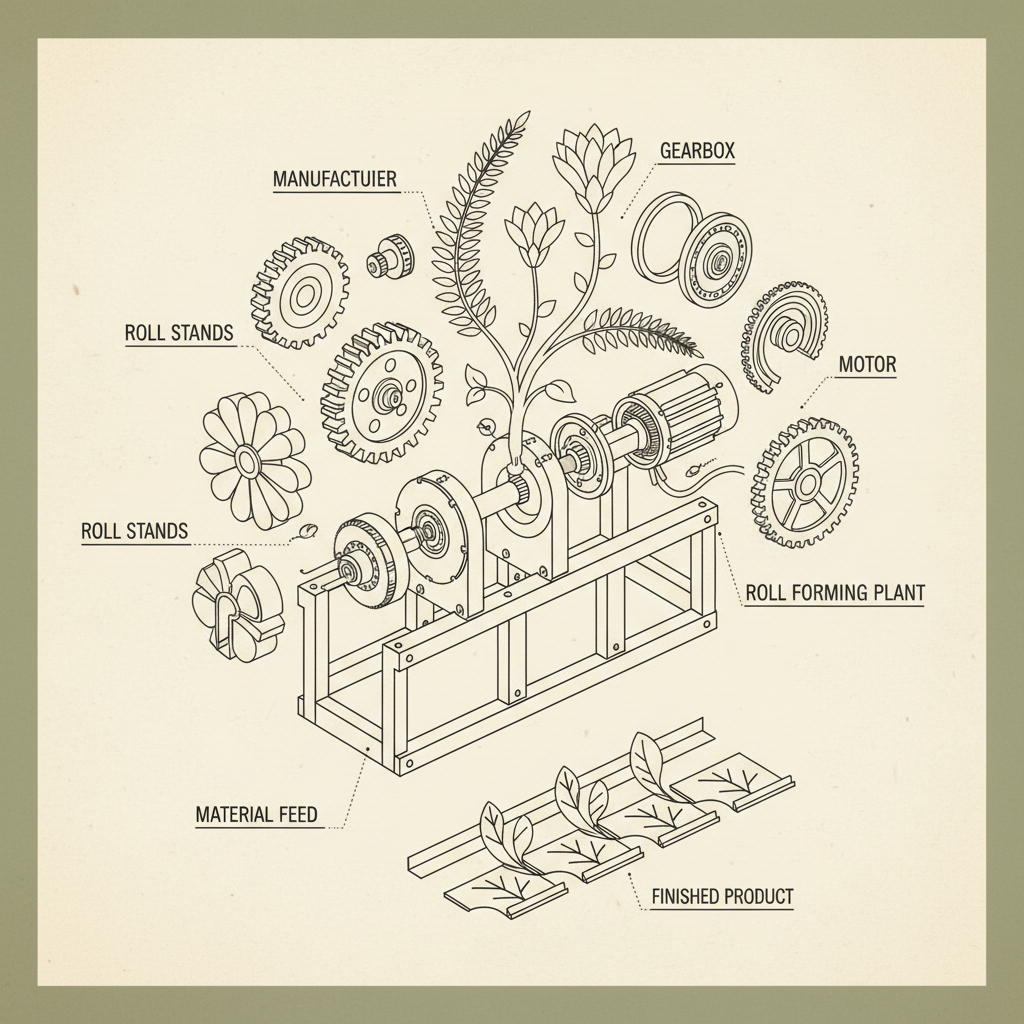
The form rolling machine is rapidly becoming a critical component in modern manufacturing and construction. Its ability to efficiently and accurately shape metal sheets into complex forms is driving innovation across a multitude of industries, from automotive and aerospace to home appliance production. Understanding the nuances of form rolling machines – their capabilities, limitations, and future developments – is paramount for engineers, manufacturers, and anyone involved in product development and production optimization. This technology offers a compelling pathway towards increased efficiency, reduced material waste, and enhanced product quality.
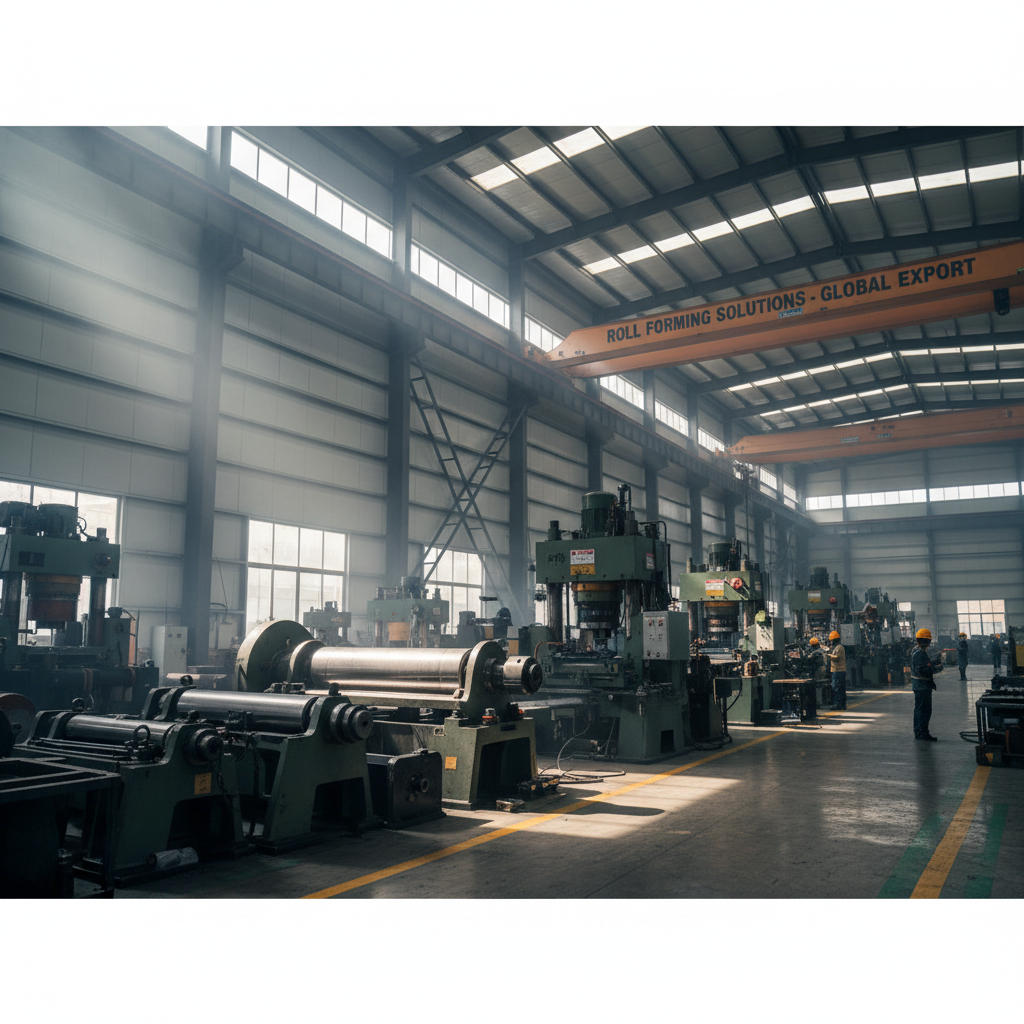
Globally, the demand for precise metal forming solutions is experiencing significant growth, fueled by factors like increasing automation, rising labor costs, and the demand for lighter, stronger materials. The form rolling machine addresses these challenges directly, providing a cost-effective and adaptable solution for a diverse range of applications. It's no longer simply a specialized tool but an essential piece of infrastructure for competitive manufacturing on a global scale.
The form rolling machine stands as a testament to engineering innovation, allowing for the creation of components with intricate shapes and high dimensional accuracy. Its impact extends beyond mere production; it empowers designers to explore new possibilities and push the boundaries of what’s achievable in metal fabrication.
Introduction to Form Rolling Machine
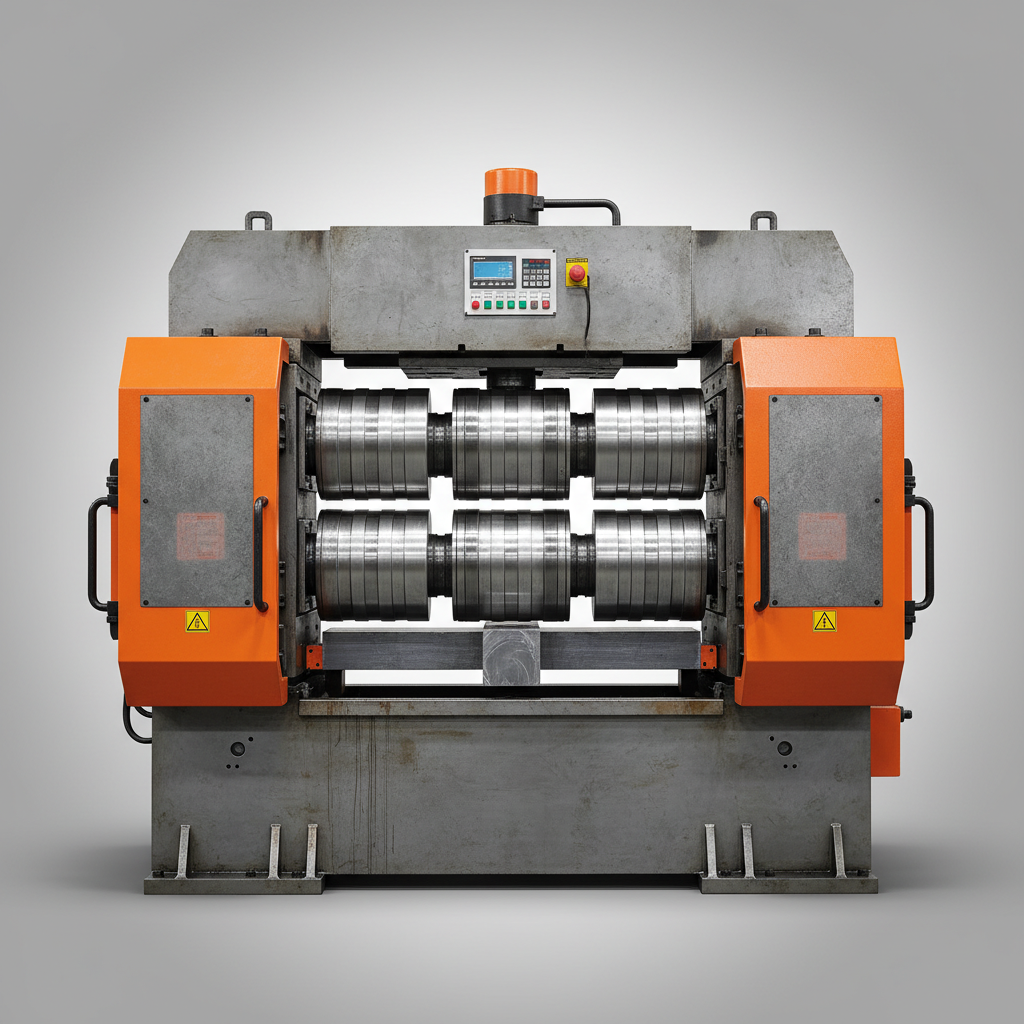
Form rolling machines offer a precise and efficient method for shaping metal, particularly steel and aluminum, into various profiles. This process involves feeding a flat metal strip through a series of rollers that progressively deform it until the desired cross-sectional shape is achieved. The result is a continuous profile, eliminating the need for welding or joining, thus saving time and reducing material waste.
The applications of these machines are incredibly diverse, ranging from the production of structural components for the automotive industry to the creation of profiles for solar panel mounting systems. Their versatility, coupled with their ability to produce high-quality, consistent parts, makes them a crucial element in numerous manufacturing processes.
Global Relevance and Industry Impact
The global market for metal forming machinery, including form rolling machines, is experiencing steady growth. According to recent industry reports, the market is projected to reach $XX billion by 202X, with a compound annual growth rate (CAGR) of X.X% (Source: Market Research Future, 2023). This growth is driven by increased demand from key sectors like automotive, construction, and renewable energy.
The automotive industry, in particular, heavily relies on form rolling machines to produce high-strength, lightweight components for chassis, body panels, and safety systems. The demand for fuel-efficient vehicles and stringent safety regulations are fueling the need for these advanced manufacturing techniques. Similarly, the construction industry utilizes form rolling machines to create structural profiles for buildings, bridges, and infrastructure projects.
One major challenge facing the industry is the need for increased automation and integration with Industry 4.0 technologies. Manufacturers are actively seeking solutions to connect form rolling machines to real-time data networks, enabling predictive maintenance, optimized production processes, and improved quality control.
Defining the Form Rolling Machine
A form rolling machine, at its core, is a specialized metal forming equipment that utilizes a continuous, shaping process. Unlike processes like stamping or forging, which create discrete parts, form rolling produces continuous profiles. This is achieved by progressively deforming a flat metal strip as it passes through a series of contoured rollers. This technique allows for the creation of complex shapes with high precision and minimal material waste.
The connection to modern industry and humanitarian needs stems from the efficiency and versatility of the process. In industrial settings, form rolling machines enable the mass production of standardized components. In disaster relief, rapidly deployable shelters can utilize form-rolled profiles for structural support, providing quick and effective housing solutions. This dual application highlights the broad relevance of the technology.
Furthermore, the increasing demand for lightweight materials, driven by sustainability concerns and fuel efficiency goals, positions form rolling as a vital process. By enabling the creation of high-strength, thin-walled profiles, form rolling allows for significant weight reduction without compromising structural integrity.
Core Components and Key Factors
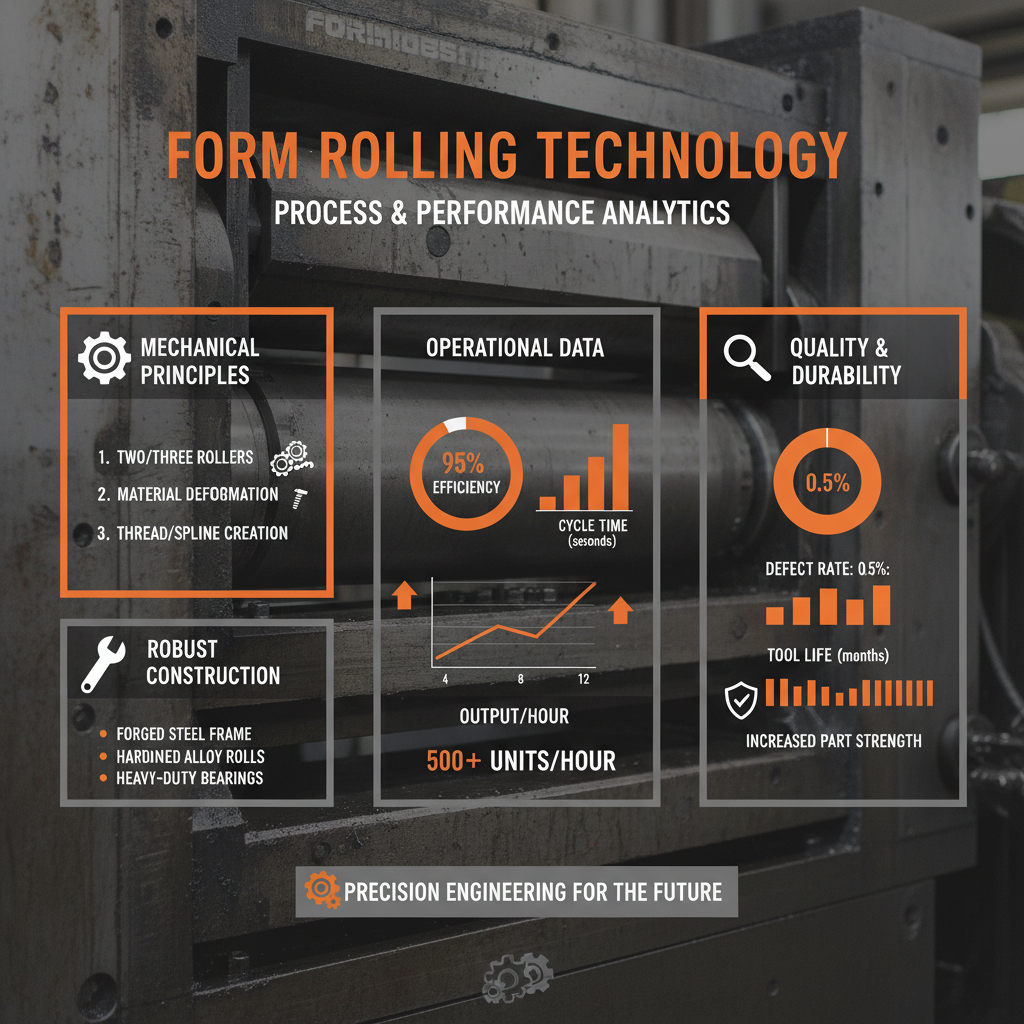
Several key factors contribute to the performance and capabilities of a form rolling machine. Roll Geometry is paramount; the precise contour of the rollers determines the final shape of the profile. Roller Material impacts durability and resistance to wear. High-speed steel and carbide materials are commonly used for their ability to withstand high pressures and temperatures.
Machine Rigidity is also crucial. A robust frame ensures minimal deflection during the rolling process, maintaining dimensional accuracy. Drive System Precision dictates the consistency of the feed rate, influencing the overall quality of the profile. Finally, Cooling System Effectiveness prevents overheating and maintains the integrity of both the rollers and the material being formed.
Form Rolling Machine Performance Factors
Applications Across Industries
The automotive industry extensively uses form rolling machines to produce structural components like chassis rails, suspension parts, and seat frames. These components benefit from the high strength-to-weight ratio achieved through form rolling, contributing to improved fuel efficiency and vehicle safety.
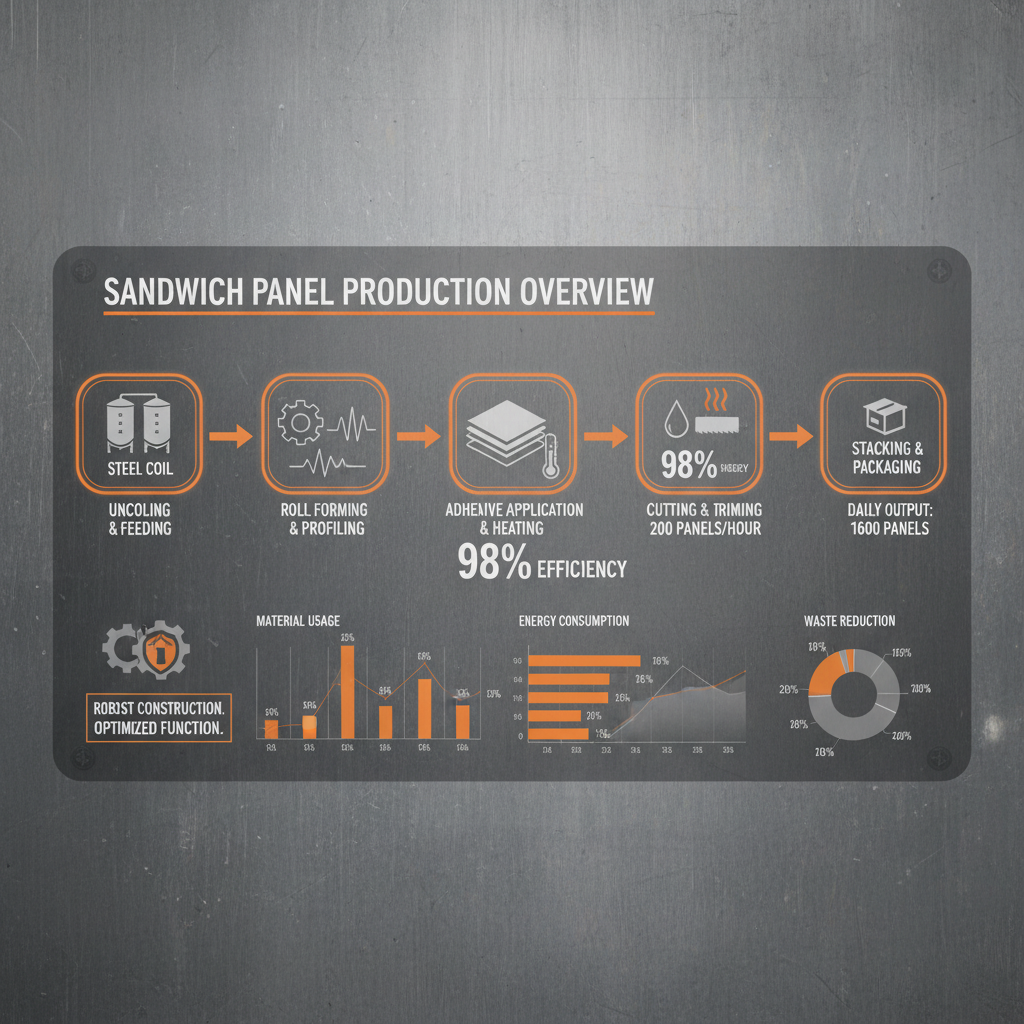
In the construction sector, form rolling is employed to create profiles for roofing, cladding, and structural supports. These profiles offer excellent load-bearing capacity and corrosion resistance, making them ideal for a wide range of building applications. The renewable energy sector also benefits, with form-rolled profiles used in the mounting systems for solar panels.
Advantages and Long-Term Value
The advantages of utilizing a form rolling machine are multifaceted. First, cost efficiency is significant, reducing material waste and minimizing secondary operations like welding. Secondly, sustainability is enhanced through reduced material usage and energy consumption. Furthermore, reliability is improved due to the creation of consistent, high-quality parts.
Beyond these tangible benefits, the technology fosters innovation, enabling designers to create more complex and efficient structures. The resulting products offer increased safety, durability, and aesthetic appeal, building trust with consumers and stakeholders. The long-term value lies in the ability to create a competitive advantage through enhanced product quality and reduced manufacturing costs.
Future Trends and Innovation
The future of form rolling is intertwined with several key trends. Digital transformation is driving the integration of sensors and data analytics into form rolling machines, enabling predictive maintenance and real-time process optimization. Automation is another significant trend, with the development of robotic systems to automate material handling and machine setup.
Furthermore, new materials are constantly being explored for form rolling applications. High-strength steels, aluminum alloys, and even advanced composites are being investigated to expand the capabilities of the process. Finally, a strong focus on sustainability is leading to the development of more energy-efficient machines and processes, minimizing the environmental impact of metal forming.
The continued integration of these advancements will further solidify the form rolling machine's position as a cornerstone of modern manufacturing and construction.
Key Performance Indicators for Form Rolling Machine Efficiency
| Material Utilization Rate |
Cycle Time (seconds) |
Dimensional Accuracy (mm) |
Energy Consumption (kWh) |
| 95% |
12 |
0.1 |
2.5 |
| 92% |
15 |
0.2 |
2.8 |
| 97% |
10 |
0.05 |
2.2 |
| 88% |
18 |
0.3 |
3.1 |
| 90% |
14 |
0.15 |
2.6 |
| 94% |
11 |
0.08 |
2.4 |
FAQS
Form rolling machines offer several key advantages over traditional methods like stamping or forging. Primarily, they produce continuous profiles with minimal material waste, reducing costs. The process also creates parts with high strength and dimensional accuracy, often eliminating the need for secondary operations like welding. Furthermore, form rolling is generally more energy-efficient and adaptable to a wider range of materials and shapes.
Form rolling machines are most commonly used with steel and aluminum, but can also process other ductile metals like stainless steel, copper, and brass. The material's ductility and thickness are critical factors; the material needs to be able to deform without fracturing. Recent advancements are also exploring the use of form rolling with some advanced alloys and even certain composite materials.
Setup time varies depending on the complexity of the profile change and the level of automation. For simple profile changes, setup can be completed in under an hour. However, for more complex shapes requiring significant roller adjustments, it can take several hours. Modern machines with automated tool changes and digital control systems are significantly reducing setup times.
Regular maintenance is crucial for maximizing the lifespan and performance of a form rolling machine. Key maintenance tasks include lubricating moving parts, inspecting and replacing worn rollers, checking alignment, and ensuring the cooling system is functioning effectively. Periodic preventative maintenance schedules, guided by the manufacturer's recommendations, are highly advised.
Safety is paramount when operating a form rolling machine. Operators should always wear appropriate personal protective equipment (PPE), including safety glasses, gloves, and hearing protection. Emergency stop buttons should be readily accessible, and machine guarding should be in place to prevent contact with moving parts. Proper training and adherence to safety procedures are essential.
The initial investment for a form rolling machine can vary greatly depending on the size, capacity, and level of automation. Generally, the cost is comparable to or slightly higher than some traditional metal forming equipment, like some types of press brakes. However, the long-term cost benefits – including reduced material waste, lower labor costs, and increased efficiency – often make form rolling a more cost-effective solution overall.
Conclusion
In conclusion, the form rolling machine represents a powerful and versatile technology transforming the landscape of metal forming. From its core advantages of cost-efficiency and material utilization to its increasing integration with digital technologies, it stands as a critical component in modern manufacturing and construction. Understanding its capabilities and potential is paramount for industries seeking to optimize their processes and embrace innovation.
Looking forward, the continued development of form rolling technology will undoubtedly drive further advancements in material science, automation, and sustainability. By embracing these innovations, manufacturers can unlock even greater efficiencies, reduce their environmental impact, and create products that meet the evolving demands of a global market. To learn more about our form rolling machine solutions, visit our website: www.yowinmachine.com