Sandwich panel production lines represent a significant advancement in modern construction and manufacturing, offering versatile solutions across a diverse range of applications. These lines are engineered to efficiently produce high-performance panels, typically composed of a core material (like polyurethane, mineral wool, or EPS) sandwiched between two facing materials (steel, aluminum, or fiberglass). The growing demand for prefabricated, energy-efficient building components is driving the expansion of the global sandwich panel market and, consequently, the sophistication of these production lines. sandwich panel production line technology is becoming increasingly crucial for meeting the needs of a rapidly urbanizing world.
Globally, the construction industry is facing pressures to deliver faster, more sustainable, and cost-effective buildings. Traditional construction methods are often slow, labor-intensive, and generate significant waste. Sandwich panels address these challenges by offering a lightweight, strong, and thermally efficient alternative. According to a report by Grand View Research, the global sandwich panel market was valued at USD 14.99 billion in 2022 and is projected to reach USD 22.59 billion by 2030, demonstrating a robust compound annual growth rate (CAGR) of 5.2%. This growth highlights the increasing reliance on sandwich panel production lines.
The need for rapid deployment in disaster relief scenarios, the growing demand for cold storage facilities in the food industry, and the increasing adoption of prefabricated building techniques are key factors propelling the growth of the sandwich panel production line sector. Investing in understanding these lines is critical for stakeholders in construction, manufacturing, and logistics seeking to optimize their operations and capitalize on emerging market opportunities.
Introduction to sandwich panel production line
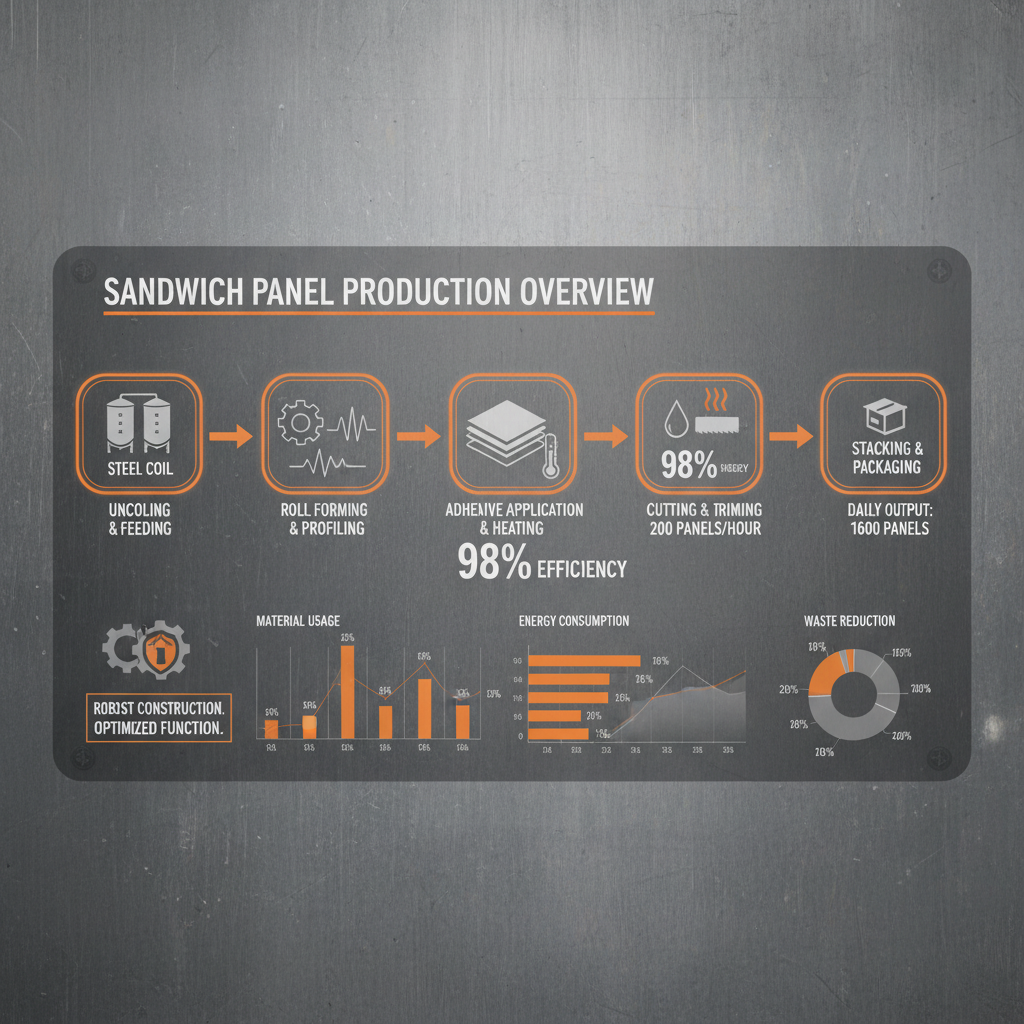
A sandwich panel production line is a comprehensive manufacturing system dedicated to the continuous creation of composite panels. These lines typically integrate several stages, including uncoiling, profiling, insulation core dispensing, bonding, and cutting. The efficiency and precision of these lines are crucial for producing high-quality panels that meet stringent industry standards. sandwich panel production line designs are continuously evolving to incorporate automation and advanced control systems.
The core objective of a well-designed sandwich panel production line is to optimize throughput, minimize waste, and ensure consistent product quality. Modern lines often incorporate features like automatic thickness adjustment, precise core dispensing, and real-time monitoring systems to achieve these goals. These production lines are not merely assembly lines; they represent integrated manufacturing solutions tailored to specific panel types and applications.
Defining the sandwich panel production line
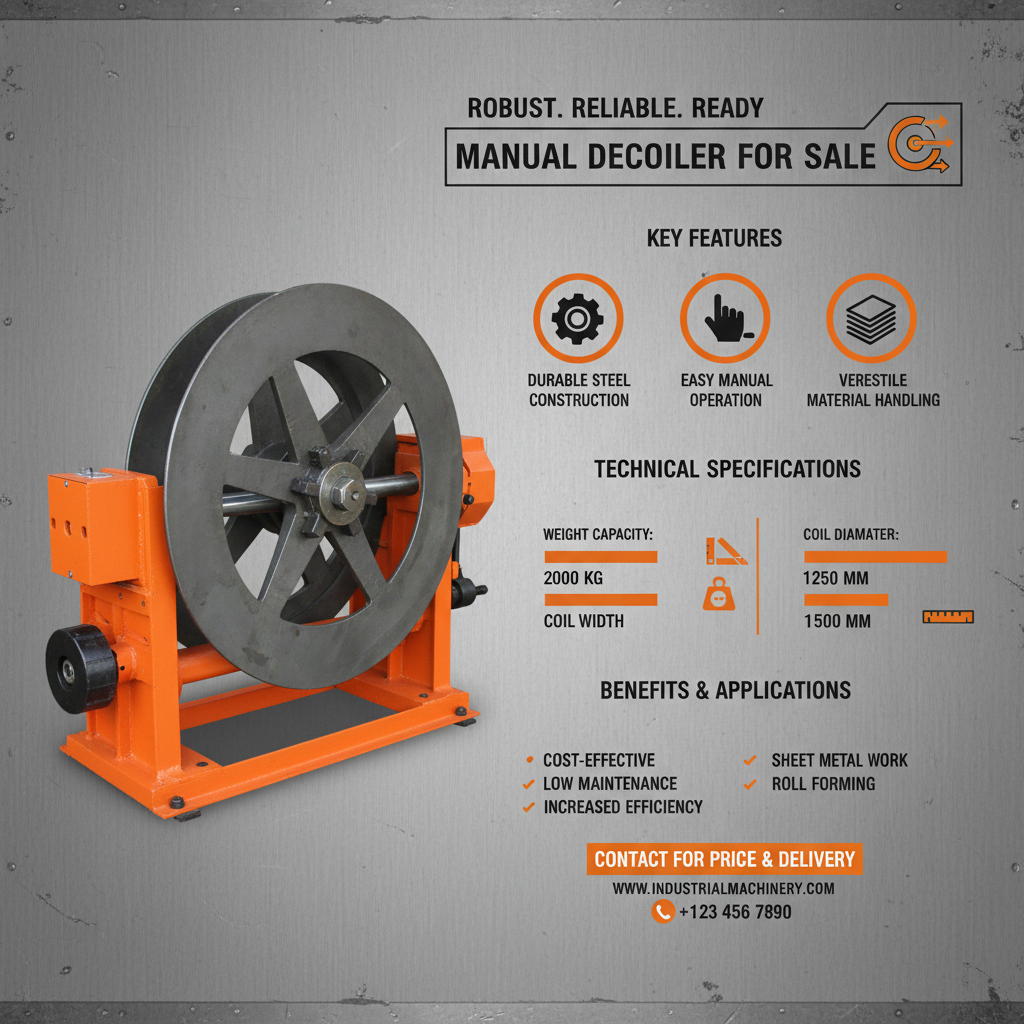
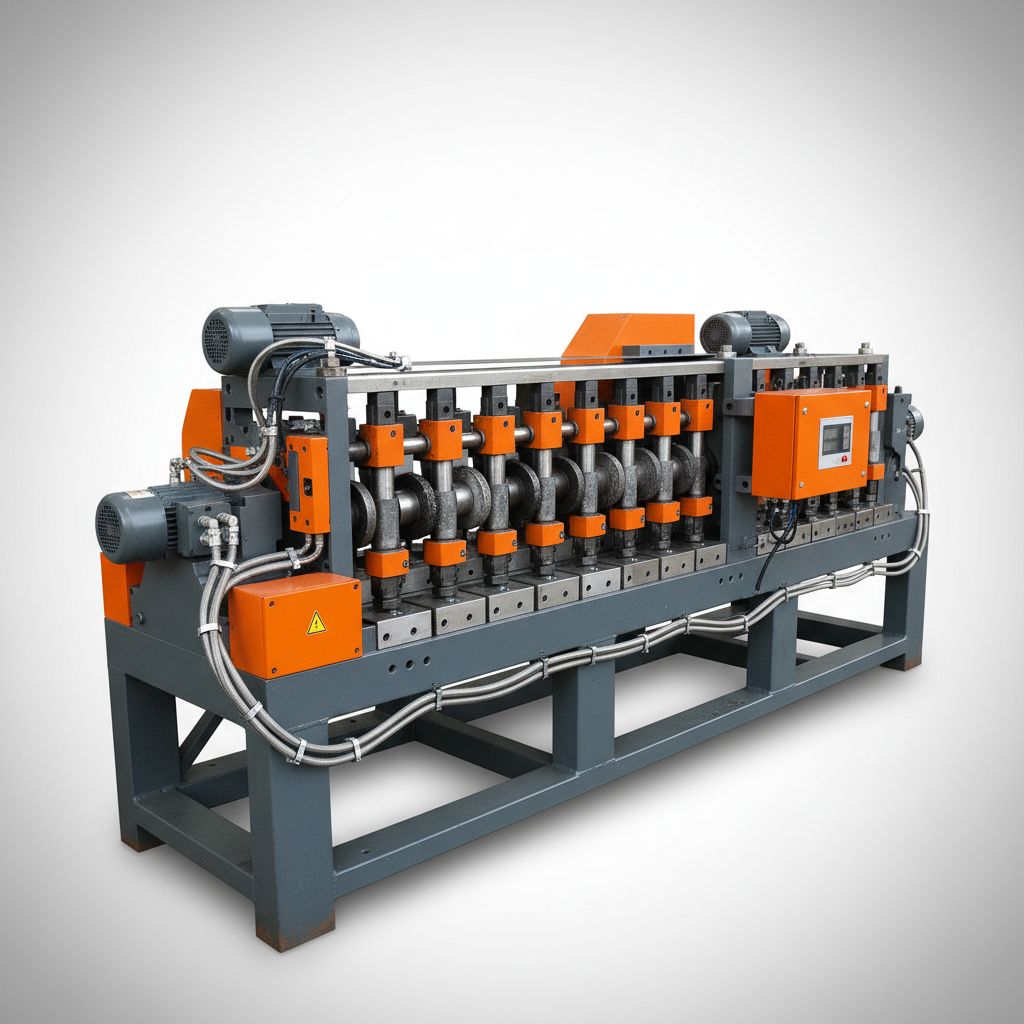
A sandwich panel production line encompasses all the machinery and processes required to manufacture sandwich panels. It begins with the unwinding of coil steel or aluminum sheets, which are then shaped through a roll forming process. Simultaneously, the insulating core material – typically polyurethane (PUR), polyisocyanurate (PIR), expanded polystyrene (EPS), or mineral wool – is precisely applied. Finally, the top and bottom layers are bonded to the core using adhesives, and the resulting panel is cut to the desired dimensions.
These lines bridge the gap between raw materials and finished building components, offering a significant advantage over traditional construction methods. They represent a shift towards off-site fabrication, enabling faster project completion times, reduced on-site labor costs, and improved quality control. sandwich panel production line is an essential component of modern prefabricated building systems.
The connection to modern industry and humanitarian needs is profound. In the construction sector, sandwich panels provide cost-effective and energy-efficient building solutions. In disaster relief, they can be rapidly deployed to create temporary shelters and medical facilities, offering immediate and safe housing for affected populations.
Key Factors of a sandwich panel production line
Durability: High-quality sandwich panels boast exceptional structural integrity and resistance to environmental factors. This is achieved through careful material selection, precise bonding processes, and robust panel designs, all managed within the production line.
Scalability: A well-designed sandwich panel production line allows for easy adjustments to production volume, enabling manufacturers to respond effectively to changing market demands. Automated systems and flexible tooling contribute significantly to scalability, making the line adaptable to various project sizes.
Cost Efficiency: The automated nature of sandwich panel production lines reduces labor costs and minimizes material waste. This leads to significant cost savings compared to traditional construction methods, making sandwich panels a financially attractive option.
Thermal Performance: Sandwich panels offer excellent thermal insulation properties, reducing energy consumption and lowering heating and cooling costs. The choice of core material and the precision of its application within the production line are critical for achieving optimal thermal performance.
Lightweight Construction: Compared to traditional building materials like concrete, sandwich panels are remarkably lightweight, reducing structural loads and simplifying installation. This is a key advantage in applications where weight is a critical factor, such as roofing and wall cladding.
Design Flexibility: Sandwich panel production lines can be configured to produce panels with a wide range of colors, finishes, and profiles, allowing for architectural creativity and customization.
Global Applications of sandwich panel production line
Sandwich panels, produced via these dedicated lines, find widespread use in diverse industries and geographical locations. In the construction sector, they are employed for wall cladding, roofing, and interior partitions in commercial, industrial, and residential buildings. The food and pharmaceutical industries utilize them extensively for constructing cold storage facilities, maintaining precise temperature control.
In post-disaster relief operations, rapidly deployable shelters constructed from sandwich panels provide immediate housing for displaced populations. Remote industrial zones benefit from the ease of transportation and assembly offered by these panels. Furthermore, the automotive and aerospace industries utilize sandwich panel technology for lightweight components requiring high strength and insulation.
Specifically, Europe exhibits a high adoption rate for energy-efficient building materials, driving demand for sandwich panel production lines. North America sees growing use in warehousing and logistics facilities. Asia-Pacific, with its rapid urbanization, represents a significant growth market, particularly in countries like China and India.
Comparison of sandwich panel production line Methods
Advantages and Long-Term Value
The benefits of investing in a sandwich panel production line extend beyond immediate cost savings. The enhanced energy efficiency of the resulting panels translates into reduced operating costs for building owners over the lifespan of the structure. The durability and low maintenance requirements minimize long-term repair expenses.
From a sustainability perspective, sandwich panels contribute to green building initiatives by reducing energy consumption and minimizing construction waste. The speed of construction also reduces disruption to communities and minimizes the environmental impact of on-site activities. These factors enhance the overall value proposition and foster a positive brand image.
Future Trends in sandwich panel production line
The future of sandwich panel production lines is heavily influenced by advancements in materials science and automation technologies. The integration of Industry 4.0 principles, including real-time data analytics, predictive maintenance, and robotic automation, will optimize production processes and improve efficiency. Expect to see increased use of sustainable core materials, such as bio-based foams and recycled plastics.
Digital twin technology will play a crucial role in simulating and optimizing production line performance, enabling manufacturers to identify and address potential bottlenecks proactively. Furthermore, the development of self-healing materials and smart panels with integrated sensors will expand the functionality and durability of sandwich panel systems.
Challenges and Solutions
Despite the numerous advantages, sandwich panel production lines face certain challenges. Maintaining consistent core material dispensing and achieving perfect bonding between layers require precise control and calibration. Dealing with variations in raw material quality and ensuring compatibility between different materials can also be complex.
Solutions involve investing in advanced control systems, implementing rigorous quality control procedures, and collaborating closely with material suppliers. Automation and robotics can help mitigate human error and ensure consistent production quality. Adopting modular line designs allows for greater flexibility and easier adaptation to changing production requirements.
Furthermore, addressing the end-of-life management of sandwich panels is a growing concern. Developing effective recycling and reuse strategies is crucial for promoting sustainability and minimizing environmental impact.
Summary of Challenges and Solutions in Sandwich Panel Production Lines
| Challenge Area |
Specific Challenge |
Potential Solution |
Implementation Cost (1-10) |
| Core Material Consistency |
Variations in density and viscosity |
Automated dispensing system with feedback control |
7 |
| Bonding Integrity |
Insufficient adhesion between layers |
Precise adhesive application and controlled curing process |
6 |
| Raw Material Quality |
Inconsistent material thickness and surface finish |
Supplier qualification and rigorous incoming inspection |
5 |
| Production Line Flexibility |
Difficulty adapting to different panel sizes and profiles |
Modular line design with quick-change tooling |
8 |
| Waste Management |
Generating scrap material during cutting and trimming |
Optimization of cutting patterns and material recycling program |
4 |
| End-of-Life Disposal |
Lack of effective recycling infrastructure for composite panels |
Development of depolymerization technologies and material recovery systems |
9 |
FAQS
Sandwich panel production lines offer significant advantages including faster construction times, reduced labor costs, improved energy efficiency due to superior insulation, and lighter overall building weight. This leads to lower transportation costs and simplified structural requirements. Furthermore, the controlled factory environment ensures consistent product quality and minimizes waste compared to on-site construction. sandwich panel production line enhances overall project efficiency and sustainability.
Common core materials include polyurethane (PUR), polyisocyanurate (PIR), expanded polystyrene (EPS), and mineral wool. PUR and PIR offer excellent thermal insulation and structural strength, while EPS is cost-effective and lightweight. Mineral wool provides superior fire resistance and acoustic performance. The choice of core material depends on the specific application and performance requirements, and a well-configured sandwich panel production line can efficiently process multiple core materials.
Modern sandwich panel production lines incorporate a high degree of automation, including automated uncoiling, roll forming, core dispensing, bonding, cutting, and stacking. Many lines also feature robotic systems for handling materials and performing quality control checks. Advanced control systems monitor and adjust parameters in real-time to ensure consistent product quality and optimize production efficiency.
Regular maintenance is crucial for ensuring optimal performance. This includes lubricating moving parts, inspecting and replacing worn components, calibrating sensors, and cleaning the production area. Preventative maintenance schedules should be established based on manufacturer recommendations. Implementing a predictive maintenance program, utilizing data analytics, can further minimize downtime and extend the lifespan of the line.
The ROI for a sandwich panel production line varies depending on factors such as production volume, product mix, and market demand. However, due to reduced labor costs, improved material utilization, and faster production times, the ROI is generally significant. A detailed feasibility study should be conducted to assess the specific ROI for a particular investment. sandwich panel production line offers a strong potential for profitability.
Sandwich panel production lines promote sustainability by enabling the creation of energy-efficient building components. Reduced material waste through precise manufacturing, minimized transportation costs due to lighter weight, and the potential use of recycled core materials all contribute to a lower environmental footprint. The improved thermal performance of the panels reduces energy consumption throughout the building's lifespan.
Conclusion
In conclusion, sandwich panel production lines are transformative technologies reshaping the construction and manufacturing landscape. Their ability to deliver durable, energy-efficient, and cost-effective building solutions makes them invaluable in addressing global challenges related to housing, infrastructure, and sustainability. The continued innovation in materials, automation, and digital integration will further enhance the capabilities and value proposition of these lines.
Looking ahead, investing in a modern sandwich panel production line represents a strategic move for businesses seeking to capitalize on the growing demand for prefabricated building components. By embracing these technologies, manufacturers can enhance their competitiveness, reduce their environmental impact, and contribute to a more sustainable future. Visit our website at www.yowinmachine.com to learn more about how we can help you optimize your production process.