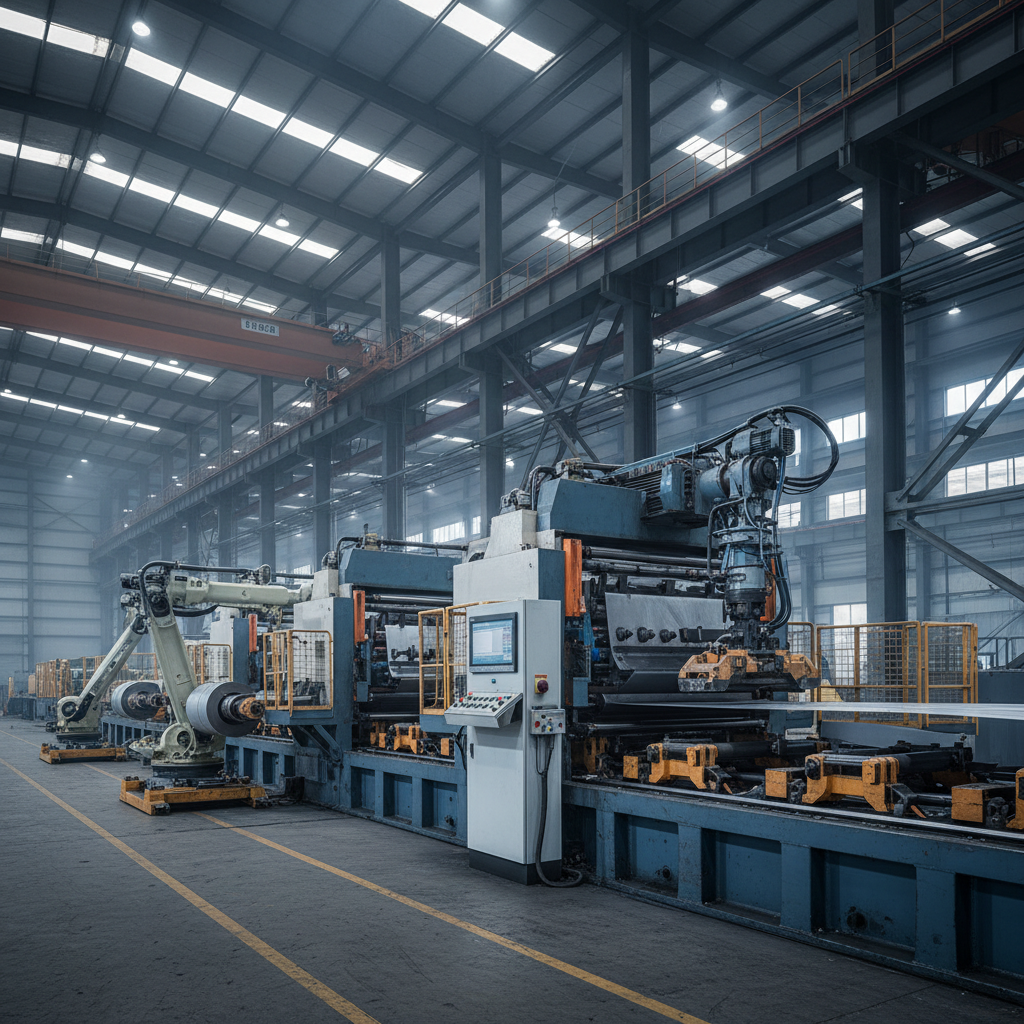
Look, honestly, everyone’s talking about ‘smart factories’ and ‘Industry 4.0’ these days. All these engineers are pushing for fully automated lines, right? But having spent a year on construction sites, seeing how things actually get done… it’s a bit overblown. People still rely on good old-fashioned craftsmanship and intuition. It's not all algorithms and sensors. The real shift isn't just automation, it’s the demand for quicker turnaround, more customization, and frankly, stuff that doesn't fall apart after a month. That’s where forming machines come in – because you need precision, repeatability, and the ability to adapt.
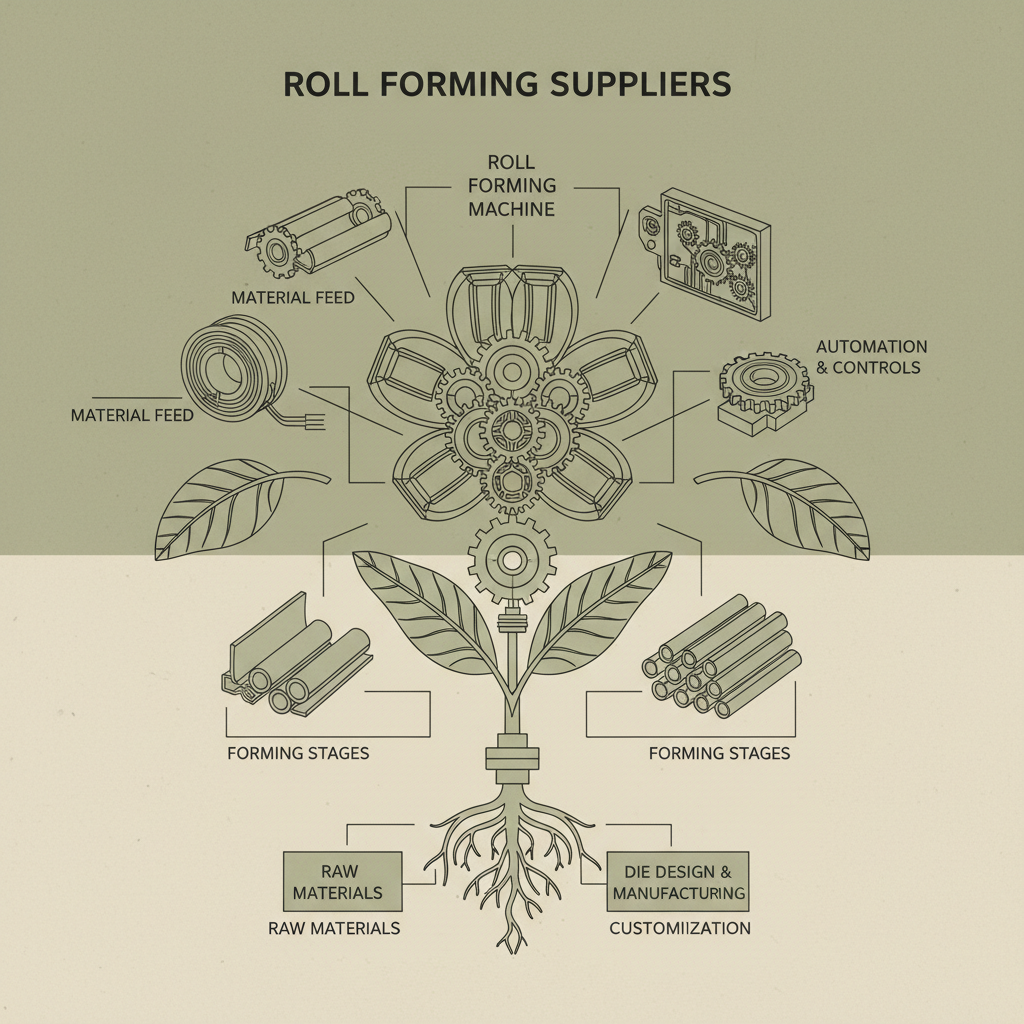
Have you noticed how many projects get delayed because of component sourcing? Or because the parts just don’t fit? It’s insane. That’s why finding a good forming machine manufacturer is critical. You need someone who understands the whole process, not just the machine itself. They need to know what happens after the part leaves the factory floor.
And it’s not just about the big, flashy stuff, either. It’s about the little things. Like, are the sensors reliable? Is the software user-friendly enough that the guys on the shop floor can actually use it? Because let me tell you, they will find a way to bypass anything too complicated. They always do.
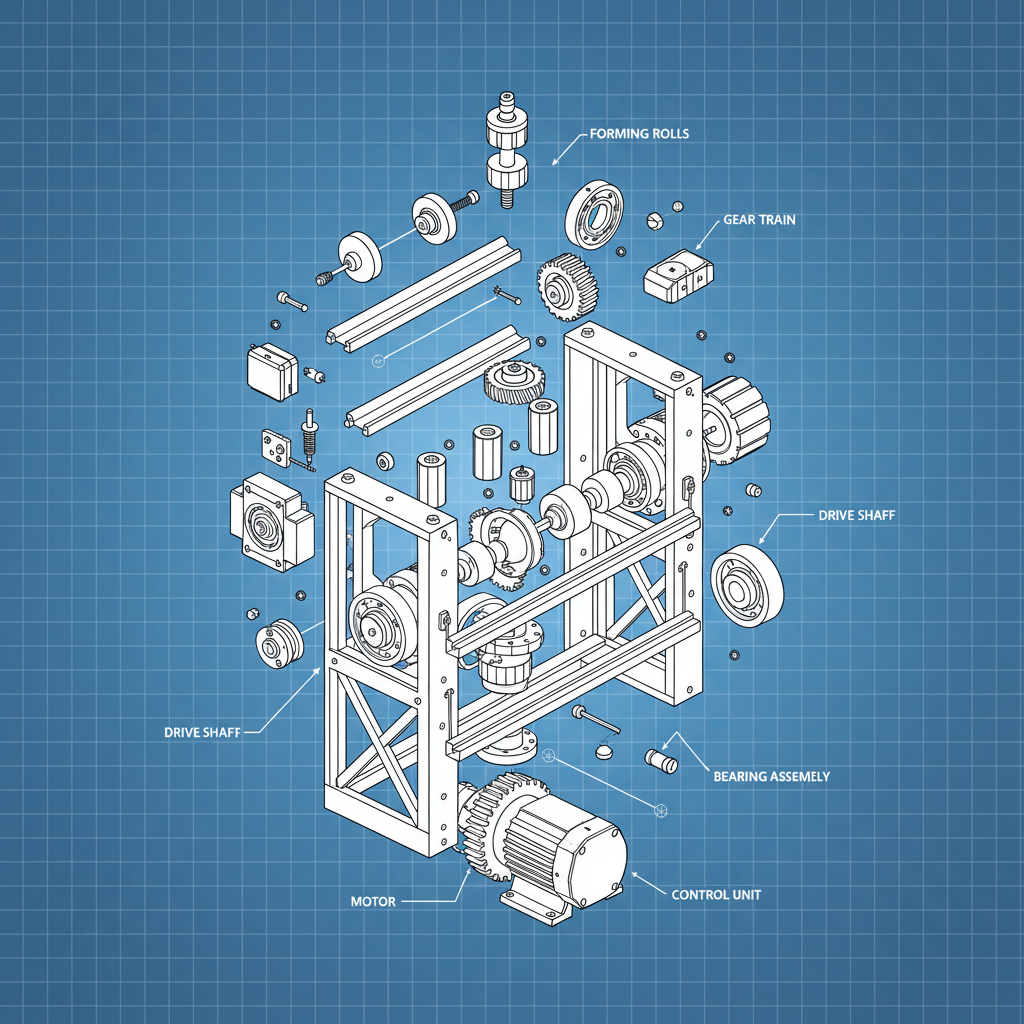
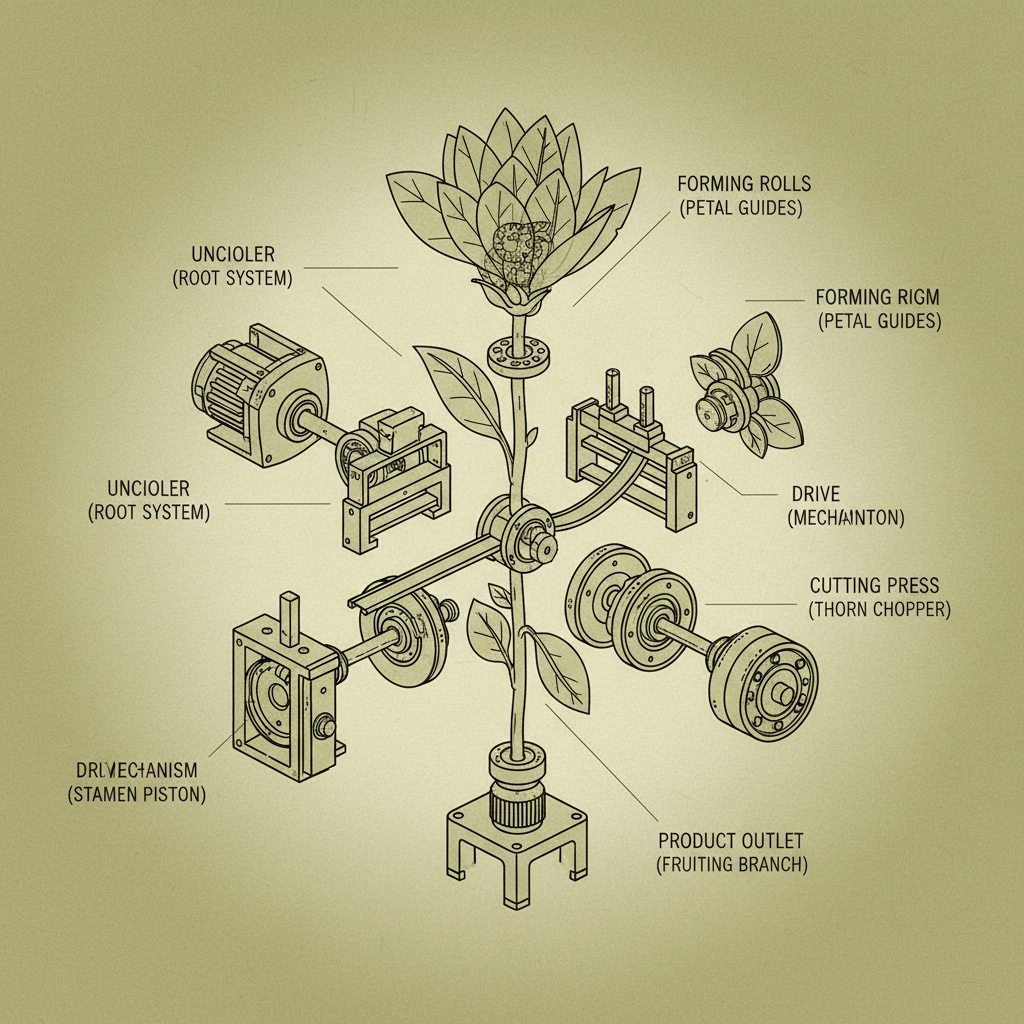
Strangely enough, the biggest trend isn’t necessarily new technology, it’s the demand for machines that can handle a wider range of materials. Used to be, you picked a machine for steel, or a machine for aluminum. Now, everyone wants one that can do both, and then some – even things like composites. And they want to switch materials quickly, without a complete teardown and rebuild. That’s what forming machine manufacturers are scrambling to deliver.
There’s also a huge push for energy efficiency. Not just because it’s the “right” thing to do, but because electricity costs are eating into everyone’s profits. I encountered this at a fastener factory last time – they were practically begging for a machine that would use less power. It’s a real concern.
Lead times really vary. Simple modifications might take a few weeks, but a completely custom machine, especially with specialized tooling, can easily take 6-8 months. It depends on the complexity of the design, material availability, and our current workload. We try to be upfront about timelines from the start, and we keep clients updated throughout the process. Don't expect miracles, though – good things take time.
We generally offer on-site installation and training as part of the package. Our technicians will set up the machine, calibrate it, and train your operators on how to use it safely and effectively. We also provide detailed manuals and ongoing technical support. Honestly, proper training is crucial – a machine is only as good as the people operating it.
Regular preventative maintenance is essential to keep your machine running smoothly. This typically includes lubrication, cleaning, inspecting wear parts, and tightening fasteners. We provide a detailed maintenance schedule, and we can also offer maintenance contracts if you prefer. Ignoring maintenance will lead to breakdowns and costly repairs, trust me.
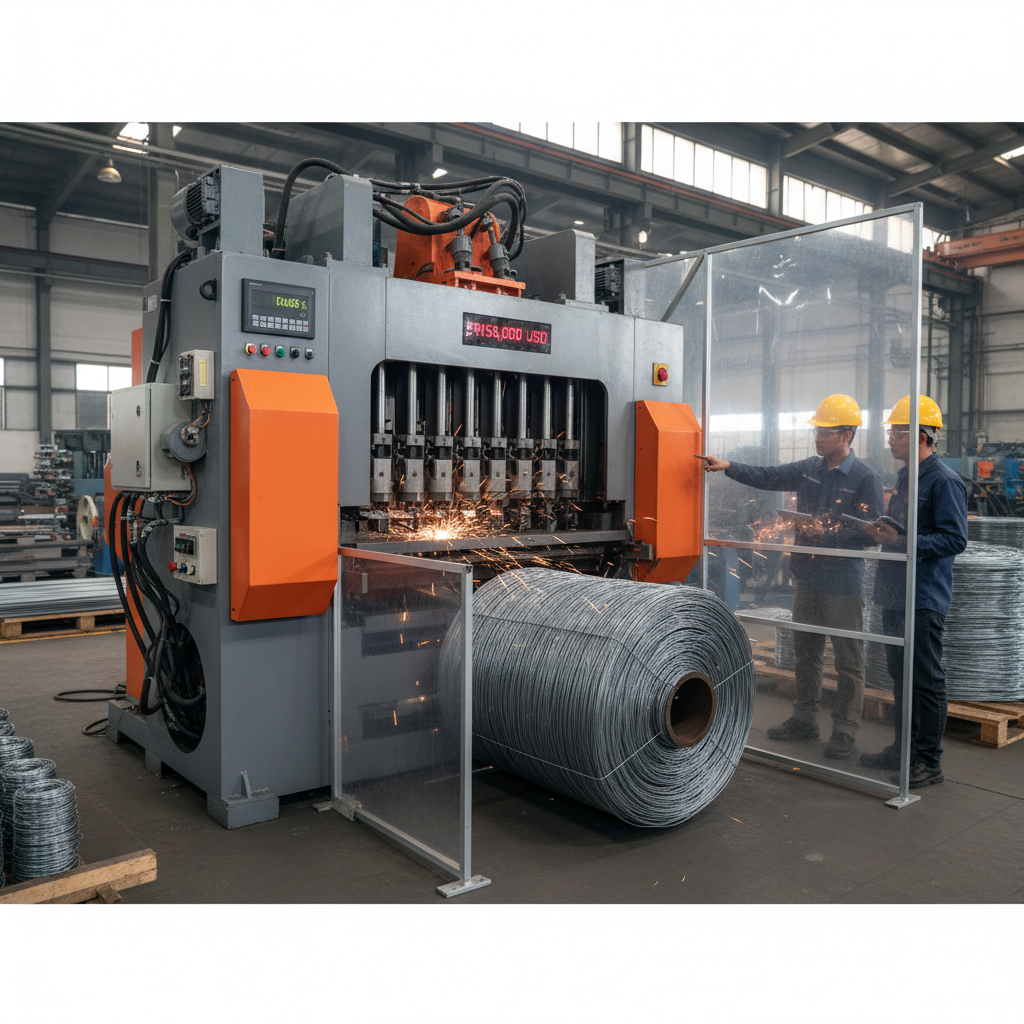
Safety is our top priority. Our machines are equipped with a range of safety features, including emergency stop buttons, light curtains, safety interlocks, and guarding. We also comply with all relevant safety standards. However, it's still up to the operators to follow safe operating procedures. A machine can't protect you from your own carelessness.
We maintain a stock of common spare parts, and we can typically ship them within 24-48 hours. For less common parts, it may take a bit longer. We recommend that customers keep a small inventory of critical spare parts on hand to minimize downtime. Because when a machine goes down, everything stops.
Absolutely. Most of our machines are designed to handle a range of material thicknesses, and we can often adjust the settings to accommodate different requirements. However, there are limits. Trying to form a material that’s too thick or too thin can damage the machine or the material. We'll work with you to determine the optimal settings for your specific application.
So, yeah, forming machines. They’re complex, they’re expensive, but they’re absolutely essential for modern manufacturing. Finding the right forming machine manufacturer isn’t just about getting the best price. It’s about finding a partner who understands your needs, who can provide reliable support, and who’s willing to go the extra mile to ensure your success. It's about more than just specs and features; it's about trust and a long-term relationship.
Ultimately, whether this thing works or not, the worker will know the moment he tightens the screw. That's the bottom line. Spend the time, get the right machine, and give those guys the tools they need to do their job right. You won't regret it.