Comprehensive Guide to Roof Panel Forming Machine Technology and Applications
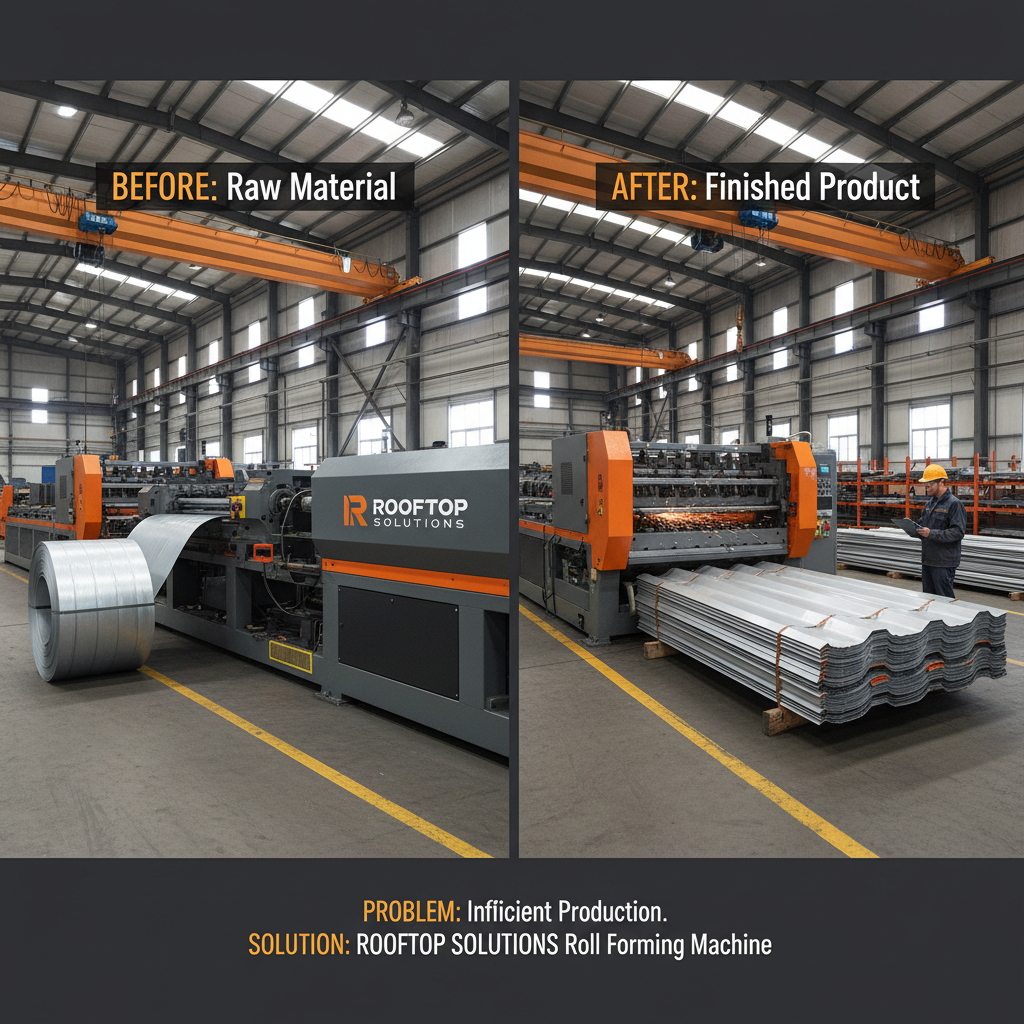
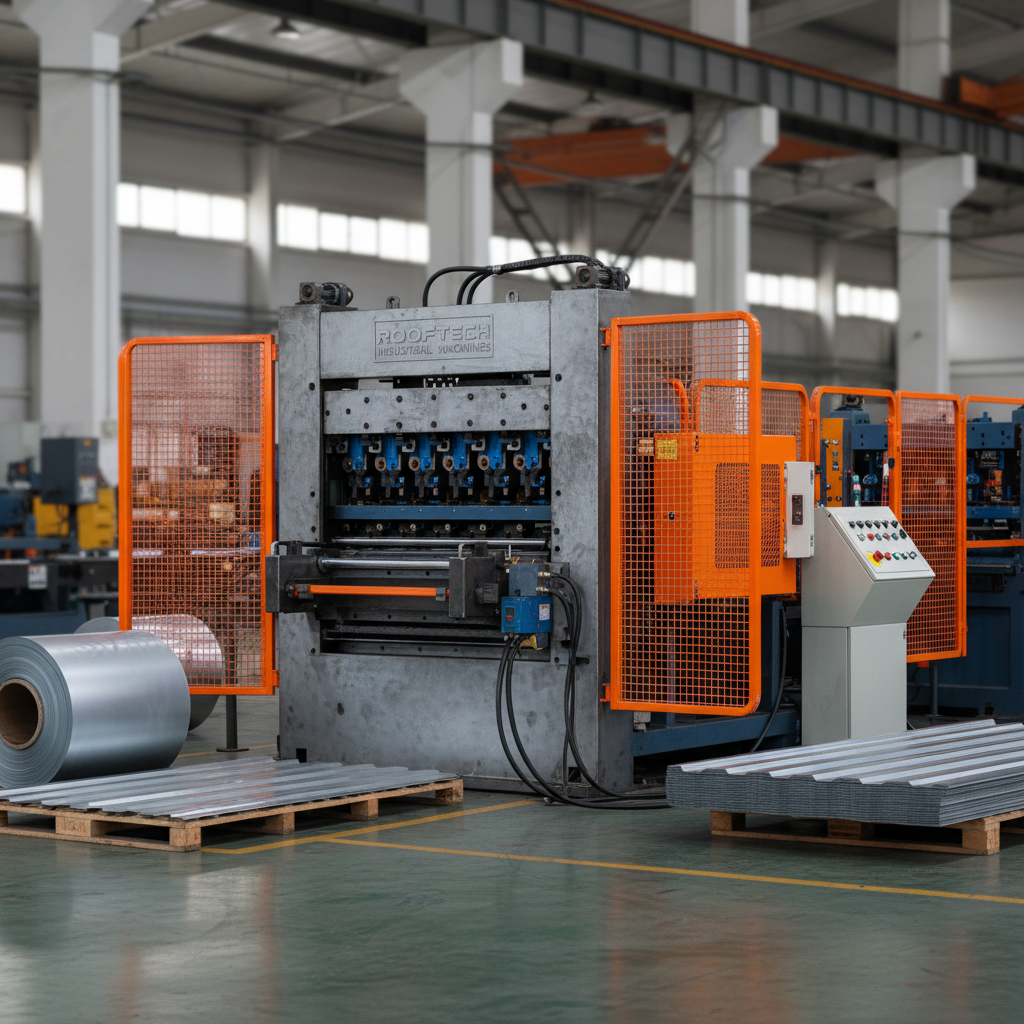
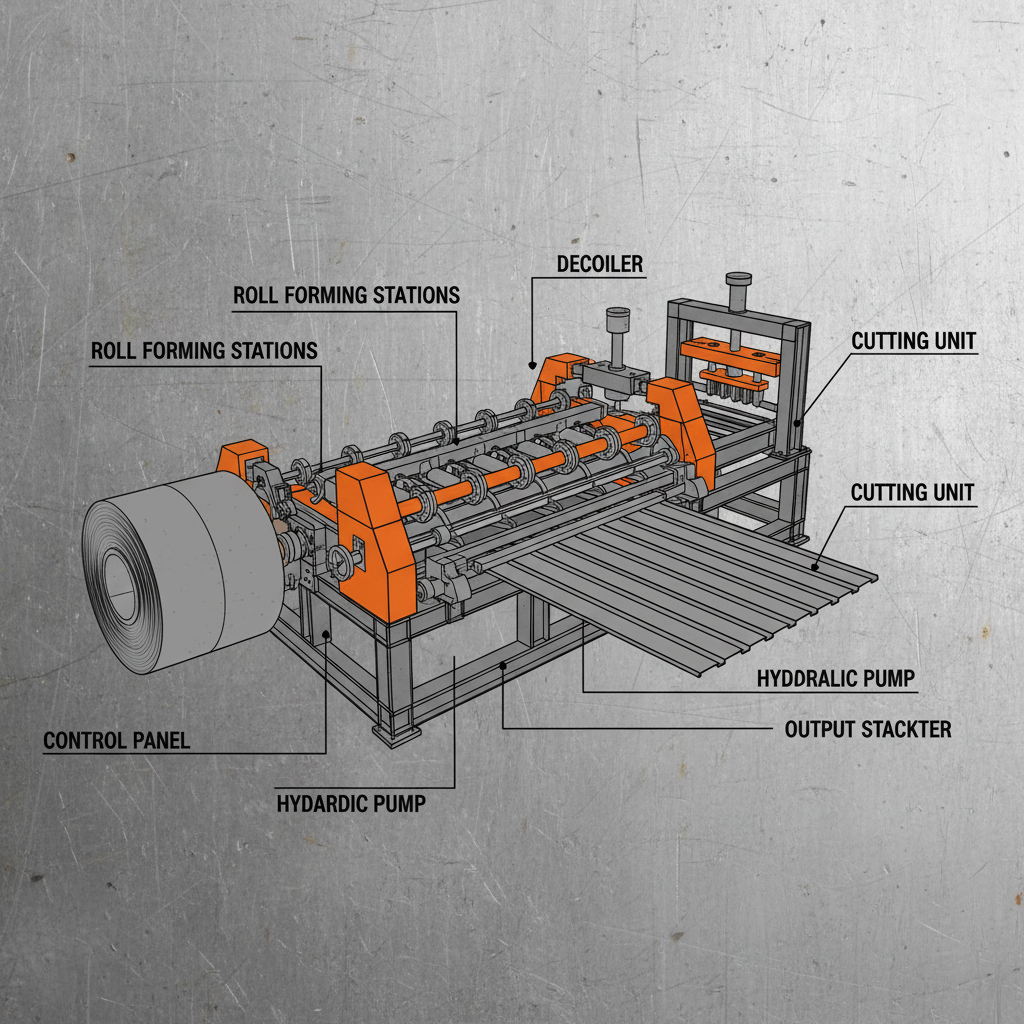
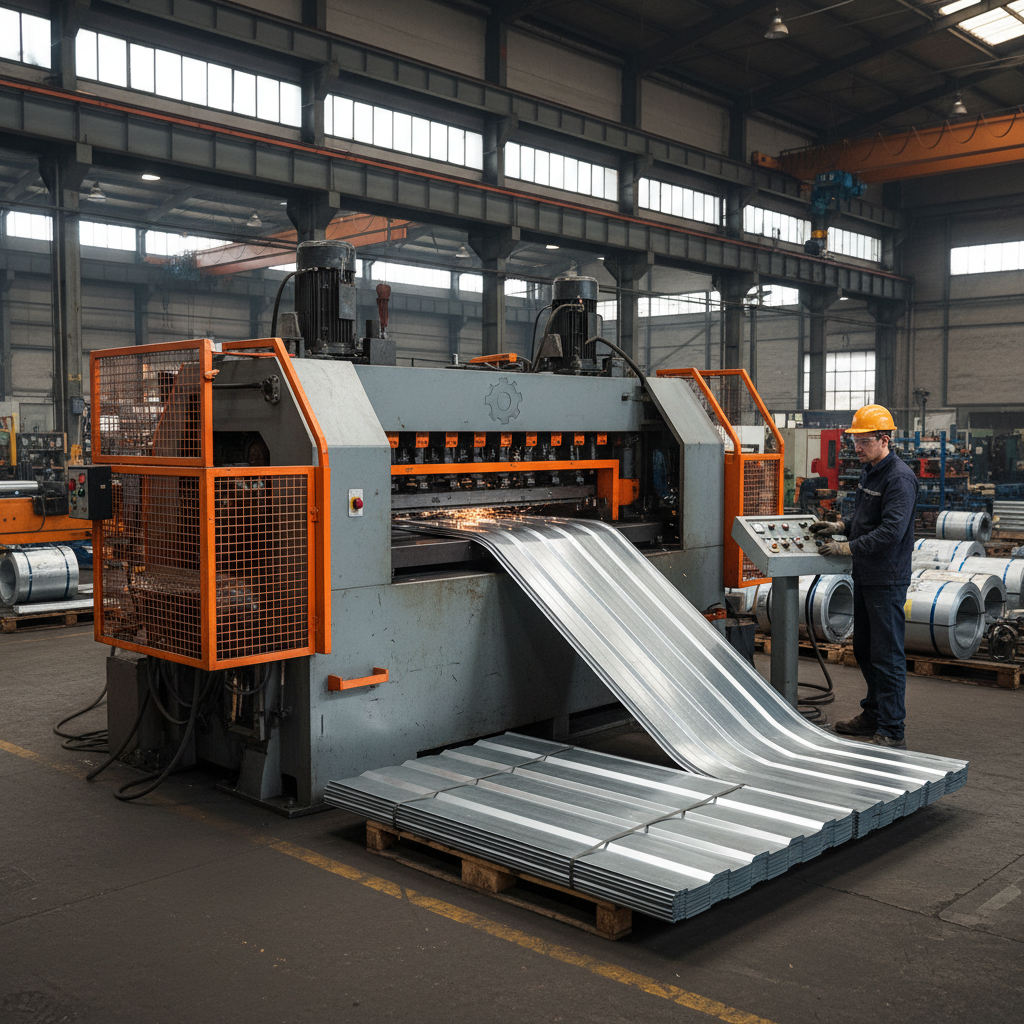
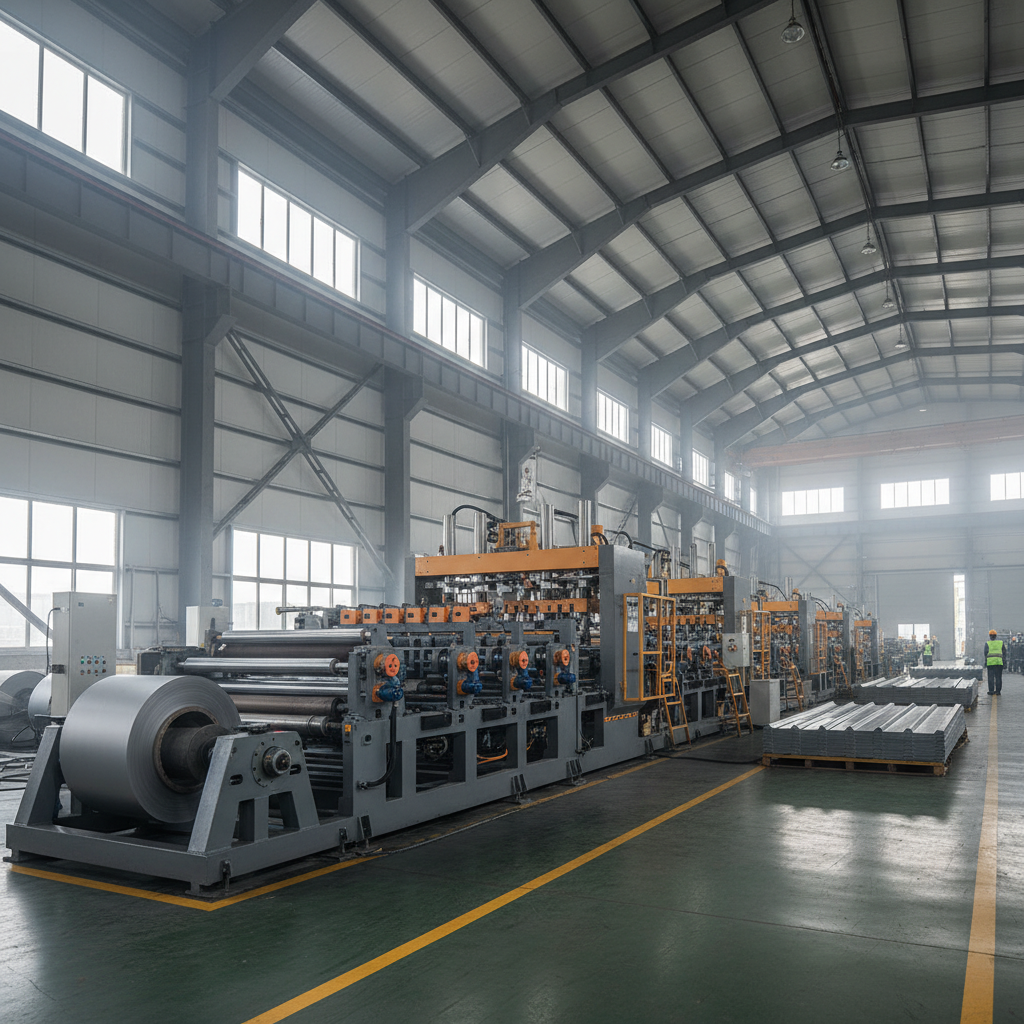
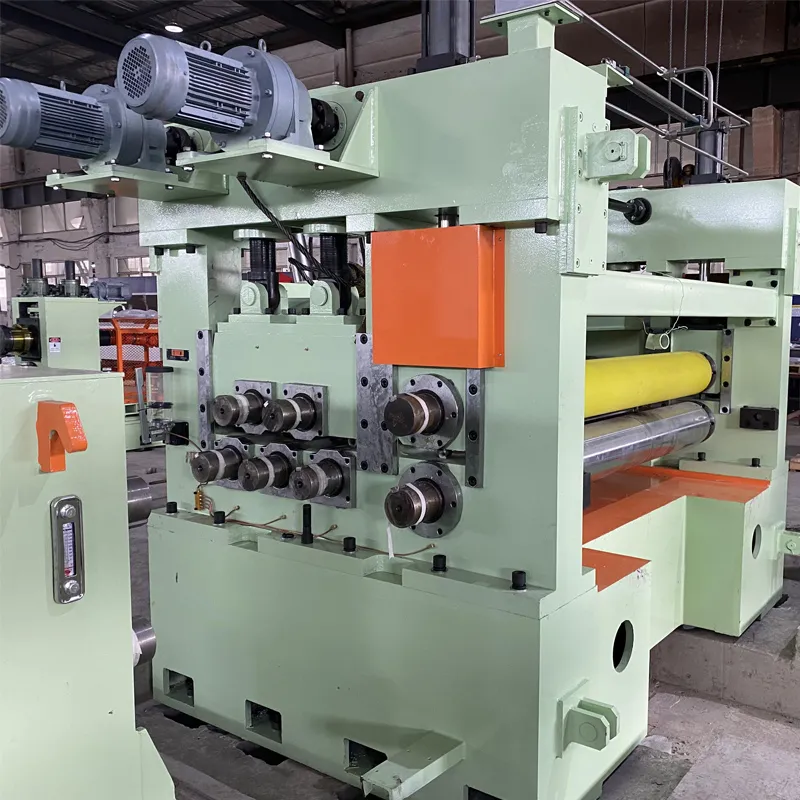
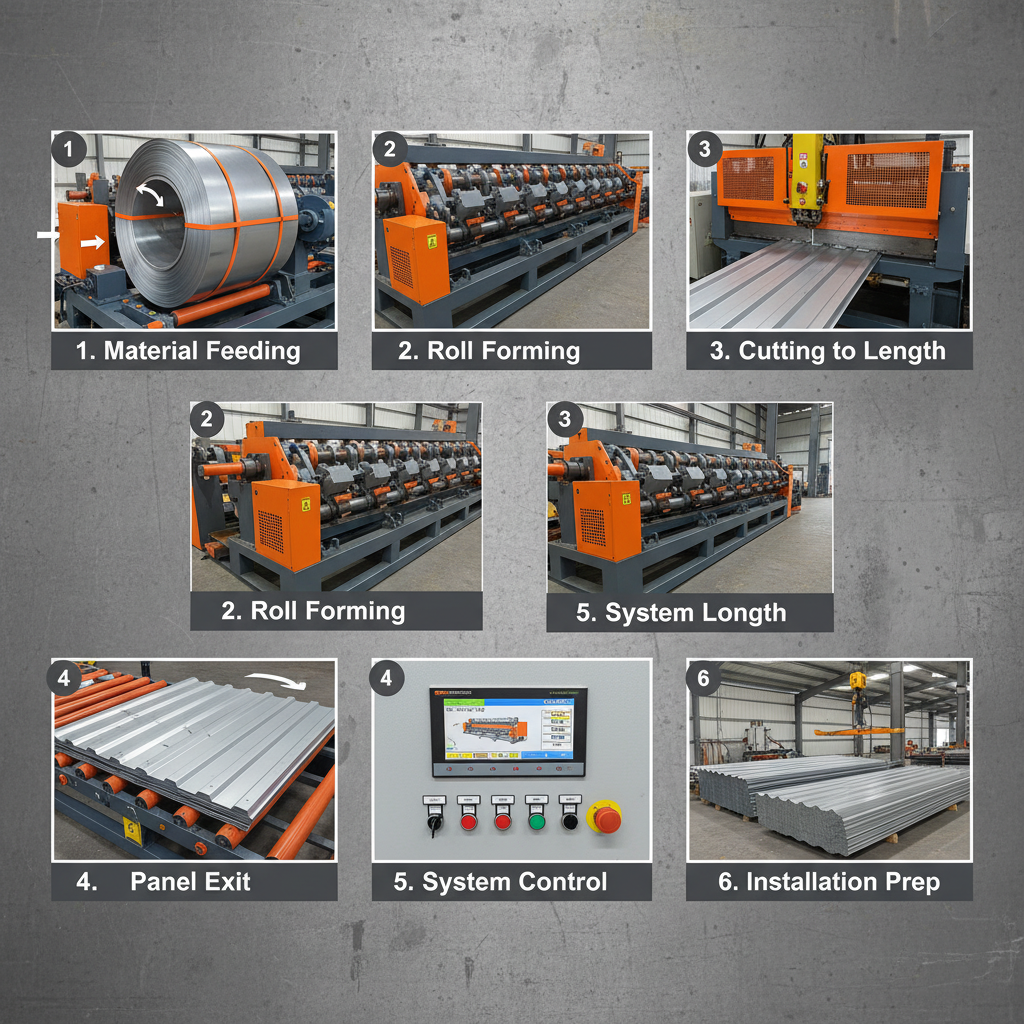
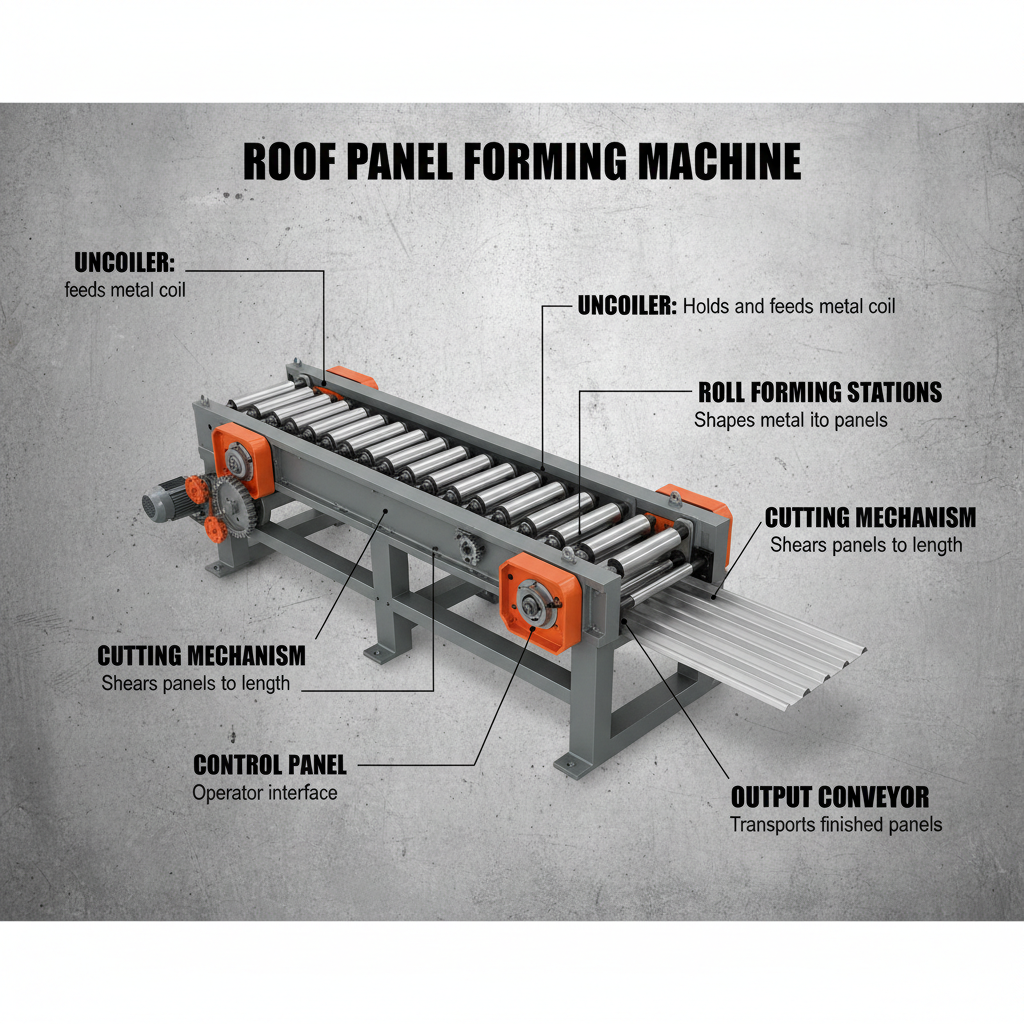
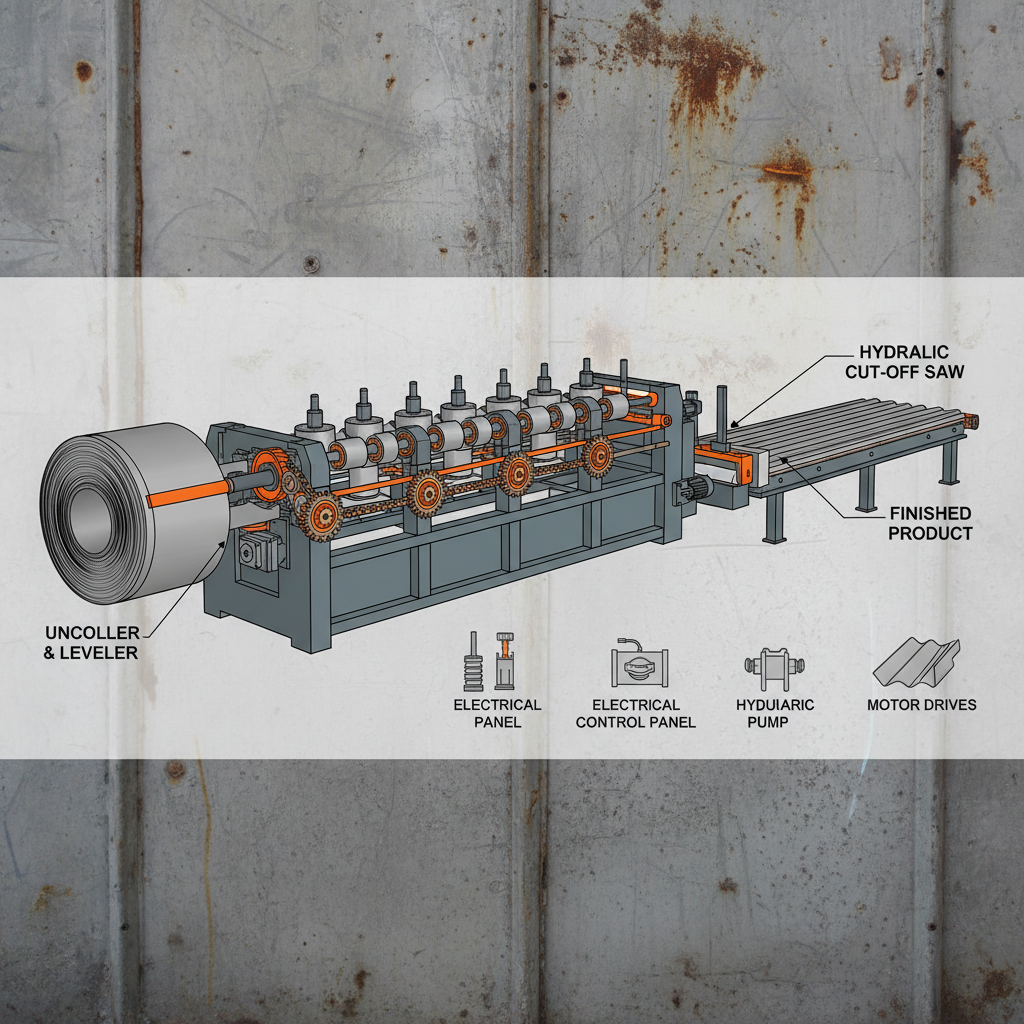
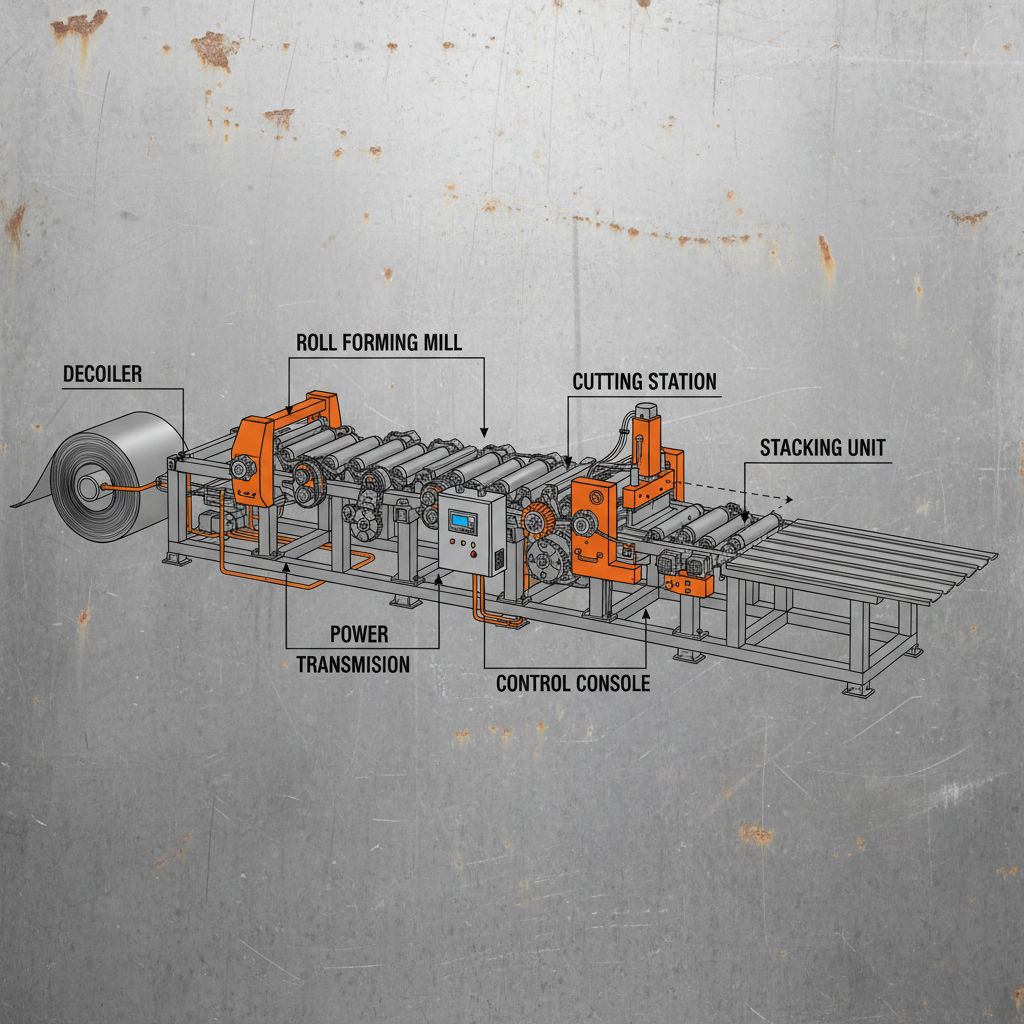
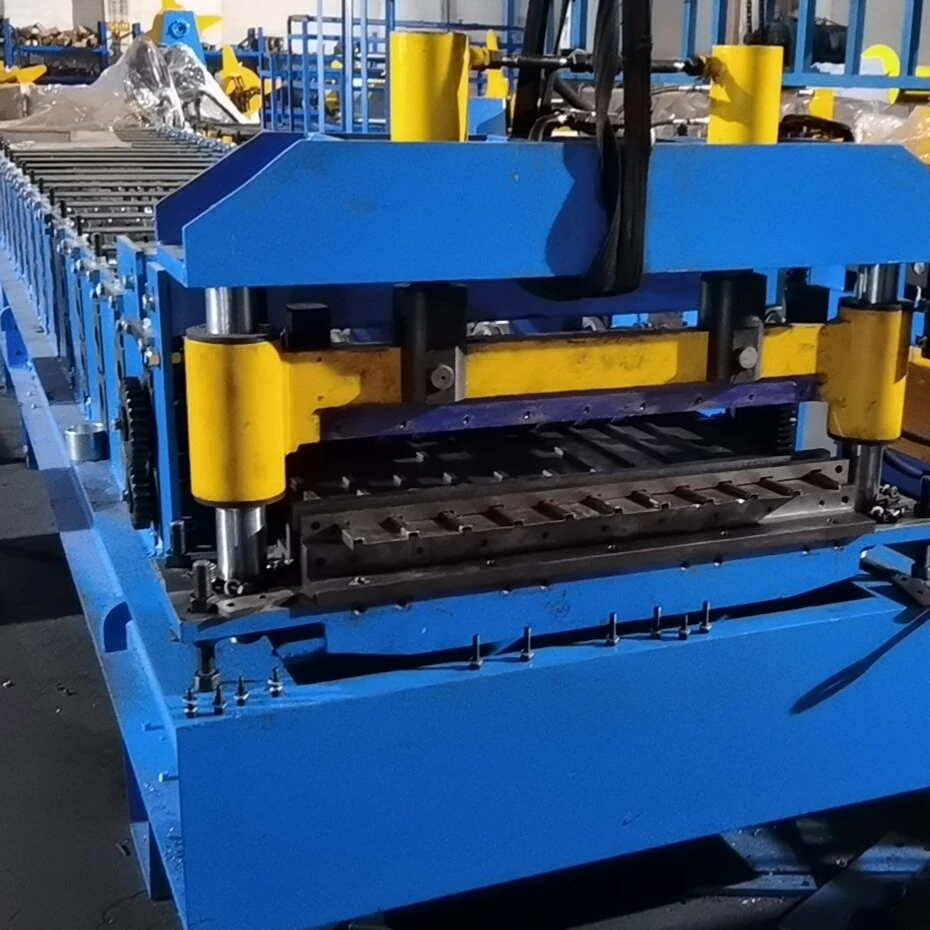
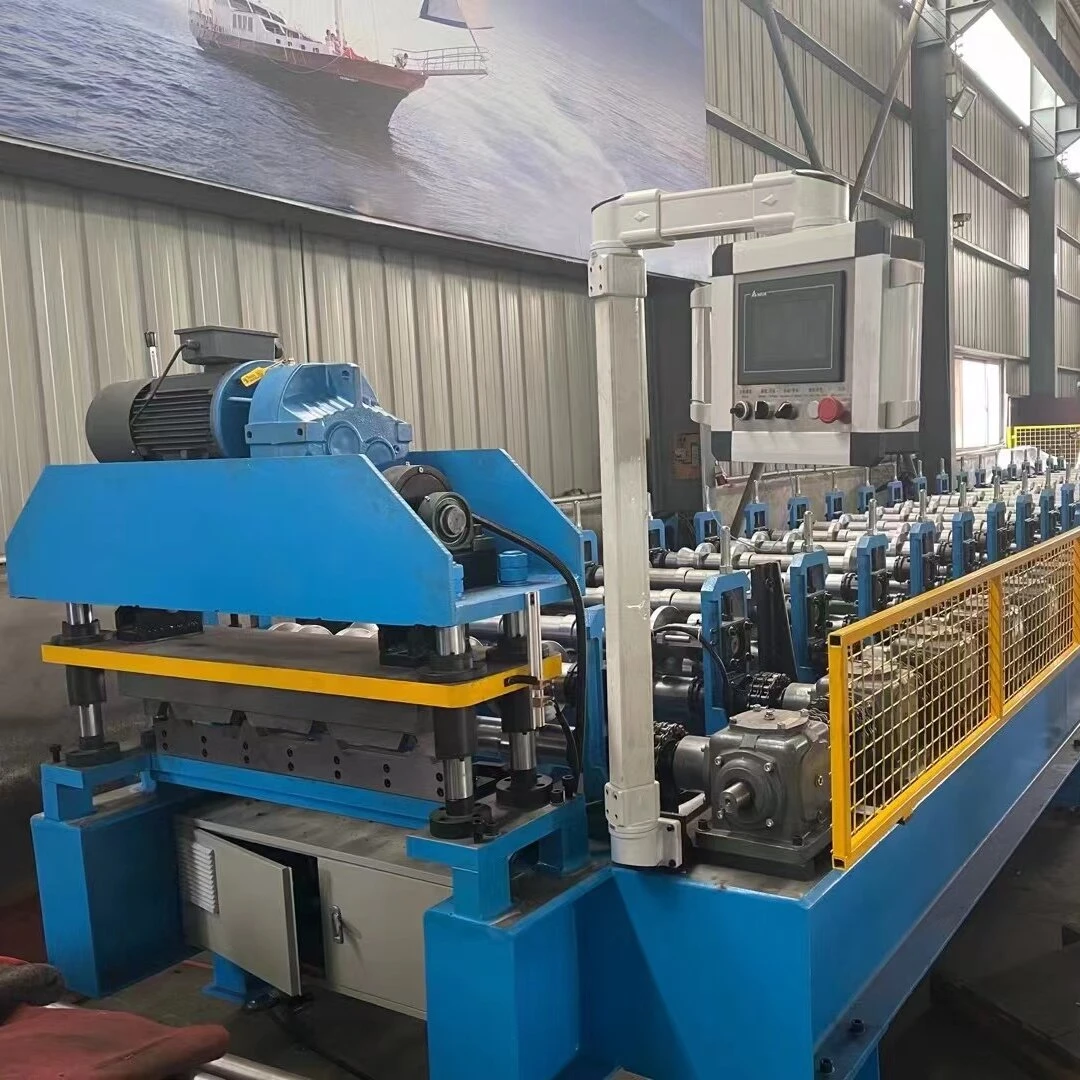
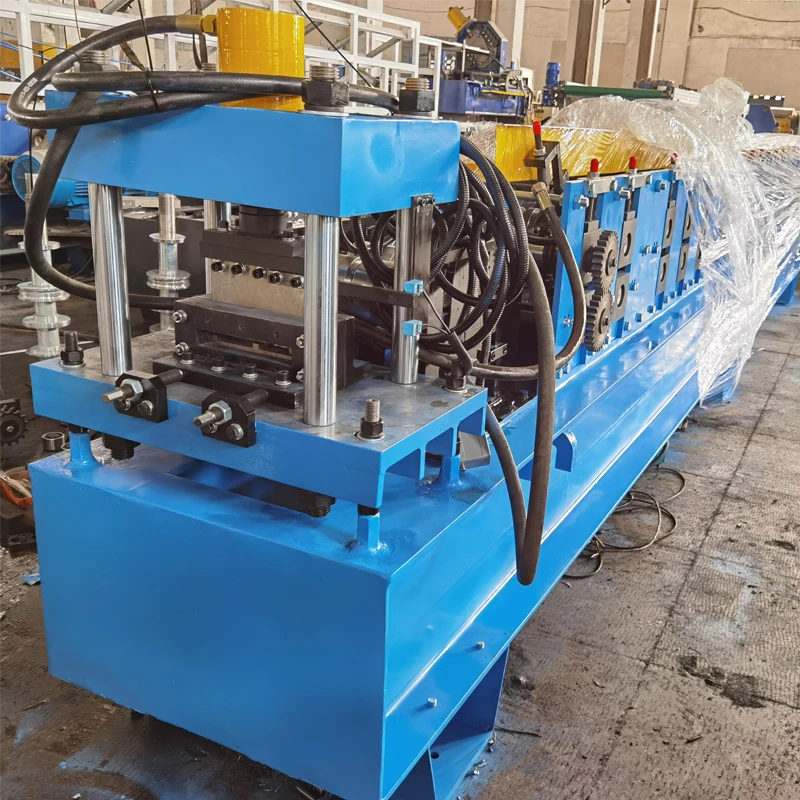
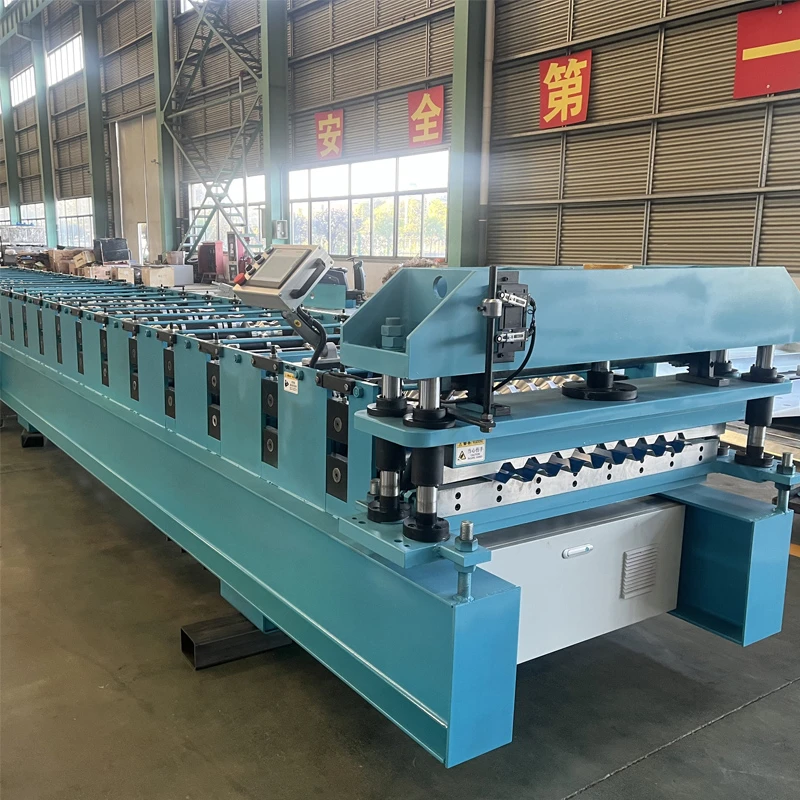
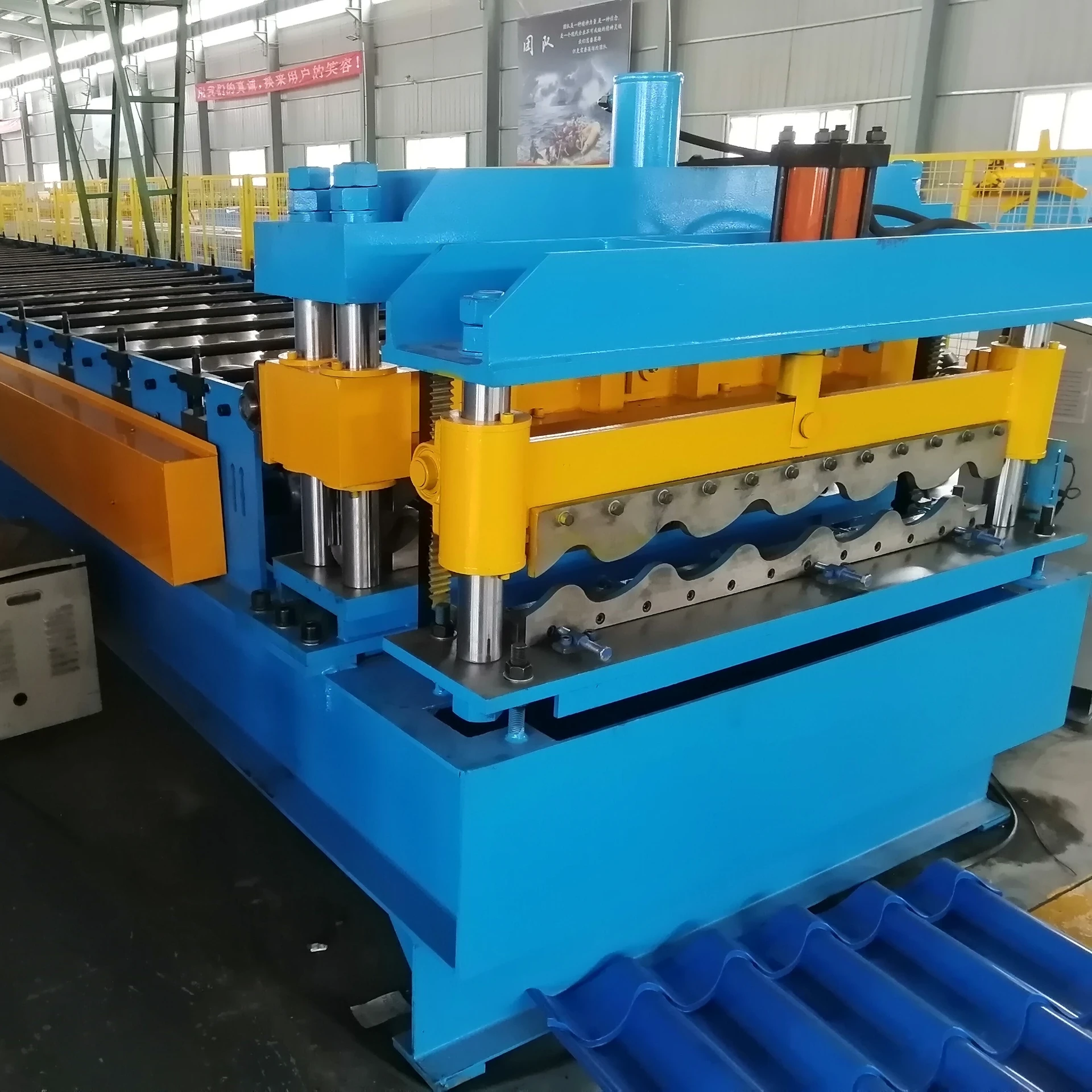
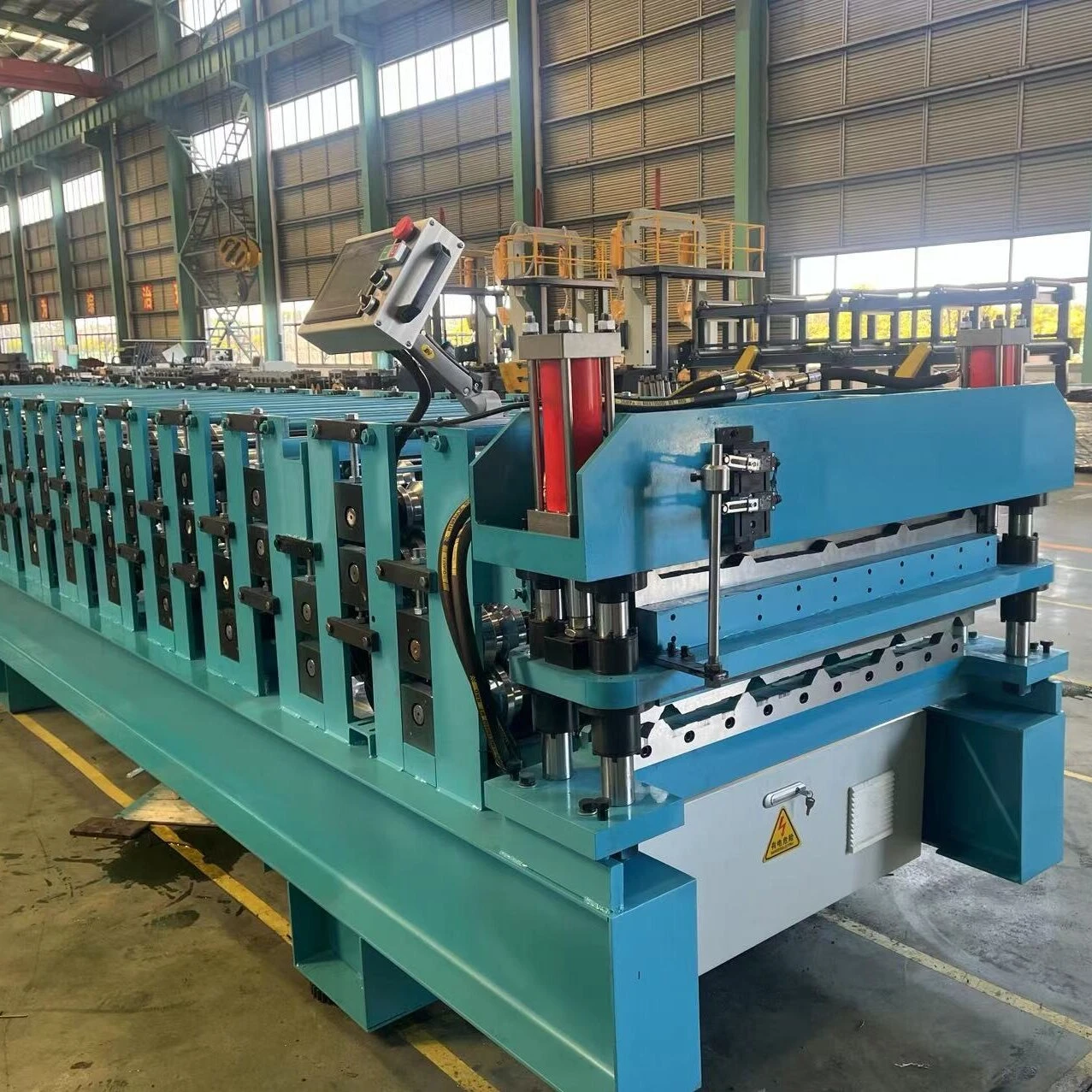
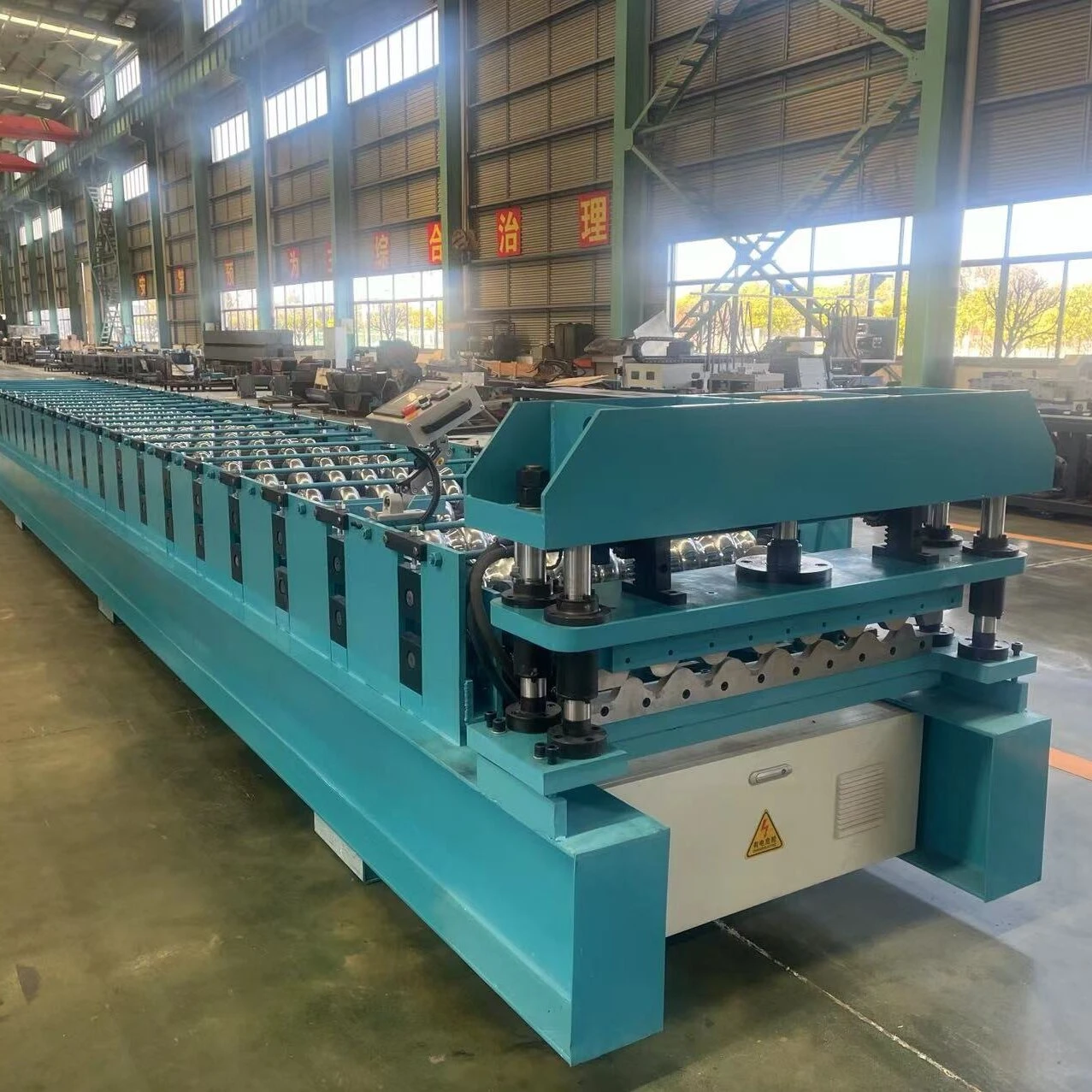
The demand for durable and aesthetically pleasing roofing solutions is constantly increasing globally. To meet this need, manufacturers rely on efficient and precise machinery. A roof panel forming machine is a crucial investment for producing high-quality metal roofing panels. This article provides a comprehensive overview of these machines, their applications, benefits, and key considerations when choosing the right model. We will explore the technology, materials, and factors contributing to a successful roofing panel production line. Roof panel forming machines work by progressively bending a flat metal coil into a desired profile. The process generally involves several stages: decoiling, feeding, forming, and cutting. The metal coil is unrolled by the decoiler and fed into the machine. A series of rollers then gradually shape the metal sheet, creating the panel’s profile – such as trapezoidal, corrugated, or sandwich panels. Finally, a cutting mechanism shears the formed panel to the required length. Modern machines often incorporate automated control systems for precise adjustments and consistent output. There are several types of roof panel forming machines, each designed for specific panel profiles and production volumes. The most common types include: Single-Profile Machines: Designed to produce only one type of roofing panel. These are generally more affordable and suitable for businesses with consistent demand for a specific profile. Multi-Profile Machines: Capable of producing multiple panel profiles by changing the forming rollers. These offer greater flexibility and are ideal for businesses serving diverse customer needs. High-Speed Machines: Engineered for high-volume production, often featuring automated control systems and faster processing speeds. Guard Rail Forming Machines: Specialized for creating guard rail panels, often used in conjunction with roofing systems.