
Comprehensive Guide to Roofing Sheet Moulding Machine Technology and Applications
Roofing Sheet Moulding Machine: A Comprehensive Guide
The demand for durable and cost-effective roofing solutions is consistently high across the globe. A roofing sheet moulding machine is the cornerstone of efficient production, enabling manufacturers to meet this demand with precision and speed. This article delves into the workings, benefits, types, and key considerations when investing in a roofing sheet moulding machine. We’ll explore how these machines contribute to the booming construction industry and highlight why choosing the right machine is crucial for success. Selecting the appropriate machinery is essential for delivering high-quality roofing materials that can withstand diverse weather conditions and provide long-lasting protection.
Understanding Roofing Sheet Moulding Machines
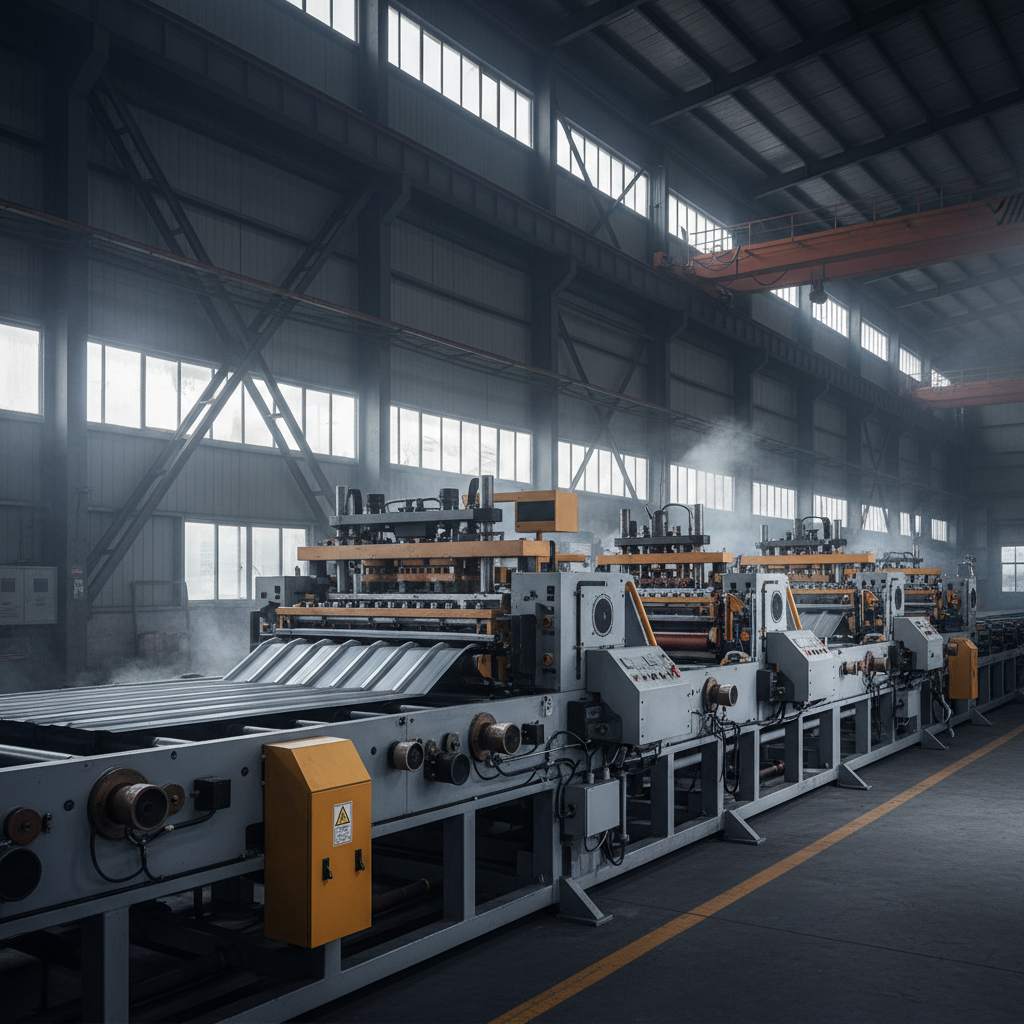
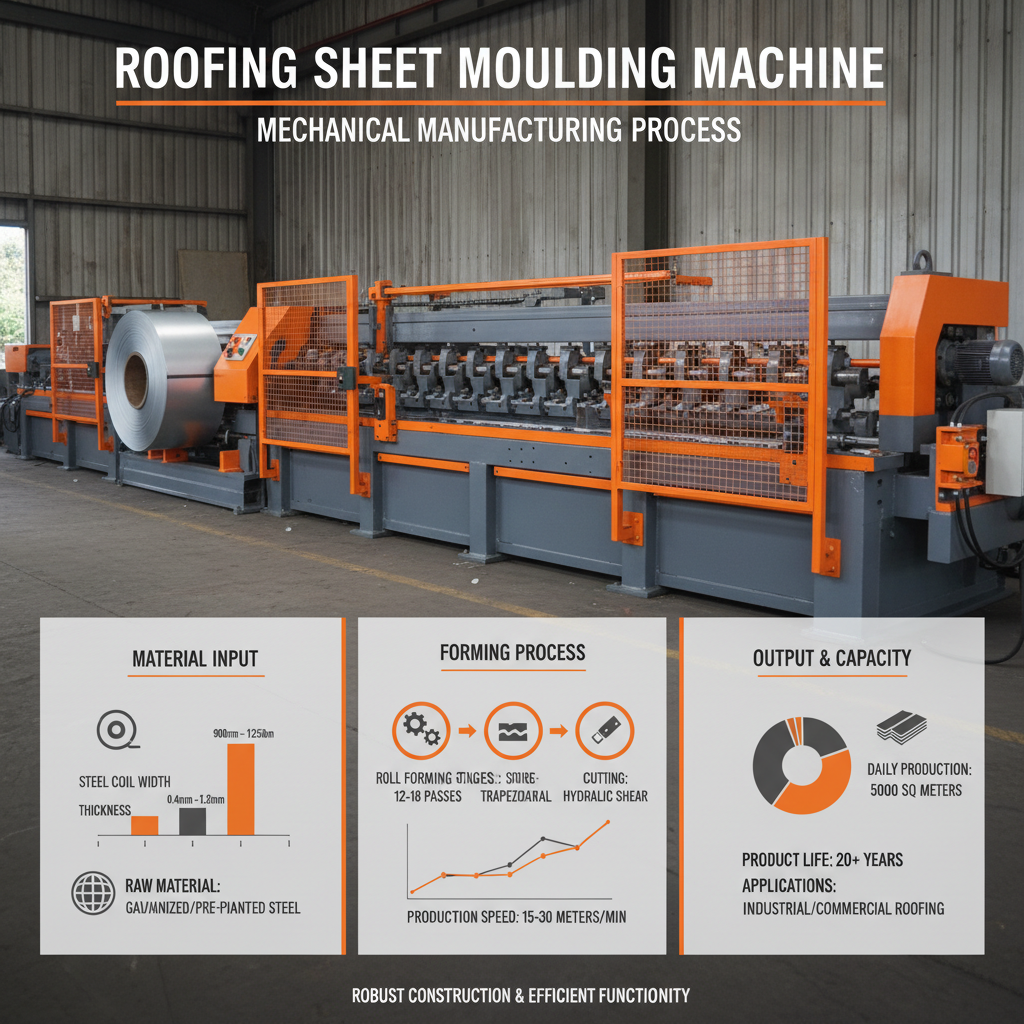
A roofing sheet moulding machine, also known as a roll forming machine for roofing, is designed to continuously bend and shape metal coils – typically steel or aluminum – into desired roofing sheet profiles. The process involves passing the metal coil through a series of rollers, each precisely shaped to incrementally form the sheet's profile. These machines are highly automated, offering consistent quality and significantly reducing labor costs. They are utilized to produce various roofing sheets including corrugated sheets, trapezoidal sheets, glazed tile sheets and more. Investing in a high-quality roofing sheet machine offers substantial advantages in terms of production efficiency and product quality.
Key Benefits: Reduced labor costs, consistent product quality, high production speeds, ability to create diverse roofing profiles, and decreased material waste.
Types of Roofing Sheet Moulding Machines
Roofing sheet moulding machines come in various configurations, each suited to different production needs and sheet profiles. The most common types include:
- Single-Layer Roll Forming Machines: Ideal for producing basic corrugated or trapezoidal sheets.
- Double-Layer Roll Forming Machines: Capable of creating double-skin metal roofing sheets, offering enhanced insulation and strength.
- Glazed Tile Roll Forming Machines: Specifically designed to create aesthetically pleasing glazed tile roofing sheets.
- Full-Automatic Production Lines: Integrated systems including decoilers, roll formers, cutting machines, and stacking systems for fully automated production.
The choice of machine depends on the desired product range, production volume, and budget. It's important to carefully assess your needs before making an investment. Yowin Machine offers a wide variety of roofing sheet machine to fit many different types of businesses.
Machine Type Comparison:
• Single-Layer: Simple, affordable, low production volume.
• Double-Layer: Higher strength, better insulation, medium production volume.
• Glazed Tile: Specialized, aesthetic appeal, medium production volume.
• Full-Automatic: High efficiency, fully automated, large production volume.
Key Considerations When Choosing a Roofing Sheet Moulding Machine
Selecting the right roofing sheet moulding machine requires careful consideration of several factors. These include the type of roofing sheets you intend to produce, the required production capacity, the available space in your facility, and your budget. The quality of the machine's components – particularly the rollers and cutting system – is also critical for ensuring consistent product quality and long-term reliability. Furthermore, consider the level of automation and the availability of after-sales support and maintenance services. A reputable supplier like Yowin Machine will provide comprehensive support throughout the entire process, from machine selection to installation and maintenance.
The Role of Technology in Modern Roofing Sheet Machines
Modern roofing sheet moulding machines are increasingly incorporating advanced technologies to enhance efficiency and precision. Programmable Logic Controllers (PLCs) are used for precise control of the roll forming process, ensuring consistent sheet profiles. Automated cutting systems minimize waste and improve production speed. Sensors and data analytics provide real-time monitoring of machine performance, allowing for proactive maintenance and optimization. Remote diagnostics capabilities enable technicians to troubleshoot issues remotely, reducing downtime. Yowin Machine is at the forefront of this technological evolution, offering machines equipped with the latest advancements.
Conclusion: Investing in a Reliable Roofing Sheet Moulding Machine
Making the Right Choice for Your Business
Investing in a roofing sheet moulding machine is a significant decision that can impact your production capacity, product quality, and overall profitability. Carefully assess your needs, consider the factors outlined in this article, and choose a reputable supplier who can provide comprehensive support. With the right machine, you can capitalize on the growing demand for roofing sheets and establish a thriving business.
Frequently Asked Questions (FAQs)
What is the typical lead time for a roofing sheet moulding machine order?
The lead time can vary depending on the machine's complexity and the supplier's current workload. Generally, a standard machine might take 30-60 days to manufacture and deliver, while customized machines could require 60-90 days or more. It's crucial to discuss delivery timelines with your supplier upfront and factor this into your production planning. Yowin Machine strives to provide realistic and transparent lead times to ensure customer satisfaction.
What kind of maintenance is required for a roofing sheet moulding machine?
Regular maintenance is essential for ensuring optimal performance and longevity. This includes lubricating moving parts, inspecting rollers for wear and tear, checking the cutting system, and cleaning the machine regularly. It's recommended to establish a preventive maintenance schedule and to have trained personnel perform routine checks. Yowin Machine provides detailed maintenance manuals and offers remote support to assist with troubleshooting and repairs.
What materials can be used with a roofing sheet moulding machine?
Most roofing sheet moulding machines are designed to process galvanized steel, galvalume steel, and aluminum. However, some machines can also handle other materials, such as stainless steel or pre-painted steel. The machine's rollers and cutting system must be compatible with the chosen material. It’s essential to consult with the machine supplier to ensure compatibility and optimize the process for the specific material you intend to use.
What safety features are typically included in roofing sheet moulding machines?
Safety is paramount. Modern machines include features like emergency stop buttons, safety guards around moving parts, overload protection systems, and light curtains to prevent accidents. Proper training for operators is also critical to ensure safe operation. Reputable manufacturers like Yowin Machine prioritize safety in their machine designs and provide comprehensive safety training materials.