
Comprehensive Guide to Roofing Making Machines for Efficient Production
Roofing Making Machine: A Comprehensive Guide
The demand for durable and aesthetically pleasing roofing materials is consistently high, driving the need for efficient and reliable roofing making machines. These machines automate the production process, ensuring consistent quality and reduced labor costs. This article will explore the types of roofing making machines available, their benefits, key features to consider, and how to choose the right machine for your business. Investing in a quality roofing making machine is crucial for meeting market demands and maximizing profitability.
Understanding Different Types of Roofing Making Machines
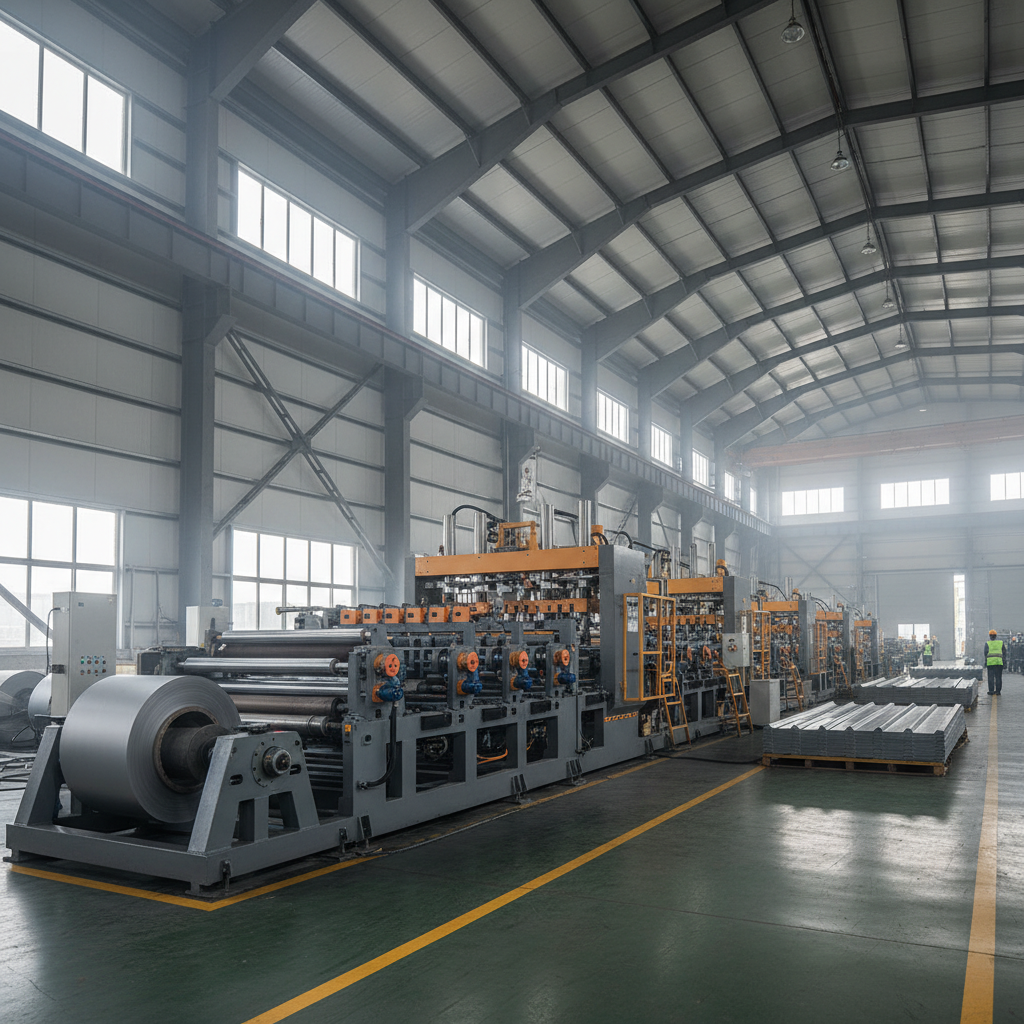
There are several types of roofing making machines, each designed for specific roofing materials. Common types include: Roll Forming Machines for producing metal roofing sheets; Tile Forming Machines for clay or concrete tiles; and Stone Coated Steel Roofing Machines which combine steel with stone granules. Each machine varies in terms of production capacity, automation level, and the type of roofing material it can handle. Choosing the right machine depends on your target market, desired product range, and budget. Different machines also have varying maintenance requirements and operational complexities. Understanding these differences is critical for making an informed investment.
Key Considerations: Different roofing making machines cater to different roofing material requirements. Careful analysis of your market needs and product specifications is essential for optimal machine selection.
Benefits of Investing in a Roofing Making Machine
Investing in a roofing making machine offers numerous benefits. It significantly increases production capacity, allowing you to meet growing market demands. Reduced labor costs are achieved through automation. The machines consistently produce high-quality roofing materials with minimal defects. Furthermore, they provide greater control over product specifications and customization options. Investing in a modern machine also ensures long-term profitability and competitive advantage.
Key Advantages:
• Increased Production Capacity
• Reduced Labor Costs
• Consistent High Quality
• Greater Product Control
Key Features to Look for in a Roofing Making Machine
When selecting a roofing making machine, consider key features such as automation level (fully automatic, semi-automatic, or manual), production speed, material compatibility, precision and accuracy, and safety features. A PLC control system allows for precise control over the production process. A robust steel frame ensures stability and durability. Look for machines with easy maintenance access and readily available spare parts. The user interface should be intuitive and easy to operate. Consider the machine’s energy efficiency and environmental impact as well.
Choosing the Right Roofing Making Machine for Your Business
Selecting the optimal roofing making machine requires careful consideration of your business needs and budget. Assess your production volume, target market, and the types of roofing materials you intend to produce. Research different suppliers and compare their offerings based on price, features, and after-sales support. Read customer reviews and seek recommendations from industry professionals. Ensure the machine complies with relevant safety standards. Consider the availability of spare parts and maintenance services.
Yowin Machine: Your Trusted Partner in Roofing Making Solutions
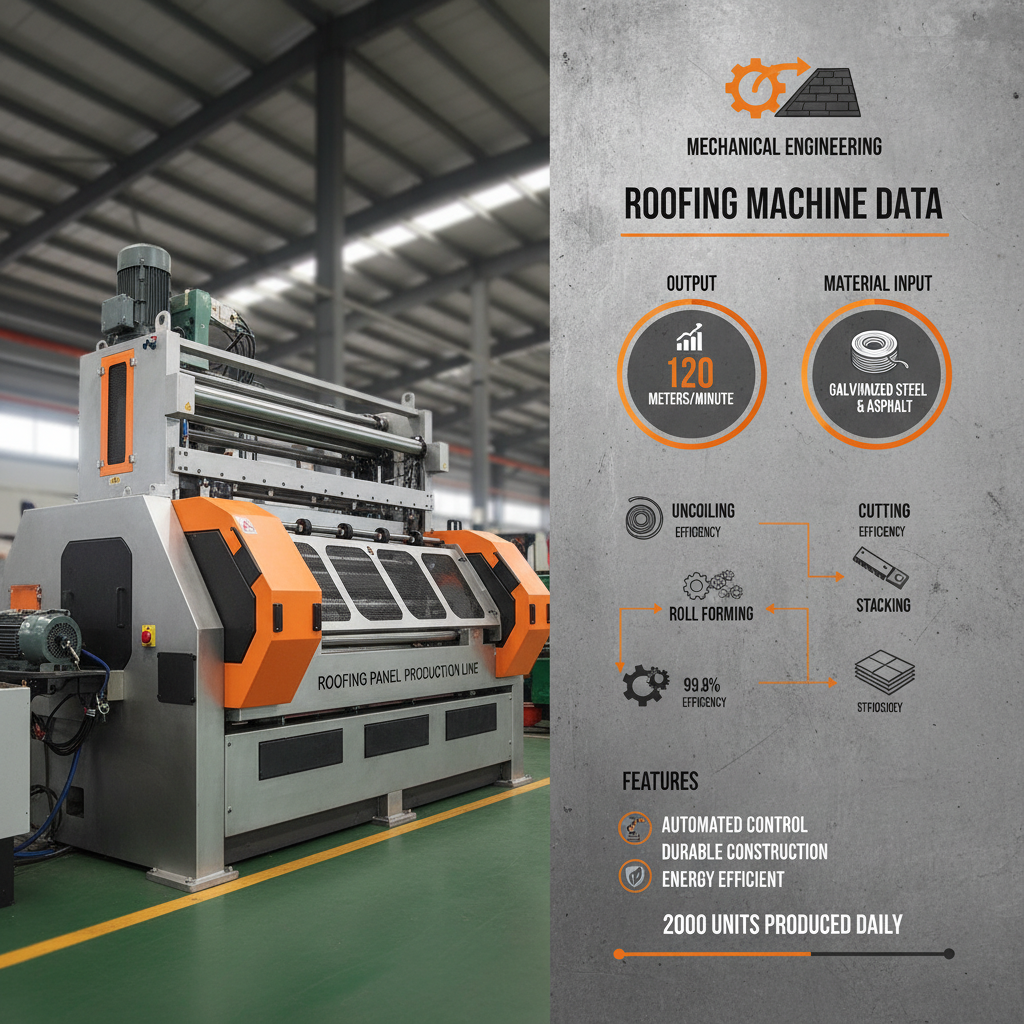
At Yowin Machine, we specialize in providing high-quality roofing making machines tailored to meet diverse industry needs. We offer a comprehensive range of machines, from roll forming lines to tile forming machines, all built with advanced technology and durable materials. Our commitment to innovation, quality, and customer satisfaction sets us apart. We provide expert guidance, installation, and after-sales support to ensure your success. We are dedicated to helping your business thrive with efficient and reliable roofing production solutions.
Conclusion: Investing in a Reliable Roofing Making Machine
Investing in a quality roofing making machine is a strategic move that can significantly enhance your production capabilities, reduce costs, and improve product quality. By carefully considering your needs and choosing a reputable supplier like Yowin Machine, you can ensure a long-term investment that drives success. Don't compromise on quality – choose Yowin Machine for your roofing production needs.
Frequently Asked Questions (FAQs)
What is the typical lead time for a roofing making machine?
Lead times can vary depending on the complexity of the machine and the current order backlog. Generally, standard machines have a lead time of 4-8 weeks, while customized machines may take 8-12 weeks or longer. It's crucial to discuss lead times with your supplier upfront to plan your production schedule accordingly. Factors affecting lead time include material availability, manufacturing capacity, and quality control processes. At Yowin Machine, we strive to provide accurate lead time estimates and timely delivery.
What kind of after-sales support do you offer?
We provide comprehensive after-sales support, including installation assistance, operator training, maintenance guidance, and readily available spare parts. Our team of experienced technicians is available to provide remote support and on-site assistance if needed. We also offer extended warranty options for added peace of mind. We maintain a detailed inventory of spare parts to minimize downtime and ensure continuous operation of your machine. We are committed to building long-term relationships with our customers.
What is the power consumption of your roofing making machines?
Power consumption varies depending on the machine model and its production capacity. Generally, our machines range from 5kW to 20kW. We design our machines with energy efficiency in mind, utilizing optimized motors and control systems to minimize energy waste. We provide detailed power consumption specifications for each machine model to help you estimate your operating costs. Consider installing energy-efficient components and implementing energy management practices to further reduce your energy footprint.
Do you offer customized roofing making machines?
Yes, we specialize in designing and manufacturing customized roofing making machines to meet specific customer requirements. We can tailor the machine's size, capacity, features, and automation level to match your unique production needs. Our experienced engineering team works closely with you throughout the design process to ensure the final product meets your exact specifications. We offer a range of customization options, including different forming profiles, material handling systems, and control system configurations.