
Investing in a Metal Roof Panel Machine for Efficient Production
Metal Roof Panel Machine: A Comprehensive Guide
Investing in a metal roof panel machine is a crucial step for businesses involved in construction, roofing, and metal fabrication. These machines streamline the production of durable and aesthetically pleasing metal roofing panels, offering significant efficiency and cost savings. This article will explore the key considerations when choosing a metal roof panel machine, different types available, their applications, and how to ensure you select the right machine for your specific needs. A well-chosen machine can dramatically improve your production capacity and product quality.
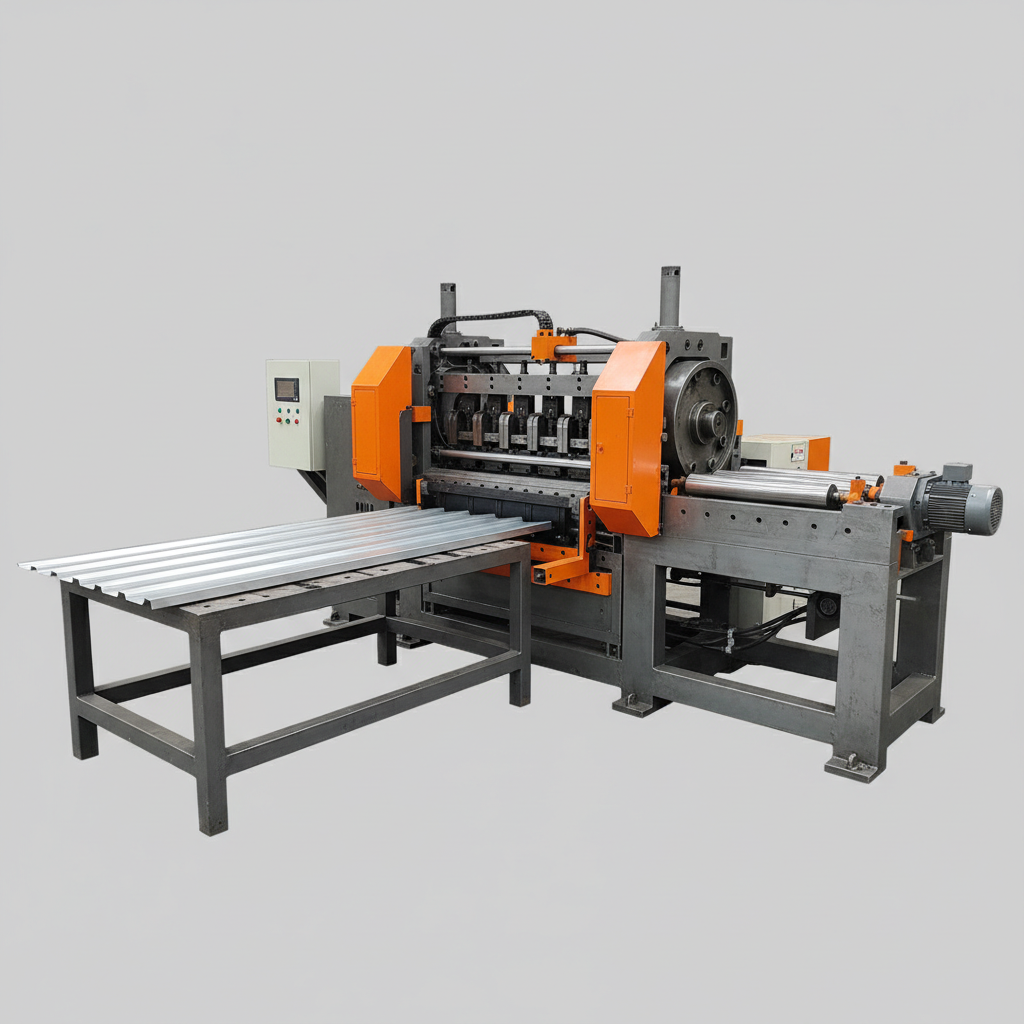
Understanding Metal Roof Panel Machines
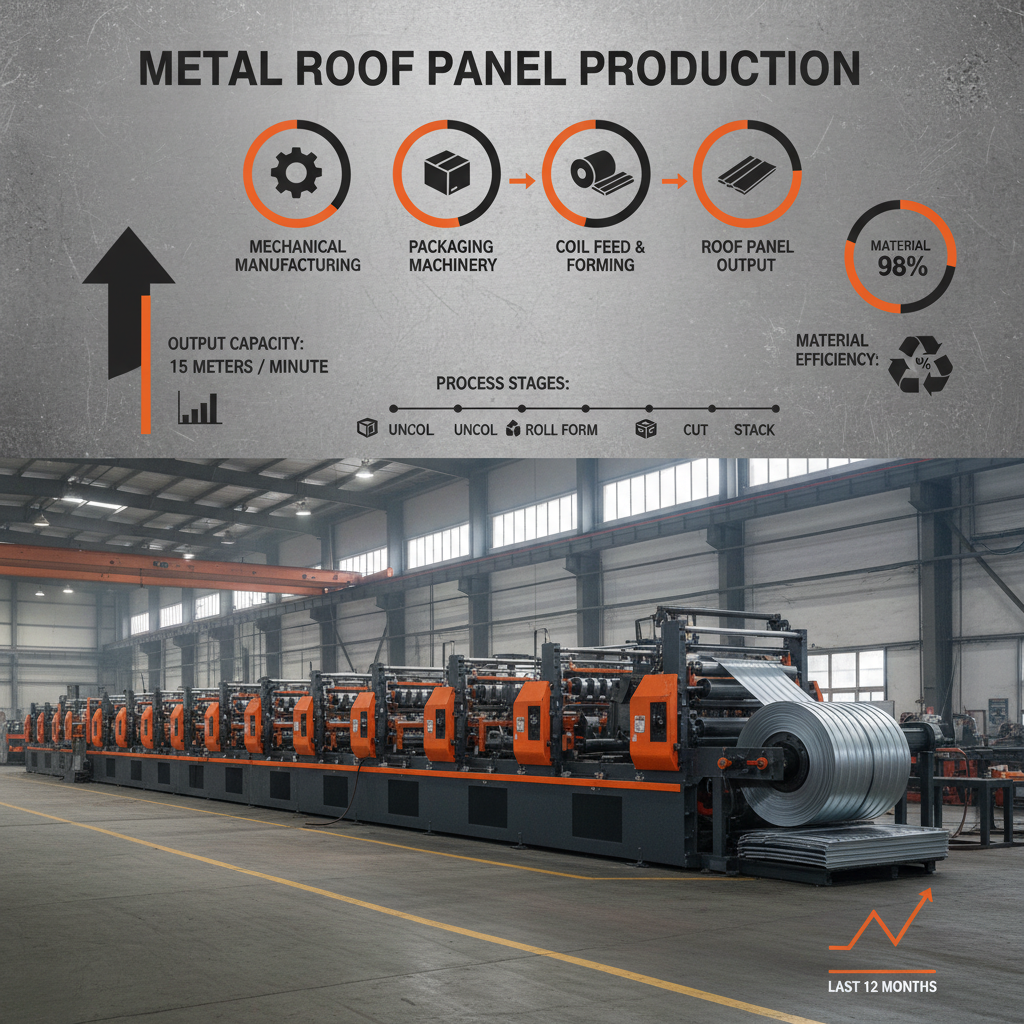
Metal roof panel machines are automated systems designed to continuously produce metal roofing panels from coils of sheet metal. They typically include uncoiling, forming, shearing, and stacking functions. The type of machine you choose depends on the specific profile of the roofing panel you intend to produce, such as corrugated, trapezoidal, or standing seam. These machines are built for precision, ensuring consistent panel dimensions and a high-quality finish. Investing in a robust and reliable machine is vital for maintaining production schedules and minimizing waste. You can find a wide range of options at Yowin Machine.
Key Benefits: Increased production speed, reduced labor costs, consistent product quality, versatility in panel profiles, and reduced material waste.
Types of Metal Roof Panel Machines
There are several types of metal roof panel machines, each designed for specific panel profiles and production volumes. Some common types include:
- Corrugated Panel Machines: Ideal for producing corrugated roofing and siding panels, known for their strength and affordability.
- Trapezoidal Panel Machines: Produce panels with a trapezoidal shape, offering enhanced load-bearing capacity and a modern aesthetic.
- Standing Seam Panel Machines: Create panels with interlocking seams, providing a weatherproof and durable roofing system.
- Glazed Tile Panel Machines: Form panels that resemble traditional clay tiles, offering a classic look with the benefits of metal.
Metal Roof Panel Machine: Key Features and Specifications
When evaluating a metal roof panel machine, several key features and specifications should be considered. These include the machine’s processing capacity, the thickness of the metal it can handle, the range of panel profiles it can produce, and the level of automation. Here's a typical specifications table:
Choosing the Right Machine: Factors to Consider
Selecting the best metal roof panel machine involves carefully considering your business needs. Factors to consider include the volume of production, the types of panels you'll be producing, your budget, and the available space in your facility. Also crucial is the manufacturer's reputation for quality, reliability, and after-sales support. Yowin Machine offers customized solutions to meet diverse requirements, ensuring you get the perfect machine for your operation.
Maintenance and Longevity
Regular maintenance is essential for maximizing the lifespan and performance of your metal roof panel machine. This includes lubricating moving parts, inspecting and replacing worn components, and keeping the machine clean. Following the manufacturer's recommended maintenance schedule will help prevent costly downtime and ensure consistent product quality. Investing in a high-quality machine from a reputable supplier, like Yowin Machine, often includes comprehensive support and readily available spare parts.
Conclusion: Investing in Efficiency and Quality
A metal roof panel machine is a significant investment that can transform your roofing or metal fabrication business. By carefully considering your needs, choosing a reliable machine from a reputable supplier, and implementing a regular maintenance schedule, you can enjoy increased efficiency, improved product quality, and long-term cost savings.
Frequently Asked Questions (FAQs)
What is the typical lead time for receiving a metal roof panel machine?
The lead time for a metal roof panel machine can vary depending on the complexity of the machine, customization requirements, and the manufacturer's current production schedule. Typically, lead times range from 30 to 60 days. It's best to inquire directly with the supplier, such as Yowin Machine, to get an accurate estimate based on your specific order. Planning ahead and placing your order well in advance is crucial to avoid delays.
What kind of training is provided with the machine?
Reputable manufacturers like Yowin Machine typically offer comprehensive training to ensure your operators can efficiently and safely use the machine. Training can include on-site installation and operation guidance, as well as remote support and training materials. Proper training is vital for maximizing the machine's performance and minimizing the risk of accidents or damage.
What is the power requirement for a standard metal roof panel machine?
The power requirement for a metal roof panel machine varies depending on its size and capacity. Generally, most machines require a 380V/415V three-phase power supply. It's essential to confirm the specific power requirements with the manufacturer and ensure your facility can provide the necessary electrical infrastructure before installation.