
Comprehensive Guide to Aluminium Roofing Sheet Making Machine Technology and Selection
Aluminium Roofing Sheet Making Machine: A Comprehensive Guide
The demand for durable and lightweight roofing solutions is consistently rising globally. This has spurred significant interest in aluminium roofing sheet making machines. These machines are vital for producing high-quality roofing sheets efficiently and cost-effectively. This article will provide a detailed overview of these machines, their applications, key components, considerations when purchasing, and the future trends shaping the industry. Understanding these machines is crucial for businesses involved in construction, manufacturing, and material supply.
Understanding Aluminium Roofing Sheet Making Machines
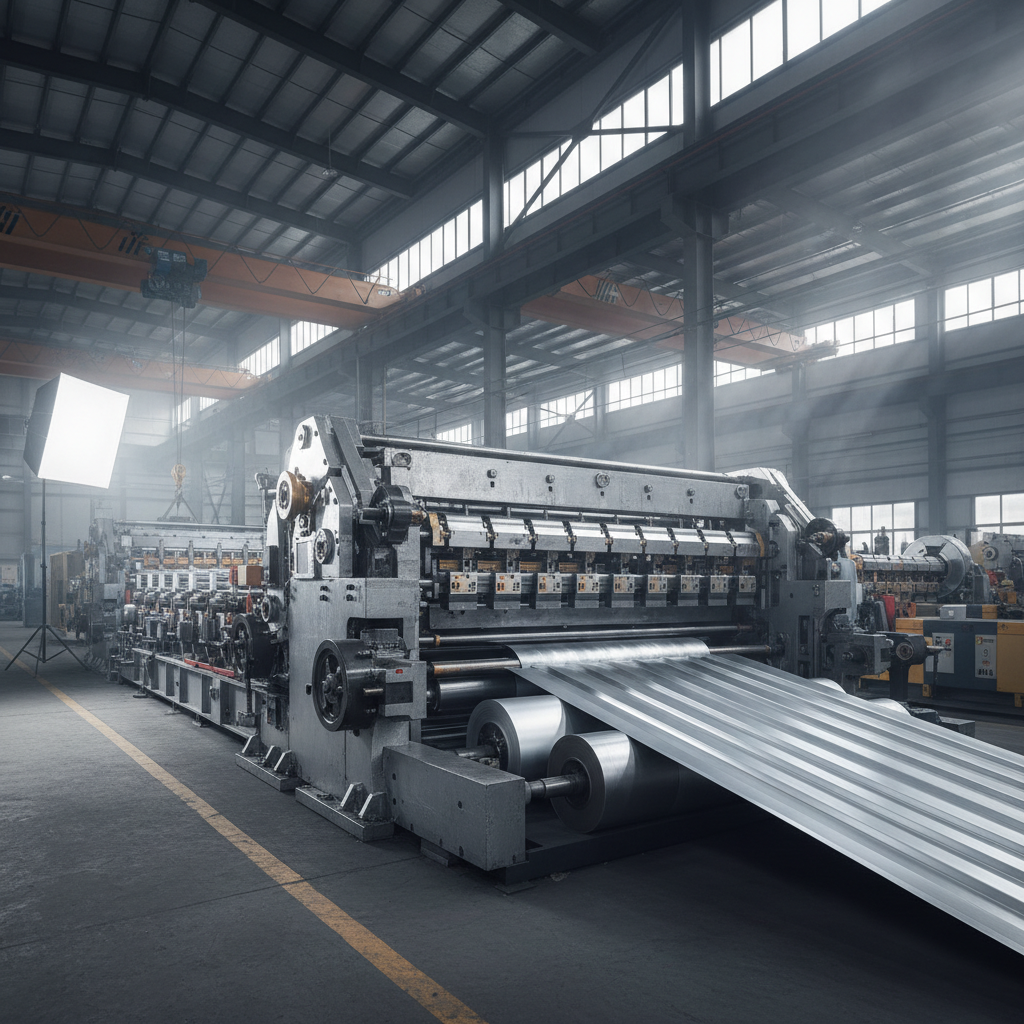
An aluminium roofing sheet making machine is a sophisticated piece of equipment designed to transform aluminium coils into corrugated, trapezoidal, or other profiled roofing sheets. These machines typically incorporate a series of rollers that progressively shape the aluminium material as it passes through the system. Modern machines offer high precision, fast production speeds, and the ability to create diverse profiles. The entire process, from coil loading to sheet stacking, is often automated to maximize efficiency and minimize labor costs. Choosing the right machine depends on specific production requirements, desired sheet profiles, and the scale of operation.
Key Benefits: High production efficiency, versatile profile creation, reduced material waste, and cost-effective operation.
Key Components of an Aluminium Roofing Sheet Making Machine
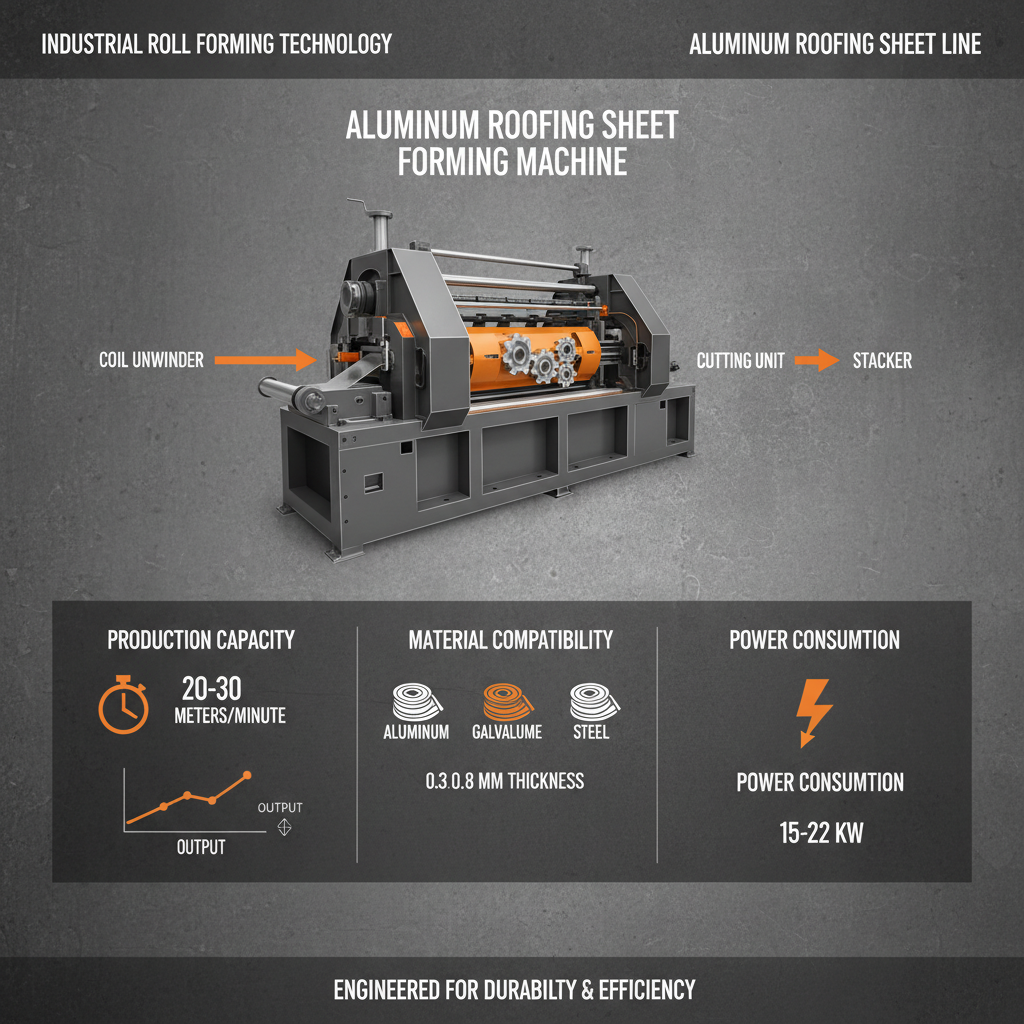
A typical aluminium roofing sheet making machine comprises several key components working in harmony. The uncoiler holds and feeds the aluminium coil into the machine. The leveller ensures the aluminium strip is flat before entering the forming station. The forming station, containing a series of rollers, shapes the aluminium into the desired profile. A shear cuts the sheets to the specified length. Finally, a stacker automatically stacks the finished sheets for easy removal. These components require regular maintenance and precise calibration to ensure optimal performance and product quality. High-quality components translate to increased machine reliability and longevity.
Essential Components:
• Uncoiler
• Leveller
• Forming Station
• Shear
• Stacker
Aluminium Roofing Sheet Making Machine: Types and Applications
Several types of machines cater to different production needs. Roll forming machines are the most common, producing continuous sheets with various profiles. Stacking machines automatically stack the finished sheets, enhancing efficiency. Flying shear machines cut the sheets while the material is still in motion, increasing production speed. The application of these machines is widespread, including residential roofing, commercial building construction, industrial warehouses, and agricultural structures. The versatility of aluminium roofing sheets, coupled with the efficiency of these machines, makes them an ideal solution for a diverse range of construction projects. You can explore various models at Yowin Machine's website.
Factors to Consider When Purchasing
Selecting the right aluminium roofing sheet making machine requires careful consideration of several factors. Production capacity is paramount – ensure the machine can meet your current and future demands. The range of profiles the machine can produce is also critical, allowing you to cater to diverse customer needs. Machine automation level impacts labor costs and production efficiency. The reputation and support offered by the manufacturer are crucial for long-term reliability and maintenance. Finally, budget constraints and return on investment should be carefully evaluated. Investing in a quality machine from a reputable supplier is essential for maximizing profitability and minimizing downtime.
Future Trends in Aluminium Roofing Sheet Production
The aluminium roofing sheet making industry is evolving rapidly. Automation and the integration of Industry 4.0 technologies, such as IoT and data analytics, are becoming increasingly prevalent. These technologies enable real-time monitoring, predictive maintenance, and optimized production processes. There's a growing trend towards energy-efficient machines with reduced power consumption. Furthermore, manufacturers are focusing on developing machines capable of producing more complex and innovative roofing profiles. These advancements aim to enhance efficiency, reduce costs, and deliver superior product quality. Staying abreast of these trends is vital for businesses seeking to remain competitive in this dynamic market.
Conclusion: Investing in the Future of Roofing
Investing in a high-quality aluminium roofing sheet making machine from a reputable manufacturer like Yowin Machine is a strategic move for any business in the construction and building materials industry. The benefits, including increased efficiency, versatility, and cost-effectiveness, are significant. As the industry continues to evolve, embracing innovative technologies and selecting the right equipment will be crucial for success.
Frequently Asked Questions (FAQs)
What is the typical production speed of an aluminium roofing sheet making machine?
Production speed varies depending on the machine model, aluminium coil thickness, and desired sheet profile. However, modern machines can typically produce between 10 to 30 meters of roofing sheets per minute. Flying shear machines generally offer faster production speeds compared to traditional machines. Factors such as material quality, machine maintenance, and operator skill also influence the overall output. It is recommended to consult with a machine supplier like Yowin Machine for specific production estimates.
What type of aluminium coil is best suited for these machines?
The most commonly used aluminium alloys for roofing sheets are 3003 and 5052, known for their excellent corrosion resistance and formability. The coil thickness typically ranges from 0.4mm to 0.7mm, depending on the desired sheet strength and application. It’s important to ensure the aluminium coil has a smooth surface and consistent thickness to achieve optimal forming results and minimize material waste. Your machine supplier can provide guidance on the best coil specifications for your specific machine model.
What level of maintenance is required for these machines?
Regular maintenance is essential for ensuring the longevity and optimal performance of aluminium roofing sheet making machines. This includes daily lubrication of moving parts, periodic inspection of rollers and shear blades, and cleaning of the machine components. It’s crucial to follow the manufacturer’s recommended maintenance schedule. Professional servicing by a qualified technician should be conducted at least once a year to identify and address any potential issues.
What safety features are typically included in these machines?
Safety is paramount in the operation of aluminium roofing sheet making machines. Typical safety features include emergency stop buttons, safety guards around moving parts, and overload protection systems. Many machines also incorporate light curtains or laser scanners to prevent accidental contact with hazardous areas. Proper training for operators on safe operating procedures is crucial to minimize the risk of accidents.