
Comprehensive Guide to Iron Roof Sheet Making Machine Technology and Applications
Iron Roof Sheet Making Machine: A Comprehensive Guide
The demand for durable and cost-effective roofing solutions is constantly growing, making iron roof sheet making machines increasingly vital for businesses in the construction and manufacturing sectors. These machines automate the process of transforming metal coils into high-quality roofing sheets, increasing production efficiency and reducing labor costs. This article provides a detailed overview of these machines, their components, applications, and key considerations for buyers. Investing in the right machine is crucial for ensuring consistent product quality and meeting market demands.
Understanding Iron Roof Sheet Making Machines
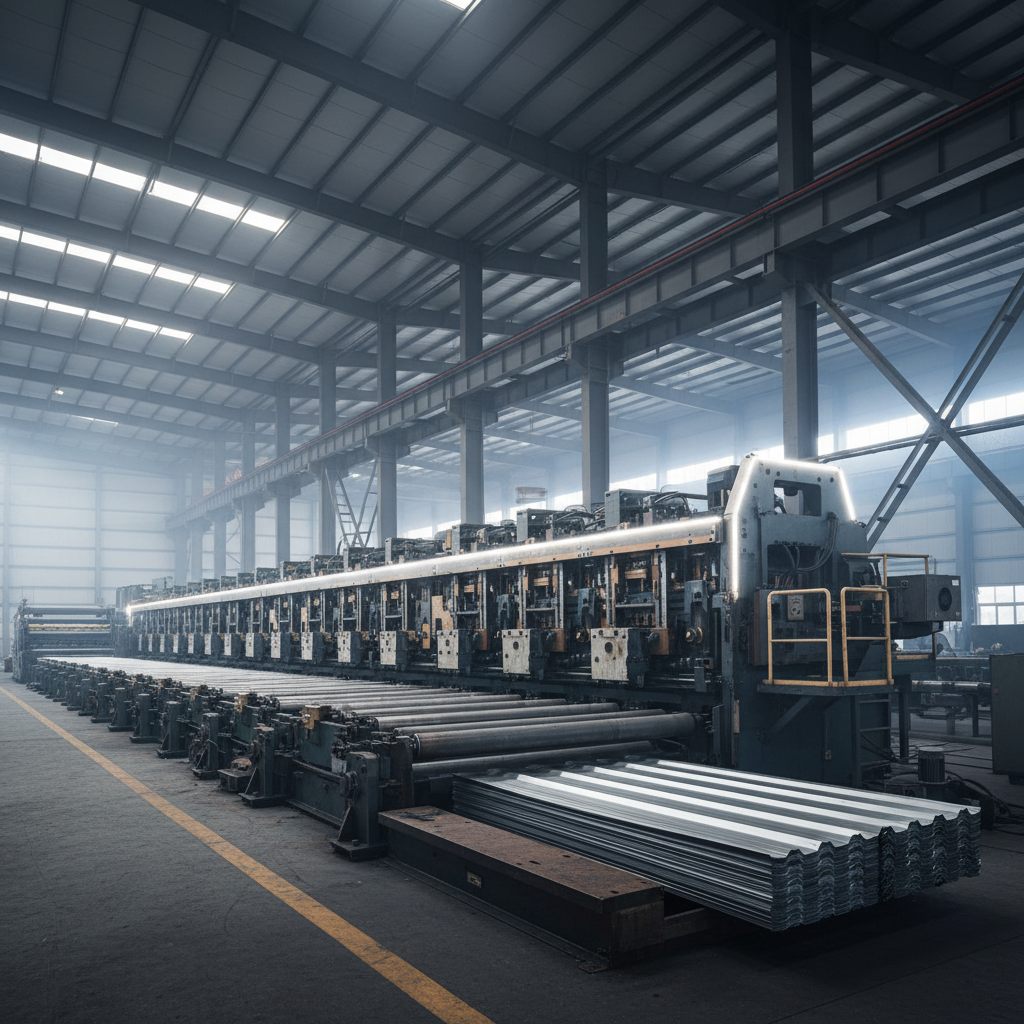
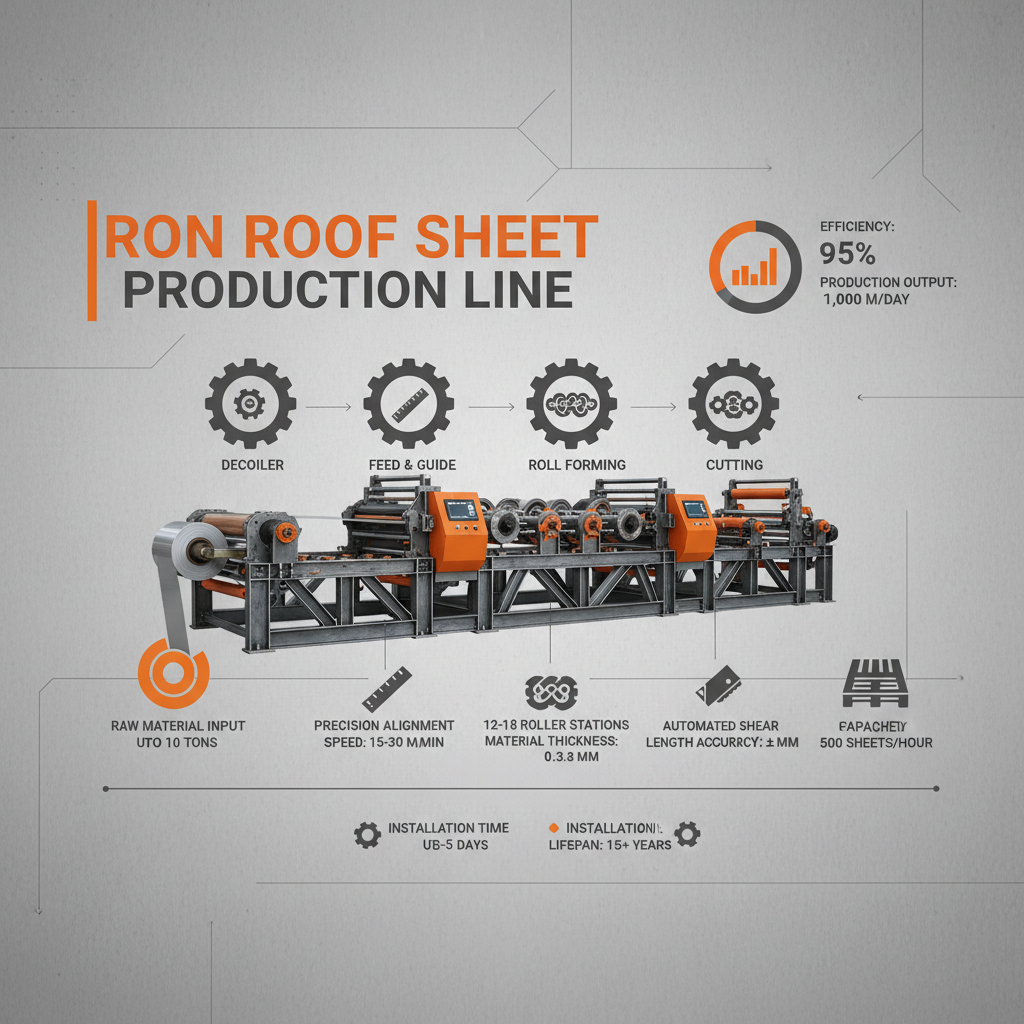
An iron roof sheet making machine, also known as a roll forming machine, is a specialized piece of equipment designed to continuously bend and shape metal coils into various roofing profiles. These machines typically consist of several key components, including an uncoiler, leveling unit, roll forming stations, cutting system, and a stacker. The uncoiler feeds the metal coil into the machine, the leveling unit ensures the metal is flat, and the roll forming stations progressively shape the metal into the desired profile. The cutting system precisely cuts the sheets to the required length, and the stacker organizes the finished products. Choosing a machine with high-quality components is essential for long-term reliability and performance.
Key Benefits: Increased production efficiency, reduced labor costs, consistent product quality, and versatility in producing various roofing profiles.
Types of Iron Roof Sheet Making Machines
Several types of iron roof sheet making machines cater to different production needs and budgets. Common types include single-layer machines, double-layer machines, and tile roll forming machines. Single-layer machines are the most basic and are suitable for producing simple roofing profiles. Double-layer machines can produce composite panels with insulation layers, offering improved thermal performance. Tile roll forming machines create roofing sheets that mimic the appearance of traditional tiles. The choice of machine depends on the desired product characteristics and market demands.
Machine Type Comparison:
• Single-Layer: Simple profiles, lower cost.
• Double-Layer: Composite panels, improved insulation.
• Tile Roll Forming: Mimics tile appearance, aesthetic appeal.
Key Components of an Iron Roof Sheet Making Machine
Understanding the components of an iron roof sheet making machine is vital for both operation and maintenance. The uncoiler holds and feeds the metal coil. The leveling unit ensures the metal is flat before entering the roll forming section. The roll forming stations are a series of rollers that progressively shape the metal. The cutting system uses shears to precisely cut the sheets. Finally, the stacker automatically stacks the finished sheets for easy handling. Regular maintenance of these components ensures optimal machine performance and longevity.
Applications of Iron Roof Sheet Making Machines
Iron roof sheet making machines are utilized in a diverse range of applications. They are essential for producing roofing sheets for residential buildings, commercial structures, industrial warehouses, and agricultural facilities. Beyond roofing, these machines can also create siding panels, wall cladding, and other metal building components. The versatility of these machines makes them a valuable asset for manufacturers serving various sectors of the construction industry. Furthermore, the ability to customize profiles allows for unique architectural designs.
Selecting the Right Machine: Key Considerations
Choosing the right iron roof sheet making machine requires careful consideration of several factors. These include production capacity, the desired range of profiles, the thickness of the metal coil, and the level of automation. It's also essential to assess the machine's build quality, ease of operation, and the availability of after-sales support. Investing in a machine from a reputable manufacturer like Yowin Machine ensures reliability and long-term performance.
Conclusion: Empowering Your Roofing Production
Investing in a high-quality iron roof sheet making machine is a strategic move for businesses aiming to enhance their production capabilities and meet the growing demand for durable and efficient roofing solutions. By carefully evaluating your needs and selecting a machine from a trusted manufacturer, you can ensure long-term reliability, consistent product quality, and a competitive edge in the market. Contact Yowin Machine today to discuss your specific requirements.
Frequently Asked Questions (FAQs)
What types of metal can be used with these machines?
Iron roof sheet making machines are versatile and can process various types of metal, including galvanized steel, galvalume steel, and aluminum. The choice of metal depends on the desired properties of the roofing sheet, such as corrosion resistance and weight. Galvanized steel is a common choice due to its cost-effectiveness and durability, while galvalume steel offers superior corrosion protection. Aluminum is a lighter-weight option suitable for specific applications. The machine's specifications will indicate the maximum material thickness and width it can handle.
What is the typical production speed of an iron roof sheet making machine?
Production speed varies significantly depending on the machine's model, the thickness of the metal, and the complexity of the roofing profile. Generally, a typical machine can produce between 5 to 20 meters of roofing sheet per minute. Higher-end machines with advanced automation features can achieve even faster speeds. The speed can usually be adjusted to optimize production based on the specific requirements of the job.
What kind of maintenance is required for these machines?
Regular maintenance is crucial for ensuring the longevity and performance of an iron roof sheet making machine. This includes lubricating moving parts, inspecting rollers for wear, cleaning the machine, and checking electrical connections. It’s also important to periodically inspect and replace worn-out components, such as cutting blades and bearings. Following the manufacturer's recommended maintenance schedule is essential. Yowin Machine provides comprehensive maintenance support and spare parts.
What safety features are typically included in these machines?
Safety is a paramount concern in the design of these machines. Typical safety features include emergency stop buttons, safety guards around moving parts, and overload protection systems. Some machines also incorporate sensors to detect potential hazards and automatically shut down the machine. Proper training for operators is essential to ensure they understand and follow safe operating procedures.