
Comprehensive Guide to Metal Roof Panel Roll Forming Machine Technology
Metal Roof Panel Roll Forming Machine: A Comprehensive Guide
Investing in a metal roof panel roll forming machine is a significant step towards enhancing your building material production capabilities. This guide provides a detailed overview of these machines, their benefits, key components, and factors to consider when making a purchase. We’ll explore how these machines streamline the creation of durable and aesthetically pleasing metal roofing solutions, boosting efficiency and profitability for your business. Understanding the nuances of these machines is crucial for making an informed decision.
Understanding Metal Roof Panel Roll Forming
Metal roof panel roll forming is a continuous bending process that transforms metal coils (typically steel or aluminum) into desired roof panel profiles. This method is renowned for its speed, precision, and cost-effectiveness. Unlike traditional methods involving multiple cuts and joins, roll forming produces panels with consistent dimensions and minimal waste. The process involves passing the metal coil through a series of rollers, each incrementally shaping the material until the final profile is achieved. A high-quality metal roof panel roll forming machine is essential for achieving optimal results.
Key Benefits: Cost-effective, high production speed, minimal waste, consistent quality, wide range of profiles.
Key Components of a Metal Roof Panel Roll Forming Machine
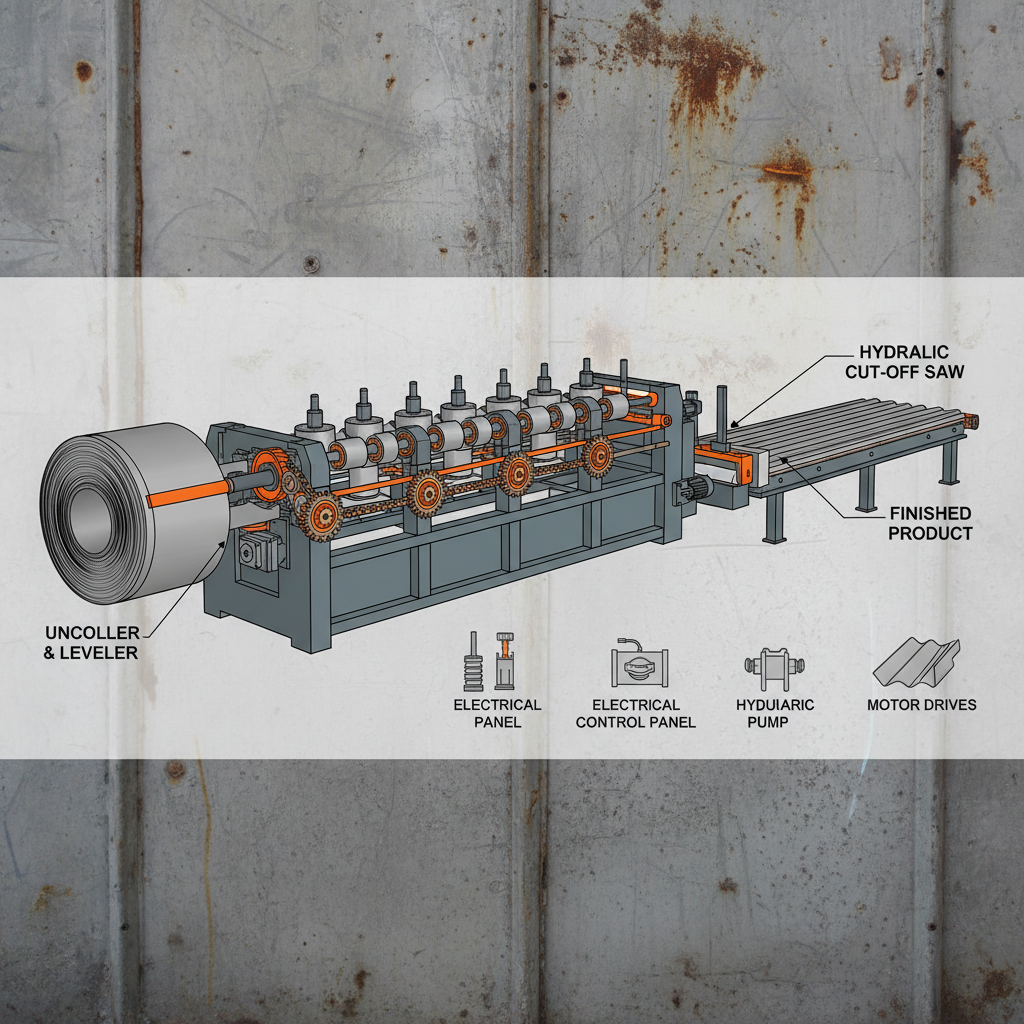
A typical metal roof panel roll forming machine consists of several key components, each playing a vital role in the production process. These include: an uncoiler, leveling unit, roll forming station, cutting system, stacking device, and a control system. The uncoiler feeds the metal coil into the machine, while the leveling unit ensures the material is flat and even. The roll forming station, the heart of the machine, contains a series of rollers that shape the metal. The cutting system precisely cuts the panels to the desired length, and the stacking device automatically organizes the finished panels. A sophisticated control system manages all aspects of the process, ensuring accuracy and efficiency.
Essential Components:
• Uncoiler: Feeds the metal coil.
• Leveling Unit: Ensures material flatness.
• Roll Forming Station: Shapes the metal.
• Cutting System: Cuts panels to length.
• Stacking Device: Organizes finished panels.
Choosing the Right Metal Roof Panel Roll Forming Machine: Key Considerations
Selecting the appropriate machine requires careful consideration of several factors. These include the types of profiles you intend to produce, the thickness and width of the metal coils you'll be using, the required production capacity, and your budget. It's also vital to assess the level of automation offered by the machine and the availability of after-sales support and maintenance services. A reliable supplier, like Yowin Machine, can provide valuable guidance in navigating these choices. Consider your long-term production goals and choose a machine that can adapt to future needs.
Metal Roof Panel Roll Forming Machine: Benefits Over Traditional Methods
Compared to traditional methods like cutting and bending individual sheets, roll forming offers significant advantages. It’s substantially faster, resulting in higher production output. The continuous process minimizes material waste, lowering production costs. Moreover, roll forming produces panels with superior consistency and dimensional accuracy. The reduced labor requirements and lower material consumption make it a more sustainable and economically viable option. Investing in a metal roof panel roll forming machine is an investment in the future of your business.
Technical Specifications and Common Profiles
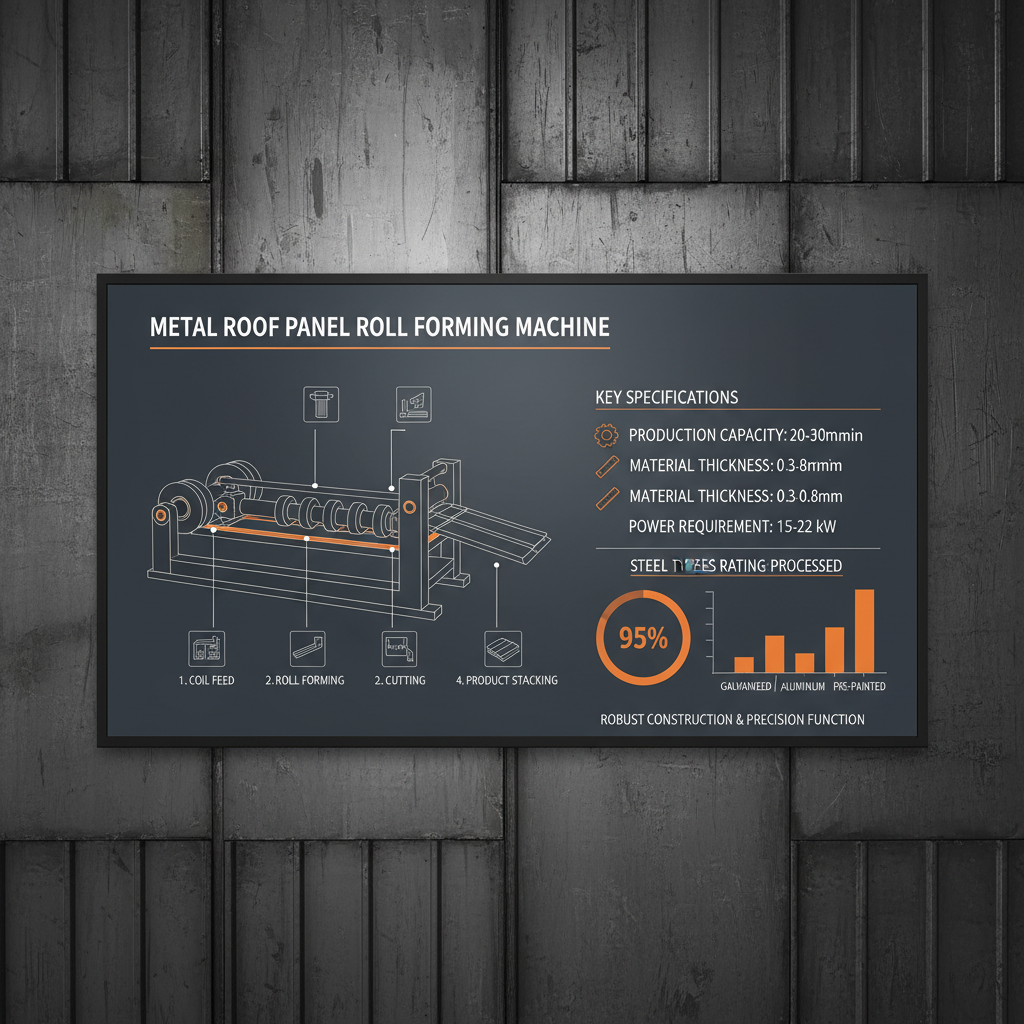
Typical machine specifications include a maximum forming width of 1200mm, a material thickness capacity of 0.3-3.0mm, and a production speed of up to 60 meters per minute. Common profiles produced include corrugated sheets, trapezoidal sheets, glazed tiles, and standing seam panels. The choice of profile depends on the application and aesthetic preferences. Yowin Machine offers customizable solutions to meet specific profiling requirements. Understanding these technical aspects is crucial for effective machine operation and output.
Conclusion: Enhancing Your Production with Roll Forming
Investing in a metal roof panel roll forming machine offers a pathway to increased efficiency, reduced costs, and superior product quality. By carefully considering your specific needs and selecting a reputable supplier, you can unlock the full potential of this transformative technology. Don’t hesitate to explore the possibilities and elevate your building material production capabilities.
Frequently Asked Questions (FAQs)
What type of metal can be used with a roll forming machine?
Most roll forming machines are designed to work with galvanized steel, galvalume steel, aluminum, and stainless steel. The specific material compatibility depends on the machine’s rollers and the thickness capabilities. Galvanized steel is a common choice due to its durability and cost-effectiveness. Aluminum is often used for applications requiring lightweight panels. It is crucial to verify the machine's specifications to ensure it can handle the desired metal type and thickness.
What is the typical maintenance schedule for a roll forming machine?
Regular maintenance is crucial for ensuring the longevity and performance of your roll forming machine. This includes daily lubrication of moving parts, weekly inspection of rollers for wear and tear, and monthly checks of the hydraulic system. Annual professional servicing is also recommended. Keeping the machine clean and free from debris is essential. Following the manufacturer’s recommended maintenance schedule will minimize downtime and maximize the machine's lifespan.
What level of skill is required to operate a metal roof panel roll forming machine?
While modern roll forming machines are increasingly automated, some level of skill and training is still required to operate them effectively. Operators need to understand the machine's controls, the material properties, and the production process. Basic mechanical knowledge is also beneficial for troubleshooting minor issues. Yowin Machine provides comprehensive training programs to ensure operators are proficient in machine operation and maintenance.
What is the cost of a metal roof panel roll forming machine?
The cost of a metal roof panel roll forming machine varies widely depending on its complexity, automation level, and production capacity. Basic machines can start around $20,000, while more advanced, fully automated systems can exceed $100,000. Factors such as the number of profiles the machine can produce and the included accessories also influence the price. It is essential to obtain quotes from multiple suppliers and compare features and specifications before making a decision.