
Comprehensive Guide to Roof Panel Forming Machine Technology and Applications
Understanding the Capabilities of a Roof Panel Forming Machine
The demand for durable and aesthetically pleasing roofing solutions is constantly increasing globally. To meet this need, manufacturers rely on efficient and precise machinery. A roof panel forming machine is a crucial investment for producing high-quality metal roofing panels. This article provides a comprehensive overview of these machines, their applications, benefits, and key considerations when choosing the right model. We will explore the technology, materials, and factors contributing to a successful roofing panel production line.
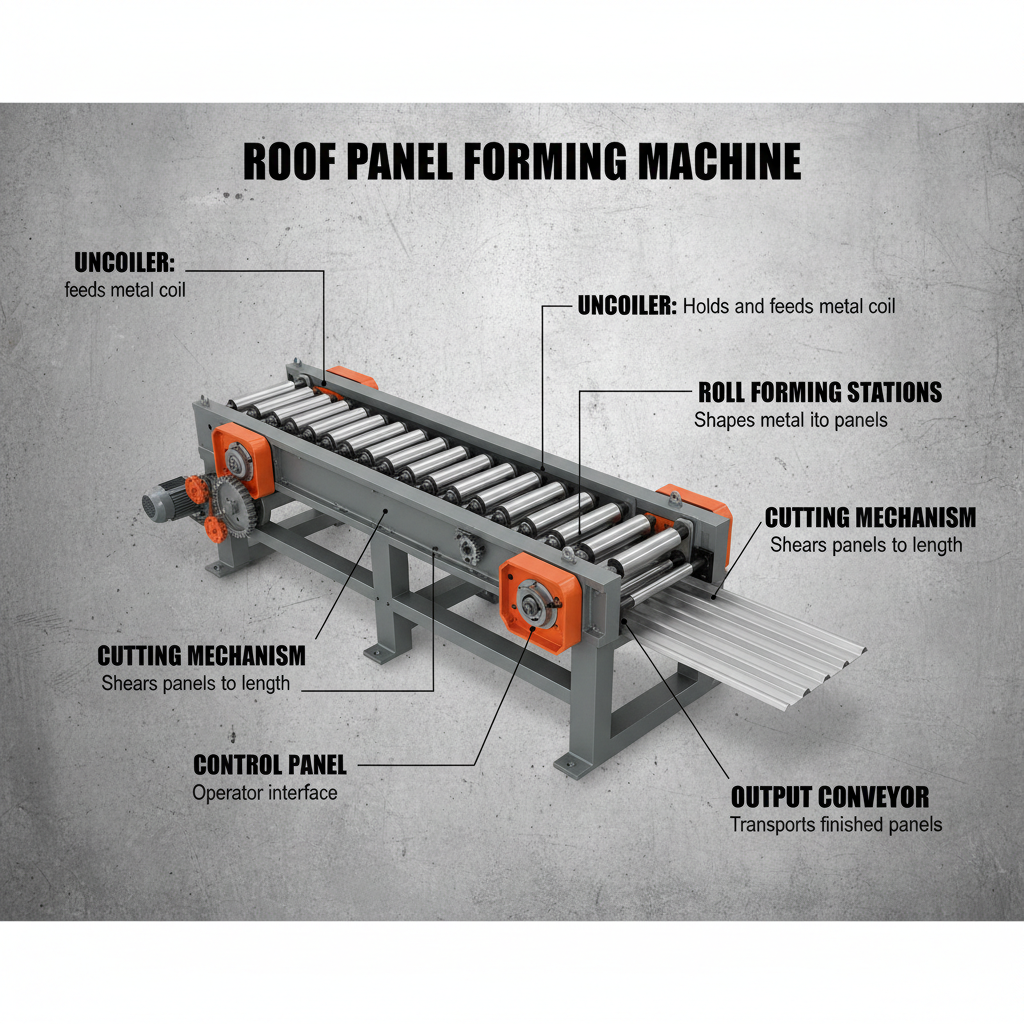
How Roof Panel Forming Machines Operate
Roof panel forming machines work by progressively bending a flat metal coil into a desired profile. The process generally involves several stages: decoiling, feeding, forming, and cutting. The metal coil is unrolled by the decoiler and fed into the machine. A series of rollers then gradually shape the metal sheet, creating the panel’s profile – such as trapezoidal, corrugated, or sandwich panels. Finally, a cutting mechanism shears the formed panel to the required length. Modern machines often incorporate automated control systems for precise adjustments and consistent output.
Types of Roof Panel Forming Machines
There are several types of roof panel forming machines, each designed for specific panel profiles and production volumes. The most common types include:
- Single-Profile Machines: Designed to produce only one type of roofing panel. These are generally more affordable and suitable for businesses with consistent demand for a specific profile.
- Multi-Profile Machines: Capable of producing multiple panel profiles by changing the forming rollers. These offer greater flexibility and are ideal for businesses serving diverse customer needs.
- High-Speed Machines: Engineered for high-volume production, often featuring automated control systems and faster processing speeds.
- Guard Rail Forming Machines: Specialized for creating guard rail panels, often used in conjunction with roofing systems.
Key Consideration: The choice of machine depends on the variety of profiles you need to produce, your desired production speed, and your budget.
Materials Compatible with Roof Panel Forming Machines
Roof panel forming machines can handle a variety of metal materials, including:
- Galvanized Steel: A widely used material offering good corrosion resistance and strength.
- Galvalume Steel: Provides superior corrosion resistance compared to galvanized steel, making it ideal for harsh environments.
- Prepainted Steel: Offers a finished appearance and eliminates the need for painting after forming.
- Aluminum: Lightweight and corrosion-resistant, suitable for applications where weight is a concern.
- Stainless Steel: Offers exceptional corrosion resistance and durability, but is typically more expensive.
The choice of material depends on factors like cost, climate, desired lifespan, and aesthetic preferences.
Key Specifications to Consider When Purchasing a Roof Panel Forming Machine
When investing in a roof panel forming machine, consider these key specifications:
Benefits of Investing in a Roof Panel Forming Machine
Investing in a quality roof panel forming machine provides numerous benefits:
- Cost Savings: Reduces reliance on external suppliers, lowering material costs.
- Increased Production Control: Allows for customized panel production to meet specific project requirements.
- Enhanced Product Quality: Ensures consistent panel quality and precision.
- Faster Turnaround Times: Enables quicker order fulfillment and improved customer satisfaction.
- Increased Profitability: Improves operational efficiency and boosts overall profitability.
Conclusion: A Strategic Investment for Roofing Businesses
A roof panel forming machine is a strategic investment for any business involved in roofing. By carefully considering your needs and selecting the right machine, you can streamline your production process, improve product quality, and enhance your overall competitiveness. Contact Yowin Machine today to discuss your requirements and explore our range of high-quality forming machines.
Frequently Asked Questions (FAQs)
What is the typical lead time for receiving a roof panel forming machine?
Lead times can vary depending on the complexity of the machine and the manufacturer's current workload. Generally, standard machines have a lead time of 4-8 weeks, while customized machines may take 8-12 weeks or longer. It's best to confirm the exact lead time with the supplier before placing your order. Factors influencing lead time include component availability, manufacturing capacity, and shipping logistics. Planning ahead is crucial, especially during peak seasons.
What kind of training is provided with the machine?
Reputable manufacturers like Yowin Machine typically offer comprehensive training programs. These may include on-site installation and training, remote training sessions, and detailed operation manuals. The training covers machine operation, maintenance, troubleshooting, and safety procedures. They'll guide your team through the process of setting up, calibrating, and operating the machine effectively and safely.
What is the power requirement for a typical roof panel forming machine?
The power requirement varies depending on the size and complexity of the machine. Most machines operate on 380V/415V three-phase power. It’s essential to ensure your facility has the necessary electrical infrastructure to support the machine's power demands. Check the machine's specifications sheet for precise power requirements before installation. Proper electrical connections are vital for safe and efficient operation.