
Comprehensive Guide to Sourcing a Drywall Roll Forming Machine in China
Drywall Roll Forming Machine in China: A Comprehensive Guide
When seeking a reliable and efficient solution for producing drywall profiles, a drywall roll forming machine in China is often the optimal choice. China has emerged as a global manufacturing hub, offering high-quality machines at competitive prices. This article will explore the benefits of sourcing from China, the key features to look for in a drywall roll forming machine, the leading manufacturers, and essential considerations for a successful investment. A well-chosen machine can significantly enhance your production capacity and product quality. We will delve into how to navigate the market and select the right equipment for your specific needs.
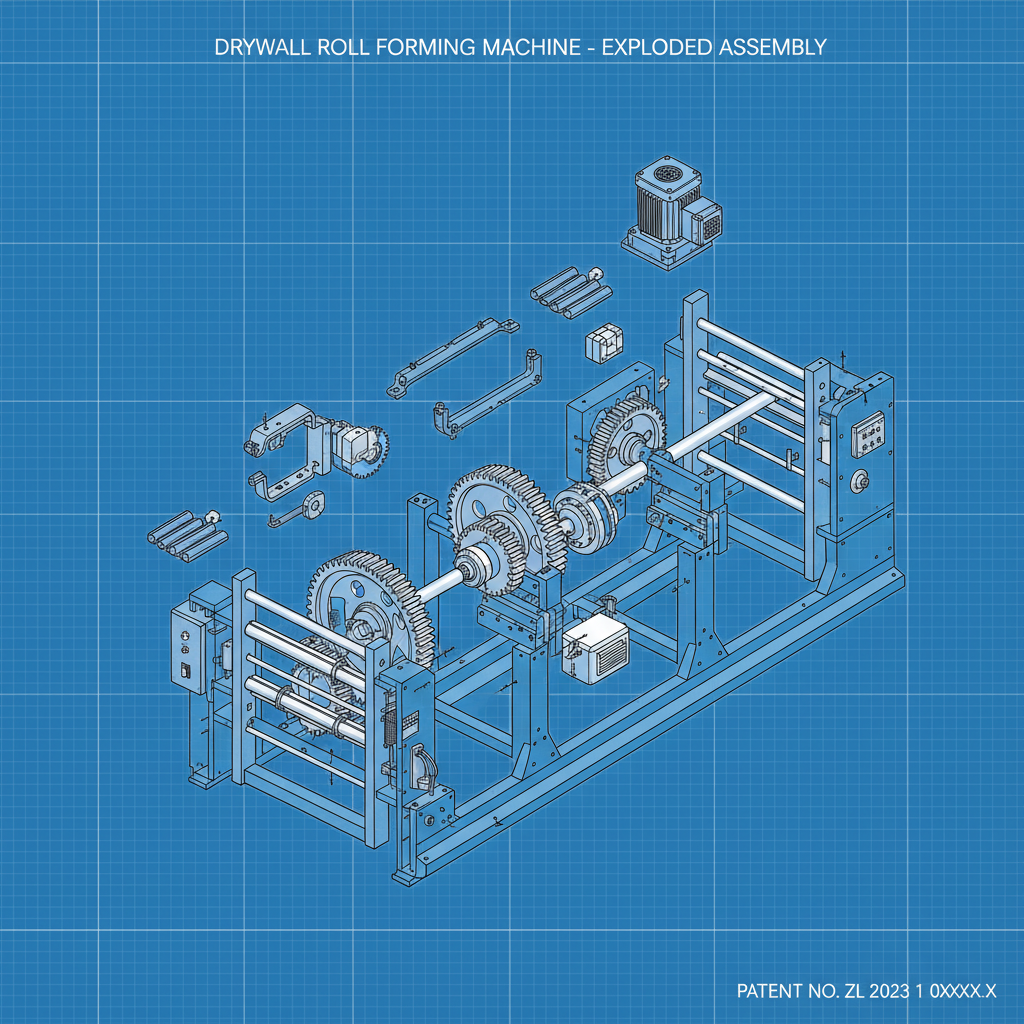
Benefits of Sourcing a Drywall Roll Forming Machine from China
Sourcing a drywall roll forming machine from China presents numerous advantages. Primarily, the cost is significantly lower compared to machines manufactured in Europe or North America. China's robust manufacturing infrastructure allows for economies of scale, translating into lower production costs. Furthermore, Chinese manufacturers often offer a wide range of customization options to meet specific requirements. The competitive landscape fosters innovation and continuous improvement in machine technology. The availability of skilled labor and a comprehensive supply chain further contribute to the cost-effectiveness and reliability of these machines. It’s vital to partner with reputable suppliers to ensure quality and after-sales support.
Key Benefits: Cost-effectiveness, Customization options, Innovation, Skilled Labor, Comprehensive Supply Chain.
Key Features to Look for in a Drywall Roll Forming Machine
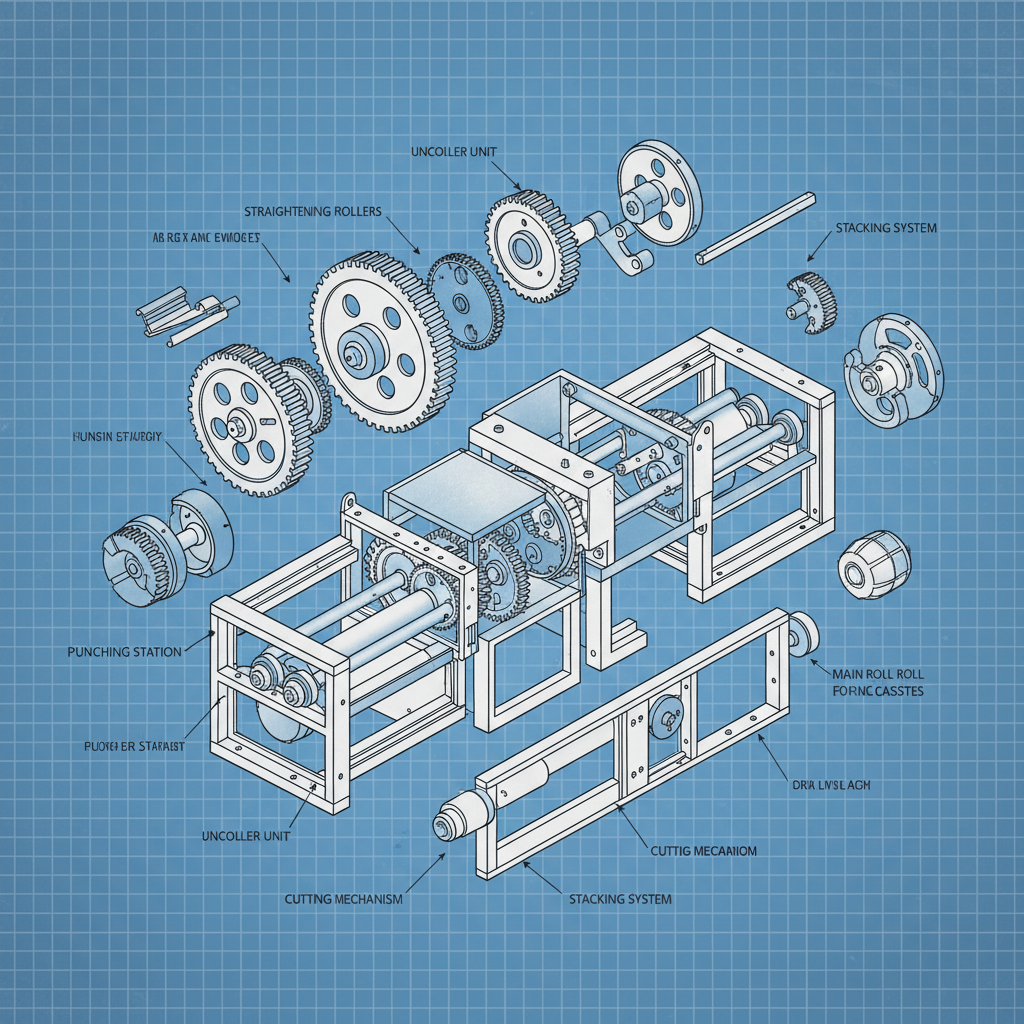
When selecting a drywall roll forming machine, several key features should be prioritized. Automatic PLC control systems offer precision and efficiency. The machine's capacity, measured in meters per minute, should align with your production targets. The roll forming station’s material (typically high-quality alloy steel) and number of stations impact profile accuracy and durability. The uncoiler's capacity and tension control are vital for smooth material feeding. Consider the machine’s cutting system (shear or saw) and its accuracy. Finally, assess the level of automation, including automatic stacking and packaging features. These features contribute to higher productivity and reduced labor costs.
Essential Features:
• Automatic PLC Control System
• Production Capacity (meters/minute)
• Roll Forming Station Material & Number of Stations
• Uncoiler Capacity & Tension Control
Comparing Different Types of Drywall Roll Forming Machines
Different types of drywall roll forming machines cater to varying production needs and budgets. Manual machines are the most affordable but require more labor and offer lower precision. Semi-automatic machines provide a balance between cost and automation, reducing labor requirements while maintaining reasonable precision. Fully automatic machines offer the highest levels of automation, precision, and production capacity, but come with a higher initial investment. The ideal choice depends on your production volume, budget, and desired level of automation.
Leading Drywall Roll Forming Machine Manufacturers in China
Several Chinese manufacturers specialize in drywall roll forming machines. Yowin Machine is a well-regarded provider known for its high-quality machines, customization options, and excellent customer support. Other reputable manufacturers include YBM, YJ, and HONGDA. Researching and comparing manufacturers based on their experience, product range, customer reviews, and after-sales service is essential. Requesting quotes from multiple suppliers will help you secure the best deal.
Essential Considerations Before Purchasing
Before investing in a drywall roll forming machine, consider factors such as your production volume, available space, power supply requirements, and the type of drywall profiles you intend to produce. Ensure the manufacturer offers comprehensive training and after-sales support. Verify the machine’s compliance with relevant safety standards. Negotiate payment terms and shipping arrangements carefully. Finally, consider the availability of spare parts and the manufacturer’s ability to provide timely replacements.
Conclusion: Investing in a Quality Drywall Roll Forming Machine
Investing in a high-quality drywall roll forming machine from China can significantly enhance your production capabilities and profitability. By carefully considering your needs, researching manufacturers, and prioritizing essential features, you can secure a reliable and efficient machine that delivers long-term value. Don’t hesitate to contact Yowin Machine today to discuss your requirements and explore their range of solutions.
Frequently Asked Questions (FAQs)
What is the typical lead time for a drywall roll forming machine order from China?
The lead time can vary depending on the machine's complexity and the manufacturer's production schedule. Generally, expect a lead time of 30-60 days from order confirmation to shipment. Customized machines may require longer lead times. It's crucial to clarify the lead time with the manufacturer before placing an order, especially if you have strict delivery deadlines. Factors like material availability and shipping routes can also influence the overall delivery time.
What kind of after-sales service can I expect?
Reputable manufacturers like Yowin Machine typically offer comprehensive after-sales service, including installation guidance, operator training, troubleshooting assistance, and spare parts supply. Some manufacturers may also provide on-site maintenance and repair services. It’s important to confirm the scope of after-sales support before making a purchase. A reliable service network ensures minimal downtime and maximizes the lifespan of your machine.
What types of drywall profiles can these machines produce?
Drywall roll forming machines can produce a wide range of profiles, including C-studs, U-tracks, hat channels, furring channels, and angle irons. The specific profiles a machine can produce depend on the design of the roll forming tooling. Most manufacturers offer customization options to create tooling for specific profile requirements. It's essential to clearly communicate your desired profile specifications to the manufacturer during the quotation process.
What is the voltage requirement for these machines?
The voltage requirement typically depends on the machine's power consumption and the country's electrical standards. Most machines can be configured for 220V/380V/415V, but it’s vital to confirm the specific voltage requirement with the manufacturer. Ensure your facility has the appropriate power supply available before installation to avoid compatibility issues and potential damage to the machine.