
Corrugated Sheet Machine | High-Speed, Precise, Durable
Field Notes on the Modern Corrugated Sheet Machine
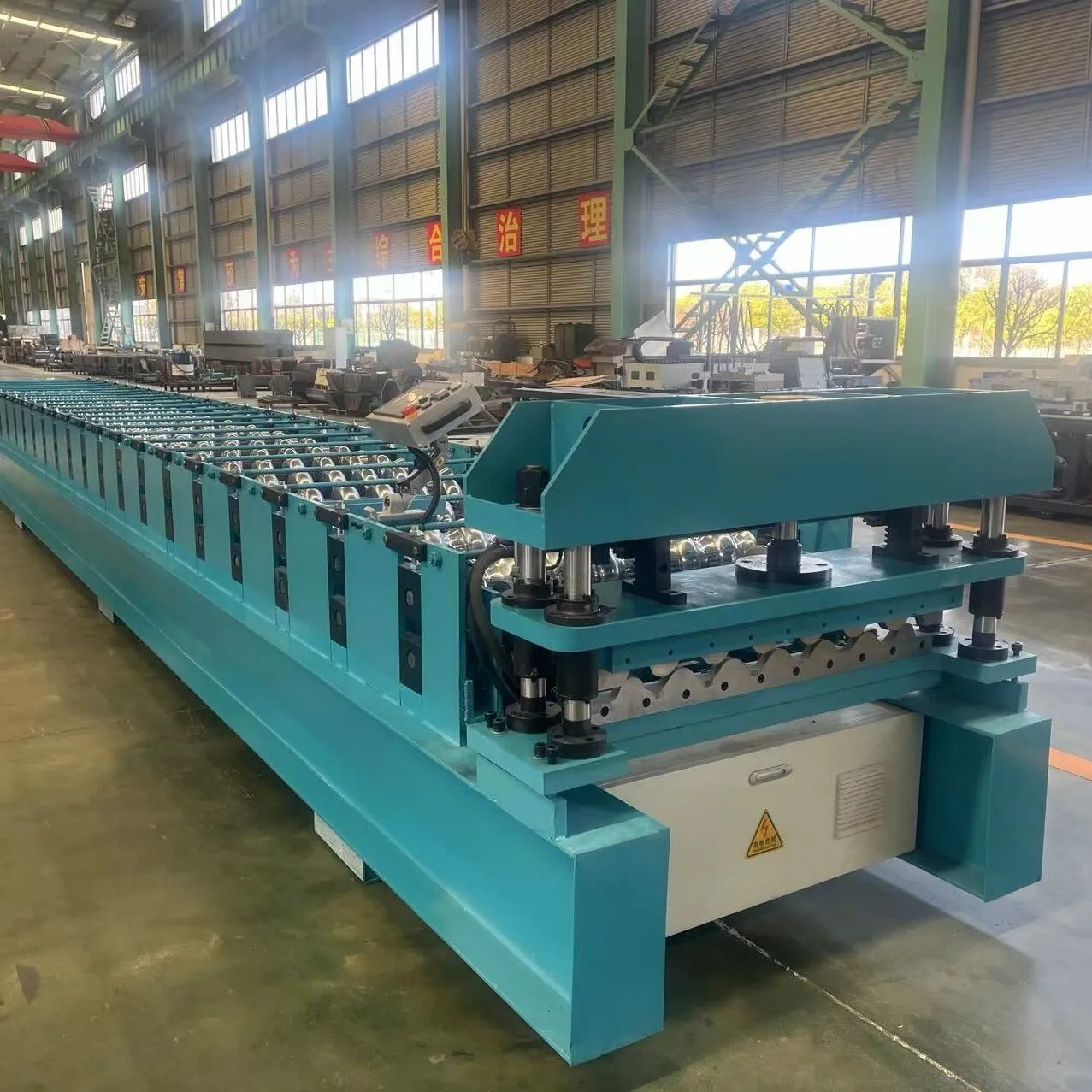
I’ve toured more roll-forming lines than I can count, and—honestly—the most consistent crowd-pleaser is the Corrugated Roof Sheet Roll Forming Machine from Yowin (origin: Room 5019, Beichen Square, No.19 Shifang Road, Chang’an District, Shijiazhuang, China). It looks unassuming, but it punches above its weight where it matters: uptime, sheet accuracy, and sane maintenance. Many customers say it “just runs” after commissioning, which sounds simplistic but is rare in heavy industry.
What’s changing in the market
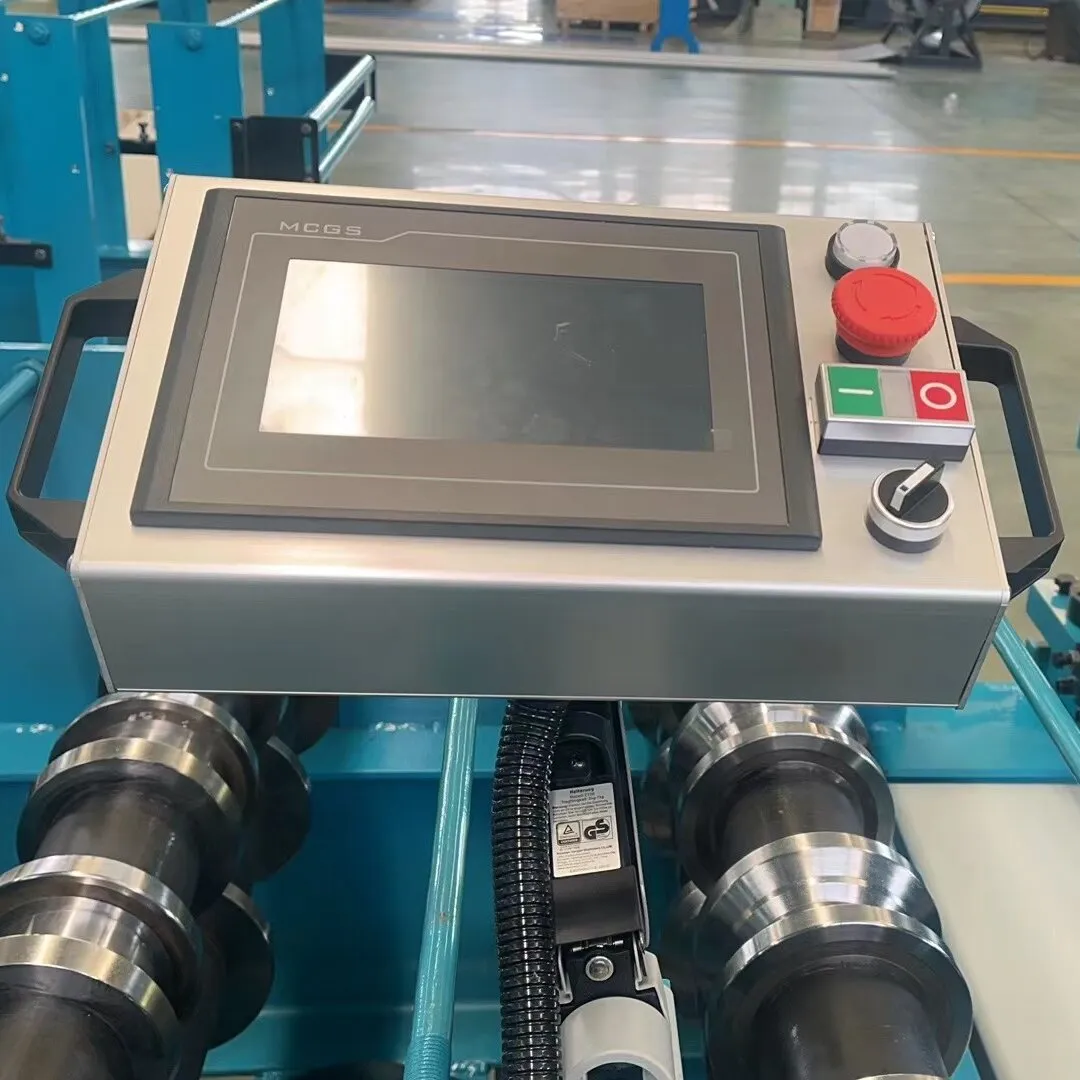
Three things: speed without burrs, smarter controls, and gentler forming to protect coatings. Builders are pushing for cleaner edges and tighter length tolerances, even for budget roofing. In fact, the better lines now ship with PLC libraries that log coil-to-coil data and support remote diagnostics. The Corrugated Sheet Machine I saw last quarter had trending charts for length variance—simple, but extremely useful for QA.
Core specifications (real-world)
| Parameter | Spec |
|---|---|
| Material thickness | 0.3–1.0 mm (GI/PPGI/GL; real-world use may vary) |
| Line speed | 0–15 m/min (≈10–12 m/min typical with cautious operators) |
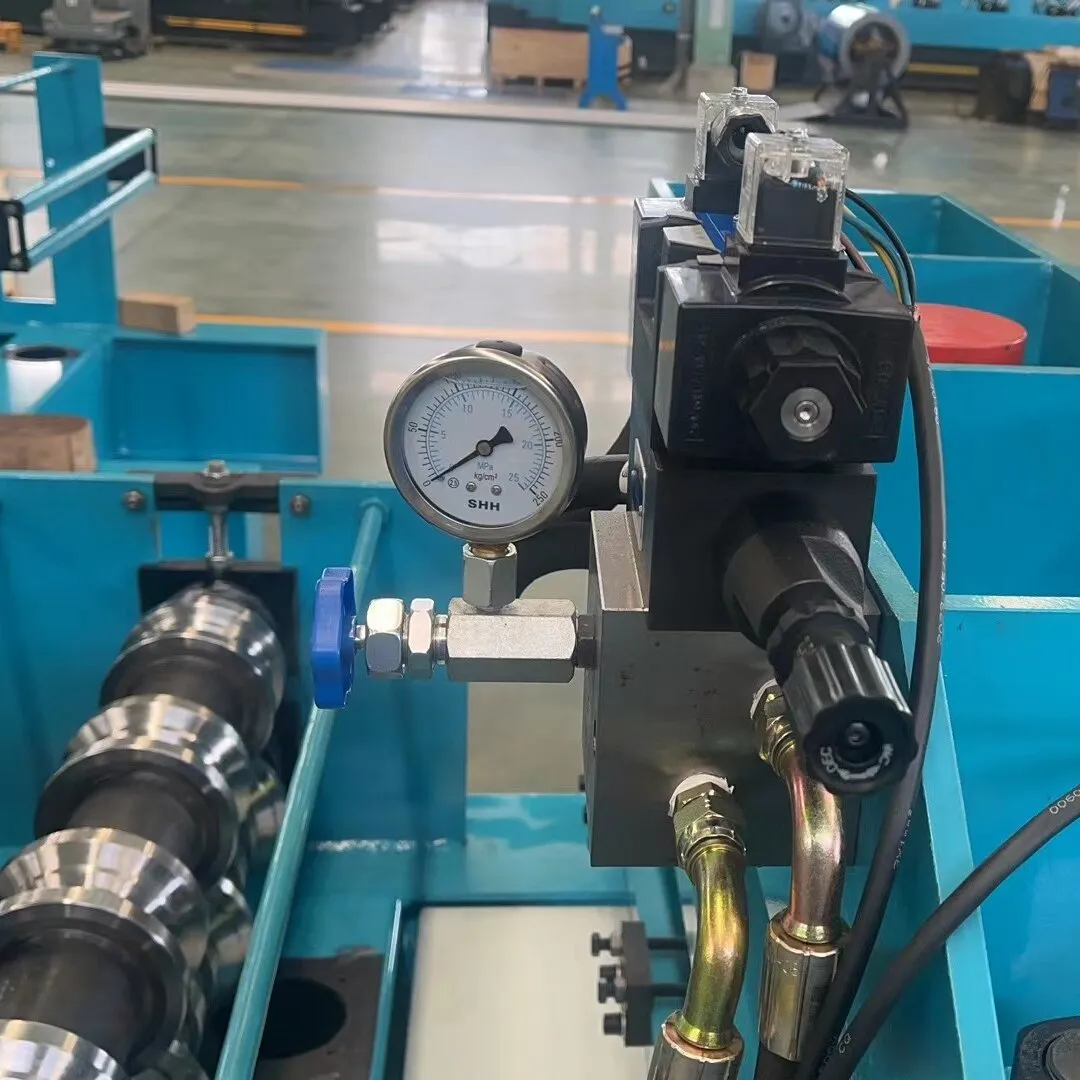
| Main motor / Hydraulics | 7.5 kW / 4 kW |
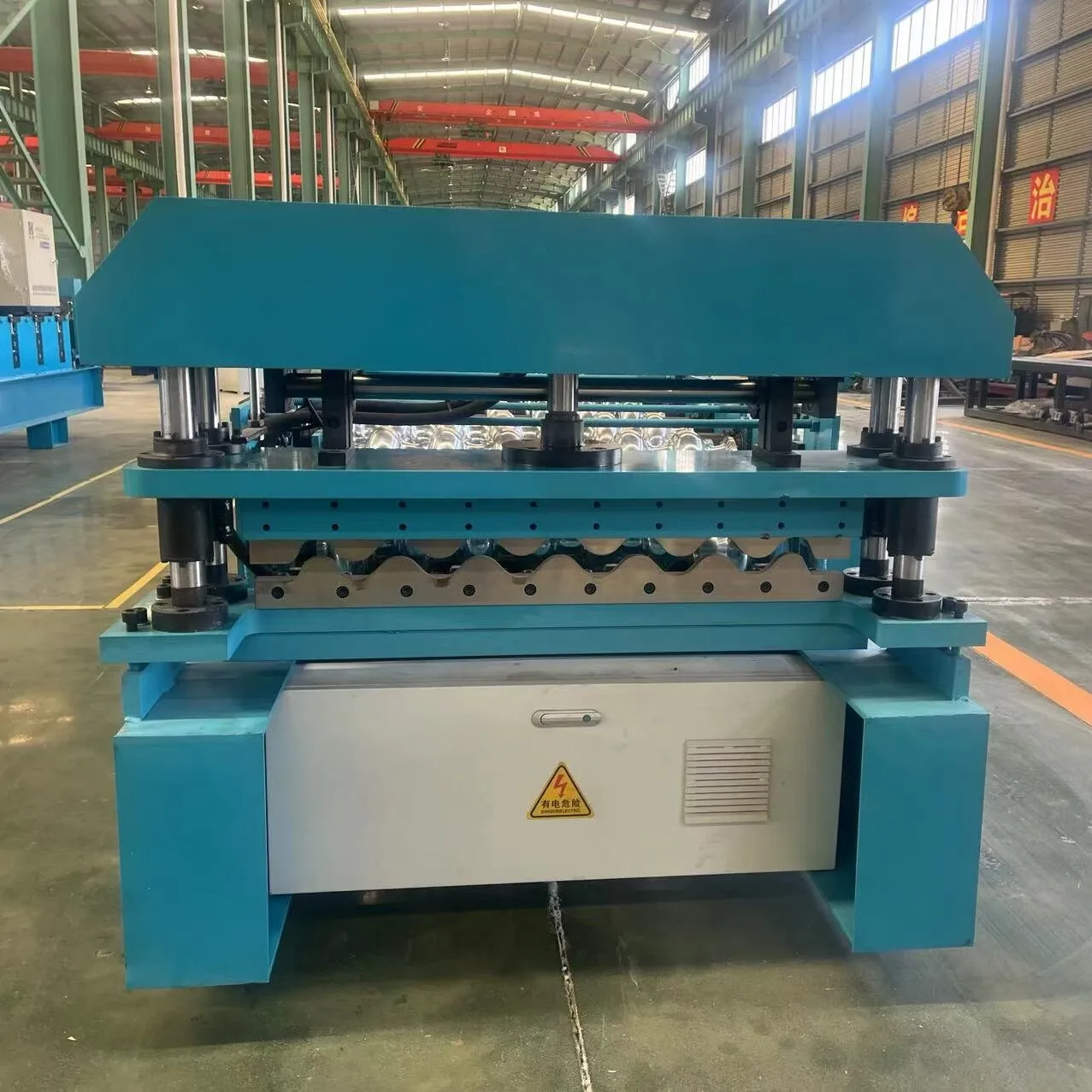
| Forming stations | 18 rollers; 45# steel, hard-chromed |
| Shafts | Ø75 mm, 45# forged steel |
| Length tolerance | 10 m ±1.5 mm (with well-tuned PLC) |
| Control | PLC, touch HMI, job recipes |
| Cutter blade | Cr12 mold steel; quenched ≈58–62 HRC |
Process flow, testing, and service life
Coil loading → manual/auto threading → roll forming through 18 stations → hydraulic cutting → runout table/stacking → bundling. Materials typically include galvanized (ASTM A653/EN 10346) or pre-painted coils. QA teams usually check profile geometry with go/no-go gauges, burr height, and length accuracy per ISO 2768 guidelines. Electrical safety often references IEC 60204-1; many buyers request CE marking and ISO 9001 plant certification.
With decent lubrication and monthly checks on chain tension and gearbox oil, the Corrugated Sheet Machine can run 8–10 years before major overhauls. Tooling wear is the first tell—edge gloss changes slightly; operators notice before calipers do, to be honest.
Applications and advantages
-
- Roofing and wall panels for warehouses, agro sheds, prefab housing, logistics hubs, and solar carports.
- Benefits: steady length accuracy, cleaner cuts, protective forming (less micro-cracking on coated coils), and straightforward PLC recipes for profile changes. Surprisingly, noise levels were reasonable even at 12 m/min.
Vendor snapshot (quick comparison)
| Vendor | Power/Speed | Accuracy | Service & Warranty | Certifications |
|---|---|---|---|---|
| Yowin | 7.5 kW / 0–15 m/min | ≈±1.5 mm @10 m | 12–18 mo., remote support | ISO 9001, CE (typical) |
| Vendor A | 7–11 kW / up to 18 m/min | ≈±2.0 mm @10 m | 12 mo., onsite optional | ISO 9001 |
| Vendor B | 5.5–7.5 kW / 10–14 m/min | ≈±2.5 mm @10 m | 6–12 mo., email support | CE (varies) |
Customization and upgrades
Profile geometry tweaks, embossing rolls, servo flying-shear for higher throughput, auto stacker, bigger decoiler (5T→7T), and recipe lockouts for shift control. The Corrugated Sheet Machine I reviewed also supported remote PLC diagnostics—handy when you’re miles away and a sensor misbehaves.
Case notes from the field
- India, roofing OEM: Switched to 0.35 mm PPGI; scrap rate fell from 3.1% to 1.4% after roller alignment and cutter shim update. ROI ≈ 9.5 months.
- Eastern Europe, agro sheds: Running 0.7 mm GI at 11 m/min; length CpK improved after encoder calibration. Operators liked the “simple HMI,” their words, not mine.
Compliance, tests, and what to watch
Look for ISO 9001 factory controls, CE marking, and materials per ASTM A653 or EN 10346. Verify cut-edge hardness and burr height after 1,000 cuts; ask for a recorded length-variance run (at least 30 samples). The Corrugated Sheet Machine should ship with wiring that aligns with IEC 60204-1, and a safety checklist that your insurer actually accepts.
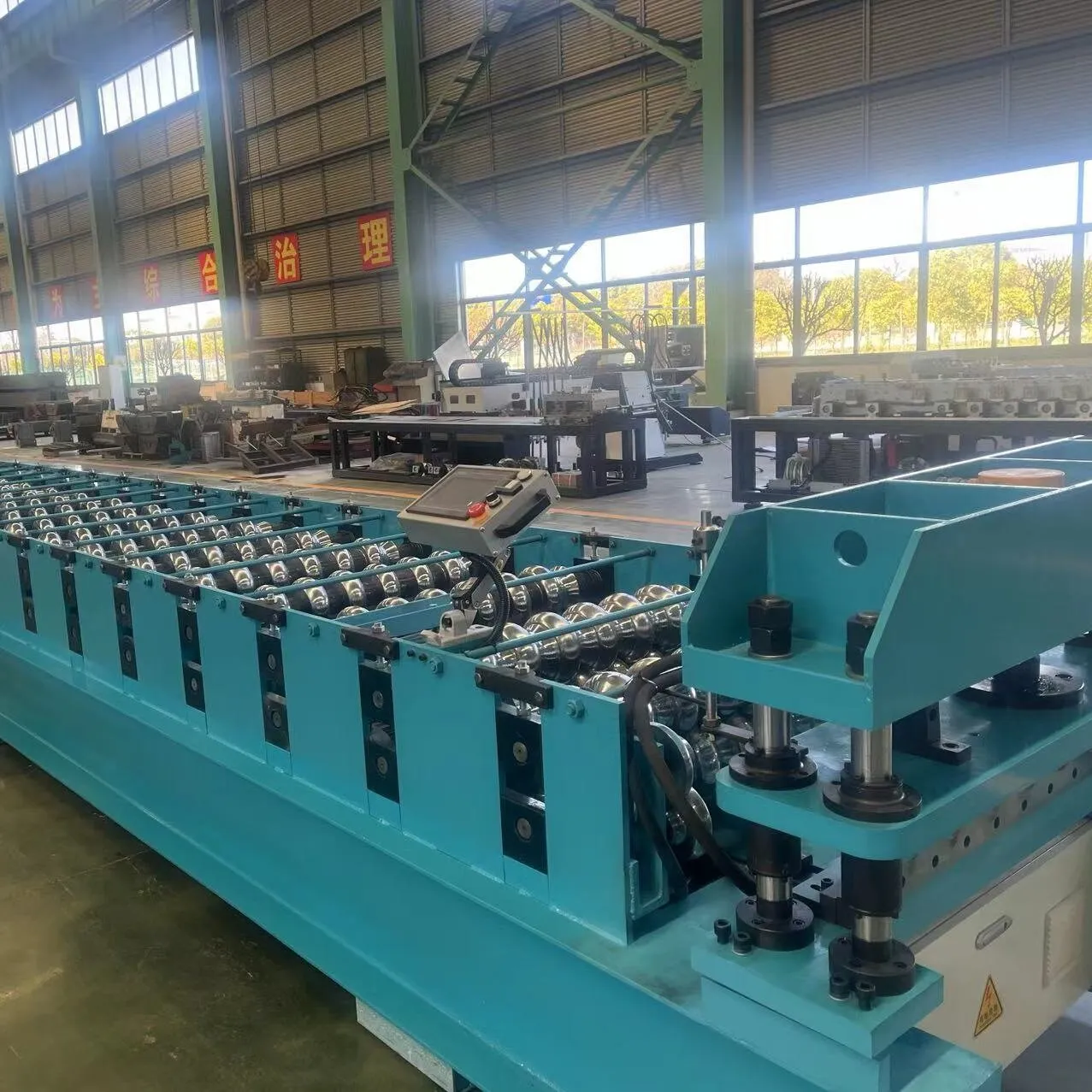
Bottom line: if you care about consistent panels and a line your team won’t curse at, this setup is a practical, well-balanced choice. Not flashy. Just solid engineering where it counts.
Authoritative citations
- ISO 9001: Quality management systems — Requirements.
- IEC 60204-1: Safety of machinery — Electrical equipment of machines.
- ASTM A653/A653M: Standard Specification for Steel Sheet, Zinc-Coated (Galvanized).
- EN 10346: Continuously hot-dip coated steel flat products.
- ISO 2768: General tolerances — Linear and angular dimensions.