
Corrugated Sheet Machine | High-Speed, Precision, Durable
Field Notes from the Shop Floor: Choosing the Right corrugated sheet machine
If you make roofing panels for a living, you already know: uptime is king and profiles must be spot-on. I’ve spent enough mornings with production managers to hear the same refrain—keep the line stable, keep scrap down, and don’t overcomplicate what works.
What’s happening in the market
Three trends are shaping decisions right now: smarter PLC diagnostics (so operators actually trust auto mode), faster tool changeovers to handle more SKUs, and tighter dimensional control as contractors push for “no call-back” installations. Sustainability is in the mix too—many customers say they’re shifting toward thinner high-strength coils without sacrificing span strength.
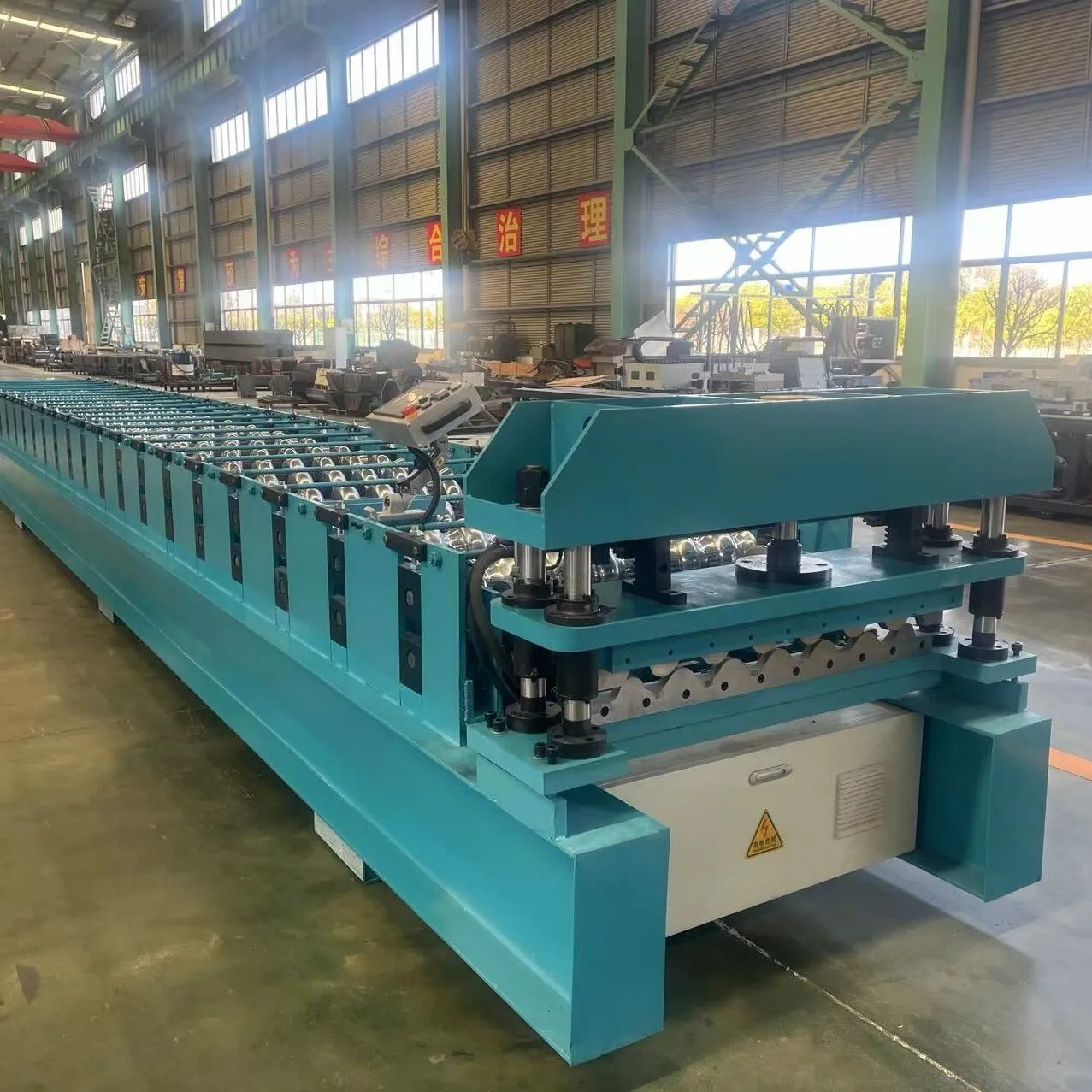
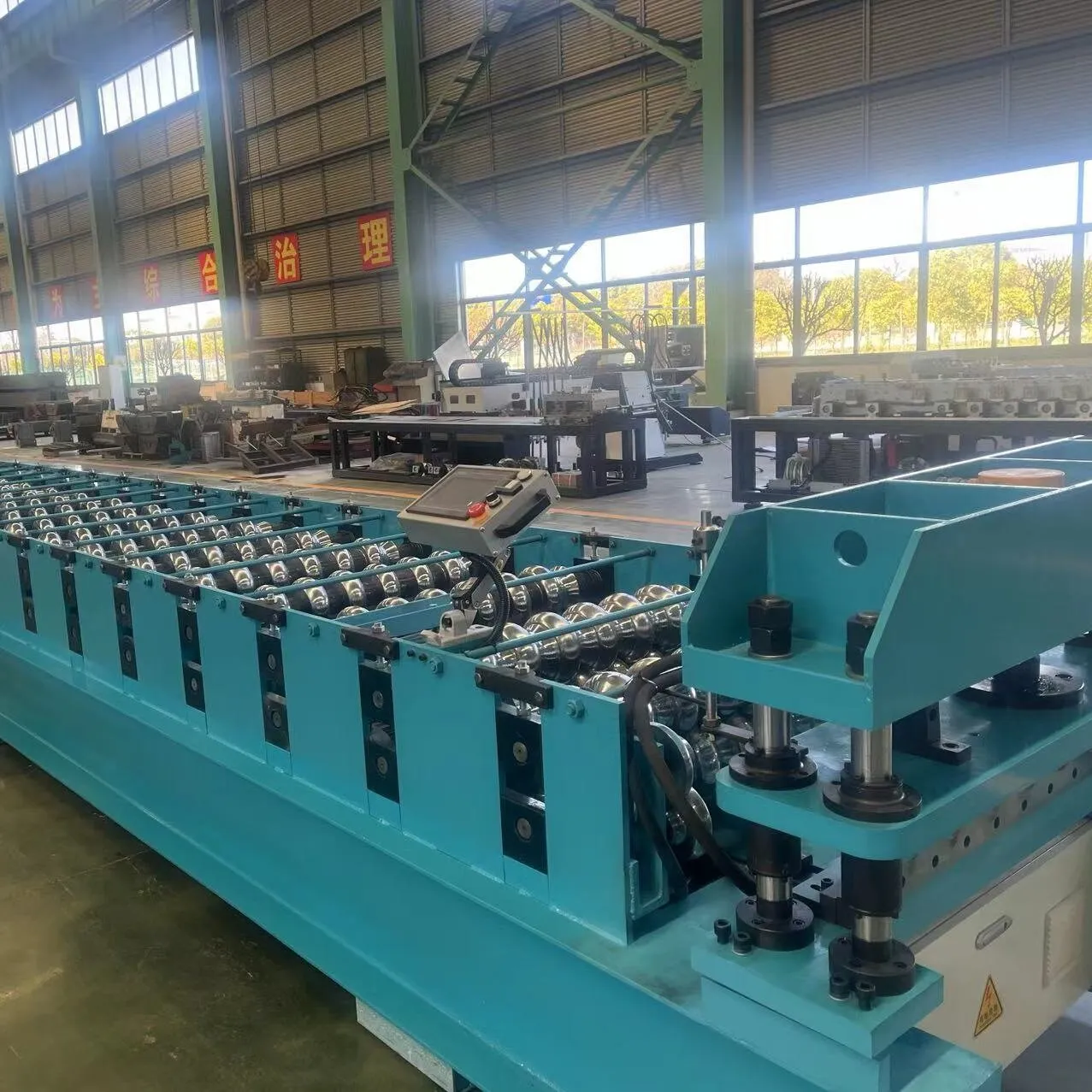
Technical snapshot: Corrugated Roof Sheet Roll Forming Machine
From Yowin Machine (Origin: Room 5019, Beichen Square, No.19 Shifang Road, Chang'an District, Shijiazhuang, China), this line leans into reliability rather than flashy gimmicks. Specs below are what matter day-to-day.
| Parameter | Value (real-world use may vary) |
|---|---|
| Material thickness | 0.3–1.0 mm (GI, PPGI, AL typically to EN 10346 / ASTM A653) |
| Line speed | 0–15 m/min (≈12 m/min typical under QC sampling) |
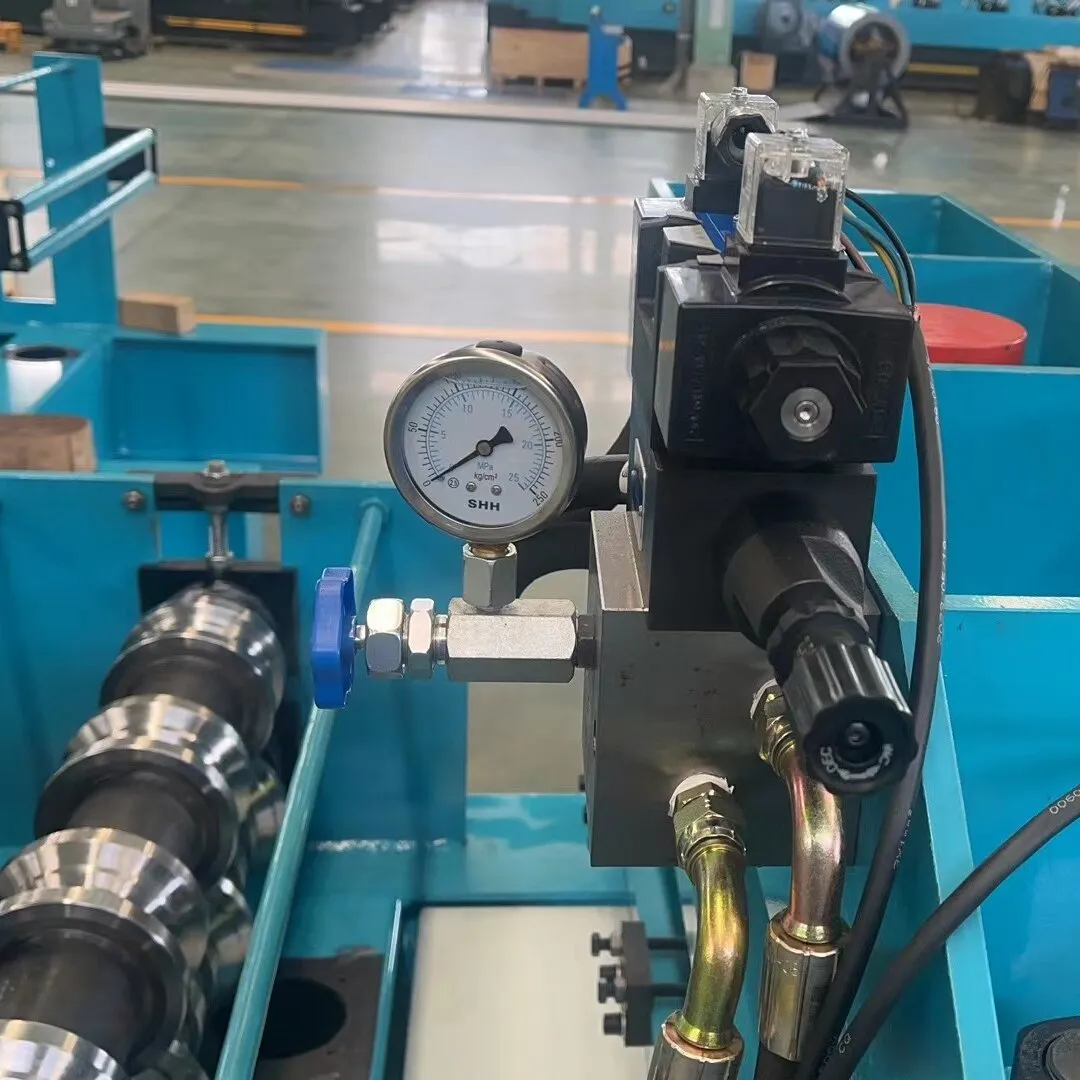
| Main motor / Hydraulics | 7.5 kW / 4 kW |
| Roll stations | 18 rollers; 45# steel, hard-chrome plated; shafts ϕ75 mm (45# forged) |
| Cutting | Hydraulic cutoff; Cr12 blade, quenched (edge ≈58–62 HRC) |
| Accuracy | Length tolerance: 10 m ±1.5 mm under stable feed |
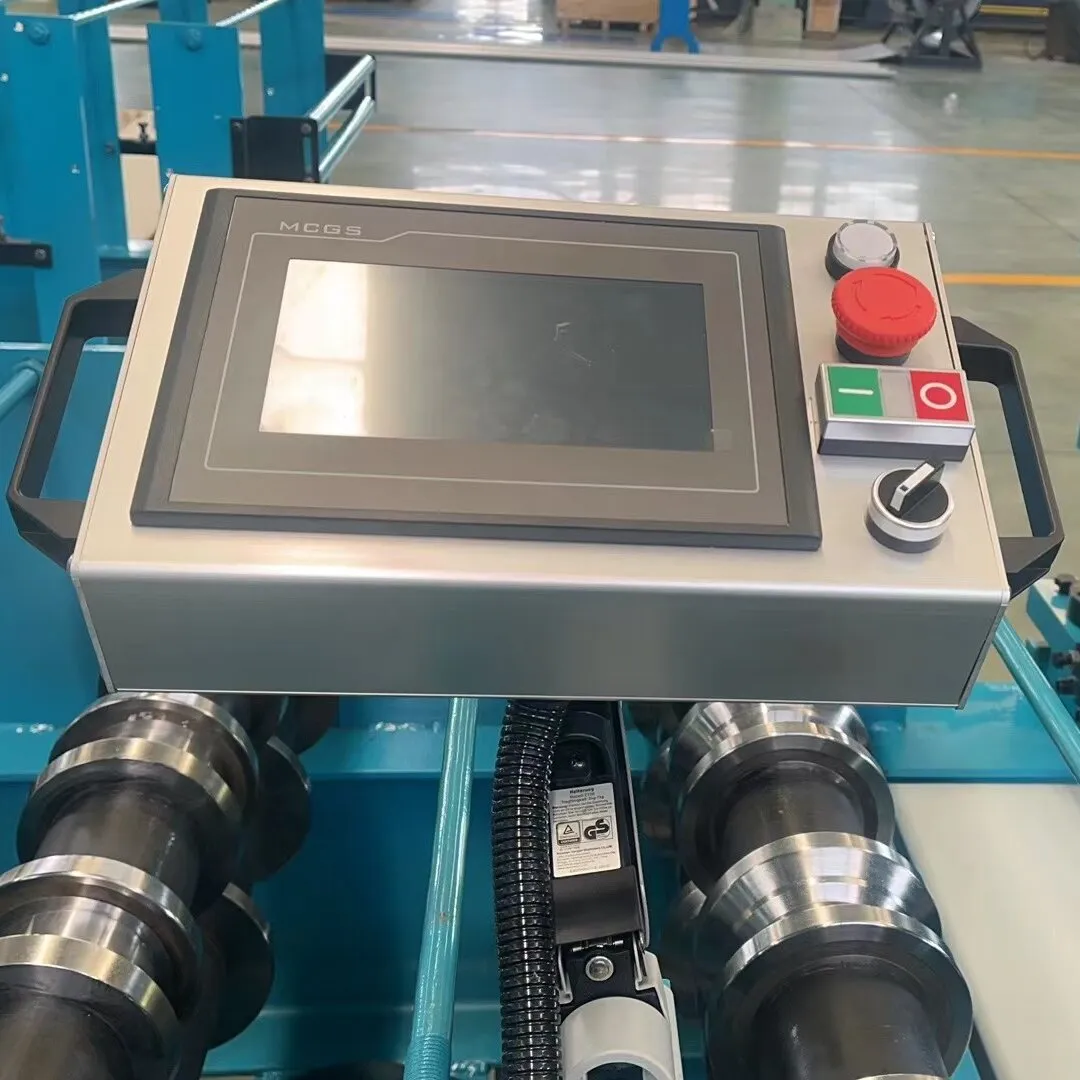
| Control | PLC with HMI; batch/length presets; fault alarms |
How production flows (the practical version)
- Materials: galvanized/galvalume steel (ASTM A653 / EN 10346), pre-painted coil, or aluminum.
- Feeding: decoiler → guider → leveling (if included) to tame coil set; coil edges trimmed if needed.
- Forming: 18 stations shape the profile; pass design controls oil-canning and springback.
- Cutting: hydraulic shear after-forming; burr control matters for painted sheets.
- QC checks: length check per batch (ISO 2768 guidance), profile depth with gauges, coating adhesion (ASTM D3359 spot tests).
- Stacking and packing: film + dunnage; label traceability tied to coil heat number.
Service life? With sane maintenance—cleaned rollers, hydraulic oil checks, chain tensioning—10–15 years is common; I’ve seen lines past 18 years still earning their keep.
Where it’s used
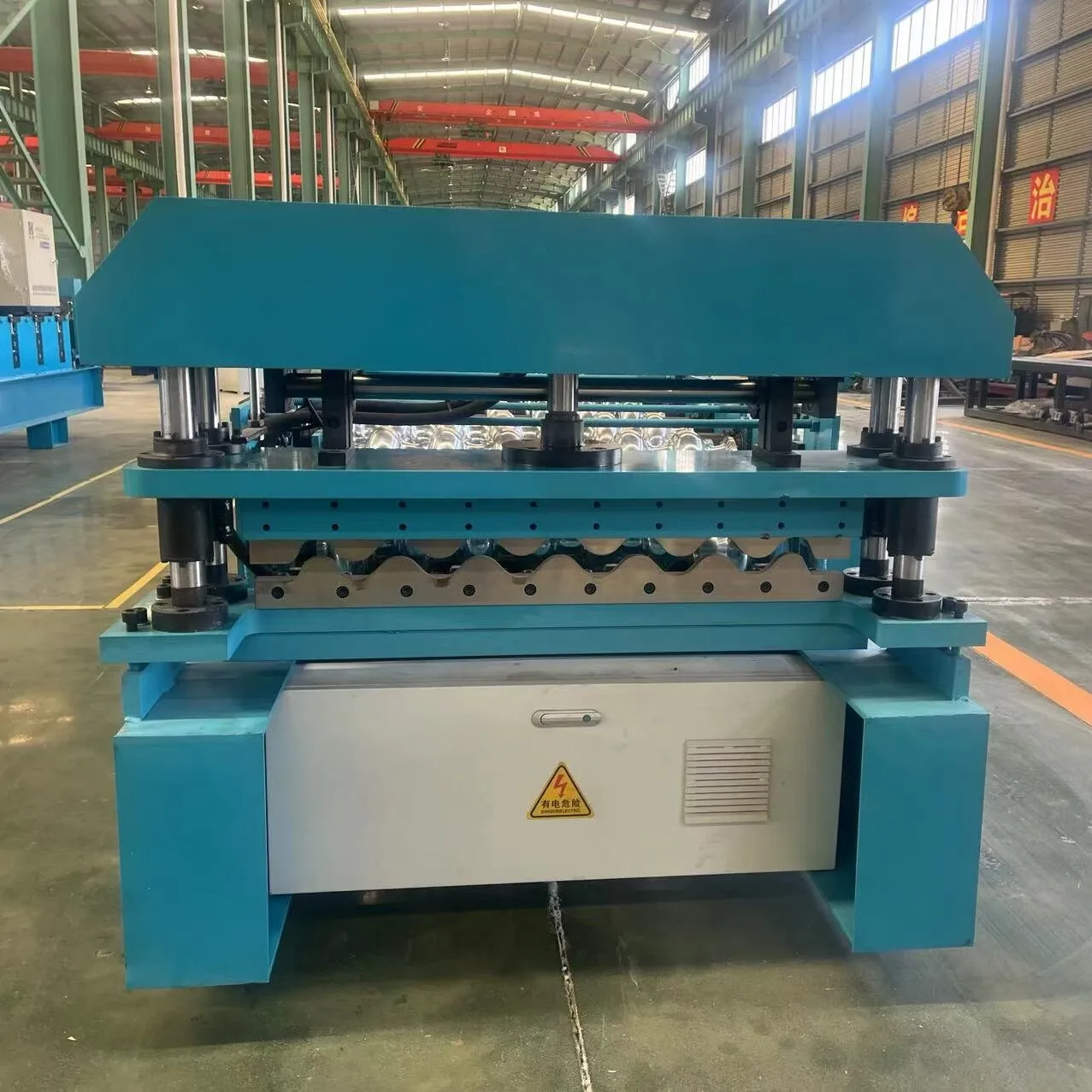
Roofing and wall cladding for industrial sheds, agro buildings, rural housing programs, quick-turn warehouses, even coastal carports (with AZ-coated coils). Contractors like the corrugated sheet machine output for its predictable overlap and consistent pitch—fewer surprises on the roof.
Vendor landscape (friendly comparison)
| Vendor | Speed | Length Tolerance | Rollers | After-sales |
|---|---|---|---|---|
| Yowin (this model) | 0–15 m/min | ±1.5 mm / 10 m | 18 | Remote + onsite commissioning |
| Vendor A (EU brand) | ≈12–18 m/min | ±1.0–1.5 mm | 16–22 | Strong EU footprint |
| Vendor B (Local OEM) | ≈8–12 m/min | ±2.0 mm | 14–18 | On-call, limited spares |
Honestly, the right choice hinges on your coil mix and labor skill. If you run painted coils all day, roller finish and cutter alignment matter more than headline speed.
Customization and real-world feedback
Options we’ve seen: profile pitch/depth tweaks, coil width ranges, embossing rolls, servo length encoder upgrades, auto stacker, language packs for the PLC, and safety guarding. One mid-size roofer reported scrap down by ≈1.3% after switching to a servo encoder and better coil guides. Another contractor in a hot, dusty region said hydraulic temps stayed manageable after adding a cooler—small thing, big uptime.
Compliance, testing, and certificates
Look for ISO 9001 QMS at the factory, CE marking where required, and documentation for material standards on incoming coils. Typical checks include tensile sampling to ISO 6892 (at coil supplier), coating adhesion to ASTM D3359, and dimensional verification guided by ISO 2768. It seems basic—and yet it’s where consistency starts.
References
- ASTM A653/A653M – Standard Specification for Steel Sheet, Zinc-Coated (Galvanized) or Zinc-Iron Alloy-Coated.
- EN 10346 – Continuously hot-dip coated steel flat products.
- EN 508-1 – Roofing and cladding products from metal sheet.
- ISO 2768 – General tolerances for linear and angular dimensions.
- ISO 6892 – Metallic materials — Tensile testing.
- ASTM D3359 – Standard Test Methods for Measuring Adhesion by Tape Test.
- ISO 9001 – Quality management systems — Requirements.