
Manual Decoiler For Sale | Durable & Efficient Sheet Metal Uncoiling
Strategic Investment: Why a Manual Decoiler is Essential for Modern Sheet Metal Operations
In the dynamic world of sheet metal fabrication, efficient material handling is paramount to productivity and profitability. The process of uncoiling material, particularly from heavy gauge or high-tensile coils, demands robust and reliable equipment. For businesses seeking a balance between cost-effectiveness, precision, and operational control, finding the right manual decoiler for sale is a strategic imperative. A well-selected decoiler forms the foundational component of any coil processing line, ensuring smooth material flow, minimizing wastage, and enhancing overall operational safety. This comprehensive guide explores the critical aspects of selecting, implementing, and optimizing decoiling solutions, focusing on the specific benefits and considerations surrounding manual and semi-automatic systems.
Evolving Industry Trends in Coil Processing and Decoiling Technology
The sheet metal industry is currently experiencing significant shifts driven by advancements in material science, automation, and a heightened focus on sustainability. As manufacturers increasingly work with advanced high-strength steels (AHSS) and aluminum alloys, the demands on decoiling equipment have intensified. Trends indicate a growing need for machines capable of handling diverse material properties with greater precision and reduced setup times.
- Material Versatility: The expansion into lightweighting initiatives for automotive and aerospace sectors necessitates decoilers that can precisely manage thinner, yet stronger, materials without marring or distortion.
- Enhanced Automation & Integration: While our focus is on manual systems, even manual decoilers are increasingly designed for seamless integration into larger processing lines, allowing for future upgrades to automated feeding systems. This modularity is key.
- Safety and Ergonomics: A strong emphasis on operator safety features, such as improved coil loading mechanisms, anti-collapse arms, and intuitive controls, is becoming standard.
- Sustainability: Equipment designed for energy efficiency and minimal material waste resonates with eco-conscious manufacturing practices.
These trends underline the importance of selecting a decoiler for sale that is not only robust for current needs but also adaptable to future technological advancements and material requirements.
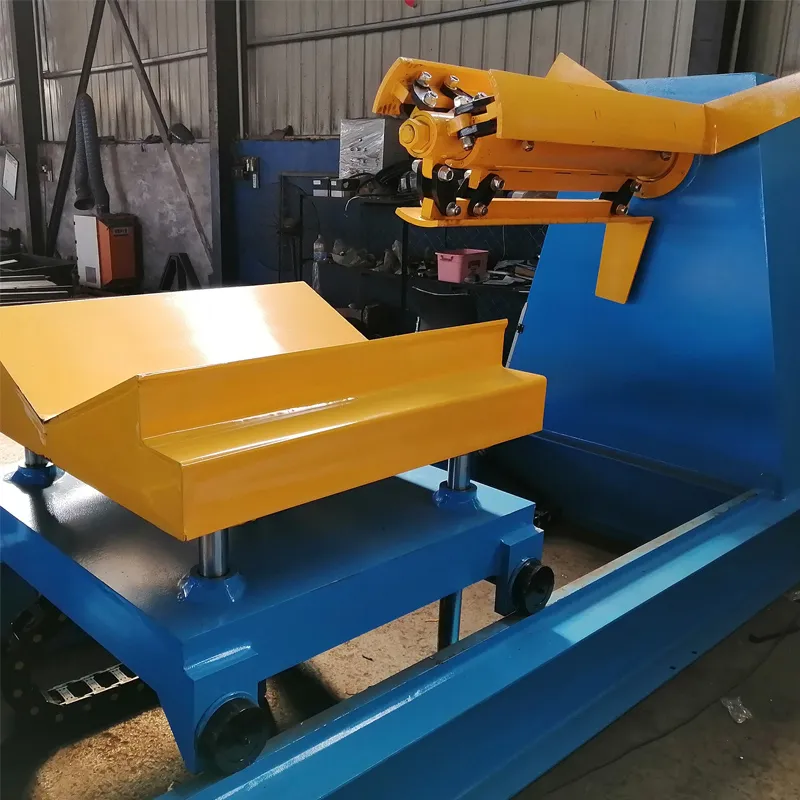
Decoding the Technical Specifications of a Manual Decoiler
Understanding the core technical specifications is crucial for any discerning buyer looking for a reliable decoiler. These parameters directly influence the machine's capacity, performance, and suitability for specific applications.
Key Parameters to Consider:
- Coil Weight Capacity: This is the maximum weight of the coil the decoiler can safely support and uncoil. Manual decoilers typically range from 500 kg to 5000 kg, offering versatility for small to medium-scale operations.
- Coil Width: Defines the maximum width of the material coil. Standard widths include 600mm, 1000mm, 1250mm, and 1500mm, matching common sheet sizes.
- Coil Inner Diameter (ID) & Outer Diameter (OD): The mandrel's expandable range must match the coil's inner diameter for secure loading. Outer diameter dictates the overall size the machine can accommodate. Common IDs are 480-520mm, 500-600mm.
- Material Thickness: The range of material gauges the decoiler is designed to handle, typically from 0.3mm to 3.0mm, or even up to 6.0mm for heavy-duty models.
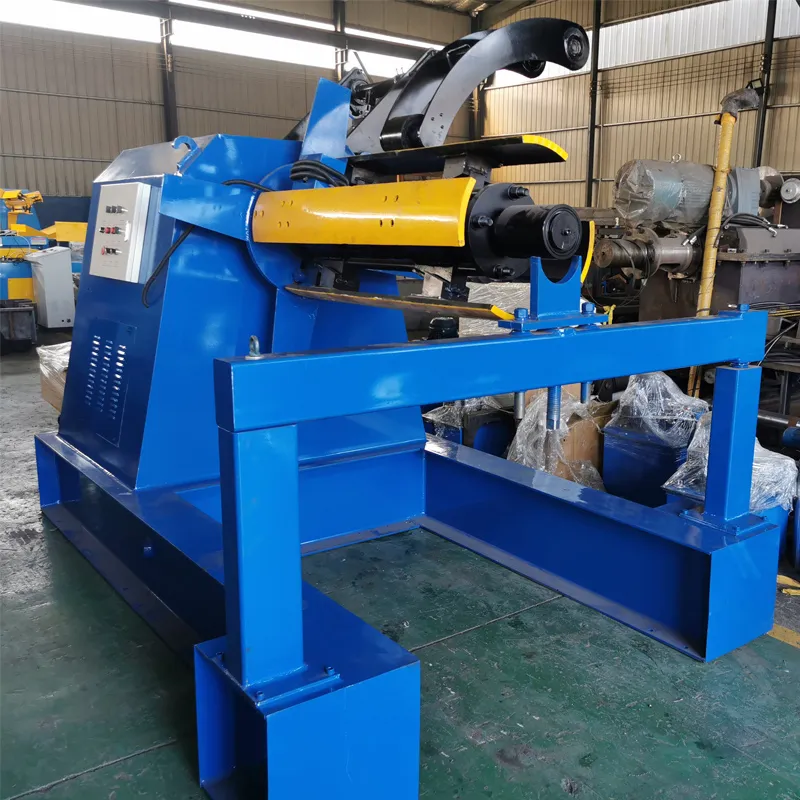
- Expansion Mechanism: Manual decoilers often feature a manual wedge or screw-type expansion mechanism for the mandrel, providing reliable coil gripping. Hydraulic decoilers, on the other hand, utilize hydraulic cylinders for effortless and precise expansion and contraction, which is a key differentiator in terms of operational ease and speed for higher production volumes.
- Braking System: Essential for controlling the uncoiling speed and preventing overruns. Manual systems typically use a mechanical brake or pneumatic brake with adjustable tension.
Typical Product Specification Table (Manual Decoiler)
| Parameter | Specification Range | Unit |
|---|---|---|
| Coil Weight Capacity | 1,000 - 3,000 | kg |
| Max. Coil Width | 600 - 1500 | mm |
| Coil Inner Diameter (ID) | 480 - 620 | mm |
| Max. Coil Outer Diameter (OD) | 1200 - 1500 | mm |
| Material Thickness Range | 0.3 - 3.0 | mm |
| Mandrel Expansion | Manual Screw/Wedge | Mechanism |
| Braking System | Mechanical Friction | Type |
| Operational Speed | Dependent on feeding | m/min |
These specifications ensure that any chosen sheet metal decoiler integrates seamlessly into existing production lines and meets the specific demands of the material being processed.
The Manufacturing Excellence Behind Every Manual Decoiler
The robust performance and longevity of a decoiler are directly attributable to its manufacturing process and the quality of materials used. Our commitment to engineering excellence ensures that every manual decoiler for sale is built to withstand the rigors of industrial environments.
Detailed Manufacturing Process Flow:
- Material Sourcing & Selection: We begin with high-grade structural steel (e.g., Q235B, Q345B equivalent to ASTM A36) known for its tensile strength and durability. Mandrel components often utilize alloy steels such as 40Cr or 42CrMo for enhanced wear resistance and precision, critical for secure coil gripping.
- Precision Cutting & Forming: Steel plates and profiles undergo precise CNC laser cutting or plasma cutting, followed by hydraulic bending and forming to create the main frame, base, and coil support structure. This ensures dimensional accuracy and structural integrity.
- Machining of Critical Components: The core spindle, mandrel segments, and gear components are subjected to rigorous CNC machining processes (turning, milling, grinding). This precision machining ensures tight tolerances, smooth operation, and minimal runout, vital for consistent uncoiling. Heat treatment processes like quenching and tempering are applied to wear-prone parts to achieve optimal hardness and toughness, extending service life significantly.
- Welding & Assembly: Structural components are assembled using advanced welding techniques (e.g., MIG/MAG welding), performed by certified welders to guarantee strong, consistent joints. All welds are visually inspected, and critical load-bearing welds undergo non-destructive testing (NDT) to meet international standards.
- Surface Treatment & Finishing: Components are sandblasted to prepare surfaces, followed by application of industrial-grade anti-corrosion primers and durable topcoats. This multi-layer coating system provides excellent corrosion resistance, crucial for machinery operating in varied industrial environments.
-
Quality Assurance & Testing: Each decoiler undergoes a comprehensive testing protocol. This includes:
- Dimensional accuracy checks against CAD specifications.
- Load testing to verify coil weight capacity and stability.
- Mandrel expansion/contraction cycle testing for smooth and reliable operation.
- Braking system efficacy and adjustment range validation.
- Noise and vibration analysis to ensure smooth running.
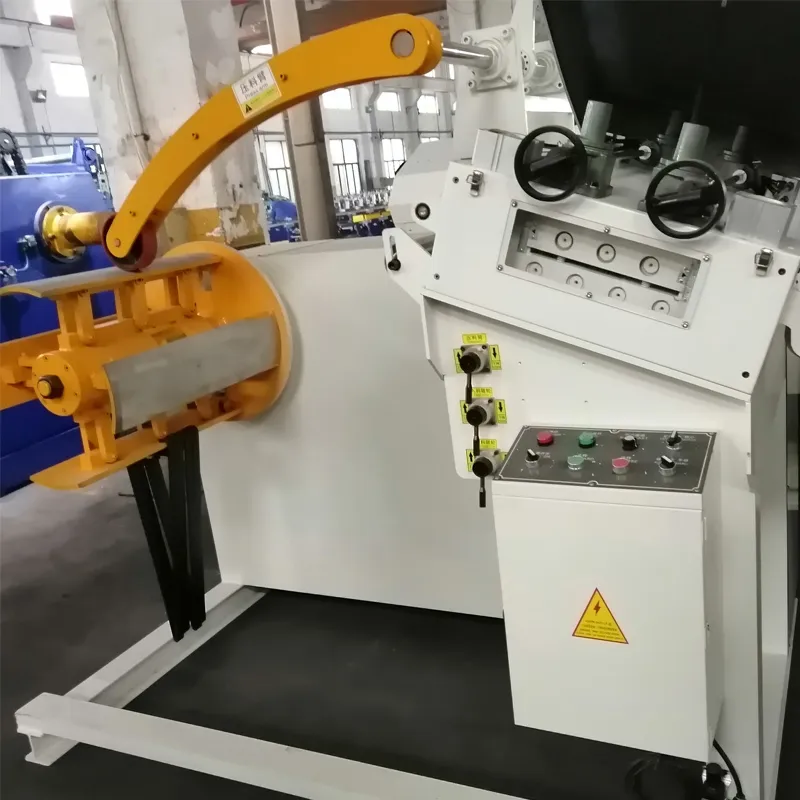
Diverse Application Scenarios and Target Industries
The versatility of a well-engineered decoiler machine makes it indispensable across a spectrum of industrial applications. From basic feeding to complex stamping operations, its role is foundational.
Target Industries:
- Automotive Sector: For manufacturing chassis components, body panels, and intricate stampings.
- HVAC & Ducting: Producing ductwork, ventilation components, and air conditioning unit enclosures.
- Building & Construction: Fabrication of roofing, siding, metal studs, and structural elements.
- Appliance Manufacturing: Forming casings and internal components for white goods.
- Metal Furniture: Creating components for office and industrial furniture.
- Electrical Enclosures: Producing protective housings for electrical and electronic equipment.
- Petrochemical & Metallurgy: Handling specialized metal coils for specific processing needs, ensuring material integrity before further forming.
- Water Supply & Drainage: Manufacturing components for piping, reservoirs, and water treatment equipment where specialized sheet metal is used.
Typical Application Scenarios:
- Press Feeding Lines: A decoiler seamlessly feeds coil stock into mechanical or hydraulic presses for stamping, punching, and forming operations.
- Roll Forming Lines: Essential for continuous feeding of material into roll forming machines to produce profiles, channels, and panels.
- Cut-to-Length Lines: Paired with straighteners and shears, the decoiler precisely feeds material for cutting into specific lengths.
- Slitting Lines: Provides a steady supply of master coils for slitting into narrower strips.
These machines offer significant advantages, including energy saving through optimized material flow and minimal manual intervention, and enhanced corrosion resistance due to advanced protective coatings, ensuring longevity in diverse operational climates.
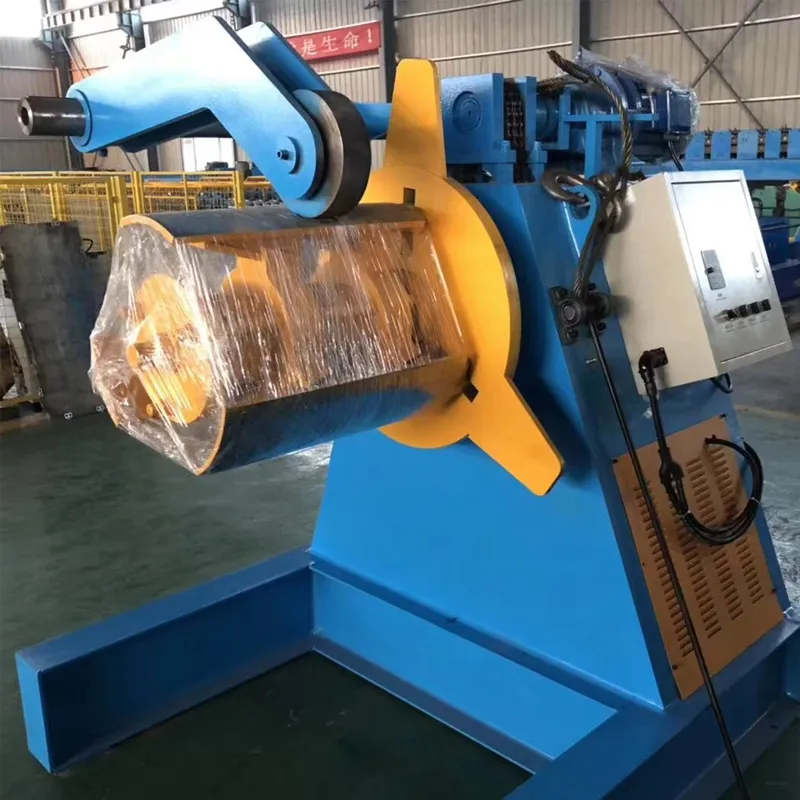
Technical Advantages and Operational Benefits
Investing in a high-quality decoiler for sale provides a multitude of technical and operational advantages that directly impact a company's bottom line and production efficiency.
- Enhanced Material Handling: Reduces the risk of material damage, kinking, or scratching associated with manual coil handling. Precision uncoiling minimizes stress on the material.
- Improved Safety: Eliminates the hazardous task of manually unwinding heavy coils, significantly reducing workplace accidents and operator fatigue. Features like coil hold-downs and anti-collapse arms enhance safety.
- Consistent Material Feed: Ensures a steady and controlled supply of material to downstream equipment (e.g., straighteners, feeders, presses). This consistency is crucial for maintaining tight tolerances in production.
- Increased Productivity: By streamlining the uncoiling process, overall production speed is improved, leading to higher output rates. Quick coil changeovers minimize downtime.
- Reduced Material Waste: Controlled uncoiling prevents material distortion or edge damage, optimizing material utilization and reducing scrap rates.
- Cost-Effectiveness: Manual decoilers represent a lower initial investment compared to fully automated or powered systems, making them ideal for smaller operations or as a robust backup. Their simple design also means lower maintenance costs.
- Longevity and Reliability: Constructed from heavy-duty steel with precision-machined components and robust bearings, these machines are built for continuous, demanding use, offering an extended service life.
Vendor Comparison: Key Differentiators for a Manual Decoiler
When evaluating suppliers for a sheet metal decoiler, a meticulous comparison goes beyond just price. Focus on factors that ensure long-term value, reliability, and support.
Critical Comparison Criteria:
- Build Quality & Materials: Look for vendors who specify high-tensile steel frames, hardened alloy steel mandrels, and heavy-duty bearings. Inferior materials lead to premature wear and failure.
- Precision Engineering: Examine the precision of the mandrel expansion mechanism and braking system. Consistent uncoiling depends on these critical components.
- Safety Features: Compare the inclusion of safety guards, emergency stops, and stable base designs. Prioritize operator safety.
- Customization Capabilities: Can the vendor offer bespoke solutions for unique coil dimensions or material types? This indicates deeper engineering expertise.
- After-Sales Support & Warranty: A comprehensive warranty, readily available spare parts, and responsive technical support are invaluable. A reputable vendor stands behind their product.
- Industry Reputation & Experience: Longevity in the industry and positive customer testimonials (experience) are strong indicators of reliability and authority.
Value Proposition Example:
"While many suppliers offer basic decoilers, distinguishing features often lie in the details: the robustness of the spindle bearings, the precision of the coil guides, and the overall rigidity of the frame. A slight premium for superior components translates into decades of reliable operation and significantly reduced maintenance downtime, ultimately offering a lower total cost of ownership."
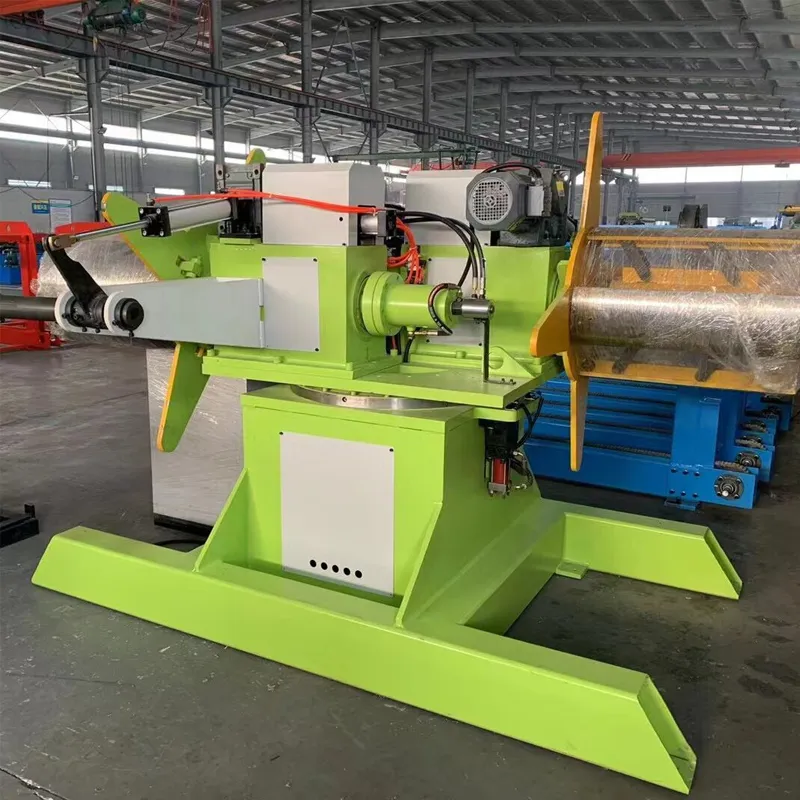
Customized Solutions for Unique Production Requirements
While standard models of decoiler machines meet many needs, specialized applications often demand tailored solutions. Reputable manufacturers offer customization to perfectly align equipment with specific operational challenges.
Areas of Customization:
- Increased Coil Capacity: For handling exceptionally heavy or wide coils beyond standard specifications. This may involve reinforced frames and larger diameter mandrels.
- Special Mandrel Designs: Custom mandrels for non-standard coil inner diameters or specialized materials that require particular gripping methods to prevent damage.
- Integration with Existing Lines: Adapting frame heights, footprints, or control interfaces to integrate seamlessly with existing press lines, roll formers, or cut-to-length systems.
- Material-Specific Modifications: For delicate materials like pre-painted coils, options such as protective coatings on contact surfaces, or specialized dampening systems can be incorporated. For abrasive materials, wear-resistant liners might be used.
- Enhanced Safety Features: Additional safety cages, light curtains, or interlocked guarding can be implemented to meet stringent site-specific safety regulations.
- Specialized Braking Systems: While manual decoilers use friction brakes, in specific applications, a pneumatic brake could be integrated for finer tension control, particularly with sensitive materials.
Engaging with a manufacturer that possesses deep engineering capabilities and a flexible production approach ensures that your investment in a decoiler precisely addresses your unique challenges, thereby maximizing efficiency and return on investment.
Real-World Application Case Studies
Practical examples illustrate the tangible benefits derived from implementing robust decoiling solutions.
Case Study 1: Mid-Size Automotive Component Manufacturer
A regional supplier of automotive stampings faced challenges with inconsistent material feeding into their presses, leading to frequent line stops and material waste. Their existing setup relied on rudimentary coil stands, causing coil distortion and operator strain during loading. After implementing a 2.5-ton capacity manual decoiler for sale with a mechanical friction brake, their production line saw a 15% reduction in unplanned downtime due to material feed issues. Coil changeovers became safer and faster, improving overall operational throughput by 8%. The robust construction and precise braking system of the new decoiler ensured consistent tension, critical for manufacturing high-precision parts.
Case Study 2: HVAC Ductwork Fabricator
An HVAC fabricator specializing in custom ducting struggled with handling galvanized steel coils up to 1250mm wide. Manual handling caused surface scratches on the pre-coated material, resulting in higher rejection rates. They invested in a manual decoiler designed for wider coils and equipped with specialized polyurethane-coated pinch rollers (a customization option) to protect delicate surfaces. This strategic investment reduced material surface damage by 90% and improved operator safety, demonstrating the value of purpose-built equipment. The estimated annual savings from reduced scrap alone justified the investment within 18 months.
Ensuring Trustworthiness: FAQs, Lead Times, Warranty, and Support
Building trust with B2B clients requires transparency and robust post-sales commitments. Here's what to expect when acquiring a high-quality manual decoiler.
Frequently Asked Questions (FAQs):
- Q: What is the primary difference between a manual and a powered decoiler?
- A: A manual decoiler relies on the pulling force of the downstream machine (e.g., feeder, press) to uncoil material, using an adjustable brake for tension control. A powered decoiler uses an integrated motor to actively uncoil the material, offering greater control and typically higher speeds, especially for heavy coils or sensitive materials.
- Q: How do I determine the correct coil weight capacity for my application?
- A: You need to know the maximum weight of the coils you intend to process. It's always advisable to choose a decoiler with a slightly higher capacity than your heaviest coil to ensure safety and prevent overloading.
- Q: Are manual decoilers suitable for thick gauge materials?
- A: Yes, many heavy-duty manual decoilers are designed to handle thicker gauges (e.g., up to 3.0mm or even 6.0mm for specialized models), provided they have the appropriate coil weight capacity and a robust braking system. The key consideration is the ability of the downstream machine to pull the material effectively.
Lead Time & Fulfillment:
Standard manual decoiler for sale models typically have a lead time of 4-6 weeks from order confirmation to shipment, depending on current production schedules and customization requirements. Expedited options may be available upon request. For highly customized solutions, lead times will be provided on a project-specific basis after detailed engineering review. We ensure transparent communication throughout the fulfillment process, providing regular updates on manufacturing progress and shipping logistics.
Warranty Commitments:
All our decoilers come with a standard 12-month warranty covering manufacturing defects and component failures under normal operating conditions. Extended warranty packages are available for purchase, offering additional peace of mind. Our warranty reflects our confidence in the superior design and construction of our machinery, built to rigorous ISO 9001 standards.
Customer Support Information:
Our dedicated technical support team is available to assist with installation guidance, operational queries, and troubleshooting. We offer remote assistance via phone and email, and on-site support can be arranged for complex issues. A comprehensive spare parts catalog is maintained to ensure quick access to components, minimizing potential downtime. Our commitment extends to providing lifelong technical consultation for all our products.
Conclusion: The Enduring Value of a Robust Manual Decoiler
In conclusion, the decision to invest in a manual decoiler for sale is a strategic one that underpins the efficiency, safety, and productivity of sheet metal fabrication operations. By carefully considering technical specifications, understanding the meticulous manufacturing processes, and evaluating a vendor's commitment to quality and support, businesses can procure a machine that delivers consistent performance and a significant return on investment. The technical advantages, coupled with the potential for customization, ensure that these essential pieces of equipment remain a cornerstone of modern manufacturing.
References:
- ASM International. (2002). ASM Handbook: Volume 4A - Steel Heat Treating Fundamentals and Processes.
- International Organization for Standardization. ISO 9001 Quality Management Systems – Requirements.
- American Society of Mechanical Engineers. ASME B15.1-2000 Safety Standard for Mechanical Power Transmission Apparatus.
- Modern Metals Magazine. (Various Issues). Industry trends in coil processing and material handling.