
Need a Glazed Tile Roll Forming Machine with Gearbox Drive?
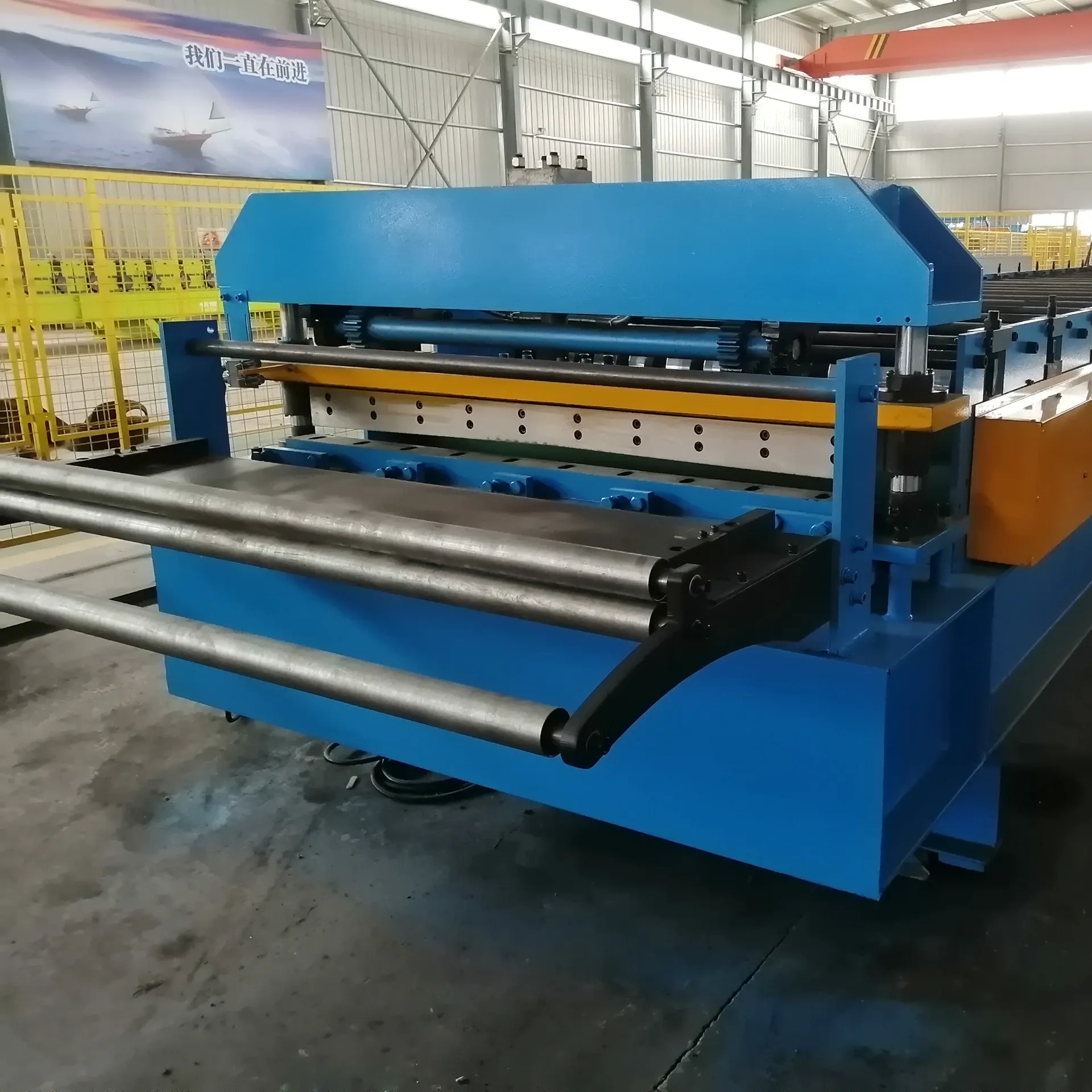
What I’m Seeing in Glazed Tile Roof Sheet Forming Right Now
If you’ve watched metal roofing trends lately, you already know why builders keep asking for the glazed tile roll forming machine. Architects want tile aesthetics, contractors want predictable throughput, and owners want roofs that outlast paint warranties. Honestly, when those three line up, procurement decisions get a lot easier.
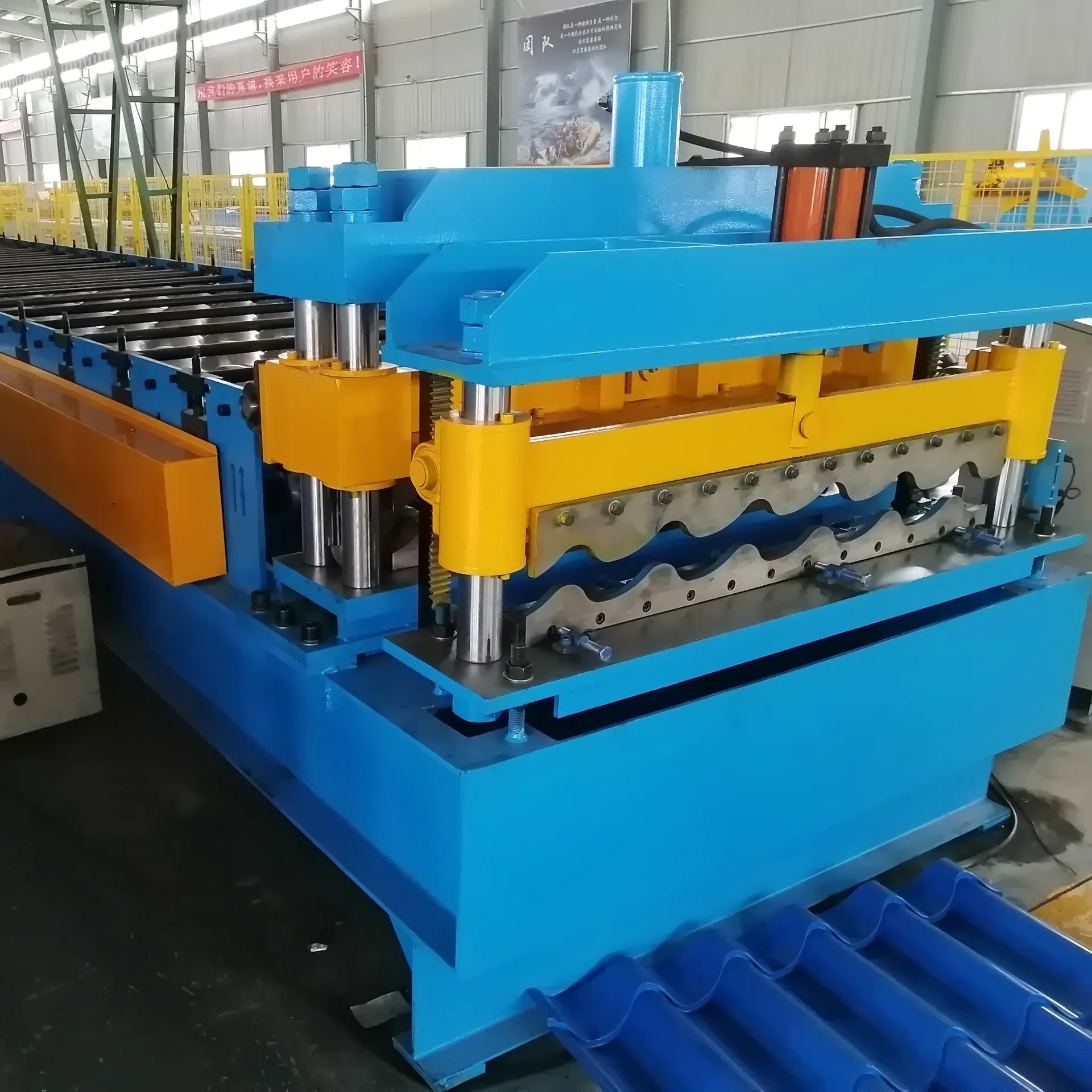
Why glazed “tile look” steel?
Looks like clay, installs like metal, and it’s lighter. In fact, demand is rising across resorts, villas, schools, and municipal roofs. Many customers say the key is consistent crest depth and clean shearing; if the press and cut aren’t dialed in, callbacks spike. That’s where a glazed tile roll forming machine earns its keep.
Core Specifications (field-proven set)
| Item | Glazed Tile Roof Sheet Roll Forming Machine |
| Material thickness range | 0.45–0.76 mm (PPGI/PPGL/galvanized; real-world use may vary) |
| Main motor (servo) | 7.5 kW; hydraulic station 4 kW |
| Speed | 0–3 m/min (≈ profile and press depth dependent) |
| Rollers / material | 17 stations; 45# steel with chrome |
| Shafts | ∅75 mm, 45# forged steel |
| Frame | 350H beam |
| Tolerance | 10 m length ±1.5 mm (typical) |
| Drive / control | Chain drive; PLC control |
| Cutting blade | Cr12, quenched ≈ 58–62 HRC |
| Origin | Room 5019, Beichen Square, No.19 Shifang Road, Chang'an District, Shijiazhuang, China |
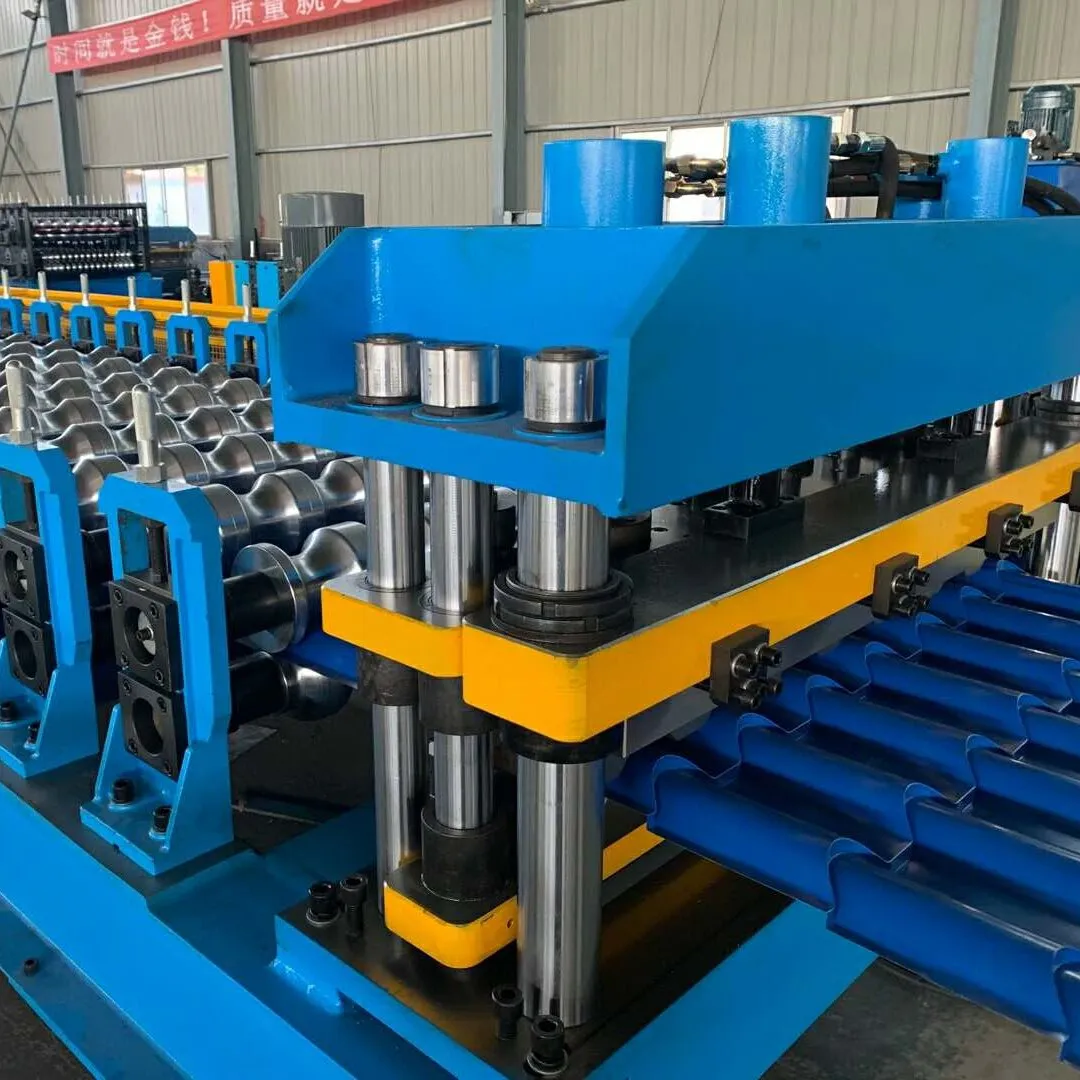
Process Flow, Materials, and Testing
Coil loading → leveling/feeding → roll forming (17 stations) → glazing press → hydraulic cut-to-length → run-out table. For materials, I’d stick to PPGI/PPGL meeting ASTM A653/A755 grades, thickness 0.45–0.76 mm. Tensile checks per ISO 6892-1 help avoid springback surprises. Coating mass verification can follow ASTM A653; cutters are usually hardness-tested (≈ HRC 58–62). Service life? With lubrication and operator training, rollers often run 8–10 years; blades 1–3 years depending on coating abrasiveness.
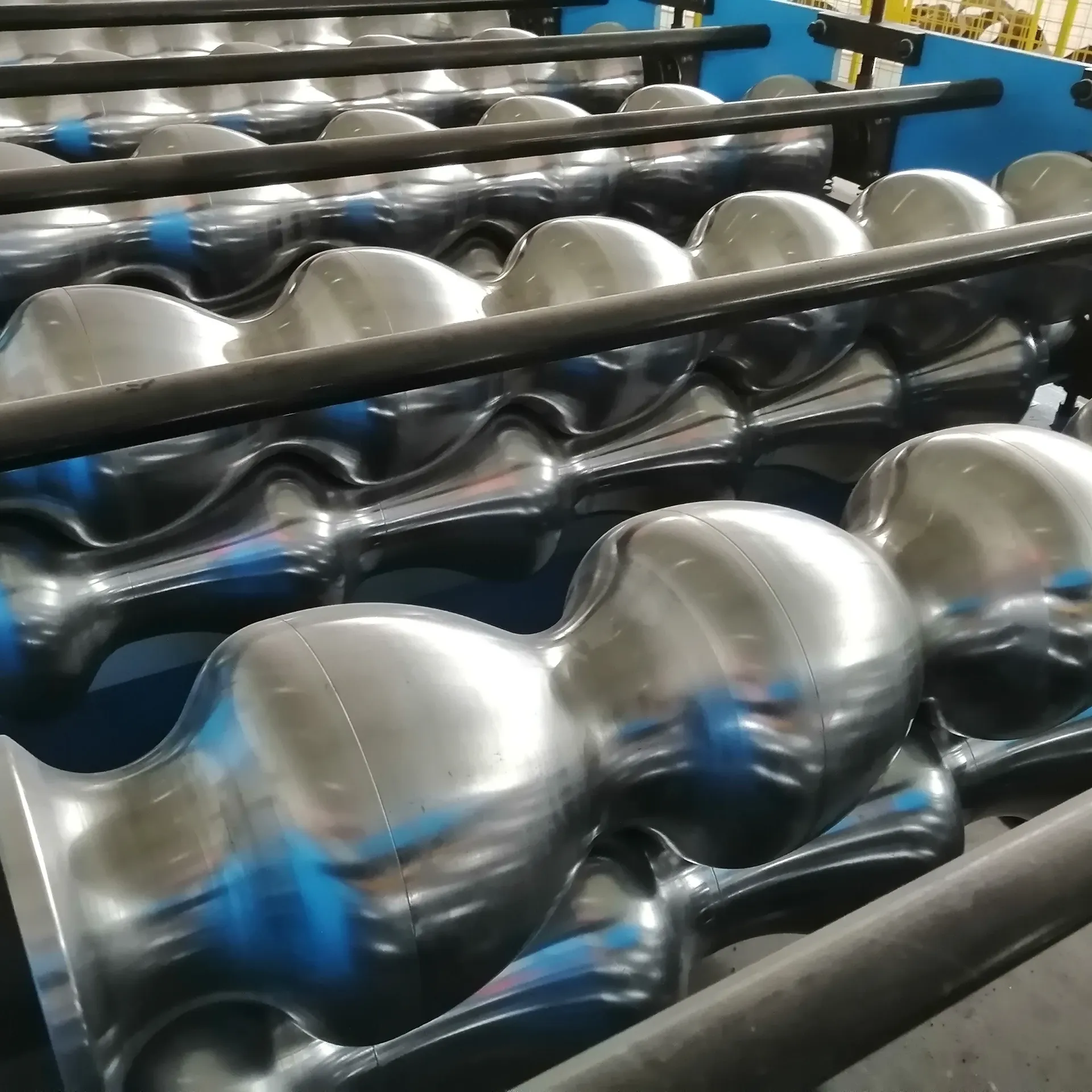
Where it’s used
Residential villas, resorts, churches, schools, bus stations, even light commercial malls. A glazed tile roll forming machine gives you tile profiles without the dead load of clay.
Vendor comparison (what buyers actually weigh)
| Factor | Yowin | Vendor A | Vendor B |
|---|---|---|---|
| Roller steel | 45# chrome | 45# (uncoated) | GCr15 (polished) |
| Tolerance claim | ±1.5 mm/10 m | ±2.0 mm/10 m | ±1.8 mm/10 m |
| Drive | Chain | Chain | Gearbox + chain (mixed) |
| Controls | PLC with length/qty presets | Basic PLC | PLC + remote support |
| Origin / support | Shijiazhuang, CN; commissioning assistance | CN; limited remote | CN/EU; paid onsite |
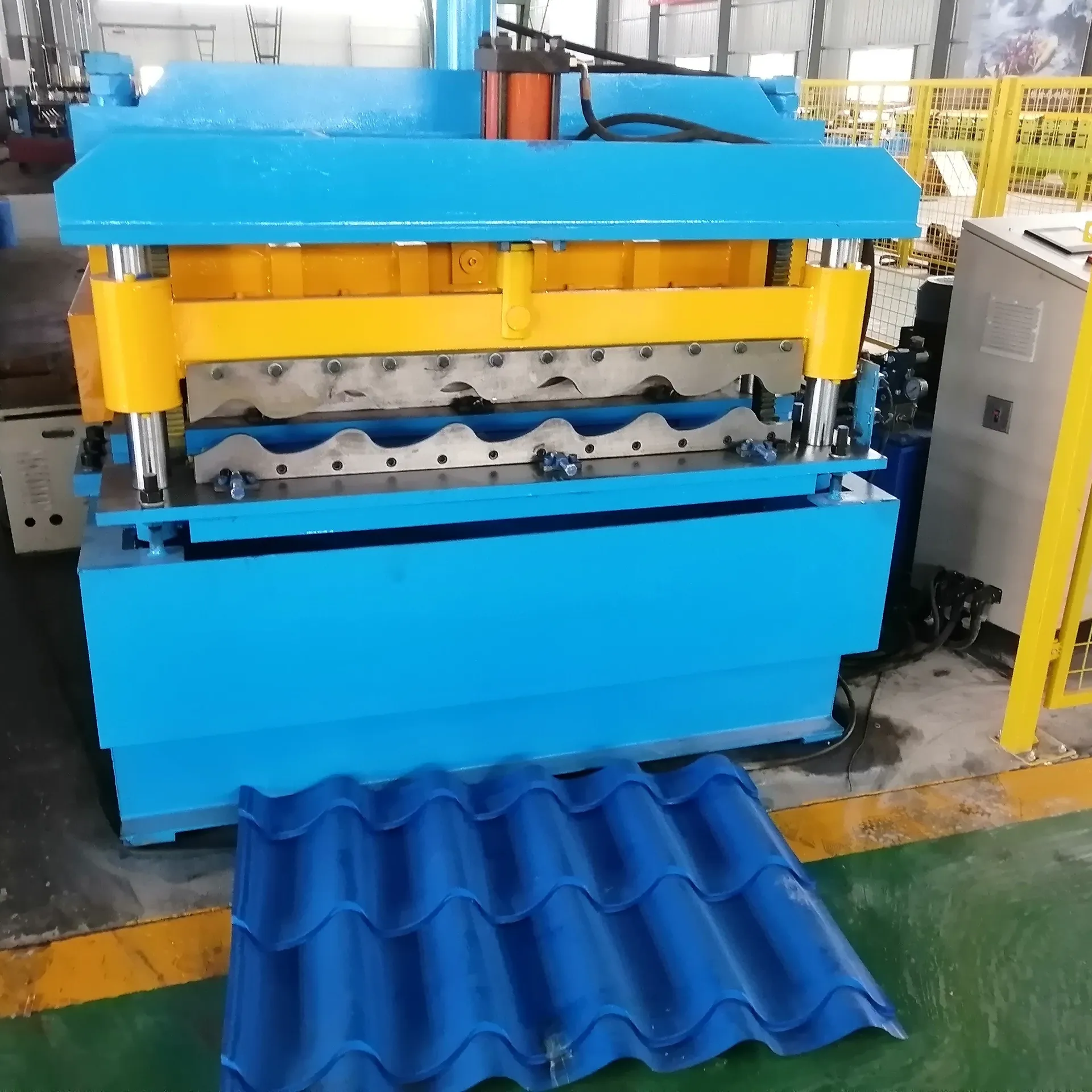
Customization and real stories
- Profiles: custom embossing, crest depth, step pitch, anti-capillary tweaks.
- Electrics: 380V/50Hz or 440V/60Hz; to be honest, check transformer sizing early.
- Options: hydraulic decoiler, auto stacker, extra safety guarding per ISO 12100/IEC 60204-1.
Case snapshots: A coastal contractor switched to a glazed tile roll forming machine with chrome rollers—paint scuff complaints dropped, scrap fell ≈ 1.2%. A school roofing program in a hot climate ran 0.5 mm PPGL; press timing mattered more than we expected, but PLC tuning fixed oil-canning.
Compliance, QA, and service life
Look for ISO 9001 quality systems, CE marking documentation (if applicable), and electrical conformity per IEC 60204-1. Input coils should meet ASTM A653/A755; tensile tested per ISO 6892-1. With scheduled lubrication, chain tension checks, and blade regrinds, typical uptime surpasses 95% and major components run years, not months.
References
- ASTM A653/A653M – Standard Specification for Steel Sheet, Zinc-Coated (Galvanized) or Zinc-Iron Alloy-Coated.
- ASTM A755/A755M – Steel Sheet, Metallic Coated by the Hot-Dip Process and Prepainted.
- ISO 6892-1:2019 – Metallic materials — Tensile testing — Part 1.
- IEC 60204-1:2016 – Safety of machinery — Electrical equipment of machines.
- ISO 12100:2010 – Safety of machinery — General principles for design — Risk assessment and risk reduction.