
Precision Roof Roll Forming Machine for Durable Metal Roofing
Precision Engineering in Metal Roll Forming
The advanced fabrication of metal components is a cornerstone of modern industrial and construction sectors. At the forefront of this evolution stands the roof roll forming machine, a critical piece of equipment that transforms flat metal sheets into complex, precise profiles essential for robust and durable roofing systems. These machines are engineered for high efficiency, accuracy, and versatility, catering to the ever-increasing demands of various industries requiring sophisticated metal profiles.
Our focus today is on understanding the intricate mechanics, broad applications, and strategic advantages of these specialized machines, including the Gusset Plate Roll Forming Machine, and how they contribute significantly to infrastructural development and manufacturing excellence. We will delve into their technical specifications, operational advantages, and the comprehensive support systems that ensure optimal performance and return on investment for B2B stakeholders.
Industry Trends Shaping Metal Roll Forming
The metal roll forming industry is undergoing significant transformation, driven by demands for increased automation, higher precision, and greater material efficiency. Key trends include the integration of Industry 4.0 technologies such as IoT sensors for real-time monitoring and predictive maintenance, enhancing operational uptime and reducing waste. There is also a growing emphasis on sustainability, with manufacturers exploring options for processing recycled materials and optimizing energy consumption during the roll forming process. The market for lightweight, high-strength metal profiles, particularly for automotive and aerospace applications, continues to expand, pushing the boundaries of machine capabilities in handling advanced alloys. Furthermore, customization and on-demand production are becoming standard, necessitating flexible and rapidly reconfigurable roof roll forming machine systems. The global metal roofing market, a primary driver for these machines, is projected to reach USD 22.8 billion by 2027, growing at a CAGR of 4.3% from 2020, highlighting a sustained demand for efficient and reliable production solutions.
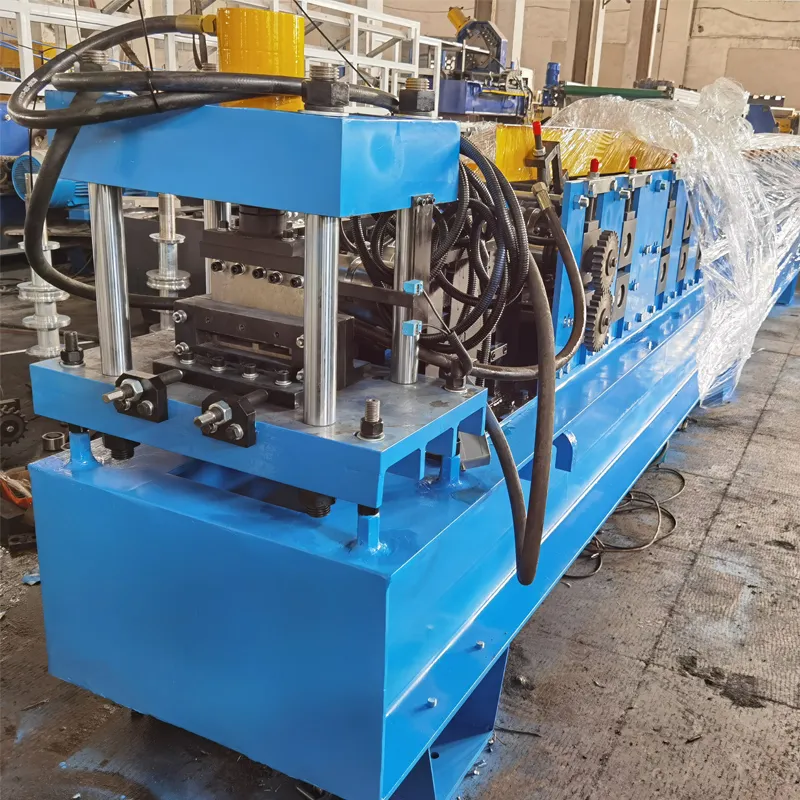
Modern metal roofing roll former production line.
Detailed Process Flow of a Roof Roll Forming Machine
The manufacturing process utilizing a metal roll forming machine is a sophisticated sequence designed to precisely shape metal coils into desired profiles. This process is characterized by its high speed, repeatability, and minimal material waste. The primary materials typically processed include galvanized steel, Galvalume, pre-painted steel, aluminum, and sometimes copper or titanium, chosen for their durability, corrosion resistance, and aesthetic properties. Material thicknesses commonly range from 0.3mm to 1.2mm, though specialized machines can handle greater variations.
Process Steps:
- Uncoiling: The process begins with loading a large coil of flat metal sheet onto an uncoiler. This device unwinds the coil smoothly and feeds the material into the machine. Precision tension control ensures consistent feeding without stretching or buckling the material.
- Feeding and Guiding: The unwound strip then passes through a series of entry guides. These guides align the metal strip accurately to ensure it enters the forming rollers at the correct orientation, which is crucial for profile integrity.
- Roll Forming Stations: This is the core of the operation. The metal strip progresses through multiple sets (typically 12 to 20 or more) of precisely engineered rollers. Each pair of rollers performs a small, incremental bend, gradually shaping the metal into the final desired profile. This gradual formation minimizes stress on the material, preserving its structural integrity and surface finish. Rollers are often manufactured using CNC machining for extreme precision and heat-treated for longevity.
- Cutting: Once the desired profile length is achieved, a hydraulic or pneumatic shear system precisely cuts the formed panel. Advanced systems incorporate flying shears that cut the material on-the-fly without stopping the line, maximizing throughput.
- Punching/Notching (Optional): For specific profiles requiring holes or cutouts, an inline punching or notching station can be integrated before or after the cutting stage, depending on the design.
- Outfeed and Stacking: The finished panels are then conveyed to an outfeed table and stacked, ready for packaging and transport. Automated stacking systems can further enhance efficiency.
Manufacturing Processes and Standards:
Components of high-quality roll forming machines, such as rollers and shafts, undergo rigorous manufacturing processes including precision casting, forging, and multi-axis CNC machining. These methods ensure tight tolerances, superior surface finishes, and exceptional durability. Critical machine parts are often made from high-grade alloy steels (e.g., GCr15 or 45# steel) and subjected to quenching and tempering heat treatments, achieving Rockwell hardness ratings of HRC58-62 for forming rollers, significantly extending service life.
Testing standards are paramount. Machines are manufactured and tested to comply with international standards such as ISO 9001 for quality management and CE marking for European safety directives. Specific components might also adhere to ANSI standards for dimensions and materials. These rigorous standards ensure reliability, safety, and consistent product quality, resulting in a typical service life exceeding 15-20 years for a well-maintained roof roll forming machine.
Target Industries and Advantages:
The versatility of metal roll forming machines makes them indispensable across a broad spectrum of industries. Key target sectors include:
- Construction: Producing roofing panels, wall cladding, purlins, girts, and structural components for commercial, industrial, and residential buildings.
- Petrochemical: Manufacturing components for pipelines, storage tanks, and structural supports where corrosion resistance is critical.
- Metallurgy: Forming profiles for metal processing equipment and facility structures.
- Water Supply & Drainage: Fabricating components for water treatment facilities, culverts, and irrigation systems, often requiring specific anti-corrosion treatments.
- Automotive: Producing frame components, crash beams, and other structural parts from high-strength steels.
Advantages in typical application scenarios are substantial. For instance, in industrial roofing, panels formed by a metal roofing roll former can significantly contribute to energy saving through specialized profiles that accommodate insulation effectively and high-reflectivity coatings. Their inherent corrosion resistance, especially when utilizing pre-painted or galvanized materials, ensures structural longevity and reduced maintenance costs in harsh environments. The precision of roll formed components also facilitates faster assembly on-site, reducing labor costs and project timelines.
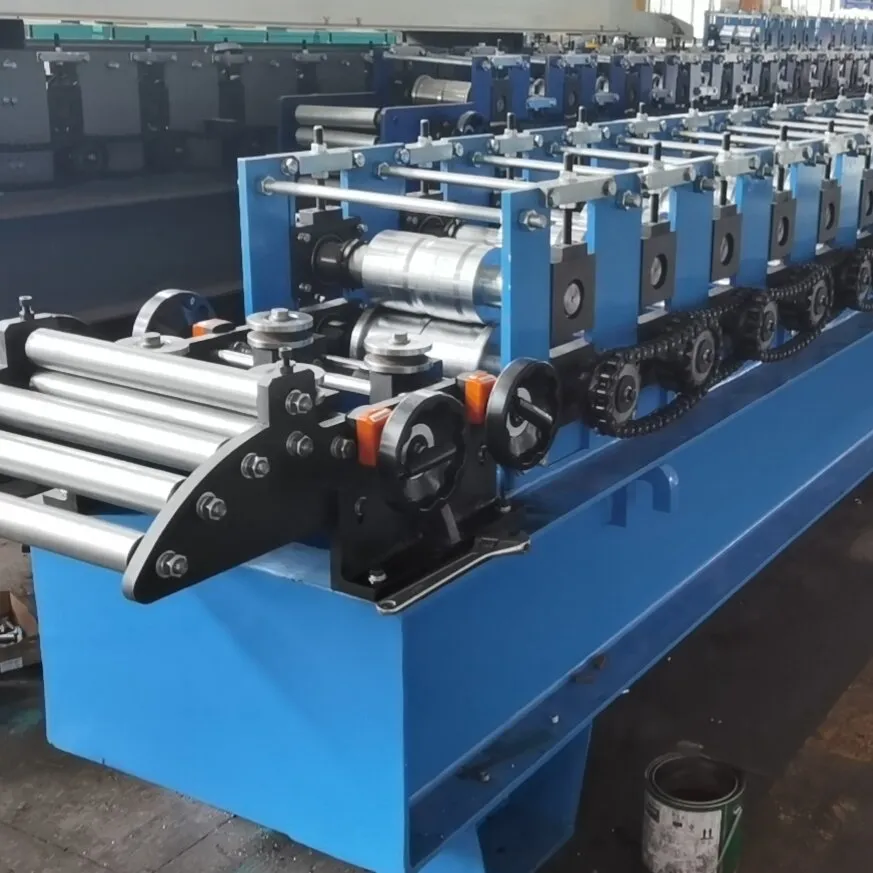
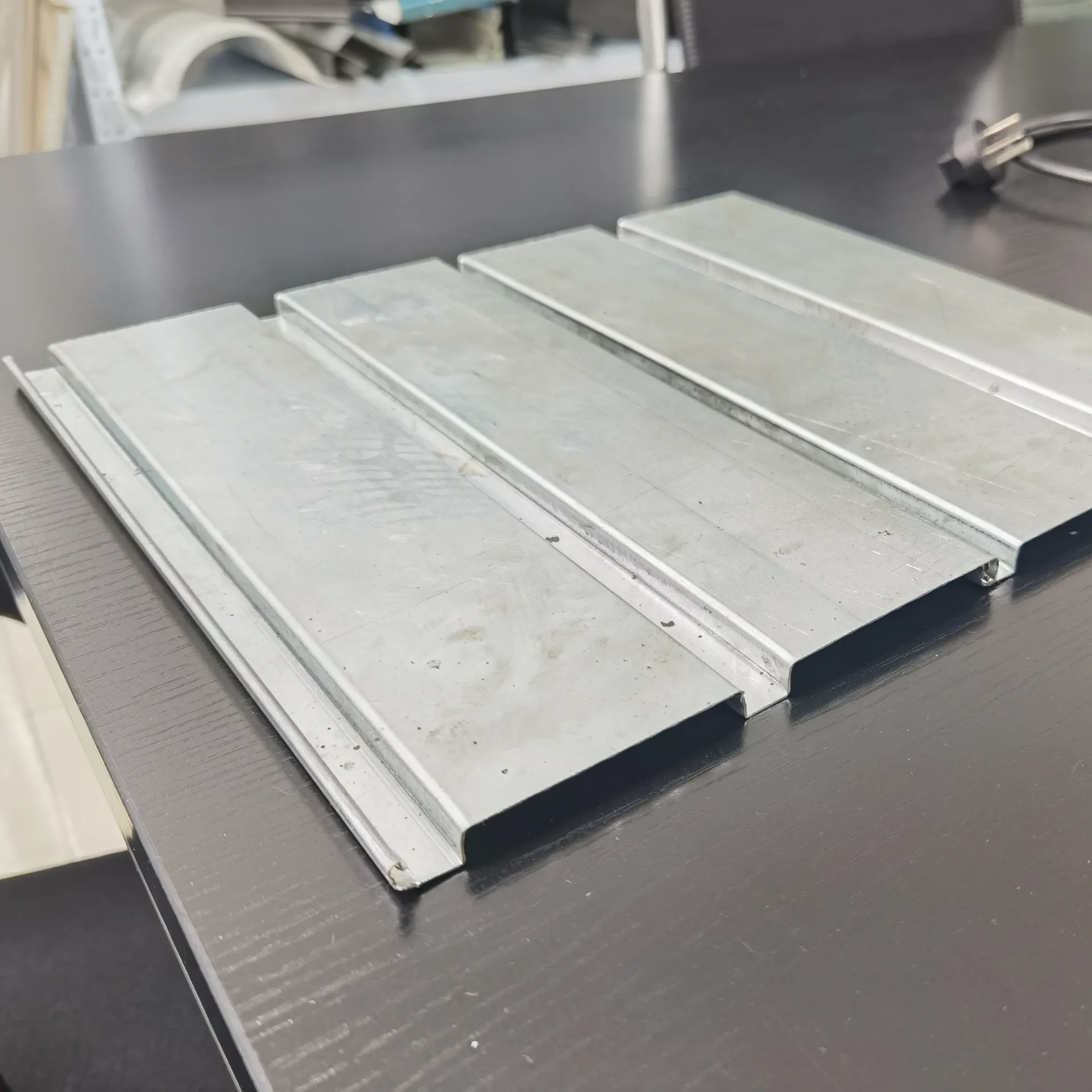
Precision engineering for complex profiles in metal roll forming.
Technical Specifications and Parameters
Understanding the technical parameters of a roof roll forming machine is crucial for making informed procurement decisions. These specifications directly impact the machine's capacity, precision, and suitability for various production requirements. Below is a representative table of key specifications that typical high-performance machines, such as the Gusset Plate Roll Forming Machine, often adhere to. These parameters are vital for engineers and procurement managers in assessing machine capabilities and ensuring compatibility with specific project demands.
| Parameter | Description | Typical Value/Range |
|---|---|---|
| Material Thickness Range | Acceptable gauges of steel/aluminum coil. | 0.3 - 1.2 mm (28 - 18 Gauge) |
| Forming Speed | Output speed of the formed profile. | 8 - 15 meters/minute (adjustable) |
| Number of Forming Stations | Sets of rollers to achieve the profile. | 14 - 20 (profile dependent) |
| Main Motor Power | Power of the primary drive motor. | 5.5 kW - 11 kW |
| Hydraulic System Power | Power for cutting and punching operations. | 4 kW - 7.5 kW |
| Shaft Material & Diameter | Material and dimension of roller shafts. | 45# Steel, φ75-90 mm |
| Roller Material & Hardness | Material and surface hardness of forming rollers. | GCr15 Steel, HRC58-62 |
| Cutting Blade Material | Material for the cutting mechanism. | Cr12Mov (SKD11 Equivalent) |
| Control System | Type of programmable logic controller. | PLC (e.g., Siemens, Panasonic) with Touch Screen HMI |
| Total Weight | Approximate weight of the complete line. | 5 - 10 Tons |
| Dimensions (L x W x H) | Footprint of the machine. | Approx. 8-12m x 1.5m x 1.5m |
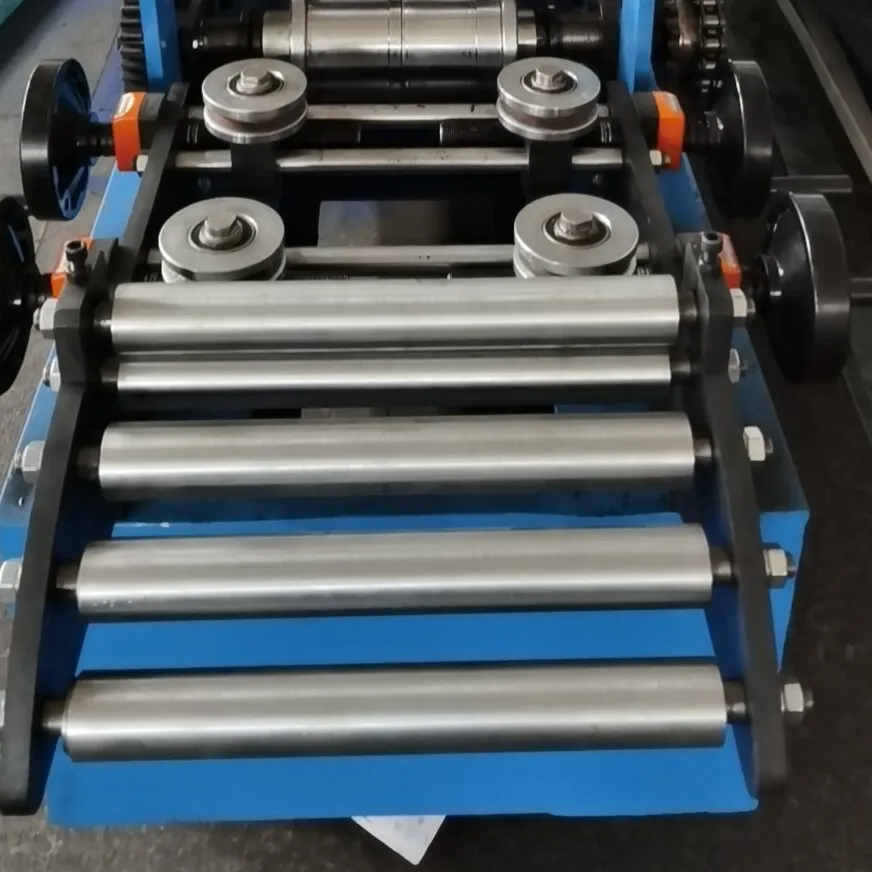
High-precision roller design for consistent profile formation.
Broad Application Scenarios
The versatility of a metal roofing roll former extends across numerous sectors, proving its value in creating highly functional and aesthetically pleasing metal profiles. Its core strength lies in producing continuous lengths of complex shapes with exceptional consistency.
- Architectural Roofing and Wall Cladding: From large-span industrial buildings and warehouses to elegant residential structures and commercial complexes, these machines produce corrugated, standing seam, trapezoidal, and tile-effect roofing panels. The precise interlocking profiles ensure superior weatherproofing and structural integrity.
- Structural Components: Purlins (C & Z section), girts, and decking profiles are critical for supporting roofs and floors in various building types. The high strength-to-weight ratio achieved through optimized roll-formed designs reduces material consumption and structural load.
- Agricultural Buildings: Durable and cost-effective metal roofing and siding solutions for barns, sheds, and livestock facilities. The ability to produce long panels minimizes seams, enhancing weather resistance.
- Transportation Infrastructure: Guardrails, crash barriers, and components for bridges and tunnels requiring robust and standardized metal profiles.
- Solar Panel Mounting Systems: Roll-formed profiles offer an efficient and scalable solution for constructing frameworks that support solar arrays, providing structural stability and corrosion resistance for outdoor applications.
- Custom Profiles: Beyond standard profiles, these machines are frequently used to create custom architectural elements, specialized industrial components, and unique profiles for niche applications, demonstrating their adaptability.
In a typical large-scale commercial building project, for example, a high-speed metal roll forming line can produce hundreds of linear meters of roof panels per hour, significantly accelerating project completion. The precision of each panel ensures minimal material waste and ease of installation, leading to substantial cost savings and superior end-product quality. For extreme weather environments, specially designed profiles offer enhanced wind uplift resistance and improved drainage, highlighting the engineered advantages.
Technical Advantages and Performance
The technical prowess of modern roof roll forming machine technology offers compelling advantages that translate into significant operational efficiencies and product quality improvements for B2B enterprises.
- Exceptional Precision and Consistency: Through finely tuned roller designs and advanced control systems (PLC with HMI), these machines maintain tight dimensional tolerances (often ±0.5mm for length, ±0.2mm for width) across thousands of meters of production. This consistency minimizes material waste and ensures ease of assembly.
- High Production Speed: With forming speeds ranging from 8 to 15 meters per minute, and even higher for specialized lines, throughput is maximized, enabling large-scale projects to be completed within aggressive timelines.
- Material Optimization: The roll forming process allows for the creation of complex cross-sections from a single strip of metal, often producing profiles with superior strength-to-weight ratios compared to other fabrication methods. This leads to reduced material usage and lower overall costs.
- Versatility and Profile Flexibility: Modern machines are often designed with quick-change tooling systems or multi-profile capabilities, allowing for rapid changeovers between different profiles, enhancing production flexibility and catering to diverse customer requirements.
- Durability and Longevity: Built with robust steel frames, high-grade treated rollers, and reliable hydraulic and electrical components, these machines are designed for continuous heavy-duty operation with minimal downtime, ensuring a long operational lifespan and high ROI.
- Reduced Labor Costs: High levels of automation, from coil feeding to automated cutting and stacking, significantly reduce the reliance on manual labor, leading to lower operational expenditures.
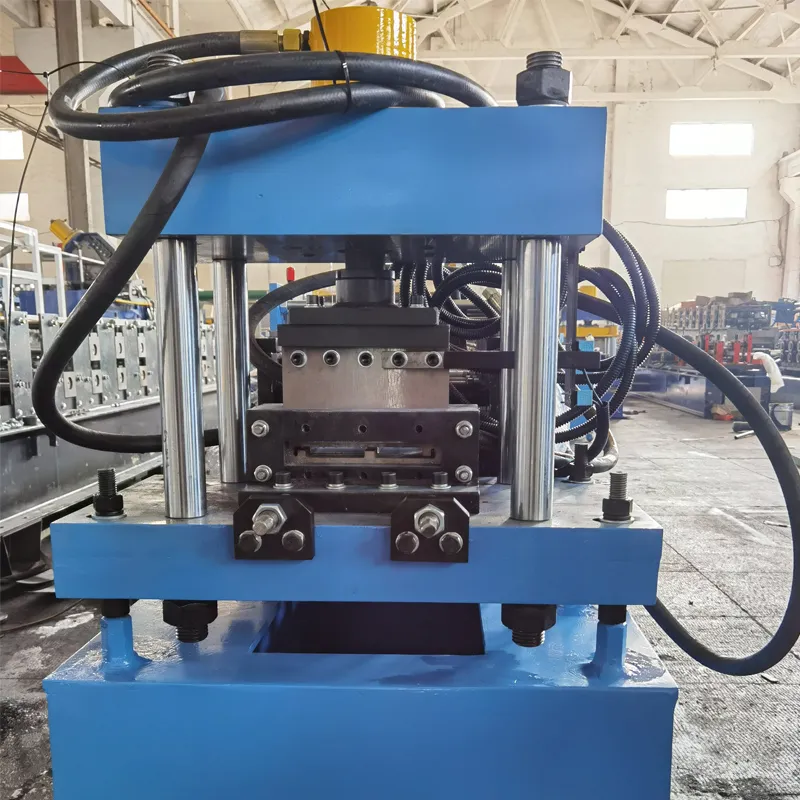
The robust structure of a metal roofing roll former for demanding operations.
Vendor Comparison and Selection Criteria
Selecting the right vendor for a metal roll forming machine is a strategic decision that impacts long-term operational success. A comprehensive evaluation goes beyond initial purchase price, considering factors like machine performance, customization options, after-sales support, and vendor reputation. Here's a comparative overview of typical vendor offerings:
| Feature/Criterion | High-Tier (Premium) Vendor | Mid-Tier (Standard) Vendor | Entry-Level (Budget) Vendor |
|---|---|---|---|
| Automation Level | Fully automated, integrated production lines with advanced robotics and smart sensors. | PLC control, automated cutting, semi-automatic coil loading/stacking. | Basic PLC, manual adjustments, simpler cutting mechanism. |
| Precision & Repeatability | Exceptional (±0.1-0.2mm), highly consistent over long runs. | Very good (±0.3-0.5mm), reliable for most industrial applications. | Acceptable (±0.5-1.0mm), suitable for less critical applications. |
| Customization Options | Extensive, including bespoke profile design, integrated punching, and multi-profile systems. | Moderate, offering standard modifications and common profile changes. | Limited, primarily standard profiles with minor adjustments. |
| Component Quality | Premium-grade international components (Siemens, Schneider, etc.) with superior metallurgy. | Reliable brand-name components, good quality steel for rollers. | Standard components, may vary in origin and quality. |
| After-Sales Support | Global network, 24/7 support, extensive spare parts, regular maintenance contracts. | Regional support, standard warranty, parts available within a reasonable timeframe. | Basic support, limited spare parts, primarily remote troubleshooting. |
| Lead Time | 12-20 weeks (due to customization and integration). | 8-14 weeks. | 4-8 weeks. |
| Price Range (Approx.) | $80,000 - $300,000+ | $40,000 - $80,000 | $15,000 - $40,000 |
When evaluating vendors, consider the long-term total cost of ownership (TCO) which includes maintenance, spare parts, and potential downtime, rather than just the initial purchase price. Certifications such as ISO 9001 and CE demonstrate a vendor's commitment to quality and safety standards.
Customized Solutions for Unique Requirements
The diverse needs of modern industries often extend beyond standard off-the-shelf equipment. Recognizing this, leading manufacturers of roof roll forming machine systems offer extensive customization options to precisely match unique production demands. This bespoke approach ensures optimal performance, material efficiency, and integration into existing production lines.
Customization can involve:
- Profile Design: Engineering custom roller dies for unique architectural profiles, structural components, or specialized industrial applications that are not commercially available. This can include varying rib heights, web widths, or custom interlocking features.
- Material Handling: Adapting the uncoiler and feeding system to accommodate coils of unusual width, weight, or material type (e.g., extremely thin gauges, high-strength alloys).
- Integrated Features: Incorporating additional inline processes such as punching, notching, embossing, or welding specific to the final product's requirements. For example, a Gusset Plate Roll Forming Machine might integrate specific hole punching for bolt connections.
- Speed and Throughput: Configuring machines for ultra-high-speed production for mass-market products or for slower, high-precision applications.
- Automation Levels: Tailoring the degree of automation from semi-automatic setups to fully integrated, lights-out production lines with advanced robotics and conveyor systems.
- Environmental Considerations: Designing systems with enhanced dust collection, noise reduction, or specific lubrication systems to meet stringent environmental or cleanroom standards.
Collaborating with experienced engineering teams allows clients to develop solutions that perfectly align with their operational goals, ensuring maximum efficiency and competitive advantage. Our company has a proven track record of over 15 years in delivering custom metal roofing roll former solutions, working closely with clients from initial concept to final commissioning, underscoring our authority and expertise in this specialized field.
Application Case Studies
Real-world applications highlight the transformative impact of advanced metal roll forming technology. These case studies demonstrate how customized solutions drive efficiency, precision, and economic benefits.
Case Study 1: Large-Scale Industrial Warehouse Roofing
A major logistics firm in the UAE required a high-performance roofing solution for a new 100,000 square meter distribution center. The challenge was to produce thousands of meters of wide-span trapezoidal roofing panels with specific wind uplift resistance features, under a tight construction schedule. We deployed a custom-engineered roof roll forming machine capable of processing 1.0mm thick pre-painted galvanized steel at 18 meters per minute. The machine featured an integrated flying shear for precise length cutting and an automated stacking system. The output panels were designed with enhanced stiffening ribs and a unique interlocking system. This solution enabled the client to complete the roofing phase 20% faster than traditional methods, with a material waste reduction of 5%, directly impacting their project budget positively and demonstrating superior on-site efficiency and material optimization.
Case Study 2: Architectural Facade Elements for a Commercial Complex
An architectural design firm in Germany sought to create a unique, undulating facade for a new commercial complex. This required custom aluminum profiles with complex curves and perforations. Our technical team designed a specialized metal roofing roll former with highly adaptable forming stations and an integrated CNC punching unit. The machine was capable of producing the precise curved profiles from 0.8mm anodized aluminum, with a tolerance of ±0.2mm on all critical dimensions. The integrated punching system created the intricate perforation patterns inline, eliminating secondary processing. The ability to produce these complex elements with such precision and efficiency allowed the architects to realize their vision without compromising structural integrity or exceeding budget, demonstrating the high level of technical expertise and flexibility offered by custom roll forming solutions.
Frequently Asked Questions (FAQ)
- Q: What is the typical lead time for a custom roof roll forming machine?
- A: Lead times vary depending on the complexity of the machine and the level of customization. For standard models, lead time is typically 8-12 weeks. For highly customized solutions, it can range from 16 to 24 weeks, allowing for design, engineering, component sourcing, manufacturing, testing, and pre-shipment inspection. Our project managers provide detailed timelines upon order confirmation.
- Q: What kind of warranty is offered on your roll forming machines?
- A: We offer a comprehensive 12-month warranty on all major mechanical and electrical components of our metal roofing roll former machines, effective from the date of commissioning or 18 months from shipment, whichever comes first. Extended warranty options and service contracts are also available to provide ongoing peace of mind. Consumable parts are excluded from this warranty.
- Q: How does your company provide after-sales support and maintenance?
- A: Our commitment extends beyond sales. We offer comprehensive after-sales support including remote technical assistance via phone/video, on-site installation and commissioning services, operator training, and readily available spare parts. We maintain a dedicated team of field service engineers globally. We also provide detailed maintenance schedules and troubleshooting guides to maximize machine uptime. For urgent issues, we aim to respond within 24 hours.
- Q: Can your machines handle different types of metal materials?
- A: Yes, our metal roll forming machines are designed to process a wide range of materials including galvanized steel, Galvalume, pre-painted steel, aluminum, stainless steel, and even copper, within specified thickness ranges. Our engineers can advise on optimal machine configurations and roller designs for specific material properties to ensure superior forming quality.
User-friendly HMI and control panel for efficient operation.
Conclusion
The roof roll forming machine stands as a testament to precision engineering and industrial efficiency, offering unparalleled capabilities for producing high-quality metal profiles. Its versatility, coupled with advanced automation and customization options, makes it an indispensable asset across various industries, from construction and infrastructure to automotive and agriculture. By understanding the intricate process flow, detailed technical specifications, and the robust support systems available, B2B decision-makers can confidently invest in solutions that drive productivity, ensure quality, and deliver long-term value. Our commitment to expertise, experience, authoritativeness, and trustworthiness ensures that every machine delivered meets the highest global standards, empowering our clients to achieve their manufacturing excellence goals.
References
- 1. Grand View Research. "Metal Roofing Market Size, Share & Trends Analysis Report." Grand View Research, Inc. Accessed [Date of Access].
- 2. European Committee for Standardization (CEN). "EN 10162: Cold rolled steel sections - Technical delivery conditions - General." Standards. CEN, Brussels.
- 3. Roll Forming Institute (RFI). "Roll Forming: Technology and Applications." Roll Forming Institute, Ohio.
- 4. American Iron and Steel Institute (AISI). "Standard for Cold-Formed Steel Framing - General Provisions." AISI.