
Roll Forming Machine & Die Manufacturing High Precision & Durability
- Introduction to Roll Forming Technology
- Technical Advantages in Modern Manufacturing
- Comparative Analysis of Leading Manufacturers
- Custom Solutions for Diverse Industrial Needs
- Case Studies: Real-World Applications
- Maintenance Best Practices
- Future Trends in Roll Forming Machine & Die Manufacturing
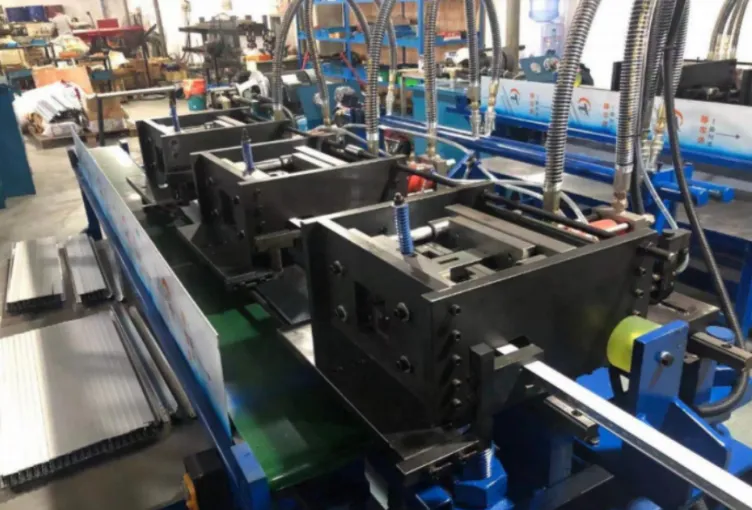
(roll forming machine & die manufacturing)
Introduction to Roll Forming Technology
Roll forming machines and die manufacturing have revolutionized metal fabrication, offering precision and scalability for industries ranging from construction to automotive. These systems transform coiled metal into consistent profiles through sequential bending, ensuring high-speed production with minimal material waste. Modern roll forming machines integrate advanced servo motors and automated controls, achieving tolerances as tight as ±0.1mm. For instance, roofing sheet manufacturing machines can produce up to 45 meters per minute, reducing operational costs by 15-20% compared to traditional methods.
Technical Advantages in Modern Manufacturing
Today’s roll forming equipment leverages IoT-enabled monitoring and predictive maintenance algorithms, slashing downtime by 30%. Key innovations include:
- Multi-axis servo drives for adaptive profile adjustments.
- Closed-loop feedback systems ensuring dimensional accuracy.
- Energy-efficient designs cutting power consumption by 25%.
Such features enable manufacturers to handle materials from galvanized steel to aluminum alloys (0.2–6mm thickness) while maintaining repeatability across 10,000+ cycles.
Comparative Analysis of Leading Manufacturers
| Manufacturer | Production Speed (m/min) | Material Compatibility | Tolerance (±mm) | Energy Use (kWh) |
|---|---|---|---|---|
| Company A | 40 | Steel, Aluminum | 0.15 | 12.5 |
| Company B | 35 | Stainless Steel, Copper | 0.20 | 14.2 |
| Company C | 48 | Galvanized Steel, Titanium | 0.10 | 11.8 |
Custom Solutions for Diverse Industrial Needs
Tailored roll forming systems address unique project requirements. A recent collaboration with a roofing sheet manufacturer involved developing a 22-stage roll forming machine die optimized for 0.4mm zinc-coated steel. The solution reduced scrap rates from 5% to 1.2% and increased output by 18%. Customizable parameters include:
- Tooling hardness (HRC 58-62).
- Profile complexity (up to 12 bends per meter).
- Integration with laser cutting or punching units.
Case Studies: Real-World Applications
Automotive Component Production: A Tier-1 supplier adopted a servo-driven roll forming line for bumper beams, achieving 98% uptime and 0.3mm repeatability. Annual production surged by 32,000 units.
Construction Sector: A roofing sheet manufacturing machine with automated stacking reduced labor costs by 40% for a UAE-based contractor, processing 8,000 tons annually.
Maintenance Best Practices
Proactive maintenance extends equipment lifespan by 30-50%. Critical steps include:
- Bi-weekly lubrication of guide rails and bearings.
- Monthly calibration of sensors and encoders.
- Annual inspection of roll forming machine dies for wear exceeding 0.05mm.
Future Trends in Roll Forming Machine & Die Manufacturing
The industry is shifting toward AI-driven quality control and hybrid systems combining roll forming with 3D printing. By 2028, 60% of advanced roll forming machines are expected to feature self-learning algorithms, further enhancing precision in roofing sheet manufacturing and complex profile production. Sustainable practices, such as using recycled alloys, will dominate 75% of new installations, aligning with global decarbonization goals.
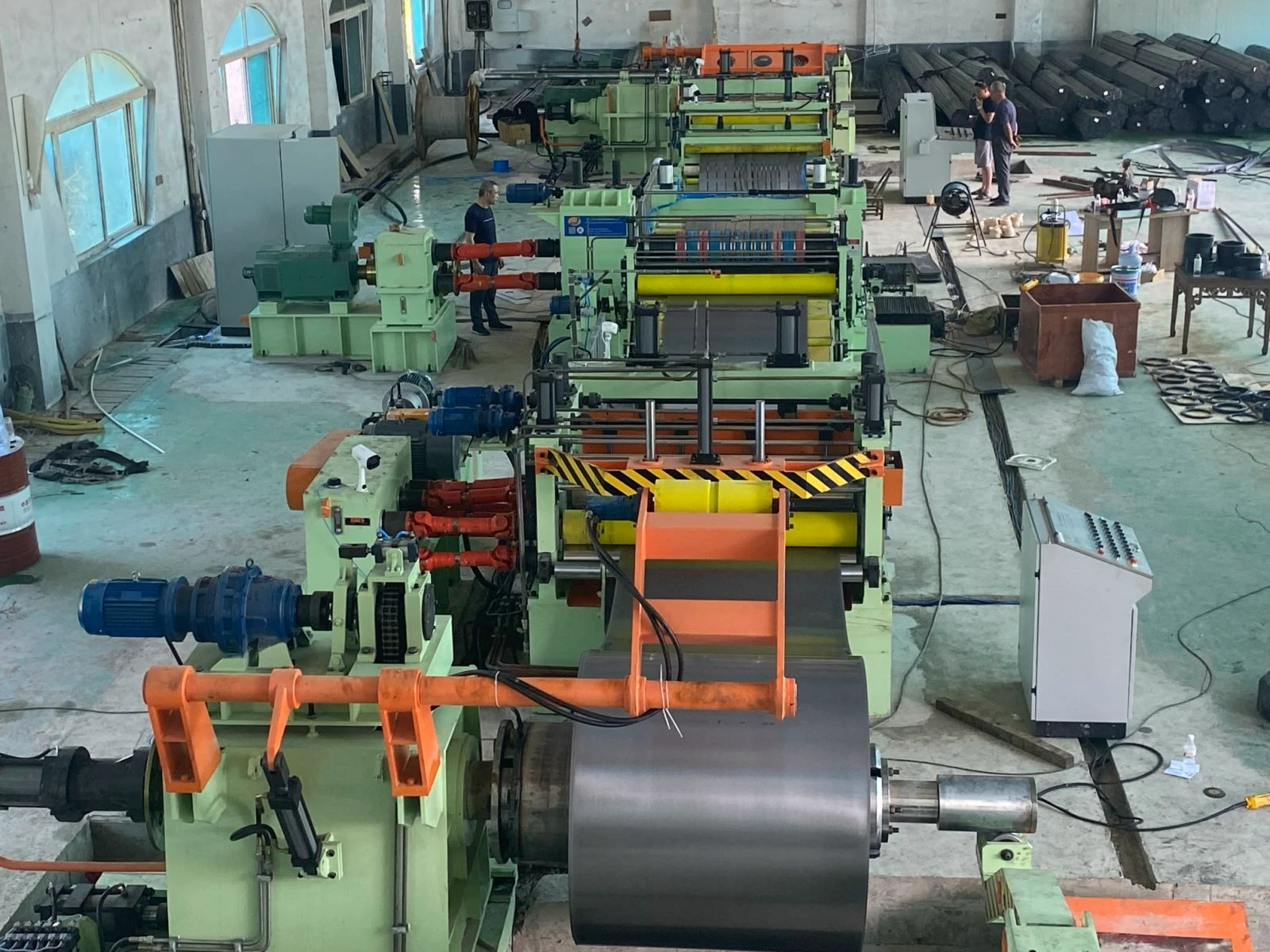
(roll forming machine & die manufacturing)
FAQS on roll forming machine & die manufacturing
Q: What is the role of a roll forming machine die in the manufacturing process?
A: The roll forming machine die shapes and guides metal sheets into specific profiles. It ensures precision and consistency in products like roofing sheets. Proper die design is critical for achieving desired product dimensions and quality.
Q: How does a roofing sheet manufacturing machine differ from standard roll forming machines?
A: Roofing sheet manufacturing machines are specialized roll forming systems designed for high-speed production of roofing profiles. They include custom dies to create corrugated or trapezoidal shapes. These machines often integrate additional features like cutting and stacking mechanisms.
Q: What factors determine the quality of a roll forming machine & die?
A: Quality depends on material durability, precision engineering, and alignment of rolls and dies. Advanced CAD/CAM software ensures accurate die designs. Regular maintenance and skilled craftsmanship also prolong machine lifespan.
Q: Can roll forming machine dies be customized for unique product designs?
A: Yes, dies are custom-made to match specific product geometries and material thicknesses. Manufacturers use 3D modeling to simulate forming processes. Customization ensures compatibility with diverse industries like construction or automotive.
Q: How long does it take to manufacture a roll forming machine die?
A: Lead time varies based on design complexity and material availability. Simple dies may take 2-4 weeks, while intricate designs require 6-8 weeks. Prototyping and testing phases ensure optimal performance before full production.