
Roll Forming Machine Manufacturers | Custom, Durable, Fast
Roll Forming Machine Manufacturers: a field guide from the shop floor
If you spend enough time around coil lines, you start to notice small things—the hum of a gearbox at steady load, the way a guider eases a strip onto the first pass. That’s where the real story of roof sheet production lives. And yes, when people talk about Roll Forming Machine Manufacturers, they often miss what matters in daily production: uptime, cut accuracy, after-sales support, and how forgiving the mill is with “less than perfect” steel.
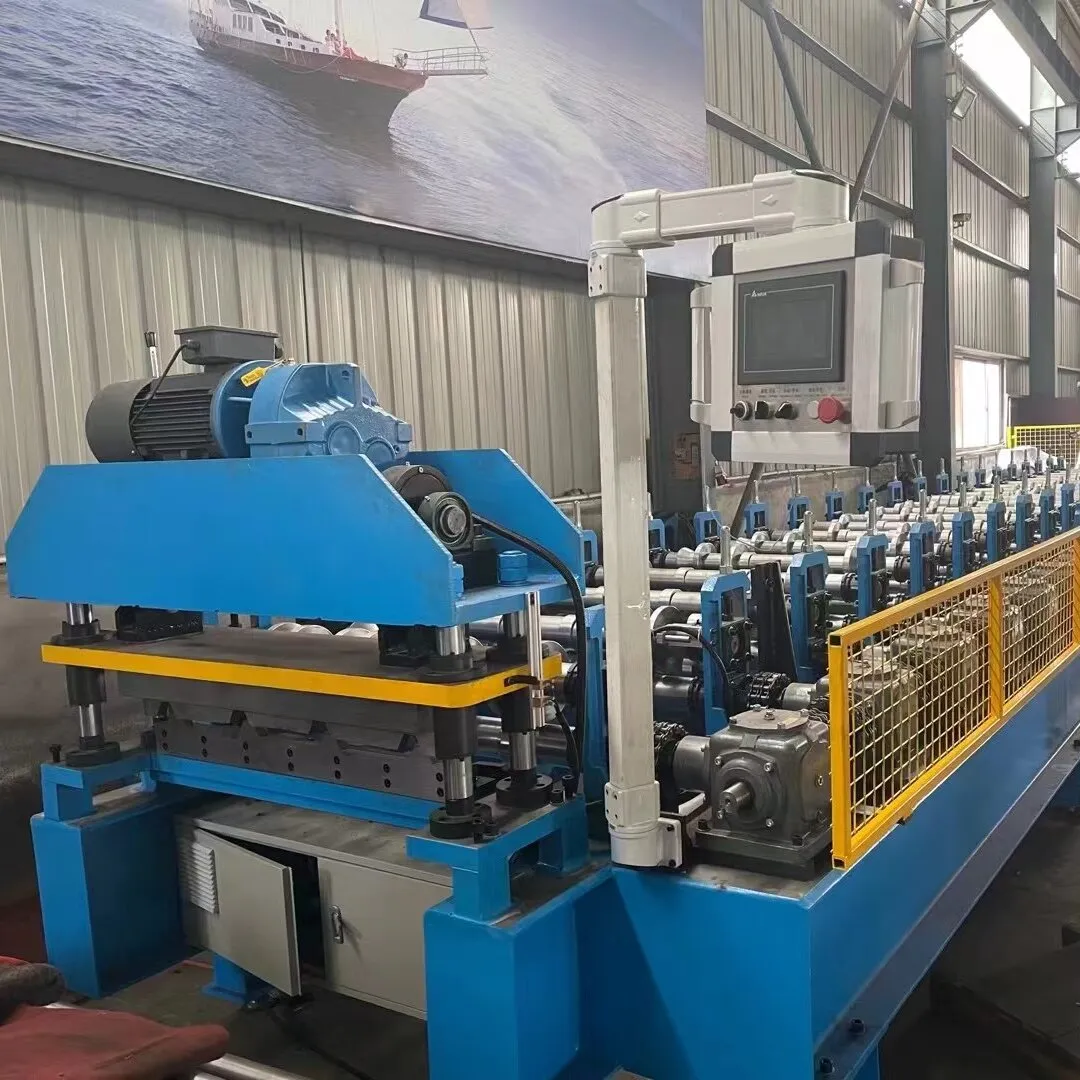
Market pulse and why gearboxes are back in style
There’s a clear drift toward gearbox-driven lines—better torque control, smoother acceleration, and frankly, fewer chain stretch headaches. Add PLC touchscreens, recipe libraries, and remote diagnostics, and you’ve got a mill that runs lean. Sustainability is creeping in too: energy-efficient motors, dry lubes where feasible, and coil traceability. Many customers say predictive maintenance has saved them a week or more per year. Not nothing.
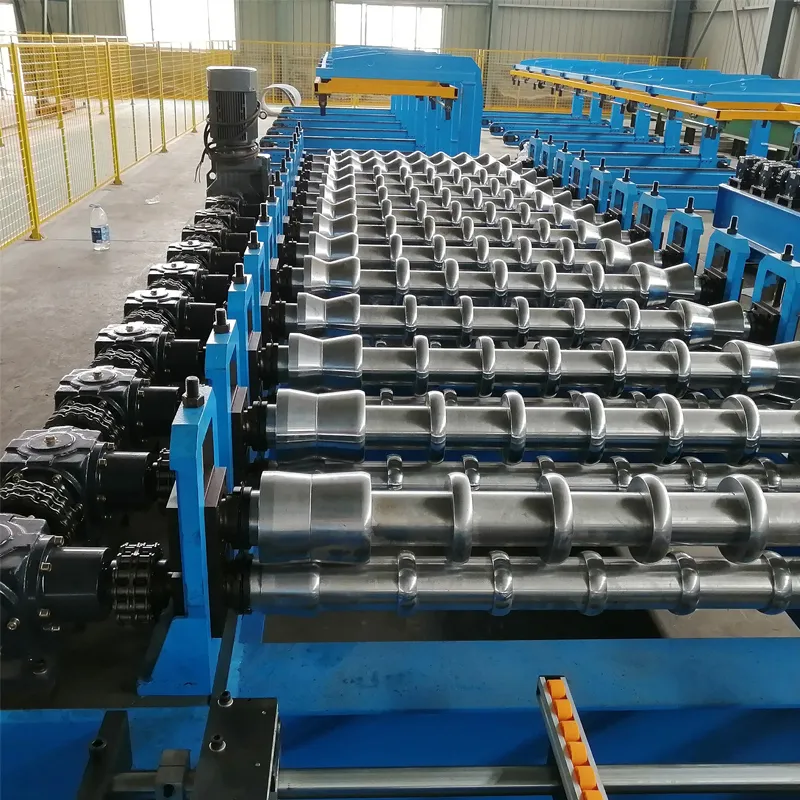
Product spotlight: Roof Sheet Roll Forming Machine With Gear Box
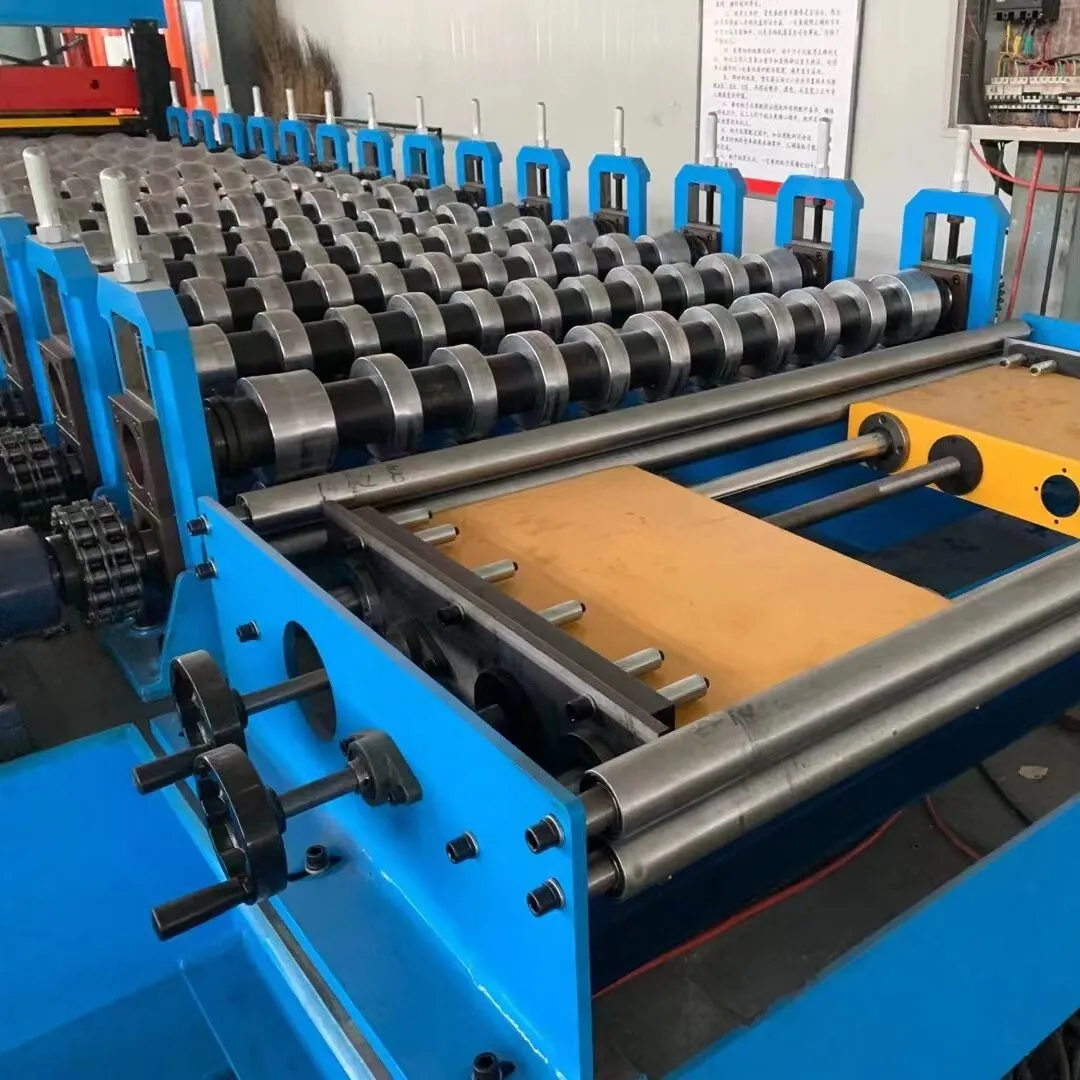
Origin: Room 5019, Beichen Square, No.19 Shifang Road, Chang'an District, Shijiazhuang, China. This roof sheet line shapes galvanized or pre-painted coils into consistent profiles using staged rollers; the gearbox delivers the torque and speed control that keeps rib heights honest and edge wave minimal.
Typical process flow
- Decoiling (manual or hydraulic) → strip guiding → leveling
- Roll forming through ≈14–18 stations (real-world may vary by profile)
- Gearbox-driven main drive, synchronized with encoder feedback
- Hydraulic or flying shear cutting → runout table → manual or powered stack
- QC: profile gauge check, length tolerance, surface inspection
| Spec (≈ real-world) | Roof Sheet Roll Forming Machine With Gear Box |
|---|---|
| Material | GI/PPGI (ASTM A653, EN 10169) |
| Thickness | 0.3–0.8 mm (some profiles up to 1.0 mm) |
| Effective width | 650–1,050 mm (profile-dependent) |
| Speed | 12–18 m/min (cut-to-length may reduce) |
| Stations | ≈14–18 stands |
| Drive | Gearbox with chain/shaft coupling as required |
| Cut accuracy | ±0.5 mm/2 m (with encoder) |
| Control | PLC + HMI, recipe memory, length batching |
| Service life | 8–15 years with routine maintenance |
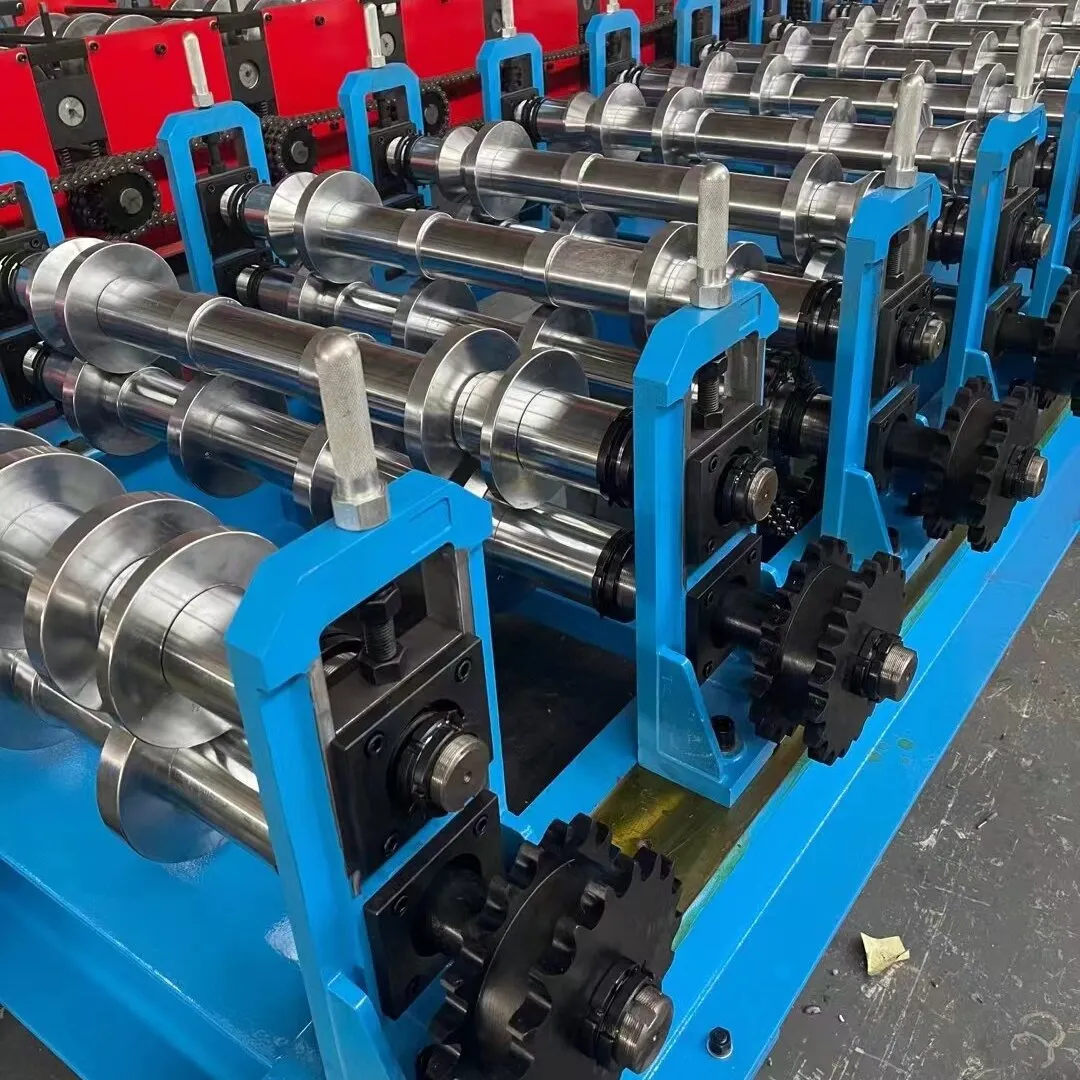
Applications and testing
Used across warehouses, agro barns, coastal cladding, and quick-build housing. Incoming coil checks usually follow ASTM A653/EN 10169; tensile per ISO 6892-1; electrical safety to IEC 60204-1; risk assessment to ISO 12100. A typical factory acceptance test includes 2-hour continuous run, length tolerance audit (target ±0.5 mm), and profile gauge fit-up with sample panels. In the field, customers report steady ribs and minimal oil canning when coil crown is reasonable.
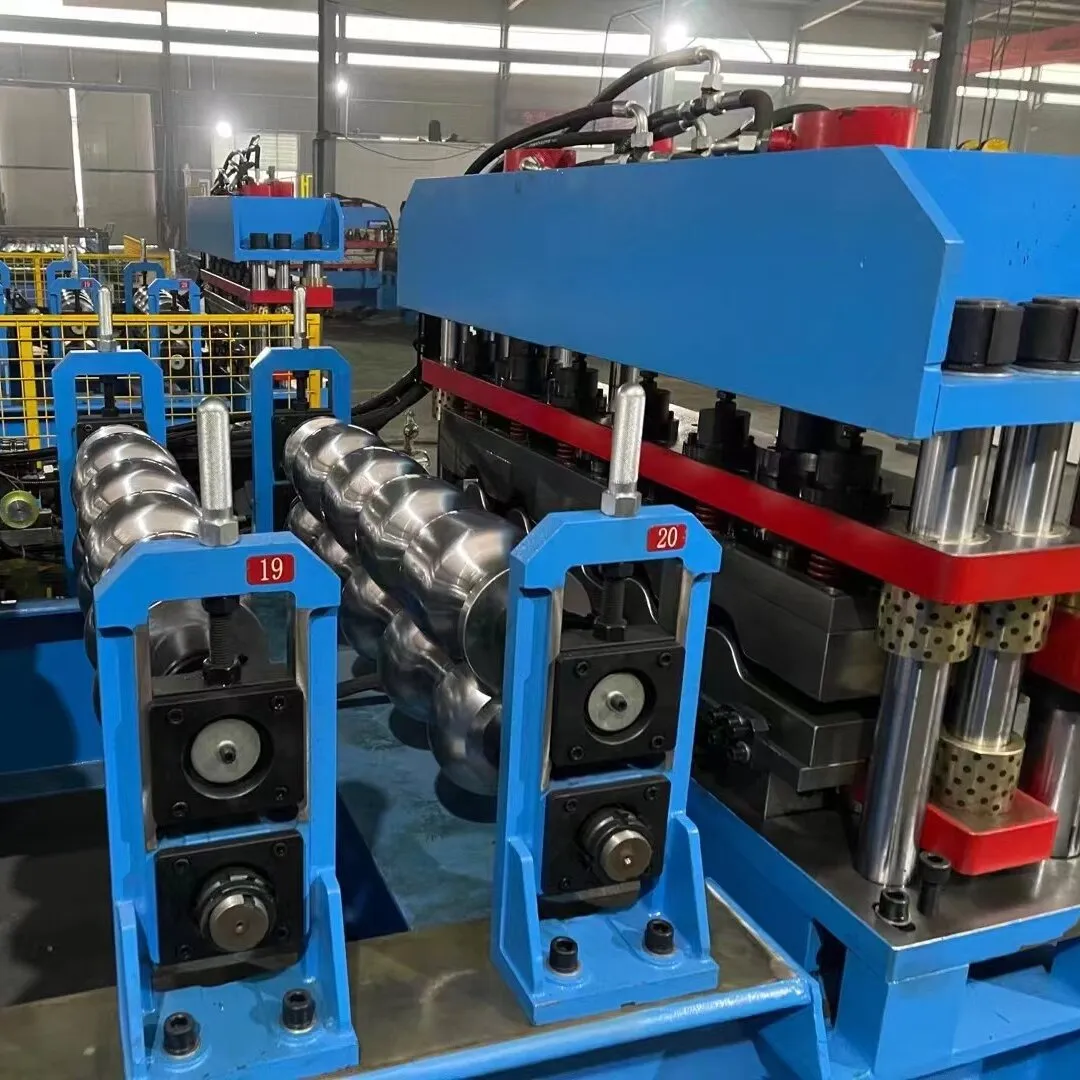
Choosing among Roll Forming Machine Manufacturers
| Vendor | Drive | Thickness range | Speed | Service/Lead time | Certs |
|---|---|---|---|---|---|
| YOWIN (Shijiazhuang) | Gearbox | 0.3–0.8 mm | 12–18 m/min | Local + remote; ≈45–60 days | ISO 9001, CE |
| Vendor B (Budget) | Chain | 0.3–0.6 mm | 10–12 m/min | Email-only; ≈60–75 days | Basic CE |
| Vendor C (High-End) | Gearbox + servo | 0.35–1.0 mm | 18–25 m/min | Onsite global; ≈75–90 days | ISO 9001, CE, safety PL-d |
Customization that actually helps
- Profile design tweaks (pitch, rib depth, anti-capillary grooves)
- Stations add/remove, embossing rollers, pre-punching for screws
- Flying shear vs. hydraulic cut; auto stacking; coil car and hydraulic decoiler
- HMI language packs; QR-based recipe recall; remote diagnostics
Case note (real-world pace)
A mid-size roofer in Southeast Asia switched to a gearbox line. Result: scrap trimmed by ≈1.1%, average throughput 14.6 m/min, length deviation tightened to ±0.6 mm over 3,000 m batches. The surprise? Operators liked the calmer acceleration curve—less panic on emergency stops.
Bottom line: pick the line that fits your coil quality, profile mix, and service plan. The rest—well, it’s mainly good housekeeping and fresh blades.
References
- ASTM A653/A653M – Standard Specification for Steel Sheet, Zinc-Coated (Galvanized)
- EN 10169 – Continuously organic coated steel flat products
- ISO 6892-1 – Metallic materials — Tensile testing
- ISO 12100 – Safety of machinery — Risk assessment
- IEC 60204-1 – Safety of machinery — Electrical equipment
- ISO 9001 – Quality management systems