
Advanced Roofing Sheet Manufacturing Machine Solutions for Efficient Production
Roofing Sheet Manufacturing Machine: A Comprehensive Guide
The demand for high-quality roofing sheets is consistently growing globally, driven by construction and infrastructure developments. A reliable roofing sheet manufacturing machine is crucial for businesses aiming to meet this demand efficiently and profitably. This article provides an in-depth overview of these machines, covering types, features, applications, and factors to consider when making a purchase. Understanding the nuances of this equipment empowers manufacturers to optimize production processes and deliver superior products. Choosing the right machine is a strategic investment for any roofing material business.
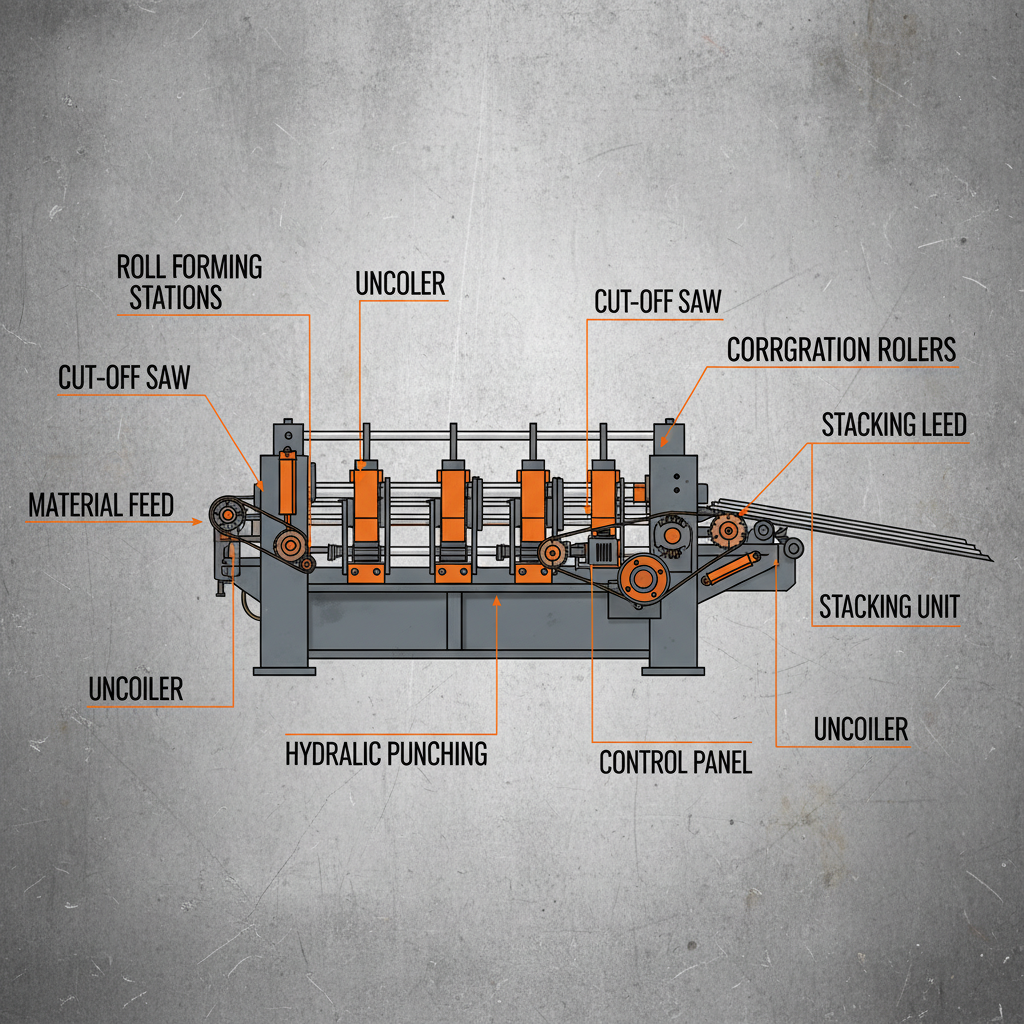
Understanding Roofing Sheet Manufacturing Machines
A roofing sheet manufacturing machine automates the process of creating various types of roofing sheets from raw materials like galvanized steel, galvalume steel, and colored steel coils. These machines typically involve several stages, including coil loading, forming, cutting, and stacking. Different machines cater to different roofing sheet profiles like corrugated sheets, trapezoidal sheets, glazed tile sheets, and sandwich panels. Modern machines incorporate advanced control systems for precise shaping and cutting, minimizing waste and ensuring consistent product quality. Selecting the right machine depends on the desired output capacity, the types of roofing sheets you intend to produce, and your budget. You can explore various options at Yowin Machine's website to find a model tailored to your needs.
Key Benefits: Automated production, consistent quality, reduced labor costs, increased efficiency, versatile product range.
Types of Roofing Sheet Manufacturing Machines
There’s a wide range of machines available, each designed for specific roofing sheet types. The most common include:
- Roll Forming Machines: These are versatile and widely used for producing corrugated, trapezoidal, and glazed tile sheets.
- Sandwich Panel Production Lines: These machines create insulated panels used for roofing and wall cladding.
- Glazed Tile Roofing Machines: Designed specifically for producing glazed tile roofing sheets.
- Double Corrugated Roofing Machine: Creates double corrugated sheets, known for their added strength and durability.
Choosing the right type hinges on your target market and the roofing sheets you want to specialize in. Consider future scalability and potential for diversifying your product range when making your decision.
Key Considerations When Choosing:
• Sheet profile types required.
• Production capacity.
• Level of automation.
• Material thickness compatibility.
Roofing Sheet Manufacturing Machine Comparison
Selecting the ideal machine involves comparing different models based on key features. Here's a comparison of some popular options:
Factors to Consider When Purchasing
Before investing in a roofing sheet manufacturing machine, evaluate several key factors. Firstly, assess your production requirements. Determine the types of sheets you need to produce, the desired output volume, and the required material thickness. Secondly, consider the level of automation you need. Fully automated lines require less manual labor but come with a higher upfront cost. Thirdly, examine the machine's build quality, durability, and after-sales support. Finally, compare pricing from different suppliers and consider the total cost of ownership, including maintenance and spare parts.
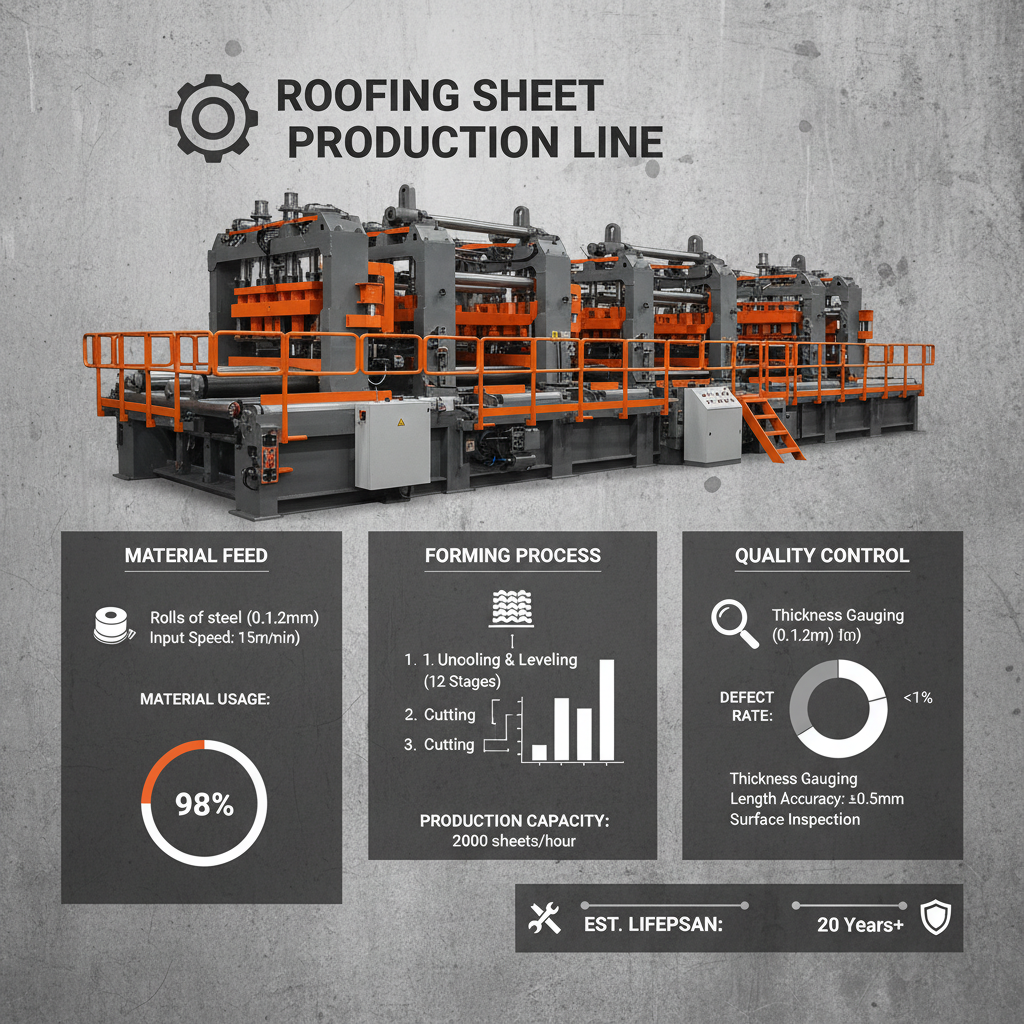
Conclusion: Investing in a Reliable Roofing Sheet Machine
Choosing the right roofing sheet manufacturing machine is a critical investment for any business in the construction material industry. By carefully considering your production needs, automation levels, and supplier reputation, you can secure a machine that delivers efficiency, quality, and profitability. Yowin Machine offers a comprehensive range of solutions tailored to diverse manufacturing requirements.
Investing in high-quality equipment like the machines offered by Yowin Machine is a step towards long-term success and market leadership.
Frequently Asked Questions (FAQs)
What is the typical lead time for a roofing sheet manufacturing machine?
The lead time for a roofing sheet manufacturing machine can vary depending on the complexity of the machine, customization requirements, and the supplier's production schedule. Generally, it ranges from 30 to 90 days. It's essential to discuss lead times with the supplier upfront and factor it into your project planning. Yowin Machine strives to offer competitive lead times without compromising on quality, and detailed timelines are provided during the quotation process.
What kind of after-sales support does Yowin Machine provide?
Yowin Machine offers comprehensive after-sales support, including machine installation, operator training, technical assistance, and spare parts supply. Our team of experienced engineers is available to provide remote support or on-site assistance if needed. We also offer preventative maintenance programs to ensure your machine operates at peak performance for years to come. Detailed instruction manuals and troubleshooting guides are provided with each machine.
What materials can be used with these machines?
Our roofing sheet manufacturing machines are designed to handle a wide range of materials, including galvanized steel, galvalume steel, pre-painted steel (PPGI), and aluminum. The machine's rollers and cutting tools are carefully selected to ensure optimal performance with these materials. The specific material compatibility will depend on the machine model and the material's thickness and gauge. We can advise on the best materials for your specific application.