
Top Roof Sheet Roll Forming Machine Manufacturers for Business
Choosing the Best Roof Sheet Roll Forming Machine Manufacturers for Your Business
In the competitive landscape of modern construction, the efficiency of producing high-quality roofing materials depends heavily on the machinery used. Partnering with experienced roof sheet roll forming machine manufacturers is essential for ensuring precision, durability, and high production output. Whether you are scaling up an industrial plant or starting a specialized roofing business, the right equipment can significantly reduce waste and lower labor costs. This guide explores how to identify a top-tier manufacturer and what technical specifications you should prioritize to maximize your return on investment.
The Role of Advanced Engineering in Roll Forming
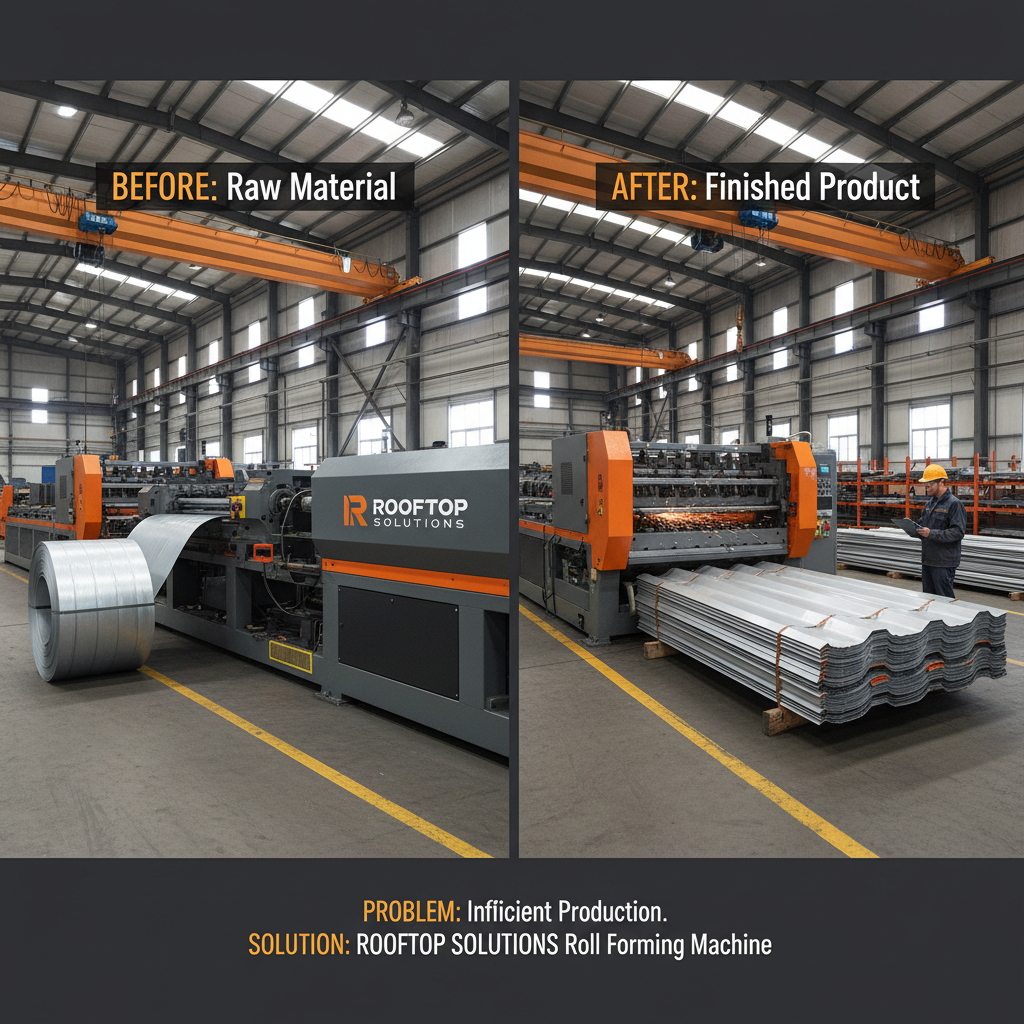
Modern roll forming is not just about bending metal; it is a complex process of gradual deformation. Leading roof sheet roll forming machine manufacturers utilize CAD/CAM software to design rollers that prevent material stress and ensure a flawless finish. By utilizing high-strength alloys for rollers and precision-ground surfaces, these machines can produce consistent profiles across thousands of meters of steel. This engineering precision ensures that every roof sheet fits perfectly during installation, eliminating the need for onsite corrections and reducing material scrap.
Industry Insight: High-precision roller alignment can increase the production speed of a roll forming line by up to 20% while maintaining strict tolerance levels within ±0.5mm.
Key Criteria for Selecting Roof Sheet Roll Forming Machine Manufacturers
Not all manufacturers offer the same level of quality or support. When evaluating potential partners, it is crucial to look beyond the initial price tag. A reputable manufacturer should provide comprehensive after-sales service, including installation guidance and operator training. Furthermore, the ability to customize the machine to specific regional profiles (such as corrugated, IBR, or standing seam) is a hallmark of a versatile producer. By choosing professional roof sheet roll forming machine manufacturers, you ensure that your equipment is built to withstand 24/7 industrial operations without frequent breakdowns.
Technical Specifications Comparison: Standard vs. Premium Machines
Understanding the difference between a basic machine and a premium industrial line is key to making an informed purchase. Premium machines typically feature PLC automated control systems and higher-grade steel for the chassis. Below is a detailed specification table comparing the capabilities offered by top-tier roof sheet roll forming machine manufacturers against entry-level options.
Optimizing Production Efficiency with Modern Automation
Automation is the primary driver of growth for those utilizing services from top roof sheet roll forming machine manufacturers. The integration of hydraulic cutting systems and automatic length measurement allows a single operator to manage the entire production line. This not only increases the speed of output but also minimizes human error in measurement. Furthermore, the use of variable frequency drives (VFD) allows for smooth acceleration and deceleration, reducing the mechanical wear and tear on the machine's drivetrain.
Maintenance Tips for Long-Term Machinery Performance
To ensure your investment lasts for decades, consistent maintenance is non-negotiable. Most professional roof sheet roll forming machine manufacturers recommend a strict lubrication schedule for all bearings and gears. Checking for roller wear and realigning the guides every few months prevents the "wandering" of the sheet, which can lead to crooked edges. Additionally, ensuring that the electrical panels are kept clean and dust-free prevents short circuits in high-temperature industrial environments.
Sustainability and Material Waste Reduction
In an era of rising raw material costs, reducing scrap is a priority. High-end roof sheet roll forming machine manufacturers design their machines with "zero-waste" cutting technology. By utilizing precision encoders, the machine can calculate the exact cut point to minimize the end-piece scrap. Moreover, the ability to process various gauges of steel and aluminum allows businesses to pivot quickly to more sustainable or cost-effective materials without needing to replace their entire equipment line.
Conclusion: Partnering for Industrial Success
Selecting the right roof sheet roll forming machine manufacturers is a strategic decision that impacts your production capacity, product quality, and long-term profitability. By focusing on engineering precision, automation, and robust after-sales support, you can secure a competitive edge in the construction materials market. Investing in premium machinery today means fewer repairs tomorrow and a consistently superior product for your clients.
Frequently Asked Questions (FAQs)
How do I choose the right gauge for my roll forming machine?
Choosing the right gauge depends on the intended application of the roof sheet. Heavier gauges provide more structural strength for industrial warehouses, while thinner gauges are often used for residential projects. When discussing requirements with roof sheet roll forming machine manufacturers, specify the maximum and minimum thickness you plan to process. A machine designed for 0.3mm to 0.8mm steel will not be able to handle 2.0mm plates without risking damage to the rollers or the motor.
Can one machine produce different types of roof profiles?
Generally, a roll forming machine is built for a specific profile because the rollers are custom-machined to that shape. However, some advanced manufacturers offer "interchangeable roller sets," which allow you to switch profiles by replacing the rollers. While this is more expensive than a single-purpose machine, it provides immense flexibility. Most businesses prefer dedicated machines for high-volume profiles to ensure maximum speed and precision without the downtime associated with switching rollers.
What is the average lead time for a custom roll forming machine?
Lead times vary depending on the complexity of the profile and the manufacturer's current order volume. Typically, a custom-engineered machine from reputable roof sheet roll forming machine manufacturers takes between 30 to 60 days. This includes the design phase, precision machining of the rollers, assembly, and rigorous factory acceptance testing (FAT) to ensure the machine meets all specified tolerances before it is shipped to your facility.
Does the machine require a specialized power supply?
Most industrial roll forming machines require three-phase electrical power due to the high torque needed by the main drive motors. Depending on your country, this is typically 380V or 440V. Top manufacturers provide custom electrical panels that match your local voltage and frequency requirements. It is highly recommended to have a certified industrial electrician install the machine to ensure proper grounding and surge protection, which protects the sensitive PLC electronics from power spikes.