
Angle forming machine: high-precision, fast, durable—why us?
What I Learned Visiting a Modern angle forming machine line in North China
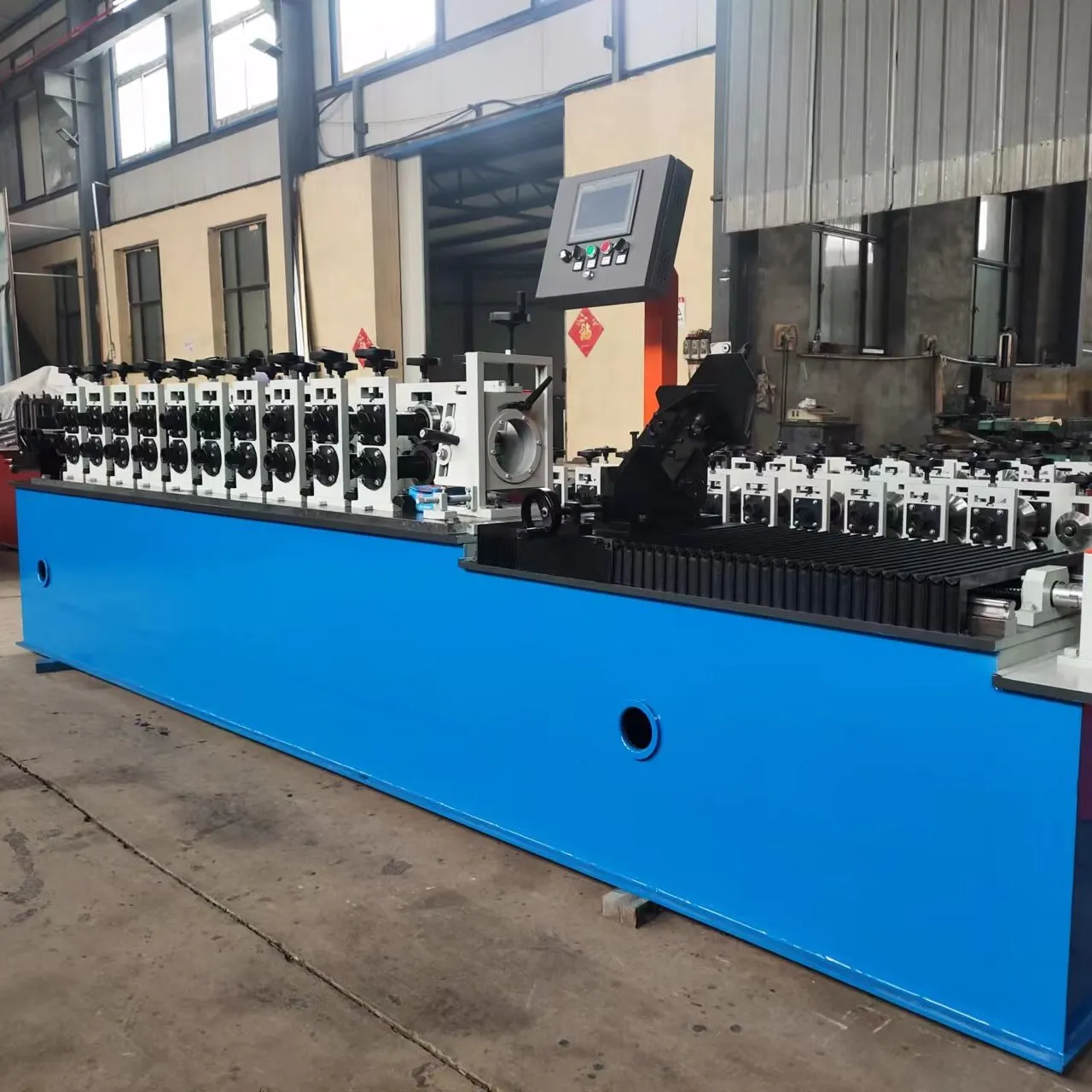
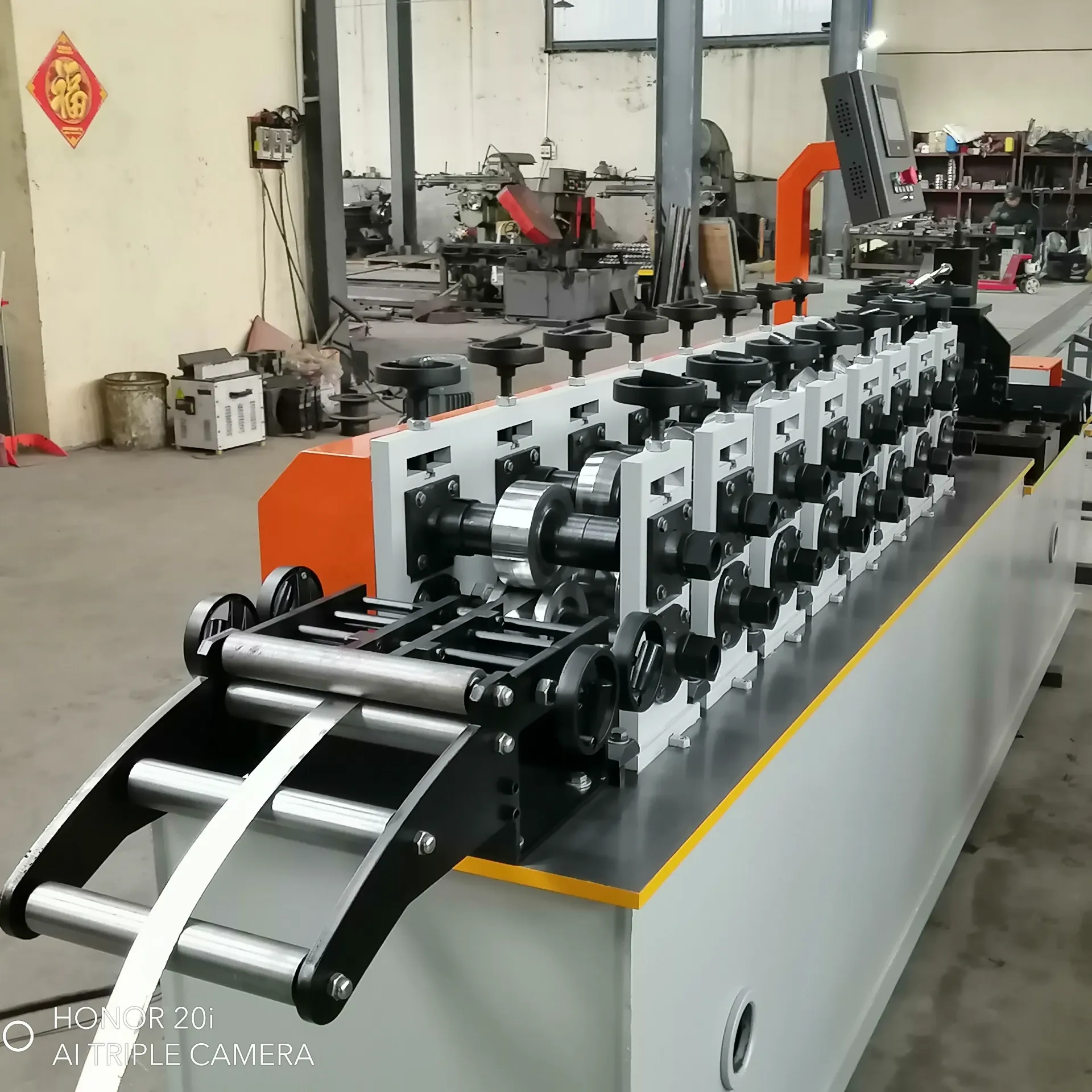
Last month I dropped by Yowin’s workshop in Room 5019, Beichen Square, No.19 Shifang Road, Chang'an District, Shijiazhuang, China. Not a grand tour, just a journalist’s peek. The crew was running their Angle Light Keel Roll Forming Machine, and, to be honest, it reminded me why light-gauge steel still wins in interior framing: consistent angles, low scrap, and a pace that would make a saw operator blush.
Quick context: trends you can’t ignore
Two currents are shaping purchases right now: first, builders are pushing for faster profile changeovers and less downtime; second, QA teams want traceable runs that match ASTM/EN coil specs without post-processing drama. Many customers say they’ll accept a tad higher capex if the angle forming machine gives stable output with servo cutting and clean end-flanges that pass site inspections the first time.
Product snapshot: Angle Light Keel Roll Forming Machine
| Matching material | Galvanized (ASTM A653) or PPGI (EN 10169) |
| Thickness range | 0.55–0.75 mm |
| Forming speed | 0–40 m/min (real-world ≈ 35–40 m/min) |
| Main power / Hydraulics | Listed 0 kW main; hydraulic station 3 kW (confirm during quote) |
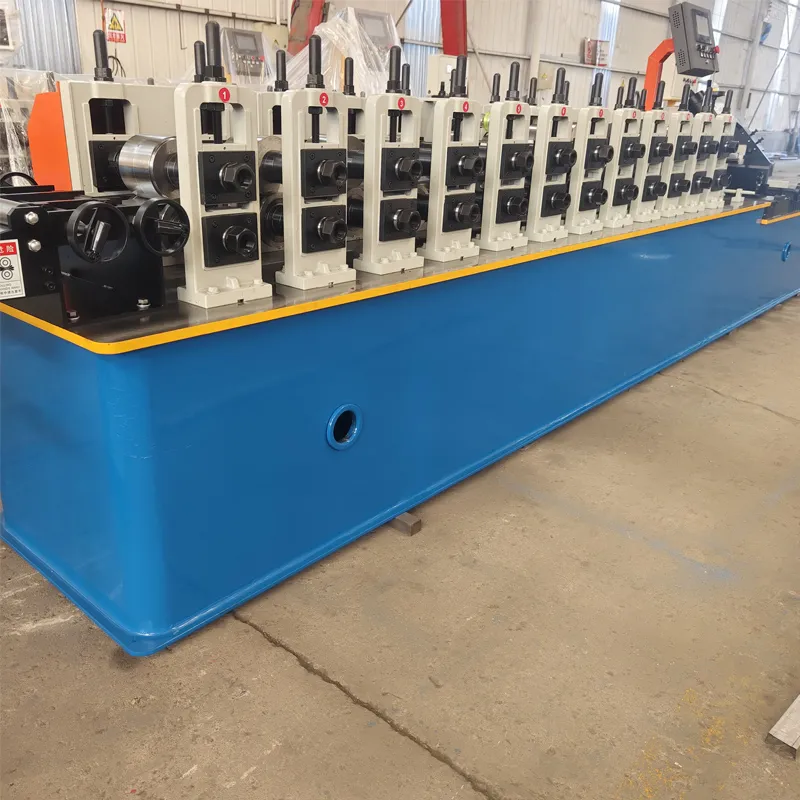
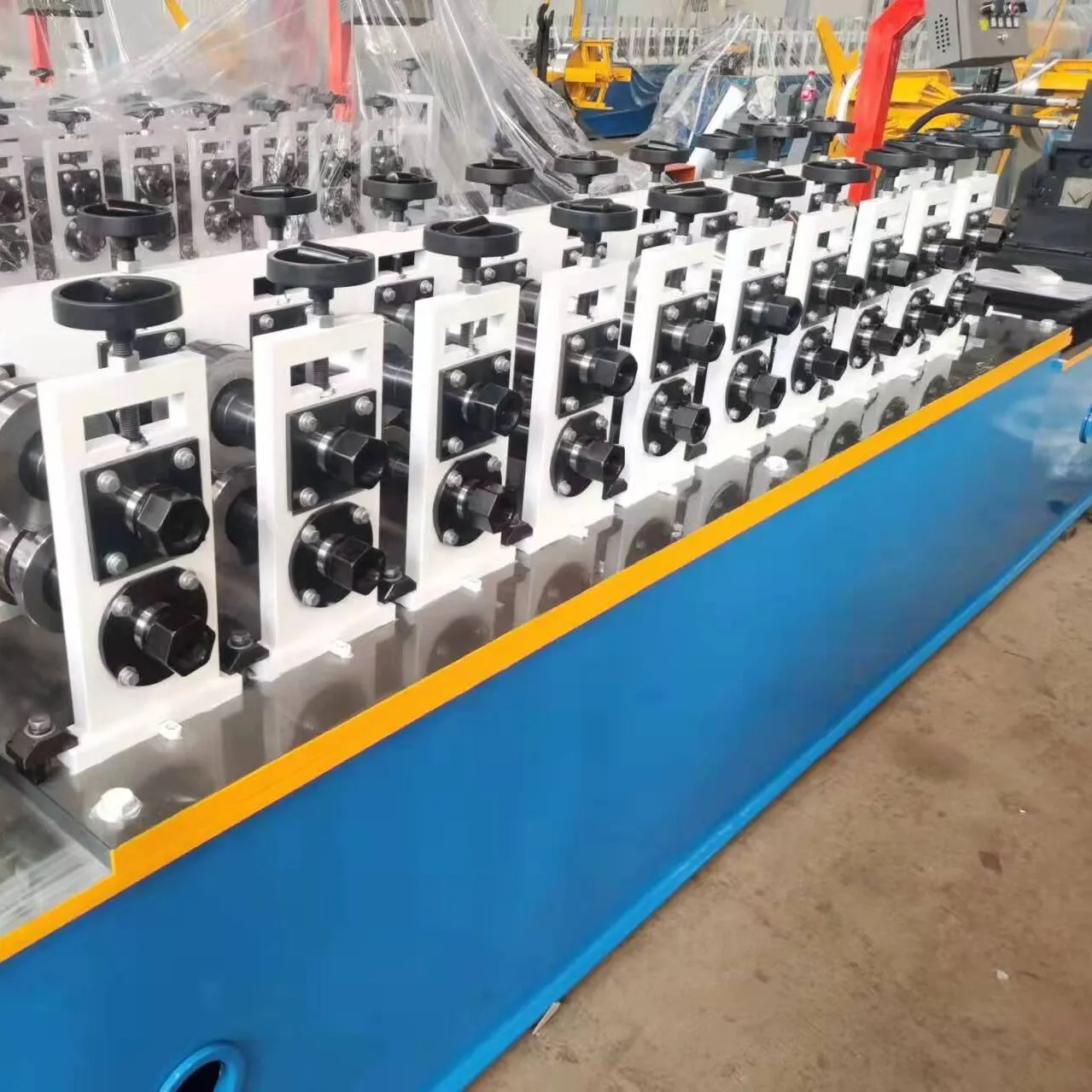
| Roller stations | 8 |
| Shafts | ∅40 mm, 45Cr steel |
| Drive | Gear drive; PLC control; servo tracking cutting |
| Tooling | Rollers: Cr12, HRC 58–62; Cutter: Cr12 (quenched), HRC 58–62 |
| Electricals | 220V, 3-phase, 60 Hz; PLC-based panel |
Process flow and QC (how the line actually runs)
- Coil loading and decoiling (Galv or PPGI), then pinch feed and straightening.
- Guides set angle web/flange; gear-driven roll forming across 8 stations.
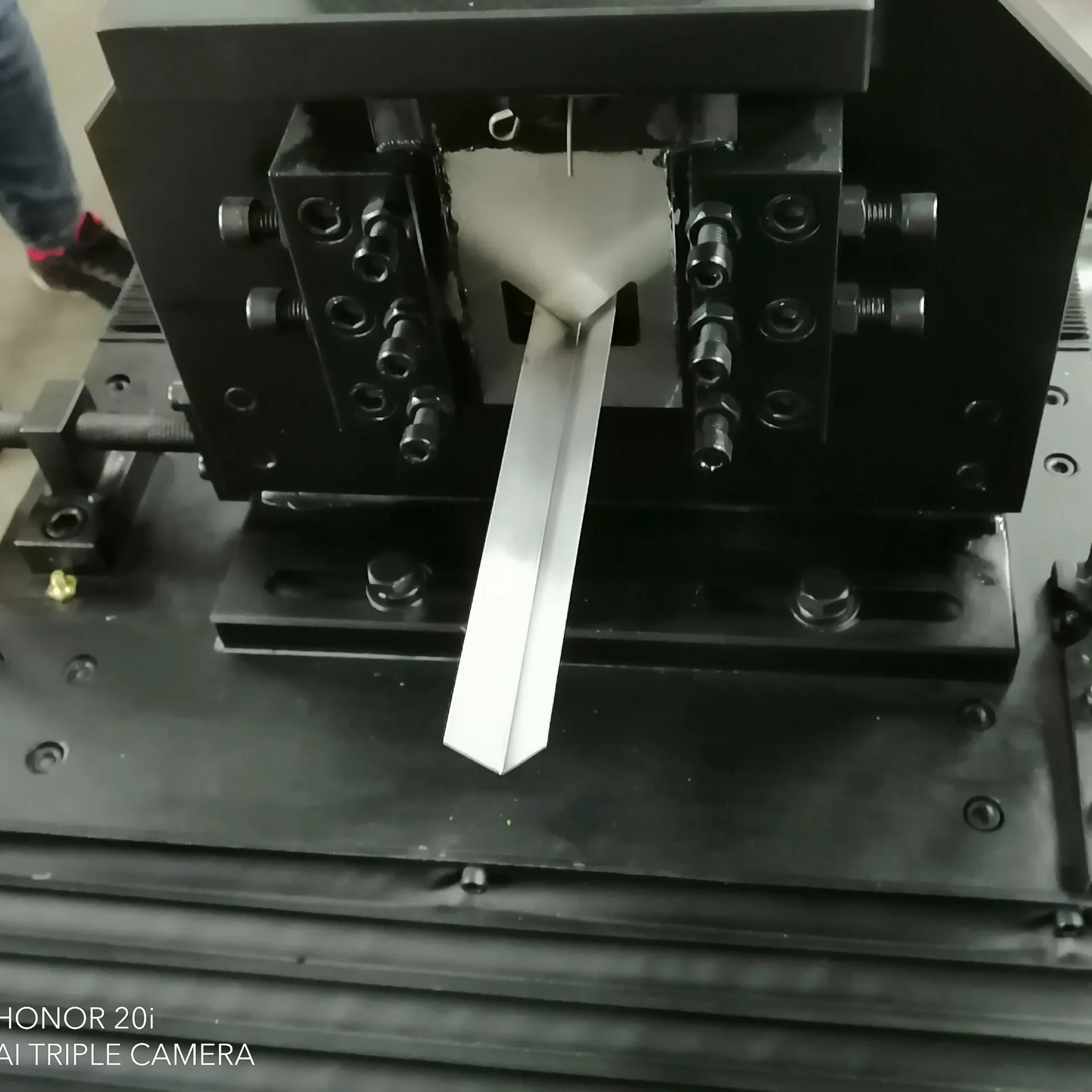
- Servo tracking cutting on the fly; minimal burr thanks to HRC 58–62 tooling.
- Inline checks: width ±0.3 mm, angle squareness ≤0.5°, burr height ≤0.05 mm (≈ values; actual results vary by coil).
- Palletizing and labeling with batch/coil ID for traceability.
Testing standards referenced on the shop floor: ASTM A653 for zinc coating mass, EN 10169 for PPGI coating class, ISO 12100 risk assessment, and IEC 60204-1 for electrical safety. Typical service life of the angle forming machine tooling is 2–4 years before regrind; machine life 8–12 years with routine lubrication and alignment. Frankly, abuse kills bearings faster than anything.
Where it’s used
Drywall frames, ceiling grids, display fixtures, and light partitioning. Contractors like that the angle forming machine holds gauge on 0.55–0.75 mm coils without edge waviness. One buyer told me, “we stopped re-shearing ends on site—huge win.”
Vendor snapshot (what to compare before you buy)
| Vendor | Speed | Tool Steel | Cutting | Controls | Certs |
|---|---|---|---|---|---|
| Yowin (this model) | 0–40 m/min | Cr12, HRC 58–62 | Servo tracking | PLC, traceable batches | CE-ready; ISO 9001 (supplier-level) |
| Brand X | ≈30–35 m/min | D2/Cr12 mix | Pneumatic stop-cut | PLC basic | CE (model-dependent) |
| Workshop Y | ≈20–25 m/min | Generic tool steel | Manual shear | Relay + counters | None stated |
Note: values are indicative; real-world use may vary with coil quality, operator skill, and maintenance.
Customization and options
- Profile width/angle changes with guided spacers; quick-change rollers on request.
- Auto length calibration via encoder; barcode labeler for lot traceability.
- Electricals per region; IEC 60204-1 compliance; CE documentation for the angle forming machine.
Mini case study
A Middle East interiors contractor swapped two legacy lines for one Yowin unit. Output moved from ≈22 to 38 m/min on 0.6 mm PPGI; rejects fell below 0.8% over the first quarter. They cited cleaner cuts and steadier angles. Not scientific, I guess, but the site foreman was grinning.
Bottom line
If you’re chasing reliable angles for drywall and ceilings, a servo-cut, PLC-driven angle forming machine with Cr12 tooling is, in fact, a very sane choice. Just verify power specs, safety compliance, and after-sales support up front.
References
- ASTM A653/A653M – Standard Specification for Steel Sheet, Zinc-Coated (Galvanized). https://www.astm.org/a0653_a0653m-22.html
- EN 10169 – Continuously organic coated steel flat products. https://standards.iteh.ai/catalog/standards/cen/7a1d3c8c-
- ISO 12100 – Safety of machinery. https://www.iso.org/standard/51528.html
- IEC 60204-1 – Safety of machinery – Electrical equipment. https://webstore.iec.ch/publication/63491
- 2006/42/EC – EU Machinery Directive. https://eur-lex.europa.eu/legal-content/EN/TXT/?uri=CELEX:32006L0042
- AISI S100 – North American Specification for the Design of Cold-Formed Steel. https://www.aisistandards.org/