
Angle Steel Roll Forming Machine: High-Speed, Precise, 24/7?
Angle Purlin Roll Forming Machine: Field Notes, Specs, and What Buyers Actually Ask
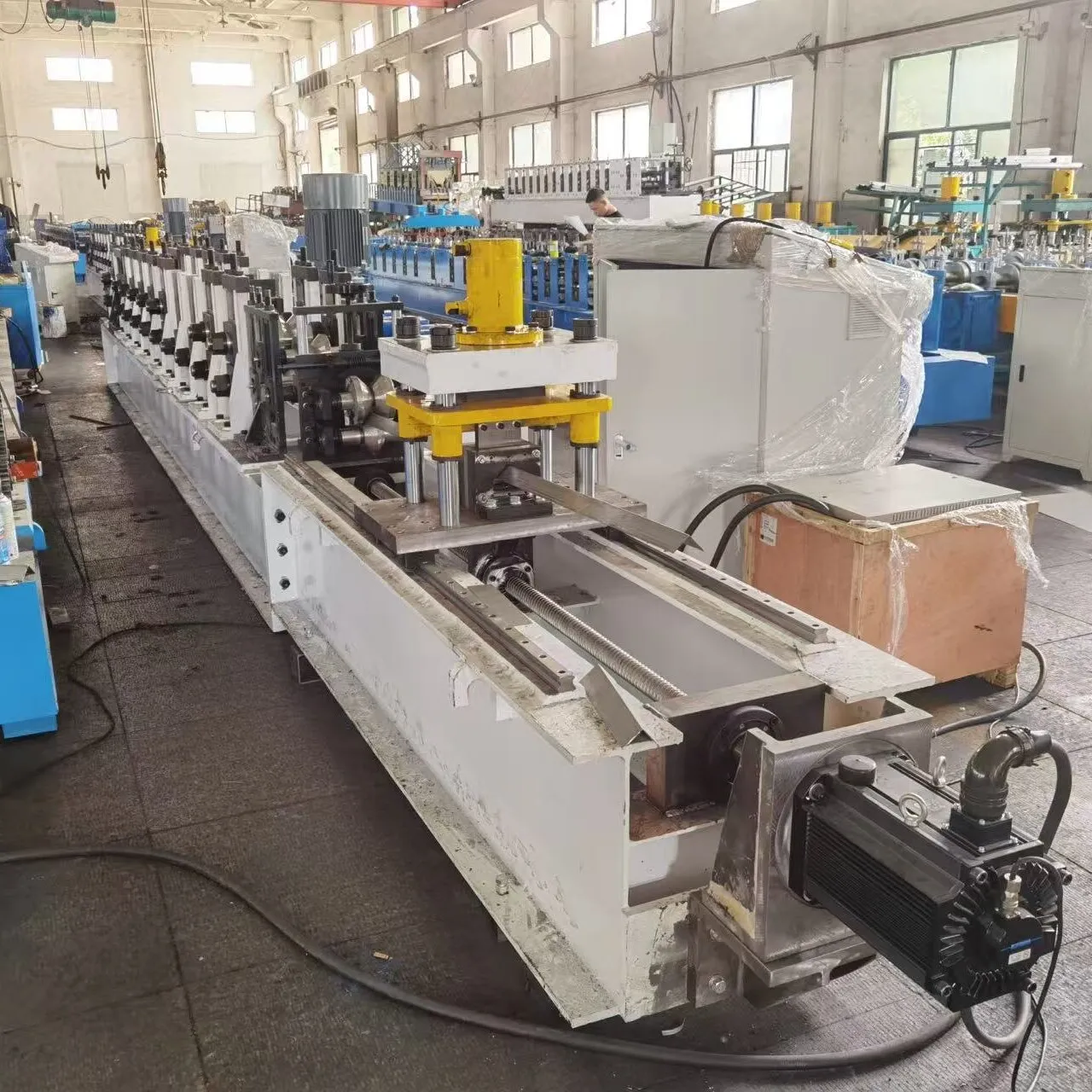
I’ve walked more than a few shop floors from Hebei to Hamburg, and the first thing I check—after coffee, obviously—is the setup on the angle steel roll forming machine. If the decoiler’s smooth, the stands are aligned, and the hydraulic cut looks clean, you’re halfway to repeatable quality. This model—Angle Purlin Roll Forming Machine—comes out of Room 5019, Beichen Square, No.19 Shifang Road, Chang'an District, Shijiazhuang, China. Location matters because shipping, service, and spare parts response all start there.
What’s trending (and why it matters)
Right now, buyers want higher uptime, smarter changeovers, and better edge quality on galvanized sections. In fact, many customers say the sweet spot is flexible thickness (≈1.5–4.0 mm) with stable line speed around 12–20 m/min. Automation is no longer a luxury—servo cut-to-length, recipe libraries, and IoT-style production logs are turning into the default, not the upgrade. Surprisingly, noise and oil mist control are also on RFQs more than before.
Core specification snapshot
| Material | Mild steel, galvanized steel (ASTM A653 / EN 10346), stainless steel |
| Thickness range | ≈ 1.5–4.0 mm (real-world use may vary by yield strength) |
| Profile | Equal/unequal angle purlin, optional punching |
| Line speed | ≈ 12–20 m/min with hydraulic shear; up to 25 m/min with flying cut |
| Control | PLC + HMI, encoder measurement, recipe management |
| Tolerances | Length ±0.5–1.0 mm/3 m; angle squareness per EN 10162, ISO 2768-m |
Process flow (the practical version)
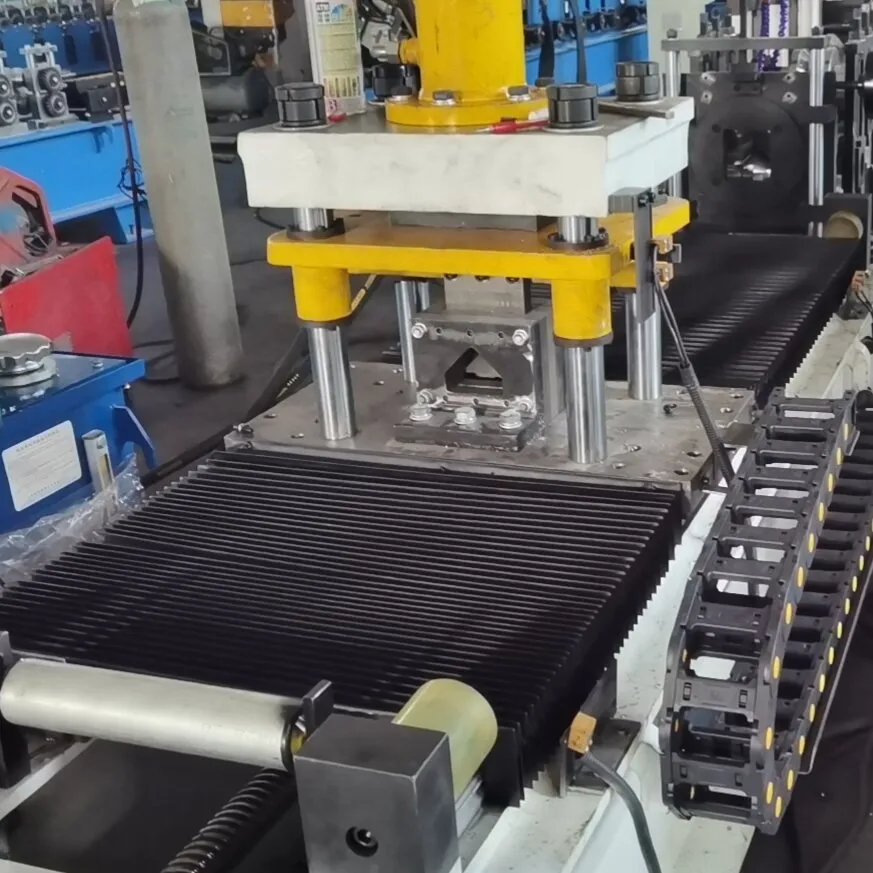
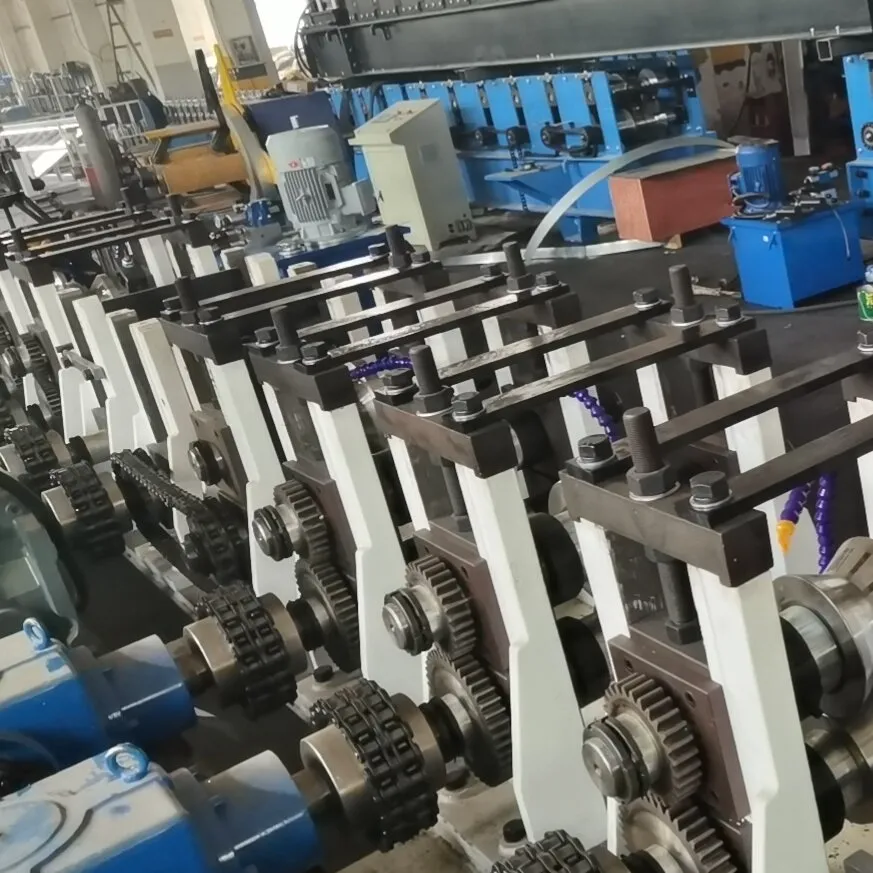
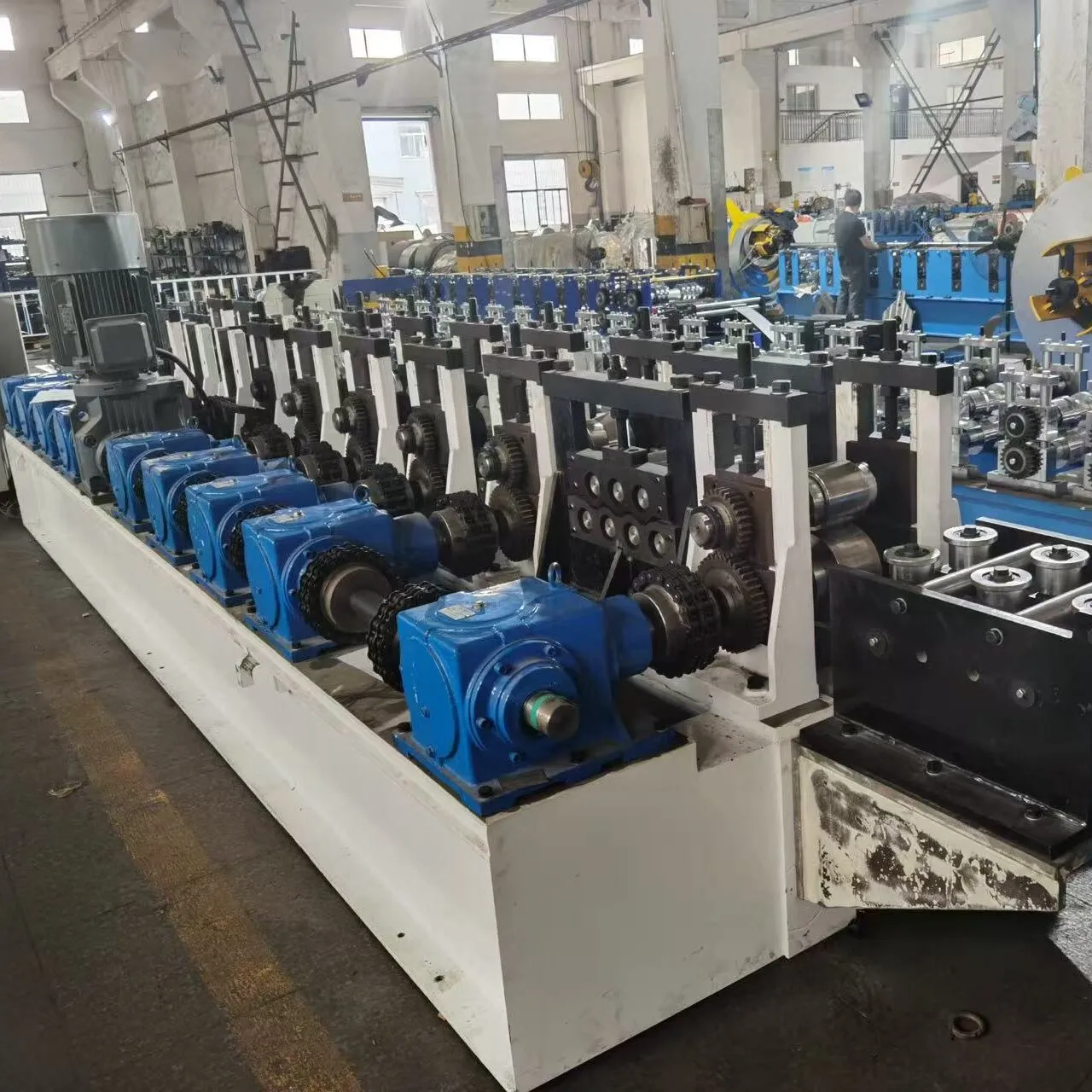
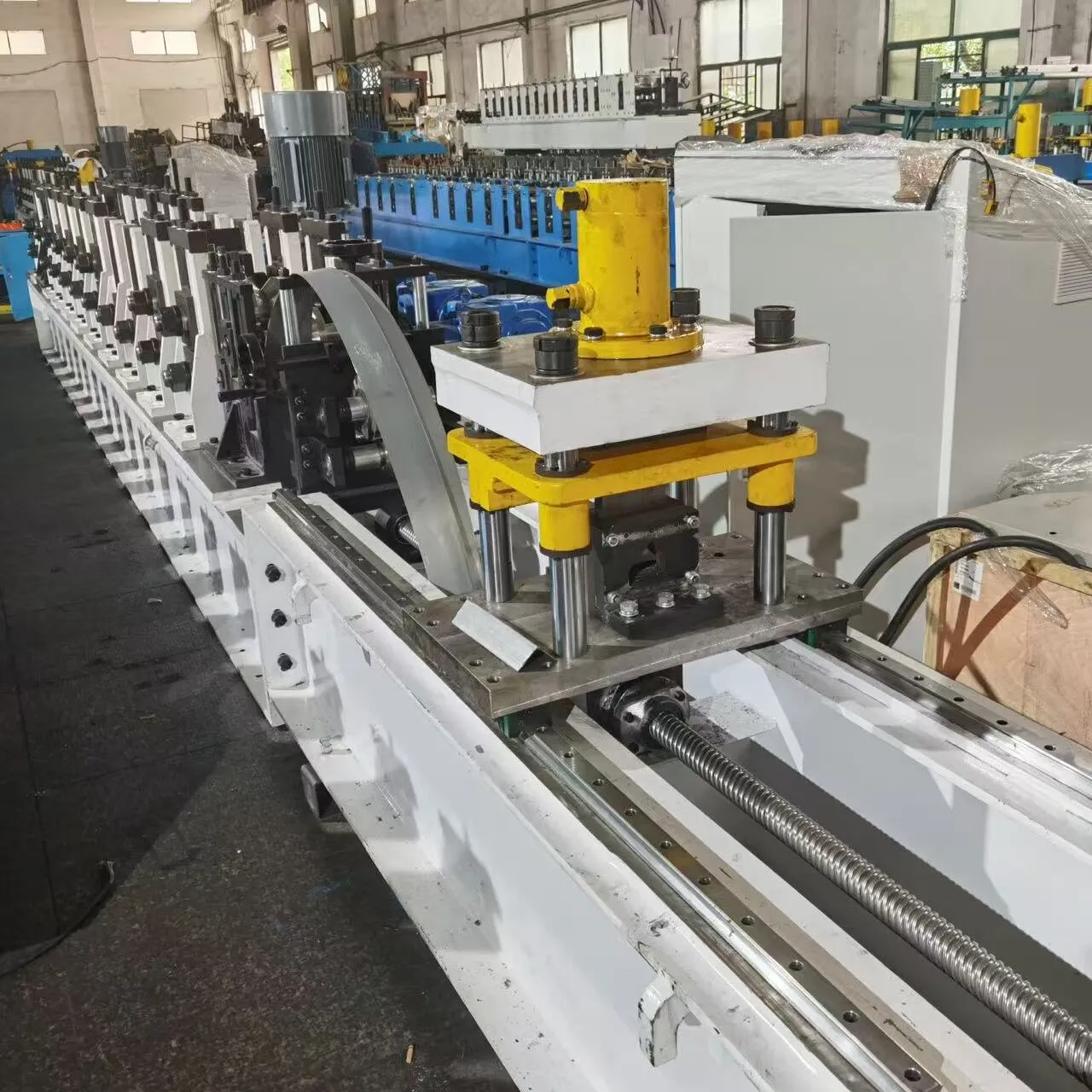
Coil loading → decoiling → leveling → optional pre-punch → multi-stand roll forming → online gauging → hydraulic or flying cut → run-out table/stacker. Materials: Q235/Q345, Z120–Z275 galvanized, 304/201 stainless for corrosive sites. Methods: cold roll forming with hardened rollers (≈HRC 58–62). Testing: dimensional sampling per shift; salt-spray for coated coils (ASTM B117); electrical safety per IEC 60204-1; functional safety to ISO 13849-1. Typical service life: 10–15 years with quarterly alignment and gear oil changes; I’ve seen lines running longer with gentle operators, to be honest.
Where it’s used
- Industrial roofs and wall framing for logistics centers
- Solar mounting substructures (coastal sites prefer stainless or higher zinc)
- Telecom shelters, light steel buildings, small bridges and supports
Users report cleaner edges and less rework when switching to a angle steel roll forming machine with servo punching, especially on small-run variants.
Customization options
- Interchangeable cassettes for angle size changes
- Punching: oblong/slotted holes, lead-in chamfers
- Flying cutoff for higher throughput
- Oil-free forming package for food/clean environments
- Remote diagnostics and production data export (CSV/MES)
Real-world results (short case notes)
- UAE warehouse builder: 18 m/min, scrap reduced ≈12% by recipe locking; CE-compliant.
- Poland solar supplier: upgraded to stainless-ready rollers; salt-spray 500 h pass on coils, no burr rework.
- SE Asia OEM: changeover time cut from 45 to 18 minutes with cassettes—operators were skeptical, then converted.
Vendor comparison (quick, honest take)
| Vendor | Certs | Typical speed | Lead time | Notes |
|---|---|---|---|---|
| Yowin (China) | ISO 9001, CE | 12–20 m/min | ≈ 45–60 days | Good value; flexible punching options |
| Vendor B (EU) | CE, EN 1090 support | 15–25 m/min | ≈ 60–90 days | Higher price; strong documentation |
| Vendor C (APAC) | ISO 9001 | 10–18 m/min | ≈ 40–70 days | Budget-friendly; check tool steel grade |
Why this angle steel roll forming machine stands out
Clean squareness, steady length control, and easy recipes. Also, the vendor is pragmatic about coil quality—if feed is wavy, they’ll recommend an extra straightener rather than promising magic. It seems simple, but that honesty saves downtime.
Certifications and standards referenced
CE compliance, ISO 9001 QMS; materials per ASTM A653/EN 10346; dimensional tolerances aligned with EN 10162 and ISO 2768; safety wiring to IEC 60204-1; functional safety approach to ISO 13849-1. Ask for factory test reports (run-off video + gauge logs).
References
- ASTM A653/A653M – Standard Specification for Steel Sheet, Zinc-Coated
- EN 10346 – Continuously hot-dip coated steel flat products
- EN 10162 – Cold rolled steel sections – Tolerances
- IEC 60204-1 – Safety of machinery – Electrical equipment
- ISO 13849-1 – Safety-related parts of control systems