
Beam Roll Forming Machine Suppliers: Custom, Fast Delivery?
What to Look for When Choosing beam roll forming machine suppliers
If you spend your days around coil stocks, quenching tanks, and PLC cabinets (guilty), you know the gap between a flashy brochure and a line that actually holds tolerance after lunch. The C-beam niche is no exception. Below is what’s really moving the market—and a machine I’ve had on my radar for a while.
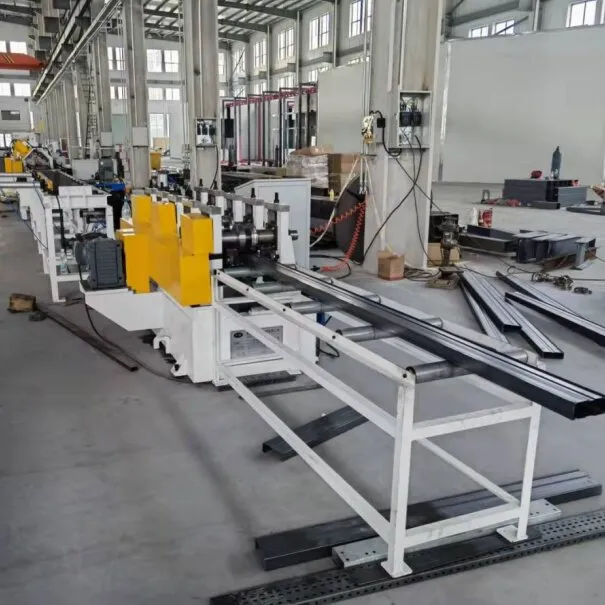
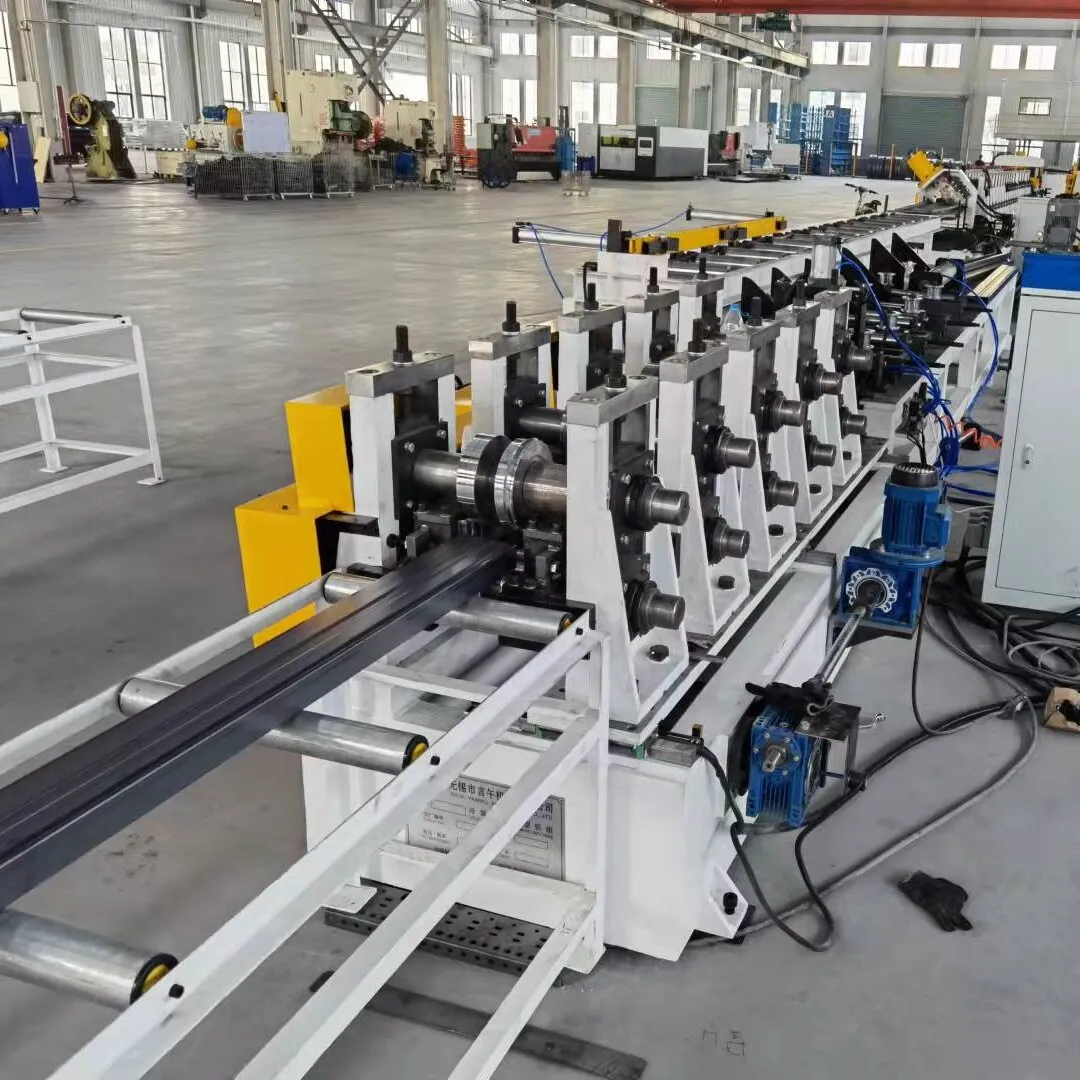
Product snapshot: Automatic C Beam And Embrace Roll Forming Machine
Origin: Room 5019, Beichen Square, No.19 Shifang Road, Chang'an District, Shijiazhuang, China. It’s a compact footprint, chain-transmission archway frame, and frankly, built heavier than it looks in photos.
| Material thickness range | ≈2.5–5.0 mm (real-world coil variance may apply) |
| Forming speed | 0–15 m/min (depends on profile and QA checks) |
| Main motor / Horizontal motor | 15 kW / 1 × 1.5 kW |
| Rollers / Shafts | Cr12 rollers; 40Cr shafts Ø90–110 mm, QT (HB220–260) |
| Roller heat treatment | Quenched HRC58–62 |
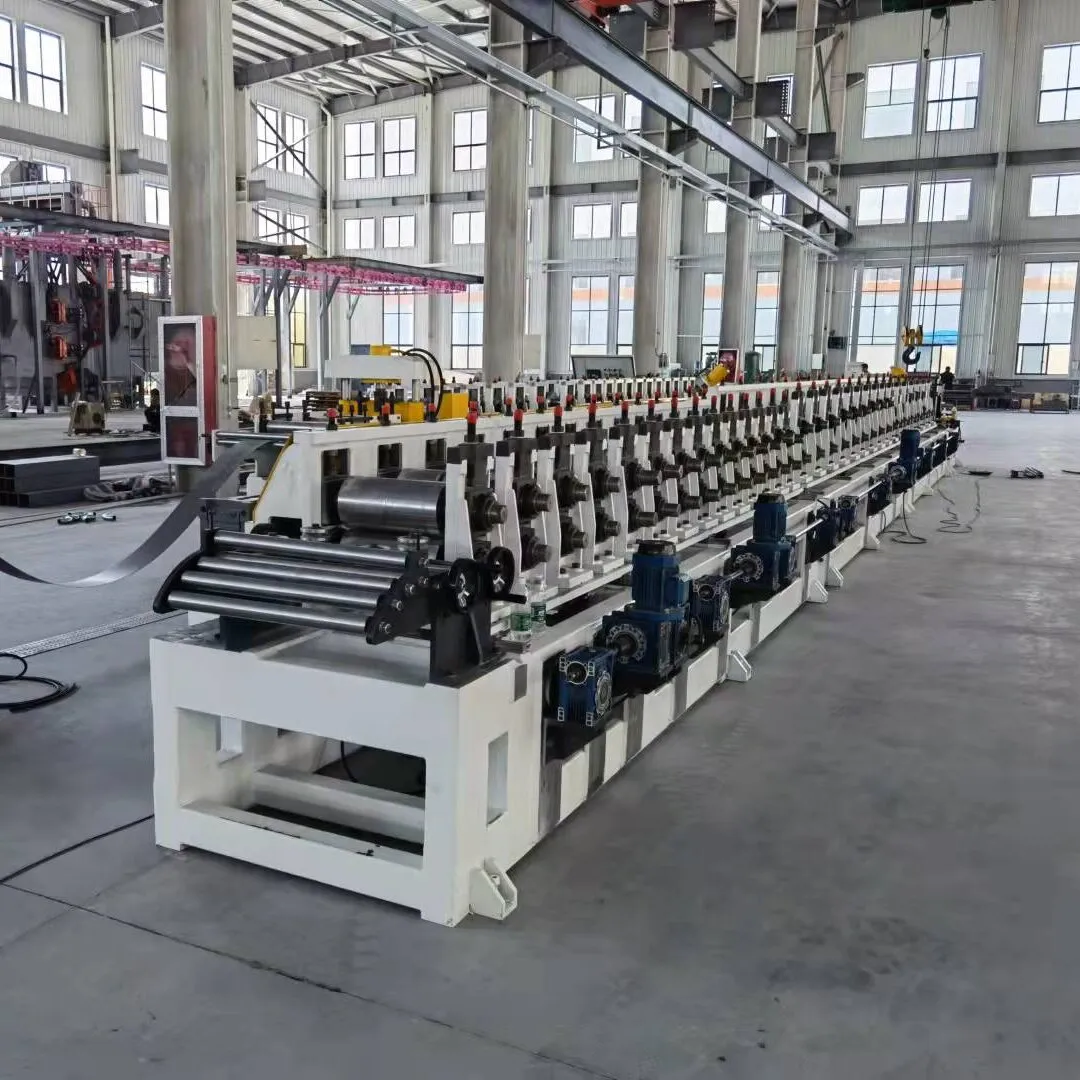
| Stands / Transmission | ≈16 stands; chain transmission; split-type roller pilot |
| Control / Voltage | PLC; 380V, 3-phase, 60 Hz |
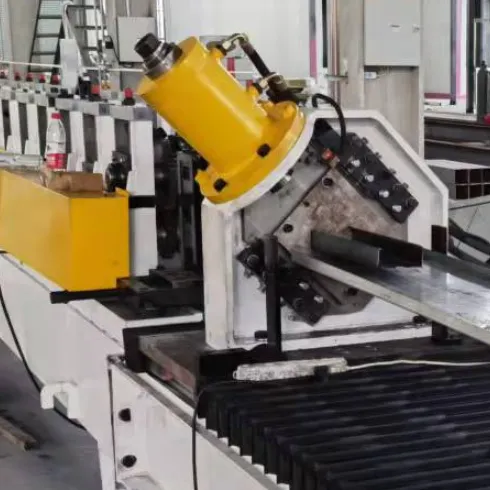
Industry trend check
Honestly, the shift is toward higher hardness rollers (HRC58+) and thicker shafts to hold geometry when running 5 mm coil. Also: smarter PLC sequences to reduce burr during punching and better line diagnostics. Many customers say uptime beats raw speed—no surprise.
Typical applications
- Structural C-beams for warehouses and mezzanines
- Racking, guardrail channels, and logistics frames
- Solar mounting subframes, light steel construction
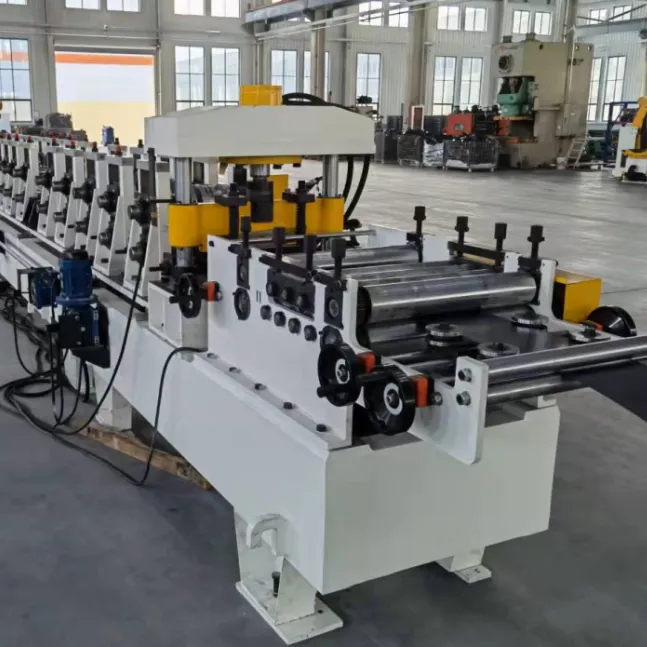
Process flow (real shop-floor view)
Uncoiling → Leveling → Pre-punch (if needed) → Roll forming (16 stands) → Cut-to-length → Deburr/QA → Stack. Materials: Q235/Q345 or similar; zinc-coated coils ok. Testing: hardness per ISO 6508; tensile per ASTM A370; dimensional tolerance ±0.3–0.5 mm across 6 m (depends on profile). With routine lubrication and chain tension checks, service life is ≈10–15 years.
Why this design works
The archway frame resists torsion; split-type pilot helps with web-flange alignment. Quenched rollers keep edge cracking down on thicker stock. To be honest, the 15 kW drive is modest but balanced—good for energy and still stiff enough for 5 mm runs.
Vendor comparison at a glance
| Vendor | Roller Hardness | Shaft Ø | Certs | Support |
| Yowin (this model) | HRC58–62 | 90–110 mm | ISO 9001, CE (typ.) | PLC remote + on-site |
| Regional OEM A | HRC55–60 | ≈85–95 mm | ISO 9001 | On-request only |
| Low-cost Trader B | Unspecified | ≈80–90 mm | N/A | Limited |
Customization and QA
- Profile tooling: web/flange widths, lips, radius tweaks
- Punching patterns synced to encoder (±0.5 mm typical)
- Voltage options and safety circuits (CE-compliant designs)
- Factory FAT, on-site SAT, and operator training
Customers report smoother commissioning when beam roll forming machine suppliers share real test coupons and run their coil grade at FAT—sounds basic, but it saves days.
Mini case: racking plant upgrade
A mid-size racking maker switched from 3.0 mm to 4.5 mm coil. After swapping to quenched Cr12 tooling and upsizing shafts (here: 90→110 mm), web bow dropped by ~40% and scrap fell below 1.2%. Not dramatic on paper, but profit says thanks. It seems the right beam roll forming machine suppliers obsess over stiffness and heat treatment, not just catalog speed.
Standards and notes: aim for ISO 9001 vendors, request CE safety documentation, and ask for hardness and tensile test data (ISO 6508, ASTM A370). To be honest, a clean alignment report tells you more than most brochures.
References
- ISO 6508-1: Metallic materials — Rockwell hardness test
- ASTM A370: Standard Test Methods for Tension Testing of Steel Products
- ISO 9001: Quality management systems — Requirements
- Directive 2006/42/EC (Machinery Directive) and CE conformity guidance