
Efficient Glazed Tile Roll Forming Machine - Gear Box for Precision
Industry Trends in Glazed Tile Roll Forming Technology
The construction industry's continuous evolution, particularly in roofing solutions, has driven significant advancements in manufacturing technology. Among these, the glazed tile roll forming machine stands as a cornerstone for producing aesthetically pleasing and highly durable roofing panels. Current industry trends indicate a strong shift towards automation, higher precision, energy efficiency, and adaptability to a wider range of material specifications. Global demand for steel-based roofing, known for its longevity and resistance to extreme weather, continues to grow, particularly in rapidly developing urban and rural areas. This growth is fueled by an increasing awareness of sustainable building practices and the need for cost-effective, long-lasting construction materials.
Innovations are primarily focused on enhancing machine versatility, allowing for quicker profile changes and integration with smart factory systems (Industry 4.0). Manufacturers are seeking machines that can handle pre-painted galvanized iron (PPGI), aluminum, and other coated steels with minimal surface damage, while achieving intricate glazed tile profiles. There's also a rising emphasis on environmental compliance, pushing for machines that minimize waste material and optimize energy consumption throughout the production cycle. The competitive landscape necessitates machines that offer superior operational uptime and lower maintenance requirements, directly impacting the total cost of ownership for end-users.
Detailed Process Flow of a Glazed Tile Roll Forming Machine
The manufacturing process of a glazed tile roll forming machine is a highly automated and precise sequence designed to transform flat metal coils into intricate roofing panels. The process involves several critical stages, each contributing to the final product's quality and dimensional accuracy.
Key Process Steps:
- Decoiling: The raw material, typically a steel coil (e.g., PPGI, galvanized steel, aluminum alloy), is loaded onto an uncoiler (decoiler). This unit precisely feeds the strip into the machine, ensuring consistent tension and preventing material snaking or damage. Material specifications often include thicknesses ranging from 0.3mm to 0.8mm and tensile strengths up to 550 MPa, adhering to standards like ASTM A653 or EN 10346.
- Guiding and Feeding: The metal strip passes through an infeed guide system that aligns it perfectly before it enters the forming stations. This stage is crucial for maintaining profile symmetry and preventing off-center rolling.
- Roll Forming Stations: This is the core of the machine. A series of precisely engineered rollers (forming stations) progressively shape the flat strip into the desired glazed tile profile. Each station applies a small, incremental change to the material, gradually bending and forming it without inducing stress or deformation. The rollers themselves are often CNC machined from high-grade tool steel (e.g., Cr12, D2, or SKD11 equivalent), heat-treated to HRC58-62, and precision ground to ensure a long service life and accurate profiling.
- Embossing/Stepping (Optional): For specific glazed tile designs, an additional embossing or stepping unit may be integrated to create distinct patterns or ridges that enhance aesthetic appeal and structural rigidity.
- Cutting: Once the material has been fully formed to the desired profile, a hydraulic or pneumatic cutting device shears the continuous panel to the pre-set length. This cutting system is synchronized with the roll forming speed to ensure accurate lengths and minimize material waste. Blades are typically made from hardened tool steel like Cr12Mov.
- Outfeed and Stacking: The cut panels are then discharged onto an outfeed table for inspection and manual or automatic stacking.
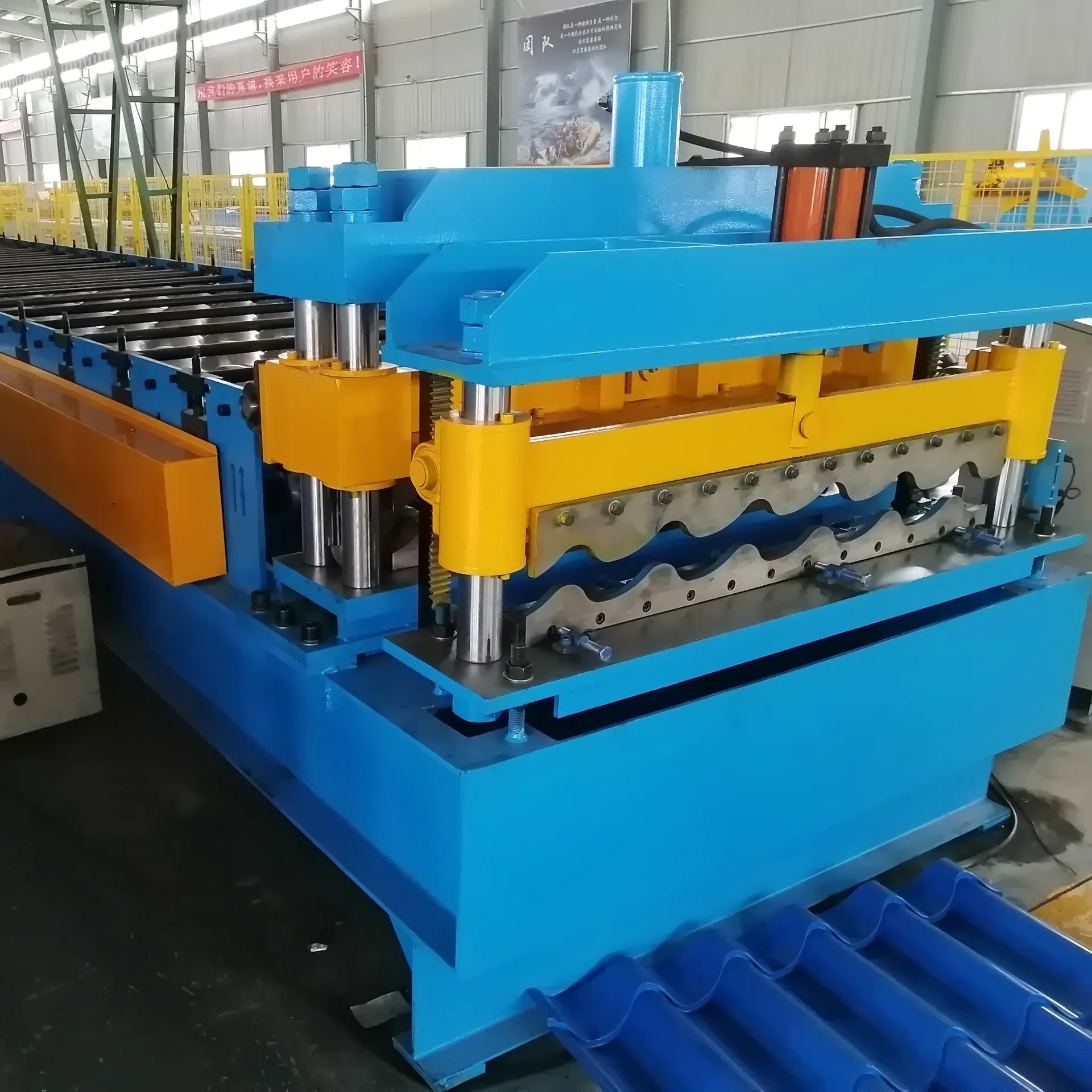
Fig 1: Schematic of the Glazed Tile Roll Forming Process
Manufacturing Processes & Testing Standards: Components like shafts, gears, and rollers undergo rigorous manufacturing processes including CNC machining, forging, and precision grinding. Critical parts are subjected to heat treatment for enhanced hardness and wear resistance. Welding processes adhere to international standards. Each machine component and the assembled system undergo comprehensive quality control and testing, including dimensional accuracy checks (e.g., per ISO 2768), material hardness testing, and functional performance tests. Compliance with ISO 9001 for quality management systems and ANSI/CE standards for safety and operational parameters is paramount.
Service Life & Target Industries: A well-engineered glazed tile roll forming machine, maintained correctly, can offer a service life of 15-20 years. These machines are vital in diverse industries including residential and commercial construction, prefabricated housing, agricultural buildings, and even some specialized industrial structures where robust and aesthetically pleasing roofing is required. Typical application scenarios include large-scale housing projects, agricultural facilities needing durable roofing resistant to harsh weather, and industrial complexes seeking corrosion-resistant and energy-efficient building envelopes.
Technical Specifications of a Glazed Tile Roll Forming Machine
Understanding the technical specifications of a glazed tile roll forming machine is critical for B2B decision-makers and engineers to ensure the equipment meets specific production requirements and quality standards. These parameters define the machine's capacity, precision, and operational efficiency.
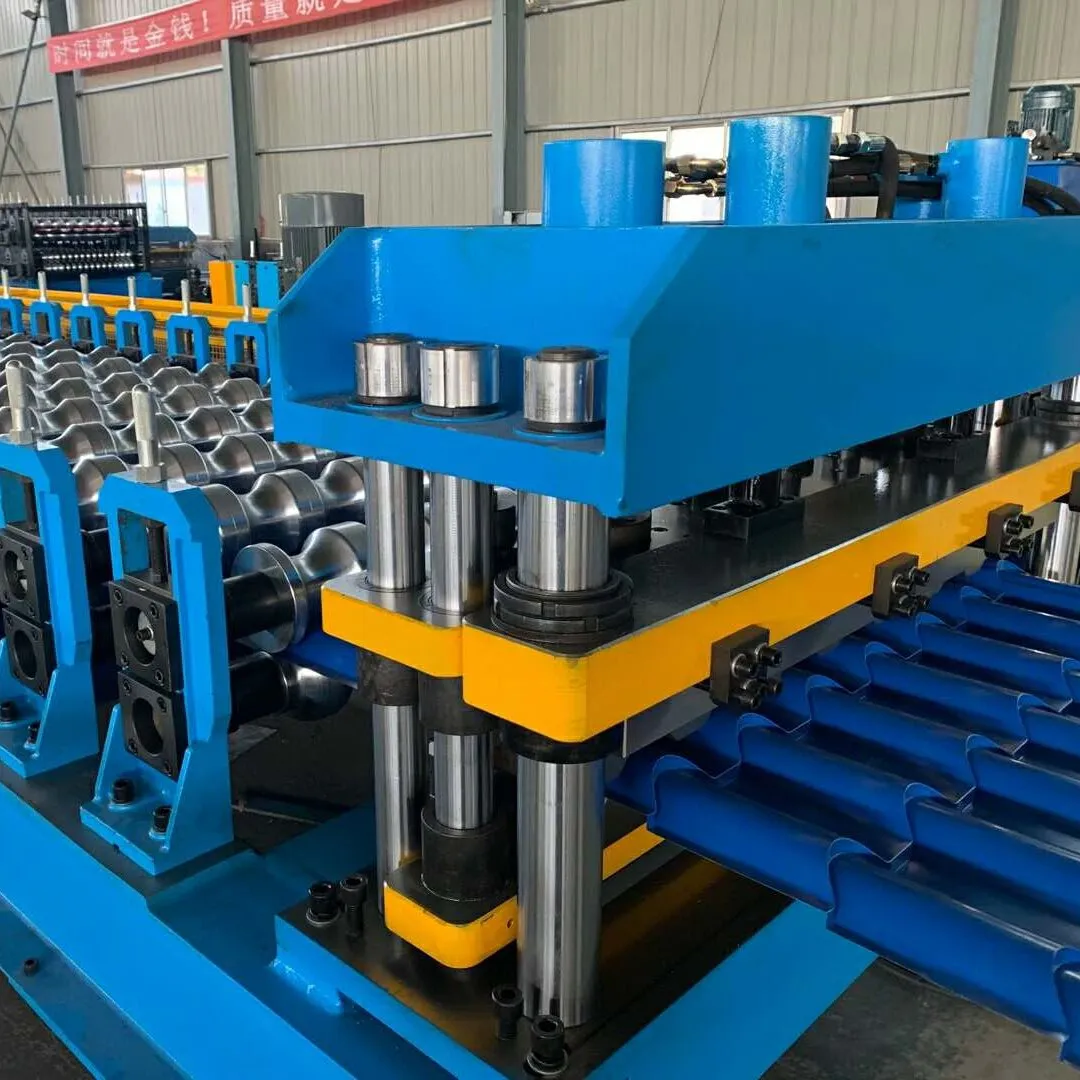
Fig 2: Precision Engineering of Roll Forming Components
Typical Product Specification Table:
| Parameter | Specification | Details / Standard Compliance |
|---|---|---|
| Material Thickness Range | 0.3 - 0.8 mm | Suitable for PPGI, Galvanized Steel, Aluminum |
| Material Width | 1000 - 1250 mm | Customizable options available |
| Forming Speed | 8 - 15 m/min | Adjustable via PLC, actual speed depends on profile complexity |
| Number of Forming Stations | 14 - 22 stations | Optimized for various glazed tile profiles |
| Main Motor Power | 5.5 - 7.5 kW | Efficient AC motor with frequency converter |
| Hydraulic Station Power | 3.0 - 4.0 kW | Powers cutting and stepping functions |
| Roller Material | High-grade Cr12 / SKD11 | Heat-treated to HRC58-62, chrome plated for wear resistance |
| Shaft Material | 45# Steel | Solid or hollow, precision machined and hardened |
| Control System | PLC (Siemens/Mitsubishi/Delta) | Touch screen HMI, automatic length & quantity control |
| Machine Weight | Approx. 6 - 9 tons | Robust construction for stability |
| Overall Dimensions (L x W x H) | Approx. 7.5m x 1.5m x 1.5m | Varies based on specific model and configuration |
The gear box drive system, often seen in a glazed tile roof panel machine with gear box, is a critical component that ensures synchronized and powerful transmission of torque to the forming rollers. This design significantly improves profile accuracy and machine longevity by distributing load evenly and minimizing slippage, particularly when processing thicker or higher yield strength materials.
Application Scenarios and Technical Advantages
The versatility and robust performance of a ppgi glazed tile roofing making machine make it indispensable across a multitude of application scenarios, delivering distinct technical advantages that drive project success.
Typical Application Scenarios:
- Residential Roofing: Ideal for single-family homes, multi-story residential buildings, and housing complexes where aesthetic appeal, durability, and weather resistance are paramount. Glazed tile profiles offer a classic look with modern material benefits.
- Commercial and Industrial Buildings: Used for office buildings, factories, warehouses, and shopping centers. The panels provide excellent insulation properties, reducing energy consumption for heating and cooling.
- Agricultural Structures: Barns, livestock shelters, and storage facilities benefit from the corrosion resistance of PPGI panels, especially in environments exposed to moisture and chemicals. The robust construction ensures long service life against environmental stressors.
- Public and Institutional Buildings: Schools, hospitals, community centers, and government buildings often specify glazed tile roofing for its aesthetic quality, fire resistance, and low maintenance requirements.
- Renovation and Retrofit Projects: These machines produce panels that are excellent for upgrading existing roofs, offering a lightweight, durable, and visually appealing alternative to traditional roofing materials.
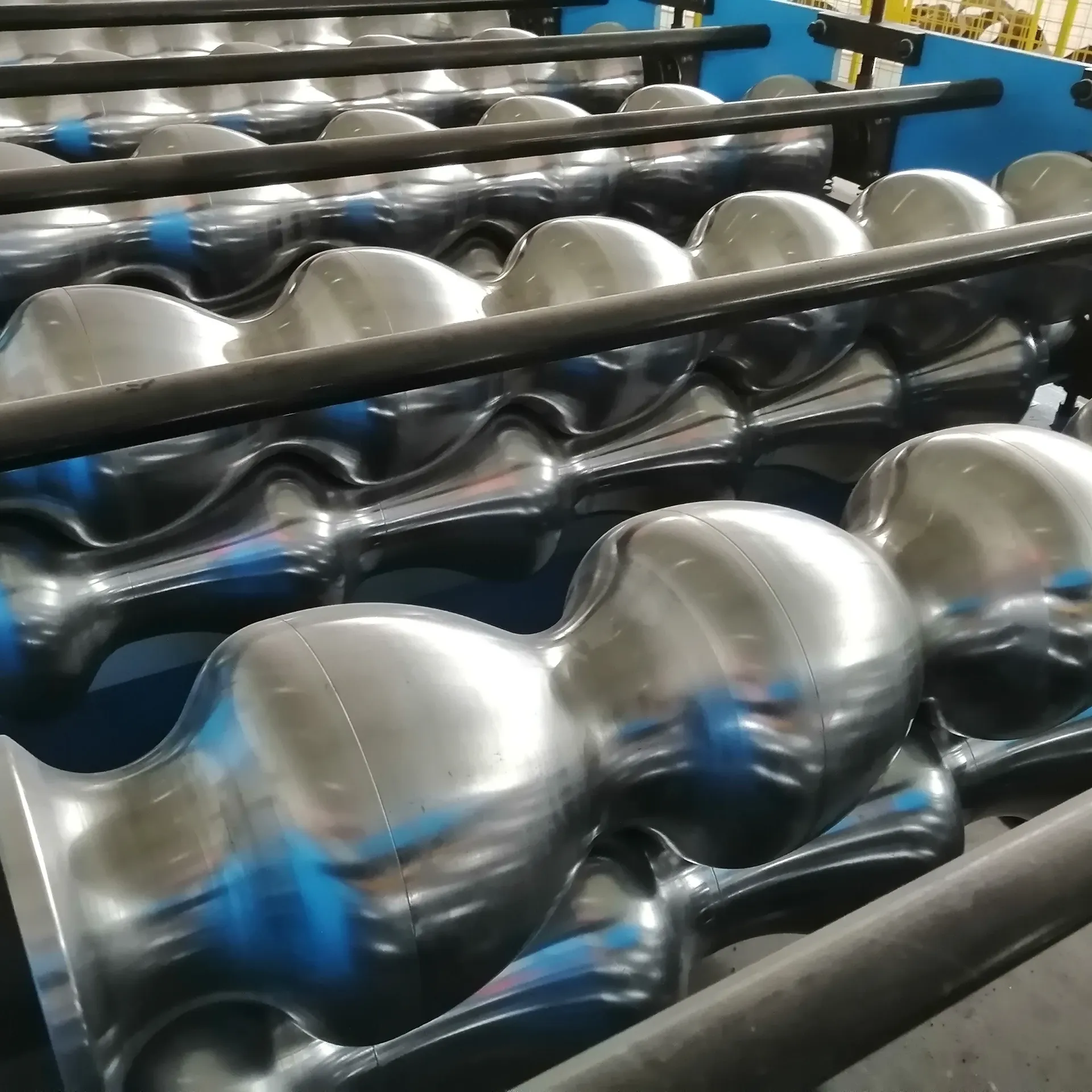
Fig 3: Glazed Tile Roofing Panels in a Modern Application
Technical Advantages:
- High Production Efficiency: Automated operation with high forming speeds (8-15 m/min) ensures rapid production of roofing panels, significantly reducing project timelines and labor costs.
- Precision and Consistency: Advanced PLC control systems and high-precision rollers guarantee consistent panel dimensions, uniform profiles, and excellent aesthetic quality across entire production batches, meeting stringent construction standards.
- Material Versatility: Capable of processing various pre-painted, galvanized, or aluminum coil materials, providing flexibility in material selection based on project requirements for strength, corrosion resistance, and aesthetics.
- Energy Saving: Modern machines are designed with energy-efficient motors and optimized hydraulic systems, minimizing power consumption during operation. The robust design also reduces material waste through precise cutting.
- Corrosion Resistance (for final product): The PPGI and galvanized materials processed by the machine offer superior corrosion resistance, crucial for longevity in harsh environments, reducing maintenance and replacement costs over the roof's lifespan.
- Ease of Installation: Uniform and precisely formed panels simplify installation processes on site, leading to quicker project completion and reduced labor requirements.
- Low Maintenance: The robust construction and use of high-quality components for the machine itself, combined with the durable output material, result in minimal operational downtime and reduced maintenance overheads.
Vendor Comparison for Glazed Tile Roll Forming Machines
When selecting a glazed tile roll forming machine factory or supplier, prospective buyers must evaluate several key factors beyond just the purchase price. A comprehensive vendor comparison should focus on machine quality, after-sales support, customization capabilities, and the overall value proposition.
Key Comparison Parameters:
| Feature/Criterion | Vendor A (Example) | Vendor B (Example) | Vendor C (Example) |
|---|---|---|---|
| Control System Brand | Siemens PLC, Weinview HMI | Delta PLC, Kinco HMI | Mitsubishi PLC, Proface HMI |
| Roller Material & Treatment | Cr12Mov, Heat Treatment & Hard Chrome Plating | 45# Steel, Hard Chrome Plating | SKD11, Heat Treatment & Black Oxide |
| Drive System | Chain/Gearbox Combination | Full Chain Drive | Full Gearbox Drive |
| Cutting Type | Hydraulic Post-Cut | Pneumatic Post-Cut | Hydraulic Pre-Cut/Post-Cut (Optional) |
| Forming Speed (Max) | 15 m/min | 10 m/min | 18 m/min |
| After-Sales Support | Global engineer dispatch, 24/7 online support | Regional service centers, business hours online support | Dedicated online support, local partners for critical issues |
| Warranty Period | 24 months for mechanical, 12 months for electrical | 12 months for all components | 18 months for main components, 6 months for wear parts |
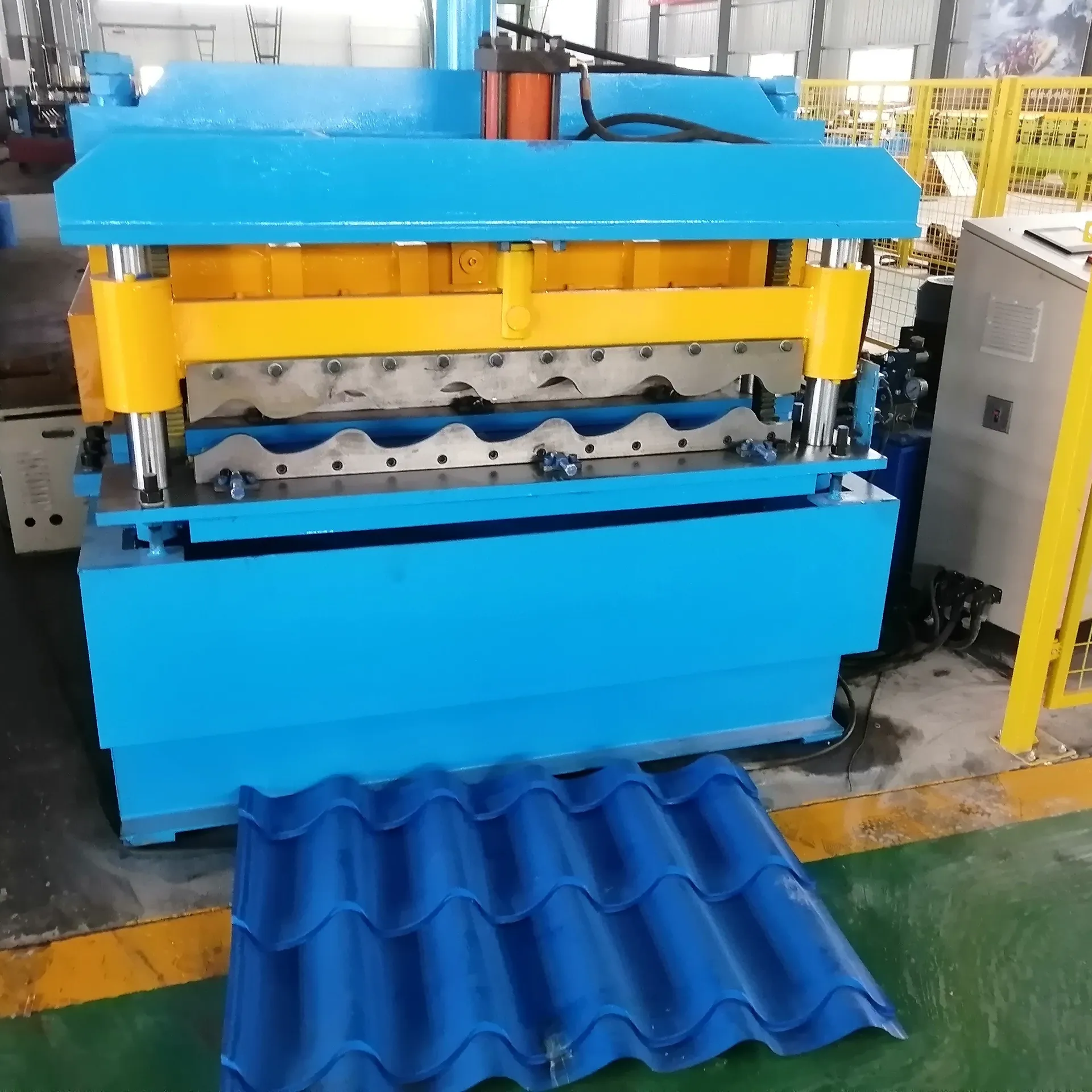
Fig 4: Robust Design of a Roll Forming Machine Frame
A key differentiator can be the reputation and experience of the glazed tile roll forming machine suppliers. Suppliers with decades of experience often possess a deeper understanding of material properties, profile design, and optimal machine configuration for specific client needs. They are more likely to offer machines built with higher quality raw materials, superior engineering, and robust control systems, leading to better operational reliability and lower total cost of ownership. Evaluating past client testimonials, international certifications (e.g., ISO, CE), and technical support responsiveness provides valuable insights for informed decision-making.
Customized Solutions and Application Case Studies
Customized Solutions:
Recognizing that every B2B client has unique production requirements, leading manufacturers offer highly customized glazed tile roll forming machine solutions. Customization can encompass several aspects:
- Profile Design: Tailoring roll tooling to produce specific glazed tile profiles, including varying wave heights, widths, and stepping patterns, to match regional architectural styles or client-specific aesthetic preferences.
- Material Handling: Adapting decoiler capacity for larger or heavier coils, or configuring the machine to process non-standard material widths or thicknesses, including high-strength steel alloys.
- Automation Level: Integrating advanced automation features such as automatic coil loading, fully automated stacking systems, and remote monitoring capabilities for Industry 4.0 readiness.
- Speed and Capacity: Engineering machines for higher production speeds or multi-line configurations to meet high-volume demands.
- Environmental Adaptations: Designing machines to operate efficiently in specific environmental conditions, such as extreme temperatures or dusty industrial settings, with appropriate dust suppression or climate control features.
Application Case Studies (Simulated):
Case Study 1: Large-Scale Residential Development in Southeast Asia
A major construction firm undertook a project to build 5,000 homes in a tropical coastal region. They required a roofing solution that was durable, aesthetically pleasing, and highly resistant to humidity, saline air, and torrential rains. A custom-built glazed tile roll forming machine was commissioned to produce PPGI panels with an enhanced anti-corrosion coating and a specific, steeper tile profile for efficient water runoff. The machine’s high-speed production capability (15 m/min) and robust design ensured timely delivery of materials, contributing to the project's success and providing homeowners with long-lasting, low-maintenance roofs. Customer feedback highlighted the exceptional consistency of the panel profiles and the minimal waste generated.
Case Study 2: Industrial Complex in the Middle East
For a new manufacturing plant in a desert environment, the client needed a roofing system that could withstand intense solar radiation, high temperatures, and occasional dust storms, while also offering excellent thermal insulation to reduce cooling costs. A specialized glazed tile roll forming machine was provided, configured to process aluminum-zinc coated steel (Aluzinc) with a reflective pre-painted finish. The machine featured an advanced PLC for precise length control and an integrated embossing unit for added rigidity. The resulting roofs significantly lowered the internal temperature of the facility, demonstrating substantial energy savings and robust performance under extreme conditions. The client praised the machine's reliability and ease of operation.
Quality Assurance, Certifications, and Trustworthiness
For B2B clients, trust is built on proven quality, adherence to standards, and reliable support. Leading manufacturers of glazed tile roll forming machine solutions prioritize comprehensive quality assurance protocols and transparent operational policies.
Authoritativeness: Certifications and Partnerships
- ISO 9001:2015 Certification: Demonstrates a robust quality management system covering design, manufacturing, sales, and service. This ensures consistent product quality and continuous improvement.
- CE Compliance: Conformance to European health, safety, and environmental protection standards, indicating product safety and reliability for international markets.
- Strategic Partnerships: Collaborations with leading component suppliers (e.g., Siemens, Mitsubishi for PLCs; SKF for bearings) ensure the integration of high-quality, globally recognized parts.
- Extensive Industry Experience: Decades of experience in the roll forming sector, serving clients across petrochemical, metallurgy, water supply & drainage construction, and general building industries, speaks volumes about engineering prowess and adaptability.
Trustworthiness: FAQ, Lead Time, Warranty, and Support
Frequently Asked Questions (FAQ):
- Q: What kind of raw material can this machine process?
- A: It can process various materials including Pre-Painted Galvanized Iron (PPGI), Galvanized Steel, Aluminum, and sometimes even copper, depending on the machine's configuration and roller material specifications.
- Q: How many different profiles can one machine produce?
- A: Typically, one machine is designed for one specific glazed tile profile. However, quick-change tooling systems or interchangeable cassette systems can be integrated for multiple profiles, though this would be a custom request.
- Q: What are the power requirements for the machine?
- A: Standard machines require 3-phase power, usually 380V/50Hz/3Phase or 415V/50Hz/3Phase, but can be customized to specific regional power grids.
- Q: Is training provided for machine operation and maintenance?
- A: Yes, comprehensive training is provided either at the client's site during installation or at the manufacturer's facility, covering operation, basic maintenance, and troubleshooting.
Lead Time & Fulfillment:
Standard glazed tile roll forming machine models typically have a lead time of 45-60 working days from deposit confirmation to shipment. Custom-engineered solutions may require 75-120 working days, depending on the complexity of design and component sourcing. All fulfillment processes, from component manufacturing to final assembly and testing, are meticulously managed to ensure on-time delivery.
Warranty Commitments:
A standard warranty of 24 months for mechanical components and 12 months for electrical components is provided, starting from the date of shipment. This warranty covers manufacturing defects and component failures under normal operating conditions. Extended warranty options are available upon request.
Customer Support Information:
Comprehensive after-sales support includes:
- 24/7 Technical Support: Available via phone, email, and live chat for immediate assistance.
- Remote Diagnostics: Many machines are equipped for remote troubleshooting and software updates, minimizing downtime.
- On-site Engineer Support: Skilled technicians can be dispatched globally for installation, commissioning, and complex repairs.
- Spare Parts Availability: A comprehensive inventory of genuine spare parts ensures quick replacements and minimal disruption to operations.
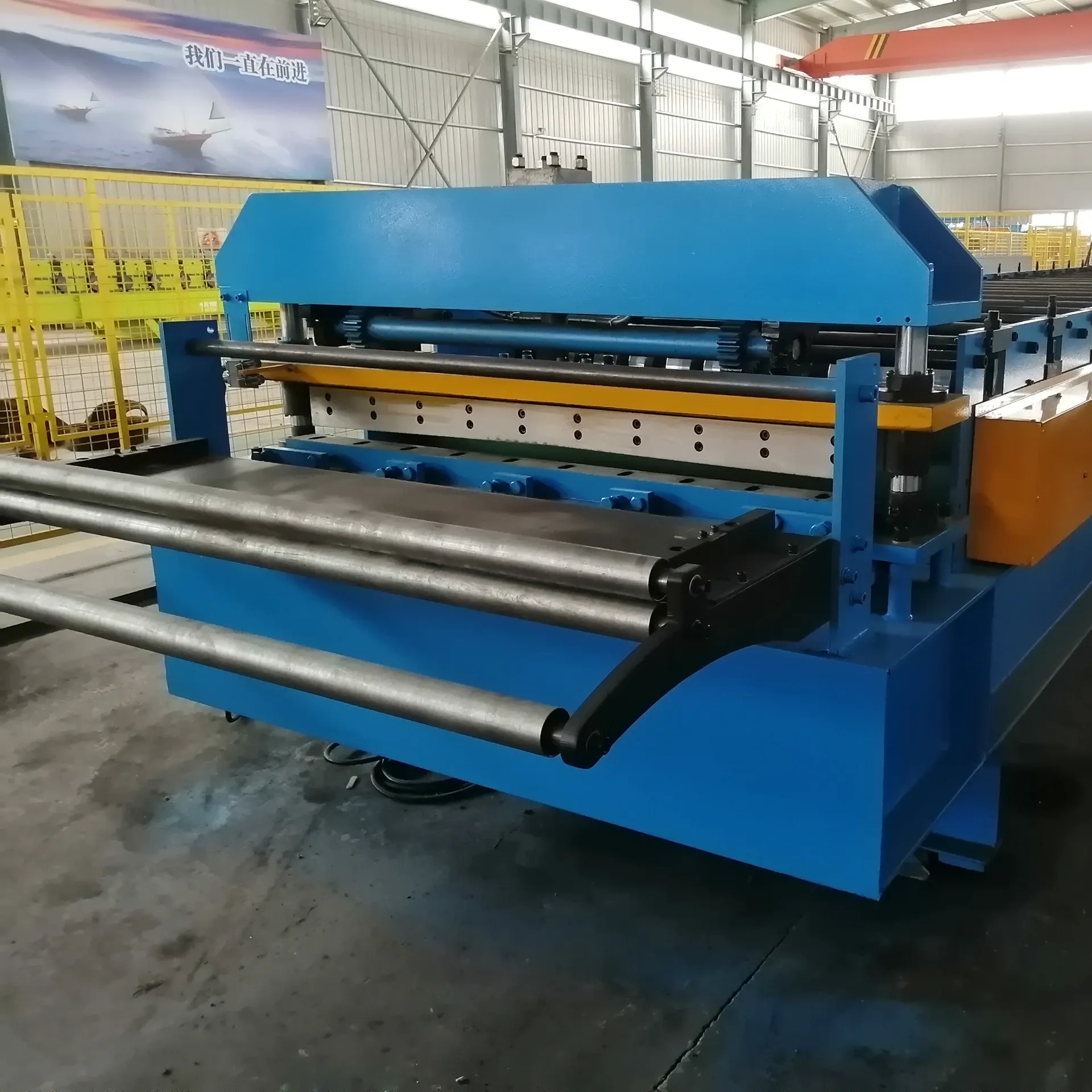
Fig 5: Advanced PLC Control Panel for Intuitive Operation
Conclusion
The glazed tile roll forming machine represents a pinnacle of modern manufacturing, delivering superior roofing solutions that blend aesthetic appeal with robust performance. From precision engineering and advanced automation to comprehensive after-sales support, these machines are vital assets for businesses operating in the construction and building materials sectors. Investing in a high-quality machine from a reputable supplier ensures long-term operational efficiency, consistent product quality, and a competitive edge in diverse markets.
References
- Steel Construction Institute. (2023). "Roll Forming Design and Applications: Principles and Practices." SCI Publications.
- International Organization for Standardization. (2020). "ISO 9001: Quality management systems – Requirements." Geneva, Switzerland.
- Metal Roofing Alliance. (2022). "Benefits of Metal Roofing in Modern Construction." Educational Resources.
- Advanced Manufacturing Journal. (2021). "Innovation in Cold Roll Forming Technologies for Sustainable Building Materials." Vol. 15, Issue 3, pp. 210-225.
- European Committee for Standardization. (2019). "EN 10346: Continuously hot-dip coated steel flat products." Brussels, Belgium.