
Glazed Tile Roll Forming Machine | High-Efficiency Panel Production
Introduction to Advanced Glazed Tile Roll Forming Technology
In the rapidly evolving landscape of modern construction and industrial manufacturing, the demand for high-performance, aesthetically pleasing, and durable roofing solutions is consistently on the rise. At the core of meeting this demand lies the sophisticated glazed tile roll forming machine. This specialized equipment is engineered to transform flat metal coils, typically Pre-Painted Galvanized Iron (PPGI), aluminum, or galvanized steel, into distinctive roof sheets that mimic the traditional appearance of clay or ceramic tiles, while offering superior structural integrity, weather resistance, and longevity. Unlike conventional tile manufacturing, roll forming technology offers unparalleled efficiency and cost-effectiveness for large-scale production.
The precision and adaptability of the glazed tile roll forming machine make it an indispensable asset for manufacturers striving for both quality and output. These machines are crucial for producing roofing materials used across diverse sectors, including residential, commercial, industrial, and agricultural buildings. Their ability to deliver consistent profiles, combined with robust construction materials, ensures that the resulting roof panels not only enhance the visual appeal of a structure but also provide reliable protection against environmental elements. This article delves into the intricate details of these machines, exploring their operational principles, technical specifications, application versatility, and the strategic advantages they offer in a competitive market.
Industry Trends and Market Dynamics for Glazed Tile Roofing
The global roofing market is experiencing significant shifts, driven by factors such as increasing urbanization, infrastructure development, and a growing emphasis on sustainable and energy-efficient building materials. Within this context, metal roofing, particularly that produced by a glazed tile roll forming machine, is gaining substantial traction. Key trends influencing this sector include:
- Automation and Smart Manufacturing: The integration of advanced PLC control systems, HMI (Human-Machine Interface), and even IoT (Internet of Things) capabilities is becoming standard. This leads to higher precision, reduced labor costs, and real-time production monitoring for ppgi glazed tile roofing making machine operations.
- Sustainability and Eco-Friendly Materials: There is a strong push towards using recyclable materials and processes that minimize waste. Metal roofing, being largely recyclable, aligns well with green building initiatives. Furthermore, advancements in cool roof coatings enhance energy efficiency by reflecting solar radiation.
- Customization and Aesthetic Diversity: Clients increasingly demand custom profiles, colors, and finishes to match specific architectural designs. Modern glazed tile roll forming machine technology offers unparalleled flexibility in producing a wide array of tile patterns, from classic Roman tiles to contemporary designs, often with quick die changeover systems.
- Durability and Longevity: Manufacturers are focusing on enhancing the lifespan of roofing materials through improved coatings (e.g., PVDF, SMP) and high-strength base metals. This translates into lower maintenance costs and longer service intervals for end-users, boosting the value proposition of a metal glazed tile roof.
- Increased Demand in Emerging Economies: Rapid construction growth in regions like Southeast Asia, Africa, and Latin America is fueling the demand for efficient and cost-effective roofing solutions, positioning glazed tile roll forming machine factory suppliers favorably.
These trends underscore the importance of robust and adaptable roll forming machinery. Companies that invest in state-of-the-art glazed tile roof panel machine with gear box technology are better positioned to meet market demands, reduce operational costs, and offer superior products.
Detailed Process Flow of a Glazed Tile Roll Forming Machine
The manufacturing of glazed tile roof sheets using a roll forming machine involves a precise, multi-stage process designed for efficiency and accuracy. Understanding this workflow is crucial for appreciating the technical sophistication of the equipment. Below is a detailed breakdown, often depicted through a linear production schematic:
1. Uncoiling and Loading
- Material: The process begins with large coils of pre-painted metal, typically PPGI (Pre-Painted Galvanized Iron), galvanized steel, or aluminum. These materials are chosen for their excellent formability, corrosion resistance, and paint adhesion.
- Equipment: An automatic or manual decoiler (also known as an uncoiler) holds the coil. Modern decoilers often feature hydraulic expansion for efficient coil loading and tension control, ensuring a steady feed.
2. Feeding and Guiding
- Purpose: To ensure the metal strip enters the roll forming section precisely centered and without deviation. Misalignment at this stage can lead to profile inconsistencies and material waste.
- Mechanism: A feeding guide mechanism, often with adjustable side rollers or plates, directs the strip. Some advanced systems incorporate sensors for real-time edge detection and automatic alignment adjustments.
3. Roll Forming Section
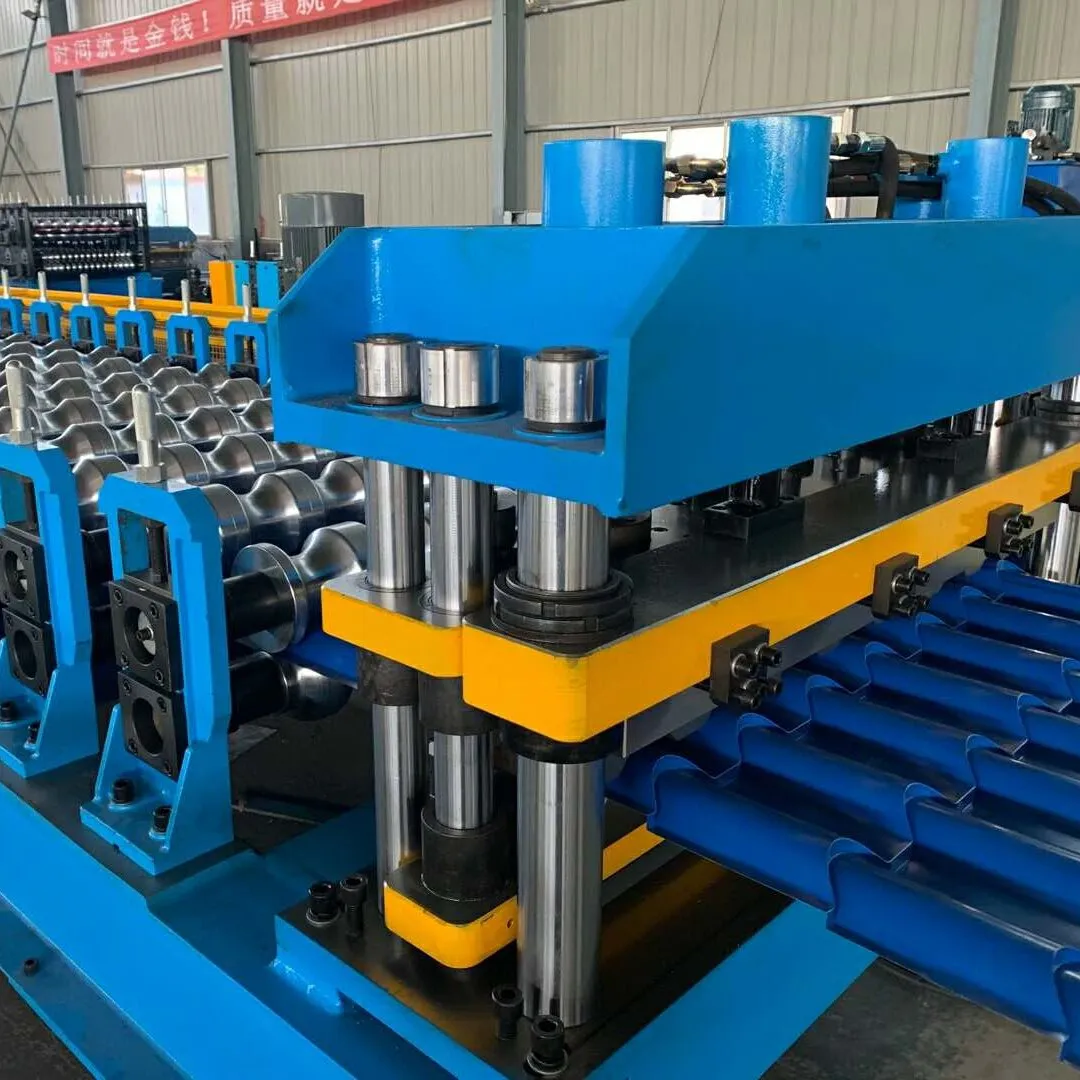
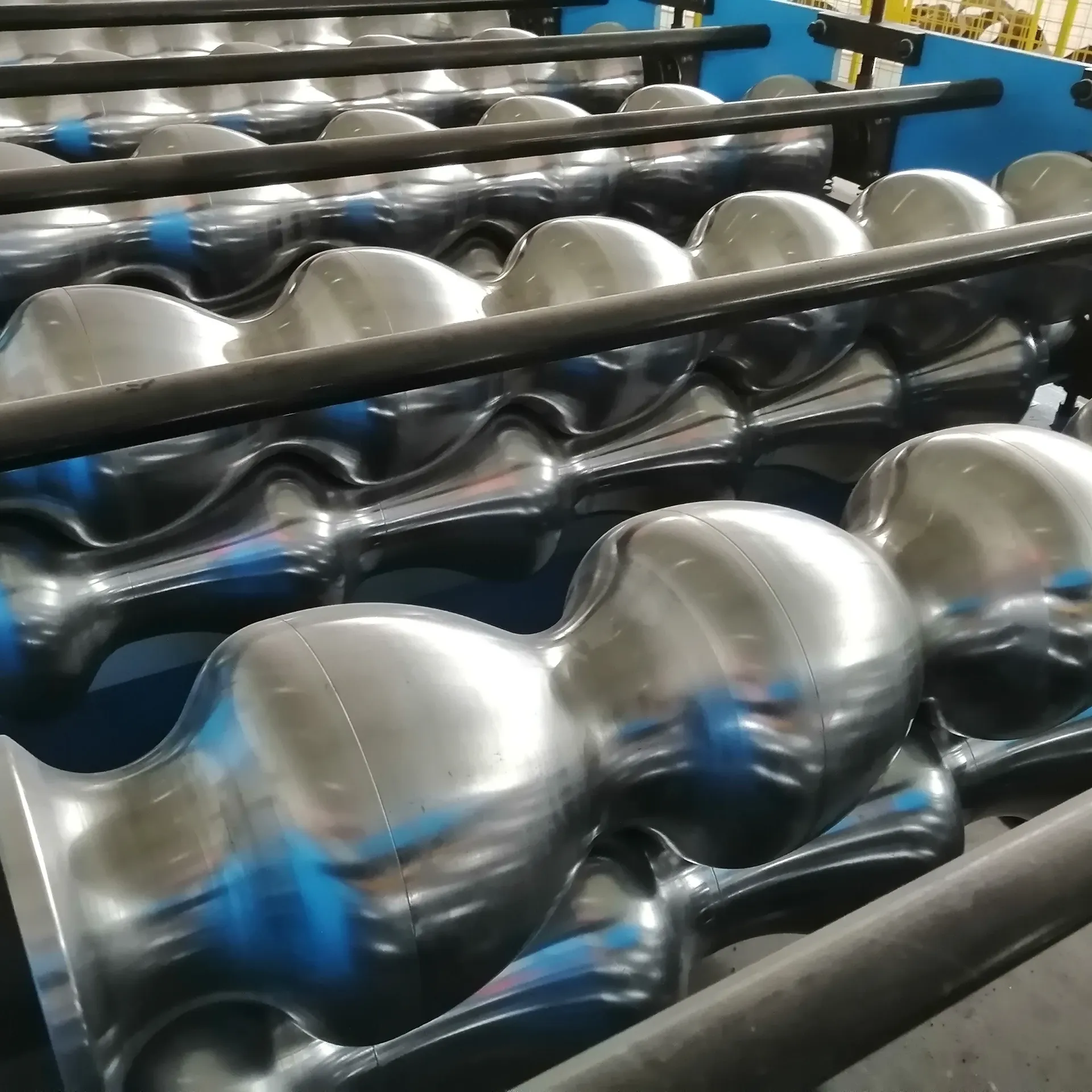
- Core Process: This is where the flat metal strip is gradually shaped into the desired glazed tile profile. It involves a series of precision-engineered rollers (forming stations). Each station incrementally bends the metal, slowly transforming its cross-section.
- Rollers: The rollers, typically made from high-grade tool steel (e.g., GCr15, 45# steel) and often precision-CNC machined, are chrome-plated to ensure durability, minimize friction, and prevent surface damage to the pre-painted coil. The number of forming stations (often 16-20 for glazed tiles) depends on the complexity of the profile. A higher number of stations generally allows for a more gradual and precise forming process, reducing stress on the material.
- Manufacturing Process (Machine Components): The rolls themselves undergo rigorous manufacturing, including CNC machining for profile accuracy, quenching and tempering for hardness (HRC58-62), and precision grinding. Machine frames are typically welded from high-strength structural steel, followed by stress relief and precision machining for mounting components, ensuring structural rigidity and long-term stability.
4. Pressing and Punching (Optional)
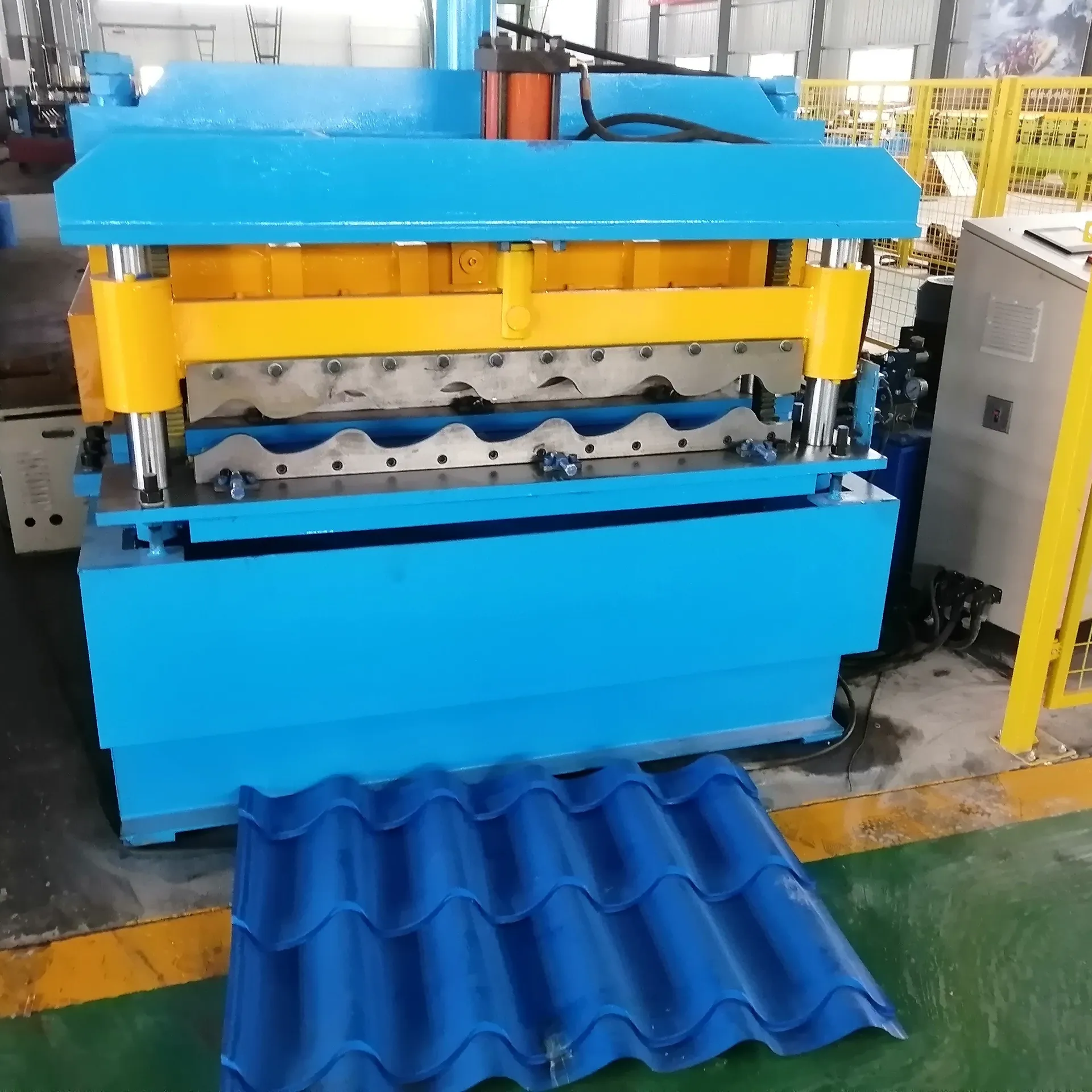
- Purpose: For specific tile profiles, a hydraulic or mechanical press may be integrated after the initial roll forming. This press imprints the characteristic tile pattern (e.g., step-like structure) and may include punching for screw holes or drainage features.
- Benefits: This step ensures a crisp, defined tile look and adds structural integrity to the finished panel.
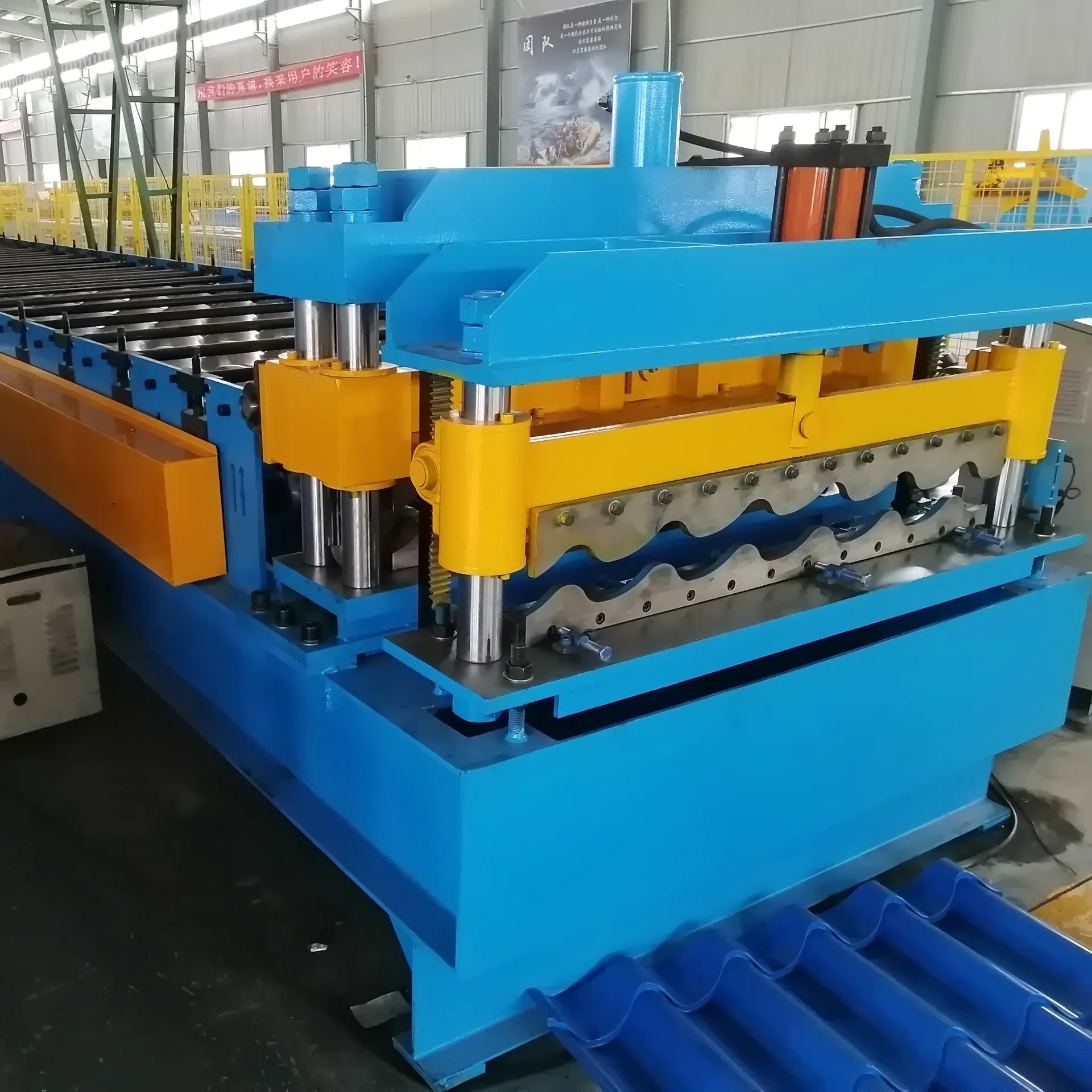
5. Cutting Mechanism
- Type: Most ppgi glazed tile roofing making machine setups employ a hydraulic or pneumatic cutting system. This typically consists of a pre-cut or post-cut shear, synchronized with the line speed.
- Accuracy: Controlled by the PLC system, the cutter ensures precise length measurements, minimizing material waste and ensuring consistent product dimensions. The blades are made from high-strength alloy steel, designed for thousands of cuts without significant wear.
6. Output Table and Stacking
- Collection: Finished roof panels are discharged onto an output table, which can be manual or automated.
- Stacking: For high-volume operations, automatic stackers can be integrated to neatly stack panels, preparing them for packaging and dispatch.
7. Control System (PLC)
- Brain of the Machine: A Programmable Logic Controller (PLC) is the central command unit, regulating all machine functions, from decoiling speed to cutting length and forming pressure. Popular brands include Siemens, Panasonic, and Mitsubishi.
- Interface: An HMI touchscreen allows operators to input parameters, monitor production, and troubleshoot issues, enhancing operational ease and precision.
Inspection Standards and Service Life
Adherence to international standards like ISO 9001 for quality management and ANSI (American National Standards Institute) for manufacturing practices ensures the reliability and performance of these machines. Components are often certified by CE for European markets. The average service life of a well-maintained glazed tile roll forming machine can exceed 15-20 years, thanks to robust design, high-quality materials, and precision manufacturing. Regular preventative maintenance, including lubrication, roller alignment checks, and electrical system inspection, is vital for achieving this longevity.
Applicable Industries and Advantages
While primarily serving the construction sector (residential, commercial, industrial roofing), the versatility of the components and materials used in the machine itself finds parallels in other heavy industries. For instance, the precision CNC machining of rollers and robust steel frame construction mirrors practices in metallurgy for coil processing lines, or in petrochemical applications requiring durable structural components. The machines produce roofing sheets suitable for:
- Energy Efficiency: Optimized motor power and efficient power transmission (often via chain drives or gearboxes, especially for a glazed tile roof panel machine with gear box) contribute to lower energy consumption per unit of output. Reduced material scrap due to precise cutting also minimizes waste and associated energy costs.
- Corrosion Resistance: The use of chrome-plated rollers and the ability to process pre-painted and galvanized coils ensure that the end product, the glazed tile roof sheet, offers excellent resistance to corrosion, vital for longevity in various climates. The machine's own structural components are often coated or treated for corrosion prevention to extend its operational life.
- High Production Volume: Continuous operation and automated processes allow for rapid production of roofing panels, meeting large project demands efficiently.
- Consistent Quality: PLC control and precision-engineered rollers ensure uniform profiles and dimensions for every panel.
Technical Parameters & Specifications: Glazed Tile Roof Sheet Roll Forming Machine
Understanding the technical specifications of a Glazed Tile Roof Sheet Roll Forming Machine is paramount for potential buyers and engineers. These parameters dictate the machine's performance, capacity, and suitability for specific production requirements. Below is a comprehensive table outlining typical specifications for a high-quality machine:
| Parameter | Specification Range | Notes |
|---|---|---|
| Product Name | Glazed Tile Roof Sheet Roll Forming Machine | Also known as Glazed Tile Roof Sheet Roll Forming Machine. |
| Suitable Material | PPGI, Galvanized Steel, Aluminum Coil | Yield Strength: 235-345 MPa. |
| Material Thickness | 0.3 - 0.7 mm (Common) | Customizable for specific project needs. |
| Input Coil Width | 1000 - 1250 mm | Standard widths for roofing applications. |
| Forming Speed | 8 - 15 m/min (Adjustable) | Speed varies with material thickness and profile complexity. |
| Roller Stations | 16 - 20 Groups | Dependent on tile profile complexity; higher for more detailed profiles. |
| Roller Material | High Grade #45 Steel, Chrome Plated | Quenching and Tempering HRC58-62. |
| Main Motor Power | 5.5 - 7.5 kW (Varies) | Based on required forming torque. |
| Hydraulic Station Power | 3 - 4 kW (for cutting/pressing) | Powers the cutting and optional pressing units. |
| Control System | PLC (e.g., Panasonic, Siemens) with HMI Touch Screen | Enables precise control and operation. |
| Cutting Type | Hydraulic Post-Cut | Ensures clean, burr-free cuts. |
| Frame Structure | Heavy Duty Steel Welded Structure | Ensures stability and vibration reduction. |
| Machine Dimensions (L x W x H) | Approx. 7.5m x 1.5m x 1.5m | Varies with configuration and number of stations. |
| Total Weight | Approx. 5 - 8 Tons | Reflects robust construction and material density. |
| Power Supply | 380V, 50Hz, 3 Phase (Customizable) | Adapted to local electrical standards. |
These specifications highlight the robust engineering behind a typical glazed tile roll forming machine. The precision of the roller design, the power of the hydraulic system, and the sophistication of the PLC control combine to produce high-quality roof panels efficiently and consistently. For specific applications or unique tile profiles, these parameters can often be customized by a reputable glazed tile roll forming machine factory.
Application Scenarios and Versatility of Glazed Tile Roofing Sheets
The architectural appeal and functional benefits of glazed tile roof sheets, produced by a high-efficiency glazed tile roll forming machine, make them highly adaptable across a spectrum of construction projects. Their ability to combine the classic aesthetic of traditional tiles with the durability and lightweight properties of metal opens up numerous application possibilities:
- Residential Buildings: From modern urban homes to suburban residences and vacation properties, glazed tile metal roofs offer a blend of elegance and long-term protection. Their lightweight nature reduces structural load compared to traditional clay tiles, simplifying construction and potentially lowering foundation costs.
- Commercial Complexes: Shopping malls, office buildings, and public institutions benefit from the machine's ability to produce large quantities of uniform panels, ensuring consistency across expansive roof areas. The aesthetic value also contributes to the overall curb appeal of commercial properties.
- Industrial Facilities and Warehouses: While industrial buildings often prioritize functionality, the ease of installation and low maintenance of metal glazed tile roofing makes them a practical choice. The corrosion-resistant properties of the raw material (PPGI) are particularly beneficial in environments exposed to various elements.
- Agricultural Structures: Barns, livestock shelters, and storage facilities require robust, weather-resistant roofing. Glazed tile profiles provide excellent water shedding and wind resistance, crucial for agricultural environments.
- Prefabricated and Modular Buildings: The standardized output of a glazed tile roll forming machine is ideal for modular construction, where components are manufactured off-site and assembled quickly on-site. This efficiency aligns perfectly with the rapid deployment often required in prefabricated projects.
- Renovation and Restoration Projects: For historical buildings or properties undergoing renovation, glazed tile metal roofs can replicate traditional appearances while offering superior modern performance and a significantly longer lifespan compared to older materials.
The versatility extends beyond the building type to environmental conditions. Glazed tile metal roofs perform exceptionally well in various climates, from areas prone to heavy snow loads (due to their strength and ability to shed snow) to regions with high winds (when properly installed, their interlocking nature provides excellent uplift resistance). Their reflective properties, especially with lighter color coatings, also contribute to thermal comfort and energy savings in hot climates, reducing reliance on air conditioning.
Technical Advantages of Modern Glazed Tile Roll Forming Machines
Investing in a state-of-the-art glazed tile roll forming machine offers numerous technical and operational advantages that translate directly into business benefits for roofing manufacturers and construction companies. These machines are designed to optimize production, enhance product quality, and reduce operational complexities:
- High Precision and Consistency: Through CNC-machined rollers and advanced PLC control, these machines ensure extremely tight tolerances in profile dimensions. This precision is critical for seamless panel interlocking during installation, preventing leaks and enhancing structural integrity. The repeatability of the process eliminates variations commonly seen in less automated systems.
- Superior Production Efficiency: With forming speeds ranging from 8 to 15 meters per minute, a single ppgi glazed tile roofing making machine can produce thousands of square meters of roofing sheets daily. This high output capacity is crucial for meeting tight project deadlines and fulfilling large orders efficiently.
- Versatile Profile Production: Modern machines are often designed with quick-change tooling systems, allowing manufacturers to switch between different glazed tile profiles (e.g., Roman, European, Oriental tile designs) with minimal downtime. This versatility caters to diverse architectural demands and market trends.
- Optimized Material Utilization: Precise length cutting and minimal material wastage due to advanced control systems significantly reduce scrap rates. This leads to substantial cost savings on raw materials, improving the overall profitability of the manufacturing operation.
- Low Maintenance and High Durability: Constructed from robust materials such as quenched and tempered tool steel for rollers and heavy-duty structural steel for the main frame, these machines are built for longevity. Components like the gearbox in a glazed tile roof panel machine with gear box ensure smooth, powerful, and reliable operation with reduced wear compared to chain-driven systems, requiring less frequent maintenance.
- Enhanced Safety Features: Modern roll forming machines incorporate safety measures such as emergency stop buttons, protective guarding around moving parts, and sensor-based safety interlocks. These features protect operators and comply with international safety standards (e.g., CE marking).
- User-Friendly Operation: Intuitive HMI touch screens with graphical interfaces simplify machine setup, parameter adjustments, and real-time monitoring. This reduces the learning curve for operators and minimizes potential errors.
These technical advantages collectively position the glazed tile roll forming machine as a strategic investment for businesses aiming to produce high-quality, competitive roofing products. The blend of automation, precision, and robust construction ensures a reliable and profitable manufacturing operation.
Choosing the Right Supplier: Manufacturer Comparison
Selecting the optimal supplier for a glazed tile roll forming machine is a critical decision that impacts long-term operational efficiency, product quality, and return on investment. The market offers a range of glazed tile roll forming machine suppliers, each with distinct strengths. A thorough evaluation should consider several key factors beyond just the initial price:
| Evaluation Criterion | Leading Suppliers | Mid-Tier Suppliers | Emerging Suppliers |
|---|---|---|---|
| Experience & Reputation | 20+ years, global presence, strong testimonials. Highly authoritative in the industry. | 10-20 years, regional focus, growing reputation. | <10 years, new to market, competitive pricing. |
| Technology & Innovation | Cutting-edge R&D, advanced PLC, IoT readiness, high-speed designs (e.g., advanced glazed tile roof panel machine with gear box systems). Expertise reflected in patented designs. | Modern designs, standard automation. | Basic automation, focus on core functionality. |
| Product Quality & Durability | Premium components (Siemens, SKF), precision machining (CNC), ISO/CE certified. Long service life. | Good quality components, reliable performance. | Standard components, variable quality. |
| Customization Capabilities | Extensive customization for profiles, material types, automation levels, integrated lines. Can tailor any ppgi glazed tile roofing making machine. | Limited customization options. | Standard configurations only. |
| After-Sales Support & Service | Global service network, remote diagnostics, rapid spare parts, experienced technical support. Comprehensive warranty. Demonstrated commitment to client feedback. | Regional support, slower response. | Basic support, potential language barriers. |
| Pricing & Value Proposition | Higher initial investment, but superior TCO (Total Cost of Ownership) due to efficiency, reliability, and longevity. Excellent value. | Mid-range pricing, fair value. | Lower initial cost, but potentially higher long-term operational expenses. |
When evaluating glazed tile roll forming machine suppliers, it's essential to look for those who demonstrate a deep understanding of metal forming technology, have a proven track record of successful installations, and offer comprehensive post-sales support. Visiting the glazed tile roll forming machine factory, if possible, can provide invaluable insight into their manufacturing quality, R&D capabilities, and overall operational standards. Seeking references from existing clients also offers practical insights into their experience with the supplier's products and services.
Customized Solutions for Glazed Tile Roll Forming Machines
While standard glazed tile roll forming machine configurations meet a broad range of needs, many projects or business strategies require bespoke solutions. Reputable glazed tile roll forming machine suppliers understand this demand for flexibility and offer extensive customization options to ensure the equipment perfectly aligns with specific production goals and market demands. Customization can involve various aspects of the machine and the entire production line:
- Profile Design and Tooling: The most common customization is for specific tile profiles. Whether it's replicating a unique architectural style, developing a new proprietary design, or adapting to regional aesthetic preferences, the rollers and pressing dies can be engineered to produce virtually any glazed tile pattern. This requires advanced CAD/CAM design and precision CNC machining for the rollers.
- Material Compatibility: While PPGI, galvanized steel, and aluminum are standard, some applications might require processing other materials or a wider range of thicknesses. Machines can be reinforced or specialized components (e.g., different roller materials or coatings) can be integrated to handle specific material properties, such as higher tensile strength or softer metals.
- Automation Level: From semi-automatic setups with manual feeding to fully integrated, lights-out production lines, the level of automation can be tailored. This includes automatic coil loading, robotic stacking systems, online quality inspection, and seamless integration with Enterprise Resource Planning (ERP) systems. For a ppgi glazed tile roofing making machine operating in high-volume settings, full automation is often highly beneficial.
- Line Speed and Production Capacity: Depending on the required output, the machine's forming speed, motor power, and overall throughput can be adjusted. This may involve a higher number of forming stations for gradual shaping at higher speeds or more powerful drive systems, such as a robust glazed tile roof panel machine with gear box for consistent, high-torque operation.
- Cutting and Punching Integration: Specific cutting geometries or punching patterns (e.g., for drainage holes, interlocking features, or custom fastening points) can be integrated into the cutting unit, eliminating the need for secondary processing.
- Post-Processing Integration: Custom solutions often include the integration of additional equipment post-forming, such as automatic stackers, packaging lines, or even protective film applicators, creating a complete end-to-end manufacturing solution.
- Environmental Adaptations: For operations in extreme climates (e.g., very cold or very humid environments), machines can be designed with specialized heating, cooling, or corrosion protection features to ensure optimal performance and longevity.
The process of developing a customized solution typically involves a detailed consultation with the client to understand their precise requirements, followed by engineering design, simulation, manufacturing, and rigorous testing. This collaborative approach ensures that the final glazed tile roll forming machine delivers optimal performance and maximum value for the client's unique business context.
Application Cases and Success Stories
The practical impact of a high-quality glazed tile roll forming machine is best illustrated through real-world application cases. While specific client names are often confidential, the scenarios below highlight how these machines have enabled businesses to achieve significant operational improvements and market successes:
Case Study 1: Large-Scale Residential Development in Southeast Asia
A prominent construction firm embarking on a major housing project required a consistent supply of durable, aesthetically pleasing roofing. They partnered with a leading glazed tile roll forming machine factory to procure a high-speed ppgi glazed tile roofing making machine capable of producing 1200 square meters of roofing sheets per 8-hour shift. The machine’s integrated hydraulic cutting system and advanced PLC control ensured minimal material waste and precise panel lengths, reducing on-site installation time by 25%. The consistent quality and elegant tile profile produced contributed significantly to the rapid sale of the residential units and positive client feedback regarding the longevity and visual appeal of the roofs.
Case Study 2: Industrial Complex Expansion in the Middle East
An industrial developer needed robust and corrosion-resistant roofing for a new manufacturing plant in a high-humidity environment. They invested in a customized glazed tile roll forming machine designed to handle thicker galvanized steel coils (up to 0.8 mm) with a specialized coating application system. The machine's heavy-duty frame and a precise glazed tile roof panel machine with gear box ensured stable operation and uniform tile formation even with challenging materials. The resulting roof panels provided superior thermal insulation and exceptional corrosion protection, leading to long-term energy savings and reduced maintenance for the facility.
Case Study 3: Remote Agricultural Project in Latin America
A cooperative undertaking the construction of numerous agricultural storage units in a remote region required a machine that was not only reliable but also easy to operate and maintain with limited technical support. They chose a standardized, yet robust, glazed tile roll forming machine model known for its user-friendly HMI and reliable mechanical components. The ability to produce roofing on-site drastically reduced transportation costs and logistical challenges, while the machine's consistent output ensured all structures received uniform, high-quality roofing, protecting crops and livestock effectively.
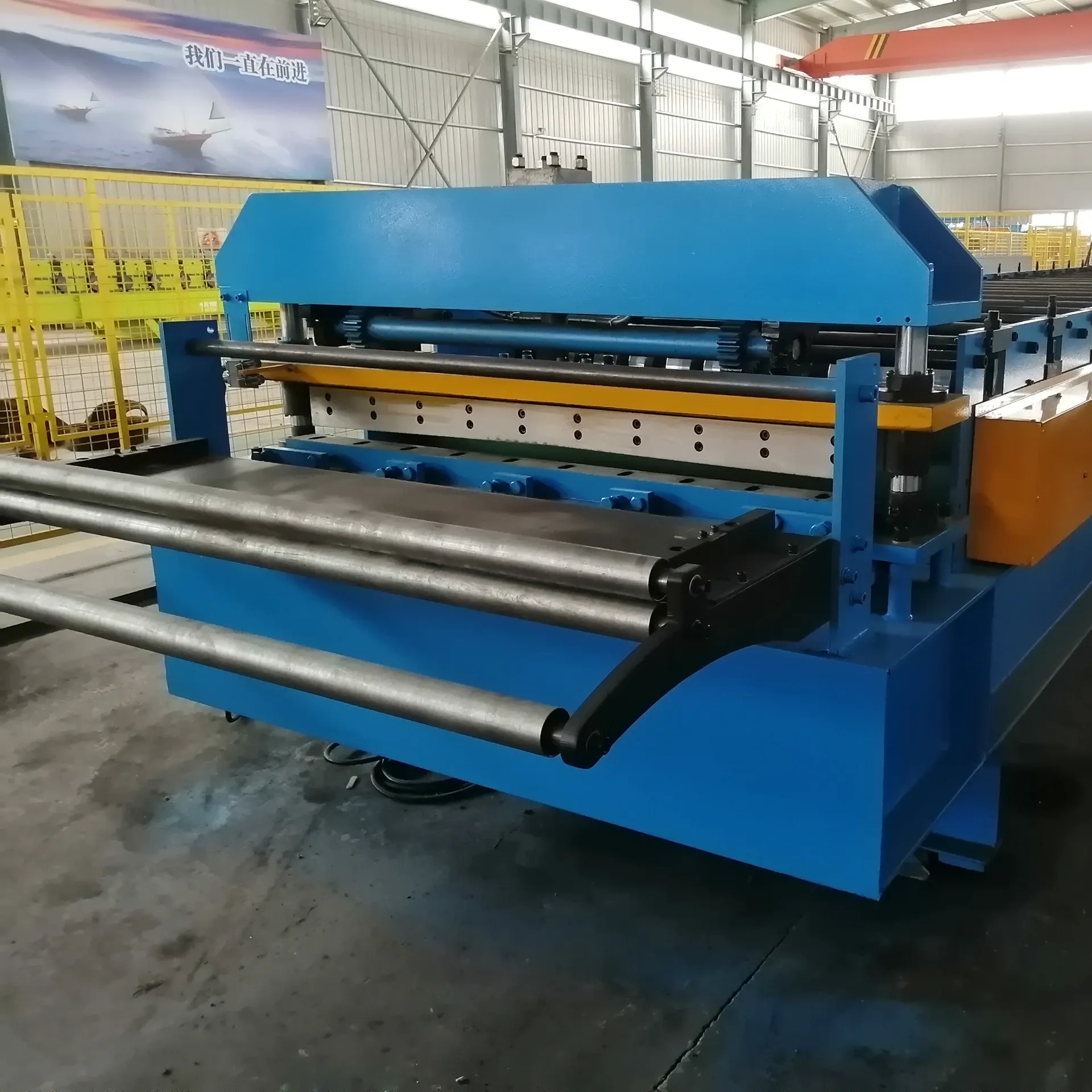
These examples underscore the critical role of the glazed tile roll forming machine in diverse global markets. They highlight the machines' adaptability, efficiency, and their contribution to successful project completion by providing high-quality, cost-effective roofing solutions.
Frequently Asked Questions (FAQ) about Glazed Tile Roll Forming Machines
Q1: What materials can a glazed tile roll forming machine process?
A1: A standard glazed tile roll forming machine is primarily designed to process pre-painted galvanized iron (PPGI), galvanized steel, and aluminum coils. The specific thickness range usually falls between 0.3 mm and 0.7 mm, though custom machines can handle wider ranges or other specialized metal alloys.
Q2: What is the typical production speed of these machines?
A2: The production speed of a ppgi glazed tile roofing making machine typically ranges from 8 to 15 meters per minute. This speed can vary depending on the complexity of the tile profile, the material thickness, and the level of automation. Higher-end machines with optimized drive systems (like a glazed tile roof panel machine with gear box) and advanced PLC controls can achieve speeds at the higher end of this range or even faster.
Q3: How durable are the rollers, and what are they made of?
A3: The rollers are critical components for the performance and longevity of a glazed tile roll forming machine. They are typically made from high-grade steel, such as #45 steel or GCr15 steel, which undergoes precision CNC machining, quenching, and tempering processes to achieve a high hardness (HRC58-62). Furthermore, they are often chrome-plated to enhance surface hardness, reduce friction, and prevent wear and corrosion. With proper maintenance, rollers can last for many years, producing millions of meters of roofing material.
Q4: What kind of maintenance does a roll forming machine require?
A4: Regular maintenance is crucial for optimal performance and longevity. This includes daily checks for lubrication, periodic inspection of rollers for wear or damage, ensuring the alignment of forming stations, checking hydraulic oil levels, and inspecting electrical connections. Adhering to the manufacturer's maintenance schedule provided by glazed tile roll forming machine suppliers will significantly extend the machine's service life.
Q5: Can the machine produce different tile profiles?
A5: Yes, many modern glazed tile roll forming machine models are designed for versatility. While a single set of rollers produces one specific profile, suppliers often offer interchangeable tooling sets. This allows the machine to produce different glazed tile profiles (e.g., Roman tile, classic tile, wave tile) by changing the roller dies, though this process may involve some downtime depending on the complexity of the changeover system.
Delivery Cycle and Quality Assurance for Glazed Tile Roll Forming Machines
Delivery Cycle
The delivery cycle for a glazed tile roll forming machine typically varies based on the level of customization and the manufacturer's current production schedule. For standard models, the lead time from order confirmation to shipment generally ranges from 45 to 75 business days. Highly customized machines, especially those requiring unique roller designs or complex integrations, may have a longer lead time, often extending to 90-120 days. Reputable glazed tile roll forming machine factory facilities prioritize clear communication regarding delivery timelines and provide regular updates to clients throughout the manufacturing process.
Quality Assurance and Warranty
Quality assurance is a cornerstone of reliable glazed tile roll forming machine suppliers. Before shipment, each machine undergoes rigorous testing to ensure it meets specified performance parameters and quality standards. This includes:
- Component Inspection: All critical components, such as bearings, motors, hydraulic pumps, and electrical parts (e.g., from Siemens, Panasonic), are sourced from certified suppliers and thoroughly inspected upon arrival.
- Assembly Quality Control: Precision assembly processes are followed, often adhering to ISO 9001 quality management standards. Tolerances are meticulously checked at each stage.
- Trial Run and Performance Testing: Every ppgi glazed tile roofing making machine undergoes a comprehensive trial run using actual coil material to verify forming accuracy, cutting precision, speed, and overall operational stability. Data such as sheet dimensions, forming consistency, and energy consumption are recorded and analyzed.
- Safety Compliance: Machines are designed and tested to meet international safety standards, including CE certification for European markets, ensuring operator safety.
Upon successful completion of testing, the machine is typically covered by a comprehensive warranty. A standard warranty for a glazed tile roll forming machine usually ranges from 12 to 24 months, covering manufacturing defects and component failures under normal operating conditions. Beyond the warranty period, professional glazed tile roll forming machine suppliers offer robust after-sales support, including:
- Technical Support: Access to experienced engineers for troubleshooting via phone, email, or video calls.
- Spare Parts Supply: Guaranteed availability of genuine spare parts for the machine's entire service life, ensuring minimal downtime.
- On-Site Service: For complex issues or major repairs, technicians can be dispatched for on-site diagnosis and repair.
- Training: Comprehensive training programs for client's operators and maintenance staff, either at the factory or on-site, to ensure proficient operation and basic troubleshooting.
This commitment to quality assurance and extensive after-sales support ensures that clients receive not just a machine, but a reliable, long-term production partner, maximizing the operational lifespan of their glazed tile roll forming machine.
Conclusion: The Strategic Imperative of Advanced Roll Forming Technology
The glazed tile roll forming machine stands as a testament to modern engineering excellence, merging the aesthetic appeal of traditional tile roofing with the structural benefits and manufacturing efficiency of metal. From its precise operational flow, involving sophisticated decoiling, multi-stage roll forming, and automated cutting, to its robust construction with high-grade materials and advanced PLC controls, every aspect of these machines is engineered for optimal performance. The ability to process various materials like PPGI and galvanized steel into durable, corrosion-resistant, and aesthetically versatile roof sheets makes them invaluable across residential, commercial, industrial, and agricultural applications.
As the construction industry continues to embrace sustainable practices, automation, and customization, the role of a high-performance ppgi glazed tile roofing making machine becomes even more critical. The advantages extend beyond mere production capacity; they encompass enhanced product quality, reduced material waste, increased operational safety, and a lower total cost of ownership. The market offers a range of glazed tile roll forming machine suppliers, each with varying capabilities, from standard models to highly customized solutions featuring advanced components like a glazed tile roof panel machine with gear box for superior drive efficiency.
For businesses looking to capitalize on the growing demand for durable and attractive metal roofing, investing in a leading glazed tile roll forming machine is not merely a purchase—it is a strategic imperative. It's an investment in efficiency, quality, versatility, and a competitive edge that ensures the ability to meet diverse market needs and maintain leadership in the evolving landscape of modern construction. By choosing a reputable glazed tile roll forming machine factory and prioritizing comprehensive after-sales support and technical expertise, manufacturers can ensure long-term profitability and success in the dynamic roofing sector.
References
- Metals Industry Research Institute. "Advances in Cold Roll Forming Technologies for Architectural Applications," Journal of Metal Processing, Vol. 45, No. 3, 2022, pp. 112-128.
- International Association for Metal Building Manufacturers. "Standards and Best Practices for Roll-Formed Metal Roofing," Technical Publication, 2021, pp. 34-51.
- Institute of Material Science and Engineering. "Corrosion Resistance and Coating Technologies for Pre-Painted Galvanized Steel," Research Paper, 2023, pp. 78-95.
- Construction Technology Review. "The Impact of Automation on Metal Roofing Production Efficiency," Annual Report, 2024, pp. 15-22.
- Global Building Materials Market Analysis. "Trends in Lightweight Roofing Solutions and Sustainability," Industry Report, 2023, pp. 60-75.