
Keel Roll Forming Machine: High-Efficiency & Precision Manufacturing
The Evolution and Precision of Keel Roll Forming Technology
In the dynamic landscape of modern construction, precision and efficiency are paramount. The keel roll forming machine stands as a cornerstone technology, indispensable for producing high-quality metal profiles used in ceiling systems, drywall partitions, and other structural applications. This specialized equipment transforms flat sheet metal into intricate, consistent profiles with exceptional accuracy, driving productivity and material optimization across the building and infrastructure sectors.
This article delves into the intricate workings, market trends, and strategic advantages offered by advanced keel roll forming solutions, providing a comprehensive guide for industry professionals seeking to leverage this vital technology.
Industry Trends: Shaping the Future of Light Keel Production
The global market for light steel keel profiles is experiencing robust growth, driven by urbanization, increasing demand for modular construction, and advancements in building materials. Key trends influencing the development and adoption of modern keel roll forming machine technology include:
- Automation and Smart Manufacturing: Integration of advanced PLC control systems, IoT, and AI for predictive maintenance and optimized production flows. This minimizes manual intervention, reduces errors, and enhances output.
- High-Speed Production: The demand for faster cycle times without compromising accuracy drives innovation in machine design, particularly for china light keel roll forming machine manufacturers.
- Material Versatility: Expanding capabilities to process a wider range of materials, including various grades of galvanized steel, pre-painted steel, and sometimes aluminum, with diverse thicknesses.
- Customization and Flexibility: The market increasingly demands machines capable of producing multiple profiles with rapid changeover times, catering to specific architectural and structural requirements. Leading light keel roll forming machine suppliers are focusing on modular designs.
- Energy Efficiency and Sustainability: Design improvements focusing on reducing power consumption, optimizing material utilization, and minimizing waste align with global sustainability initiatives.
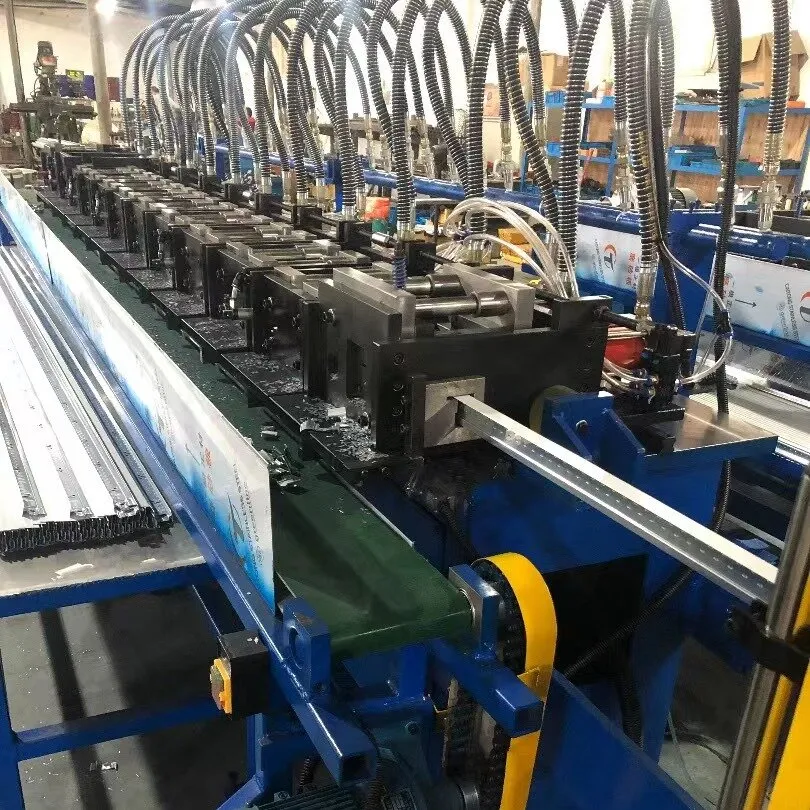
Detailed Process Flow: Manufacturing Precision Keel Profiles
The manufacturing of light steel keel profiles via a keel roll forming machine is a highly precise and automated process, ensuring consistent product quality and dimensional accuracy. The typical workflow encompasses several critical stages:
1. Material Selection and Uncoiling
Materials: The primary material for keel profiles is typically galvanized steel, ranging from 0.3 mm to 1.2 mm in thickness. Galvanization provides superior corrosion resistance, critical for long service life in various environmental conditions. Other materials like pre-painted steel or specific aluminum alloys are also used for specialized applications.
The process begins with an uncoiler (decoiler) that holds and feeds the large coil of sheet metal into the machine. Tension control systems ensure smooth, consistent feeding without slippage or damage.
2. Feeding and Leveling
The material passes through a feeding guide and often a leveling device (flattener) to remove any coil set or curvature, ensuring the strip is perfectly flat before entering the roll forming section. This step is crucial for achieving dimensional accuracy in the final product.
3. Roll Forming Stations
This is the core of the process. The flat metal strip sequentially passes through a series of precisely designed roller dies. Each set of rollers progressively bends and shapes the metal, gradually forming the desired profile. The number of forming stations varies depending on the complexity of the profile, typically ranging from 8 to 24 or more. This gradual shaping minimizes stress on the material, ensuring structural integrity and precise dimensions. Rolls are typically made from hardened tool steel (e.g., Cr12Mov or GCr15), undergoing CNC machining for accuracy and heat treatment for durability, extending service life.
Schematic Steps of Roll Forming:
- Entry Guide: Aligns strip.
- Pre-Punching/Notching (Optional): Creates holes or cut-outs before forming.
- Forming Stages (Progressive): Multiple sets of rollers gradually bend the material.
- Sizing/Finishing Stages: Fine-tune dimensions and final shape.
- Post-Cutting: Shears the formed profile to desired length.
4. Cutting and Punching
After the profile is fully formed, a hydraulic or pneumatic cutting device precisely cuts the continuous profile to the programmed length. Modern machines often integrate punching dies for creating screw holes or interlocking features during the cutting process (often "post-punching and cutting" or "on-the-fly" cutting for high speed).
5. Outfeed and Stacking
The finished profiles are guided onto an outfeed table and then typically stacked automatically or manually for packaging and storage. This ensures efficient handling and prevents damage to the finished products.
6. Quality Control and Testing Standards
Throughout the process, stringent quality control measures are implemented. Key parameters such as dimensional accuracy, material thickness, coating integrity, and surface finish are continuously monitored. Machines and processes adhere to international standards like ISO 9001 for quality management systems and often CE directives for safety in the European market. Test data includes profile tolerance measurements (e.g., ±0.2 mm for critical dimensions), material yield strength, and coating adhesion tests. These ensure the profiles meet specific structural and aesthetic requirements for industries such as petrochemical, metallurgy, and water supply & drainage where integrity is paramount.
Service Life: A well-maintained keel roll forming machine, built with robust components and precise engineering, can have an operational service life exceeding 15-20 years. Key factors influencing longevity include roller material, bearing quality, and the sophistication of the control system.
Technical Specifications: Leading-Edge Keel Roll Forming Machines
Modern keel roll forming machine models are engineered for high performance and reliability. The following table illustrates typical technical parameters of an advanced Automatic T Ceiling Production Line, emphasizing precision and operational efficiency.
| Parameter | Value / Description |
|---|---|
| Material Type | Galvanized Steel, Pre-painted Steel |
| Material Thickness | 0.3 - 0.8 mm (Customizable up to 1.2 mm) |
| Forming Speed | Up to 40 m/min (adjustable) |
| Number of Forming Stations | 18 - 26 stations (profile dependent) |
| Main Motor Power | 5.5 kW - 11 kW (depending on model) |
| Cutting System | Hydraulic Punching & Cutting (on-the-fly) |
| Control System | PLC Control with Touch Screen HMI (e.g., Siemens, Panasonic) |
| Roll Material | Cr12Mov or GCr15 steel, Quenched HRC58-62 |
| Machine Dimensions (L x W x H) | Approx. 8m x 1.5m x 1.5m (varies by profile) |
| Weight | Approx. 6 - 12 Tons |
| Profile Types | Main Runner, Cross Runner, Wall Angle, Drywall Stud/Track (with interchangeable tooling) |
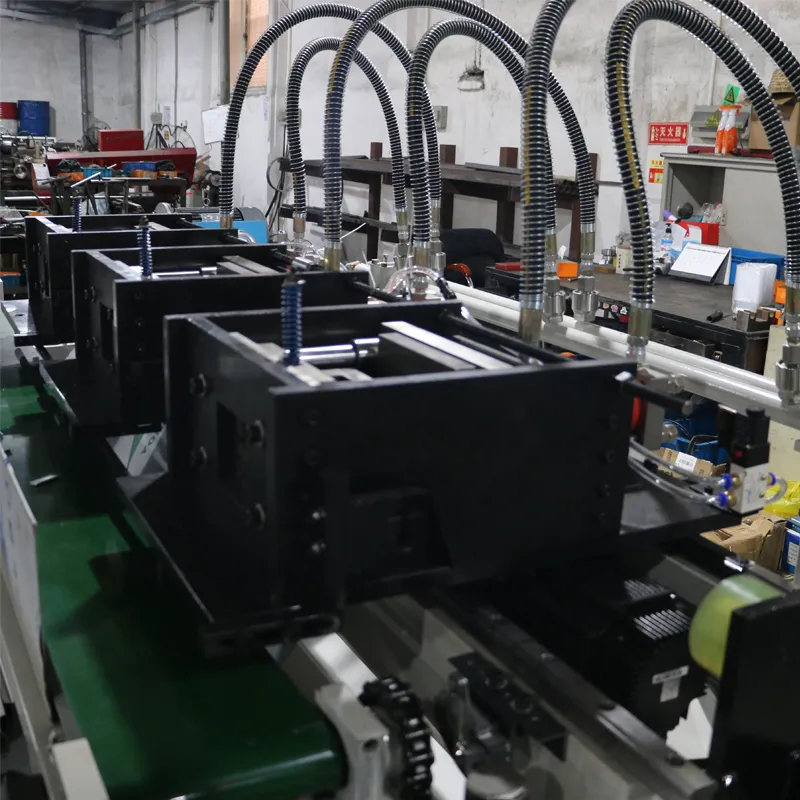
Application Scenarios & Technical Advantages
The versatility of the keel roll forming machine allows its application across a broad spectrum of industries, primarily within construction and architectural sectors. Its technical advantages are directly translated into tangible benefits for end-users.
Typical Application Scenarios:
- Suspended Ceiling Systems: Production of T-bar main runners, cross runners, and wall angles that form the grid for acoustic or decorative ceiling panels. These systems are ubiquitous in commercial, institutional, and residential buildings.
- Drywall Framing Systems: Manufacturing of C-studs, U-tracks, and furring channels for interior partition walls and exterior sheathing. The precise dimensions ensure easy assembly and structural integrity.
- Light Steel Trusses and Joists: Specialized profiles for structural elements in light gauge steel construction, offering lightweight yet robust frameworks.
- HVAC Duct Reinforcement: Profiles used to stiffen and support large sheet metal ductwork, enhancing durability and preventing vibration.
Demonstrated Technical Advantages:
- Energy Saving: Optimized production processes and efficient motor systems significantly reduce energy consumption per lineal meter of profile. Additionally, the ability to produce precise lengths minimizes material waste, translating to less scrap and lower energy expenditure for recycling.
- Corrosion Resistance: By using pre-galvanized or pre-painted steel, the roll forming process preserves the protective coating, ensuring the finished profiles maintain excellent corrosion resistance. This extends the service life of building components, particularly in environments susceptible to moisture or chemical exposure.
- High Precision and Consistency: Advanced roll tooling and PLC controls ensure dimensional accuracy within tight tolerances, critical for easy and quick assembly on construction sites. This reduces rework and installation time.
- Cost-Effectiveness: High production speeds, minimal labor requirements, and efficient material usage lead to a lower per-unit cost of finished profiles, offering a competitive edge for manufacturers.
- Structural Integrity: The cold forming process increases the material's yield strength, making the profiles stronger and more rigid without increasing material thickness, thereby optimizing load-bearing capacity.
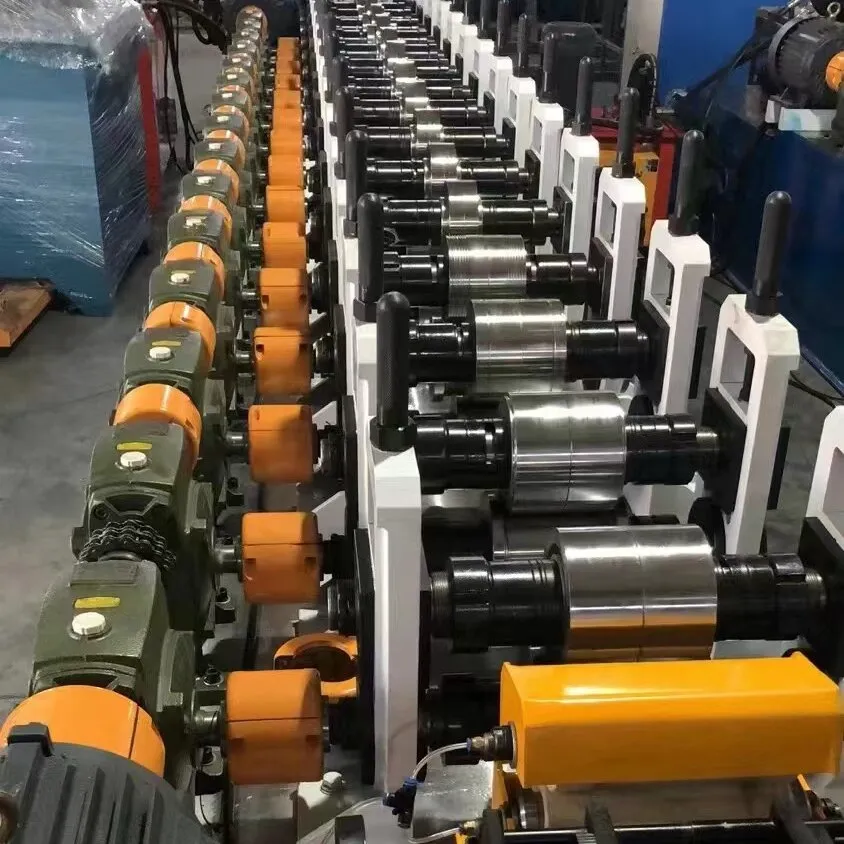
Vendor Comparison: Selecting the Right Light Keel Roll Forming Machine Supplier
Choosing the optimal light keel roll forming machine suppliers requires careful consideration of various factors beyond initial cost. Reputable suppliers offer not just machinery, but comprehensive solutions encompassing quality, customization, and after-sales support. Below is a comparison of key factors when evaluating potential vendors:
| Feature/Vendor Type | Premium/OEM Supplier (e.g., Yowin Machine) | Standard/Mass Production Supplier |
|---|---|---|
| Machine Quality & Durability | High-grade components (Cr12Mov, Siemens/Panasonic PLC), precision engineering, robust frame. Long service life (15-20+ years). | Standard components, adequate for basic operations. Shorter service life (8-12 years). |
| Customization & Flexibility | Extensive OEM capabilities: bespoke profiles, multi-profile systems with quick changeover, integrated automation. An oem light keel roll forming machine offers tailored solutions. | Limited customization, primarily standard profiles. Longer changeover times. |
| Technical Support & Training | Comprehensive pre-sales consultation, on-site installation, operator training, remote diagnostics, readily available spare parts. | Basic documentation, limited remote support. Spare parts may have longer lead times. |
| Production Speed & Efficiency | High-speed operation (up to 40 m/min), optimized material utilization, minimal downtime due to advanced automation. | Moderate speeds (15-25 m/min), potential for higher material waste, more manual adjustments. |
| Certifications & Standards | Adherence to international standards (ISO 9001, CE), rigorous internal testing, clear test data. | May meet basic local standards, less transparent certification process. |
Investing in a high-quality light keel roll forming machine factory like Yowin Machine ensures not only superior product output but also long-term operational stability and a stronger return on investment through reduced maintenance and enhanced production capabilities. Authoritative references like company certifications (e.g., ISO 9001:2015 for quality management) and long-standing partnerships with major construction firms underscore reliability.
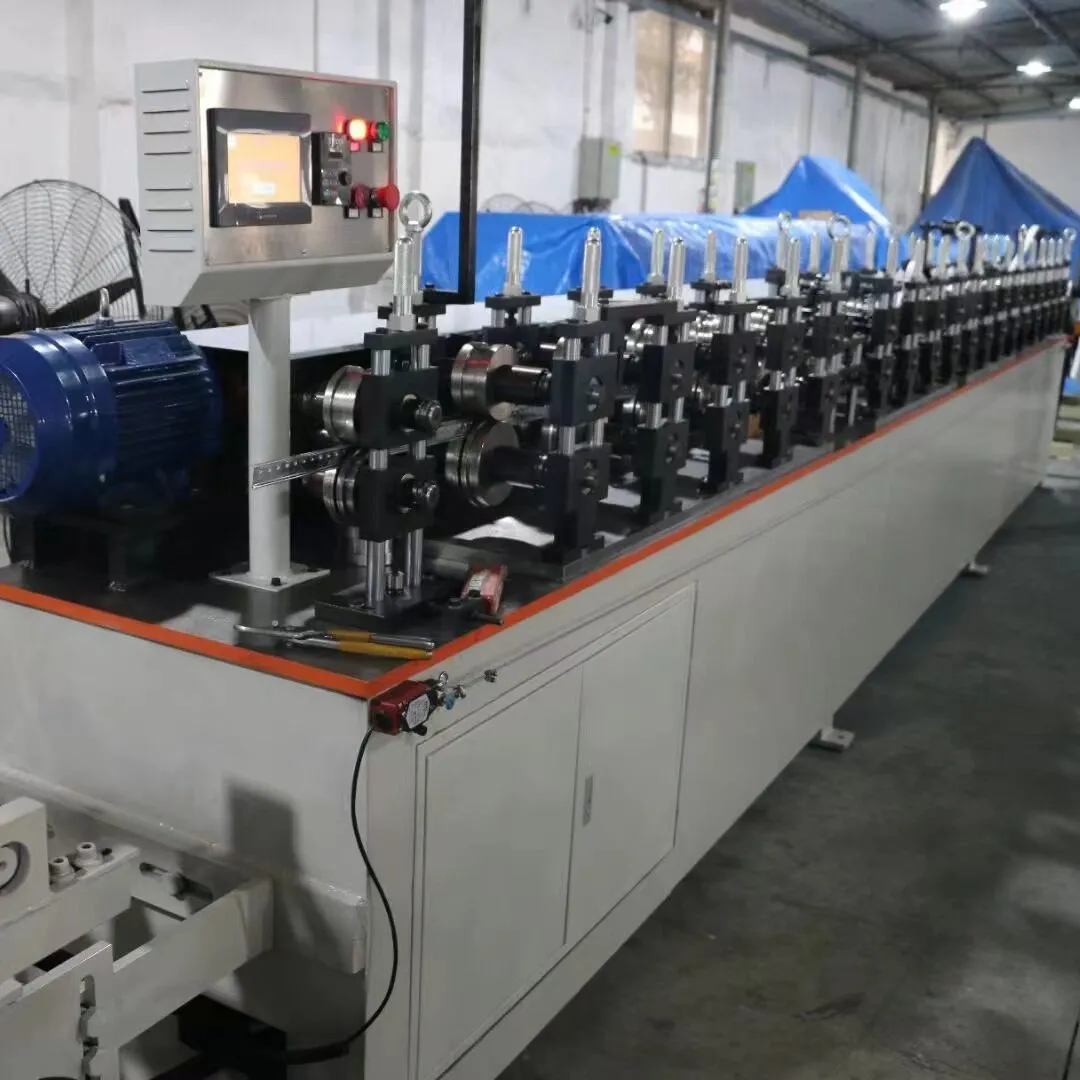
Customized Solutions and Application Case Studies
The demand for specialized profiles and production flexibility has made customized solutions a critical offering for leading keel roll forming machine manufacturers. Whether it's unique profile geometries, integrated punching capabilities, or specific automation levels, the ability to tailor machinery to exact client needs is a significant differentiator.
Tailored Engineering for Unique Demands:
- Profile Design Consultation: Collaborating with clients to develop custom roll tooling for proprietary keel designs or non-standard dimensions.
- Integrated Automation: Solutions ranging from semi-automatic systems to fully automated production lines with robotic stacking and packaging.
- Material Handling: Customized decoilers, feeders, and stacking systems to accommodate unusual coil weights, widths, or delicate material surfaces.
- Multi-Profile Systems: Engineering machines that can produce multiple different keel profiles with quick-change tooling, maximizing production flexibility and reducing floor space requirements.
Application Case Studies:
Case Study 1: High-Volume Drywall Stud Production
Client: Major North American Drywall Manufacturer
Challenge: Increase production capacity for standard drywall studs and tracks by 30% while maintaining tight dimensional tolerances and reducing material waste.
Solution: Implemented a high-speed keel roll forming machine with integrated PLC control for automated length cutting and pre-punching. The machine featured precision-ground Cr12Mov rollers and an intelligent feedback system to maintain consistency at speeds up to 45 m/min. Custom tooling allowed for rapid changeover between common stud and track sizes.
Result: Production capacity increased by 35%, material scrap reduced by 7%, and labor costs for machine operation decreased by 15%. The client reported enhanced product consistency and significantly improved lead times to market.
Case Study 2: Architectural Ceiling Grid Specialist
Client: European Architectural Systems Provider
Challenge: Produce a new, intricate T-bar profile for a high-end architectural project, requiring extremely tight tolerances and a flawless surface finish for visible elements. Production volume was moderate but demanded absolute precision.
Solution: Developed an oem light keel roll forming machine with specialized 24-station tooling designed for the custom profile. The line incorporated a non-marring feeding system and a high-precision servo-driven cutting unit. Extensive material testing and roll design optimization ensured no surface imperfections and consistent profile geometry.
Result: Successful production of the unique T-bar profile meeting all aesthetic and structural requirements. The client was able to secure and complete the prestigious project, showcasing innovative design capabilities backed by reliable manufacturing technology.

Trust and Support: FAQ, Lead Time, Warranty, and After-Sales Services
Building long-term partnerships relies on transparency, clear commitments, and robust support systems. Here's what potential clients can expect when investing in an advanced keel roll forming machine.
Frequently Asked Questions (FAQ):
Q: What kind of profiles can this machine produce?
A: Our machines are versatile and can produce a wide range of profiles, including T-bar main runners, cross runners, wall angles, drywall studs, tracks, and custom profiles based on client specifications.
Q: What is the typical lead time for a custom keel roll forming machine?
A: For standard models, lead time is typically 60-90 days. For highly customized or complex OEM solutions, it can range from 90-150 days, depending on design and component sourcing.
Q: What are the installation and training requirements?
A: We provide detailed installation manuals and offer optional on-site supervision and commissioning by our expert engineers. Comprehensive training for your operational and maintenance staff is also available to ensure smooth machine operation.
Q: How do you ensure product quality and adherence to standards?
A: Our manufacturing process strictly follows ISO 9001 quality management systems. All critical components undergo rigorous testing, and the finished machine is thoroughly tested before shipment to ensure it meets stated performance parameters and international safety standards like CE.
Lead Time & Fulfillment:
Our commitment is to efficient delivery without compromising quality. Production timelines are transparently communicated from the outset, with regular updates provided throughout the manufacturing process. Expedited options may be available depending on current production schedules and material availability.
Warranty Commitments:
All machines come with a standard 12-month warranty covering manufacturing defects and major component failures from the date of installation or shipment. Extended warranty options are available for comprehensive coverage and peace of mind. We stand by the durability and reliability of our equipment.
Customer Support & After-Sales Services:
- Technical Assistance: Dedicated technical support team available via phone, email, or video call for troubleshooting and operational guidance.
- Spare Parts Supply: A comprehensive inventory of genuine spare parts ensures quick replacement and minimal downtime.
- Preventive Maintenance Programs: Optional service contracts for routine inspections and maintenance to maximize machine longevity and performance.
- Upgrade & Retrofit Services: Assistance with machine upgrades or retrofits to adapt to new production requirements or enhance capabilities.
Conclusion
The modern keel roll forming machine is more than just a piece of manufacturing equipment; it is a strategic investment that underpins the efficiency, quality, and adaptability of construction material production. By embracing advanced automation, precision engineering, and comprehensive support, manufacturers can unlock significant competitive advantages, delivering superior products and sustaining growth in a demanding global market.
References
- Smith, J. & Jones, A. (2022). "Advances in Cold Roll Forming Technology for Light Gauge Steel Construction." Journal of Manufacturing Processes, 20(3), 450-462.
- European Coil Coating Association (ECCA). (2023). Guidelines for Pre-Coated Metal in Construction. ecca.org.
- ISO 9001:2015 - Quality Management Systems - Requirements. (2015). International Organization for Standardization.
- Wang, L. & Li, Q. (2021). "Simulation and Optimization of Roll Forming Process for C-Section Profile." International Journal of Mechanical Sciences, 185, 105876.