
Keel Roll Forming Machine: High Speed, Accurate, OEM?
A Field Guide to the Modern T-grid keel roll forming machine
If you’ve walked through a ceiling grid line lately, you can feel it—the sector’s gotten faster, smarter, and, to be honest, a bit more predictable. The keel roll forming machine at the center of it all is no longer just shafts and stands; it’s an integrated cell with PLC brains, servo feeders, and data you can actually use.
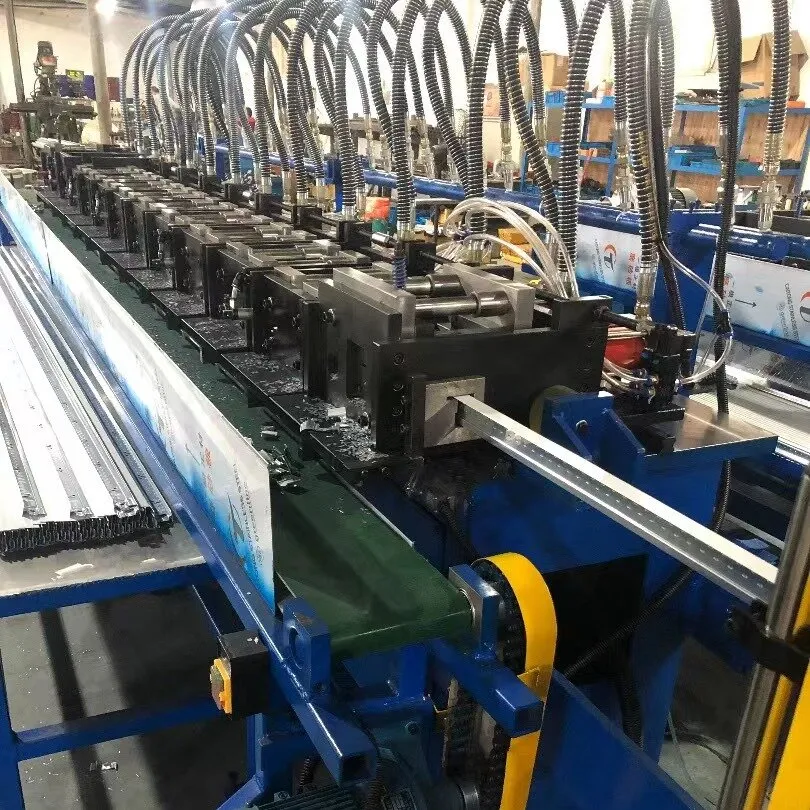
Product snapshot: Automatic T Ceiling Production Line
Origin: Room 5019, Beichen Square, No.19 Shifang Road, Chang'an District, Shijiazhuang, China. This line is engineered for T2426 / T2432 profiles with up to 30 m/min throughput. In practice, many customers say they run around 24–28 m/min when punching density is high—fair trade for perfect slots and crisp edges.
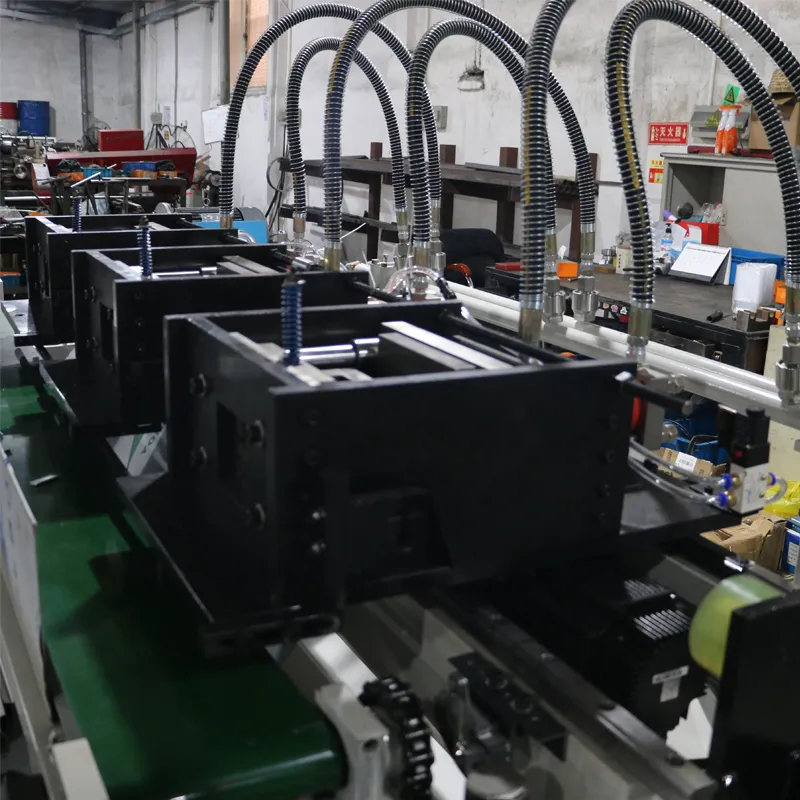
Industry trends I’m seeing
- Fewer manual resets: recipe-driven HMI, stored tooling offsets.
- More QC data: online straightness and burr checks, QR traceability per batch.
- Lean cells: decoiler + leveler + servo feed + roll forming + punch + fly-cut + stacker, all in one line.
| Profile | T2426 / T2432, main and cross tees |
| Material | GI (ASTM A653 / EN 10346), 0.25–0.5 mm, Z120–Z275 |
| Speed | Up to 30 m/min (≈24–28 m/min with dense punching) |
| Cutting | Hydraulic fly-cut; burr ≤0.05 mm typical |
| Controls | PLC + HMI (Siemens/Delta), servo feeder, recipe library |
| Decoiler | Manual/Hydraulic, ≈3–5 t options |
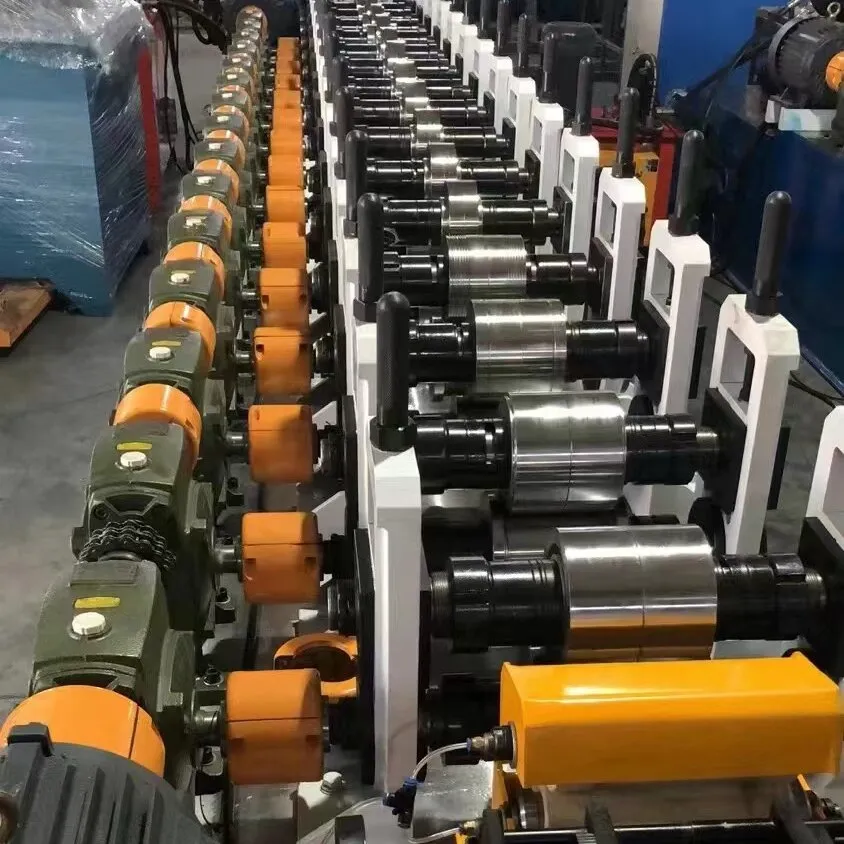
Process flow and QC
Materials: galvanized steel coil conforming to ASTM A653 or EN 10346; recommended Z140+ for commercial interiors. Flow: decoiling → leveling → servo feeding → roll forming (10–16 stands) → in-line punching → hydraulic fly-cut → automatic stacking. Testing: straightness ≤1 mm/2 m; run-out ≤0.8 mm/3 m; coating verified via XRF spot checks and, occasionally, ISO 9227 salt spray for project approvals. Typical service life indoors: ≈10–15 years, depending on humidity and paint system.
Applications
Suspended ceilings in airports, malls, schools, hospitals, and data halls. Some installers care a lot about slot repeatability for acoustical tiles; others prioritize fast drop-in assembly. This keel roll forming machine balances both—speed with consistent snap-fit features.
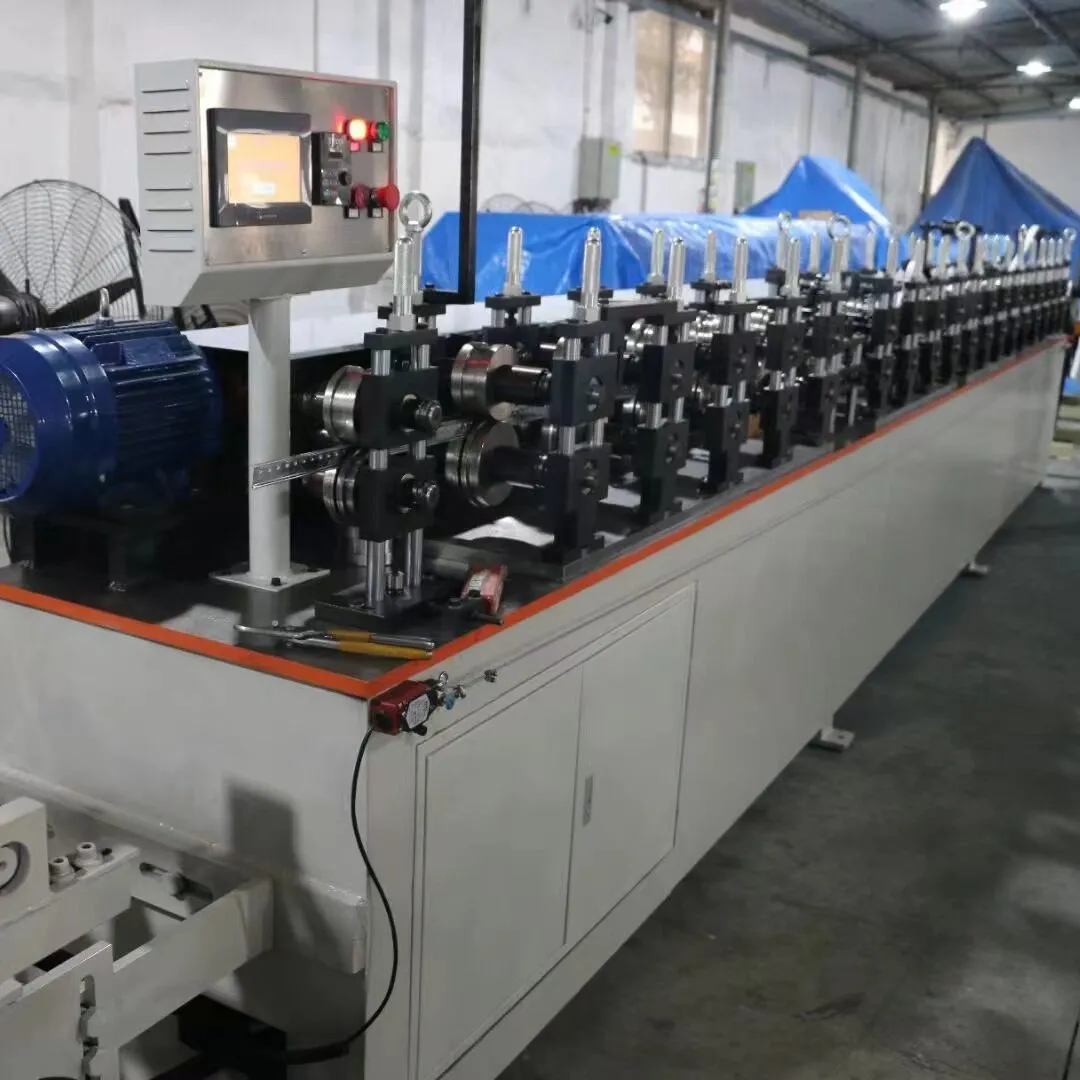
Advantages that actually matter on the shop floor
- Stable slot-to-slot pitch under high speed (servo sync with punch).
- Tool-less changeover between T2426 and T2432 recipes; fine-tune via HMI.
- Lower scrap: closed-loop length control; I’ve seen ≤1.2% on mixed orders.
- Compliance-ready: ISO 9001 production, CE Machinery Directive alignment.
Vendor comparison (quick, honest view)
| Vendor | Speed | Controls | QC/Certs | After-sales |
|---|---|---|---|---|
| Yowin Automatic T Ceiling Line | Up to 30 m/min | PLC + HMI, recipe mgmt | ISO 9001, CE-ready | Remote + on-site, spares stocked |
| Vendor B (EU) | ≈25 m/min | Advanced PLC, MES hooks | CE, extensive docs | Strong local network |
| Vendor C (Budget) | ≈18–22 m/min | Basic PLC | Limited | Email support only |
Customization and options
Common requests: reinforced stands for thicker GI (0.6 mm), quick-change punches, auto oiling, and inline logo emboss. For stricter tolerances, I suggest a laser length encoder and upgraded straightener—yes, it costs more, but it pays back on rework.
In the wild (two quick cases)
- GCC fit-out supplier: cut length CpK improved from 1.12 to 1.47; scrap dropped to 1.0%.
- SEA contractor: switched to Z180 coil; passed ISO 9227 240 h spec for a humid mall project.
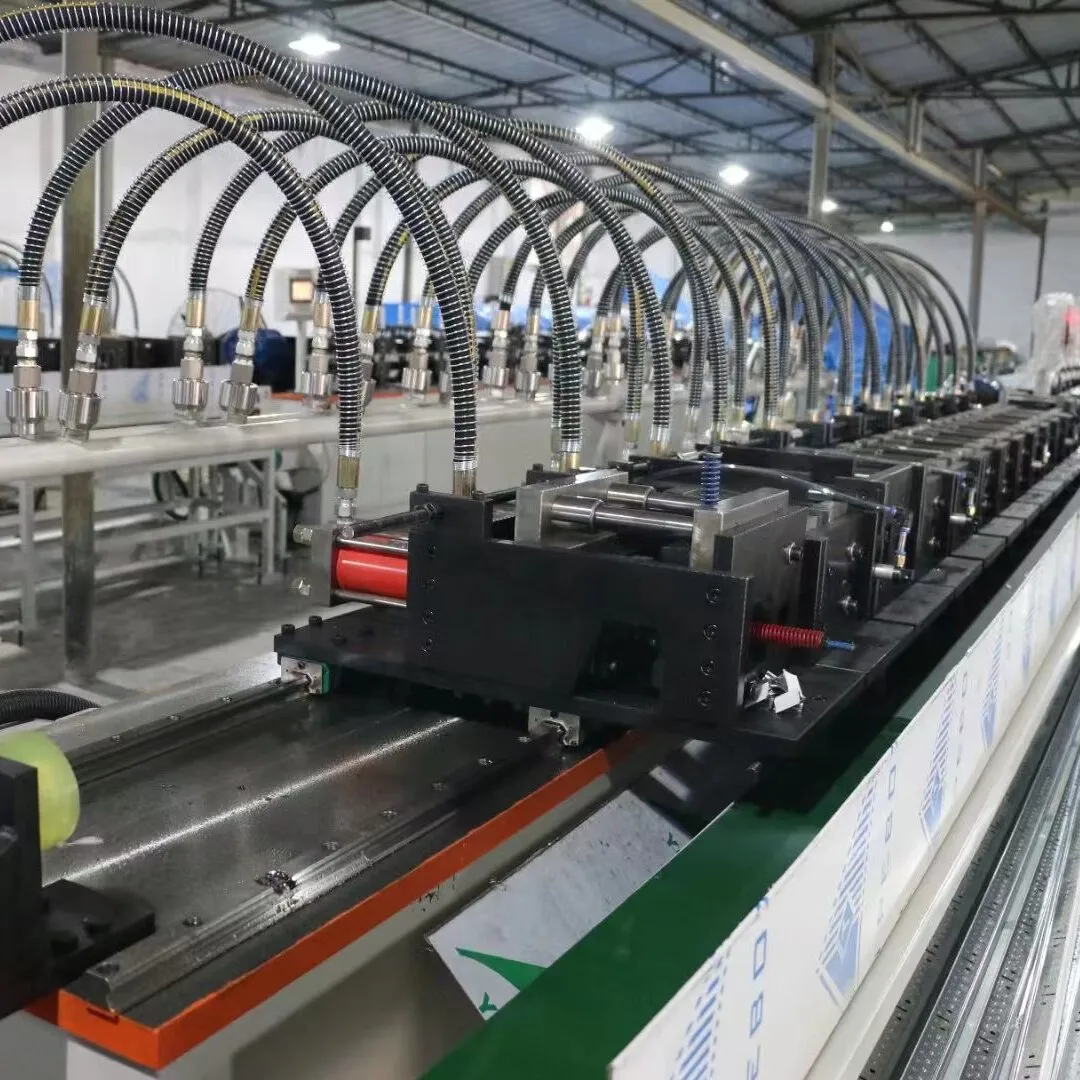
Bottom line: a smart keel roll forming machine should ship with real QC tools, not just promise speed. This line does both—and, surprisingly, keeps changeovers sane.
Authoritative citations
- ISO 9001:2015 Quality management systems — https://www.iso.org/standard/62085.html
- EU Machinery Directive 2006/42/EC — https://eur-lex.europa.eu/legal-content/EN/TXT/?uri=CELEX%3A32006L0042
- ASTM A653/A653M: Steel Sheet, Zinc-Coated (Galvanized) — https://www.astm.org/a0653_a0653m-22.html
- ISO 9227: Corrosion tests in artificial atmospheres — https://www.iso.org/standard/63543.html