
Maximize Roofing Production with a High Performance Roof Panel Machine
Understanding the Power of a Roof Panel Machine
In the competitive world of construction and building materials, efficiency and precision are paramount. A roof panel machine is a crucial investment for businesses aiming to produce high-quality roofing panels quickly and cost-effectively. This article will explore the benefits, types, key features, and considerations when choosing a roof panel machine. We’ll delve into how these machines streamline production, reduce labor costs, and enhance overall product quality. Whether you're a seasoned manufacturer or considering entering the roofing panel market, this guide will provide valuable insights.
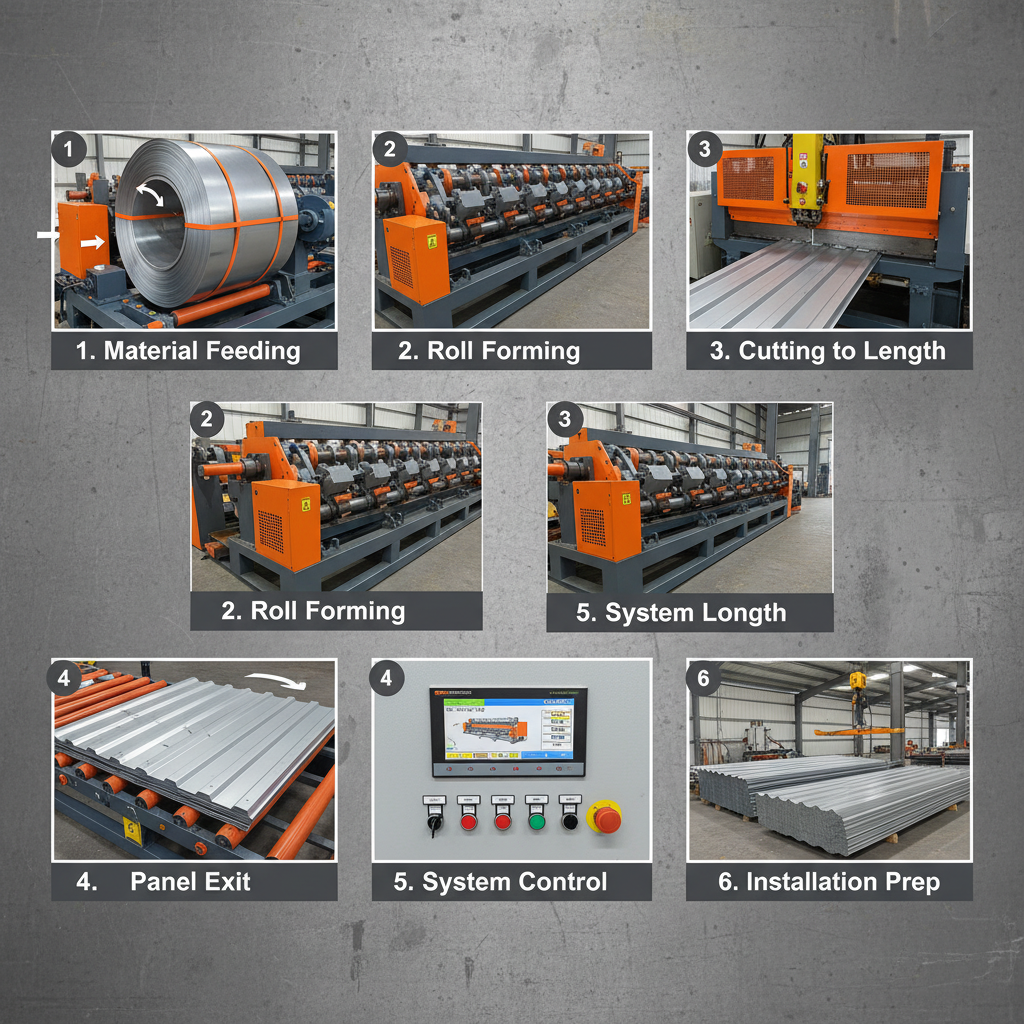
Benefits of Investing in a Roof Panel Machine
Investing in a roof panel machine offers a multitude of advantages for manufacturing businesses. Firstly, it significantly increases production speed compared to manual methods. A single machine can produce a substantial volume of panels in a short amount of time, meeting demanding project deadlines. Secondly, it drastically reduces labor costs by automating a process that would otherwise require a large workforce. Thirdly, consistent and precise manufacturing leads to higher quality panels, minimizing waste and maximizing customer satisfaction. This technology also allows for greater design flexibility, enabling the production of panels with various profiles and finishes. Finally, a Yowin Machine roof panel machine provides a sustainable manufacturing process by minimizing material waste.
Key Highlights: Increased production speed, Reduced labor costs, Higher quality panels, Greater design flexibility, Sustainable manufacturing.
Types of Roof Panel Machines
Roof panel machines come in various configurations, each designed to cater to specific production needs. The most common types include Roll Forming Machines, Tile Forming Machines, and Glazed Tile Forming Machines. Roll forming machines are versatile and suitable for producing a wide range of panel profiles. Tile forming machines specialize in creating interlocking roof tiles. Glazed tile forming machines combine the features of both, producing glazed interlocking tiles. Choosing the right type depends on the specific panels you intend to manufacture and the scale of your production. Understanding the differences between these types is crucial for maximizing your investment. A Yowin Machine offers a diverse portfolio of these machines.
Machine Type Overview:
• Roll Forming Machines: Versatile, wide range of profiles.
• Tile Forming Machines: Specialized in interlocking roof tiles.
• Glazed Tile Forming Machines: Combination of both, glazed tiles.
Key Features to Consider in a Roof Panel Machine
When selecting a roof panel machine, several key features should be carefully considered. These include the machine's capacity, the types of materials it can handle (steel, aluminum, etc.), the level of automation, and the precision of the forming process. The control system is also critical; modern machines often feature PLC control panels for ease of operation and precise control. Another important aspect is the machine’s cutting system – accurate cutting is essential for producing panels with consistent dimensions. Furthermore, consider the machine's durability and the availability of after-sales support. A high-quality Yowin Machine boasts all these features and more.
Choosing the Right Supplier: Yowin Machine
Selecting a reputable supplier is just as important as choosing the right machine. Yowin Machine is a leading manufacturer of roof panel machines, recognized for its commitment to quality, innovation, and customer service. We offer a comprehensive range of machines, customized solutions, and dedicated after-sales support. Our machines are built with high-quality materials and advanced technology, ensuring long-term reliability and performance. We understand the unique needs of our clients and strive to provide tailored solutions that meet their specific requirements. Partnering with Yowin Machine means investing in a reliable and efficient manufacturing process.
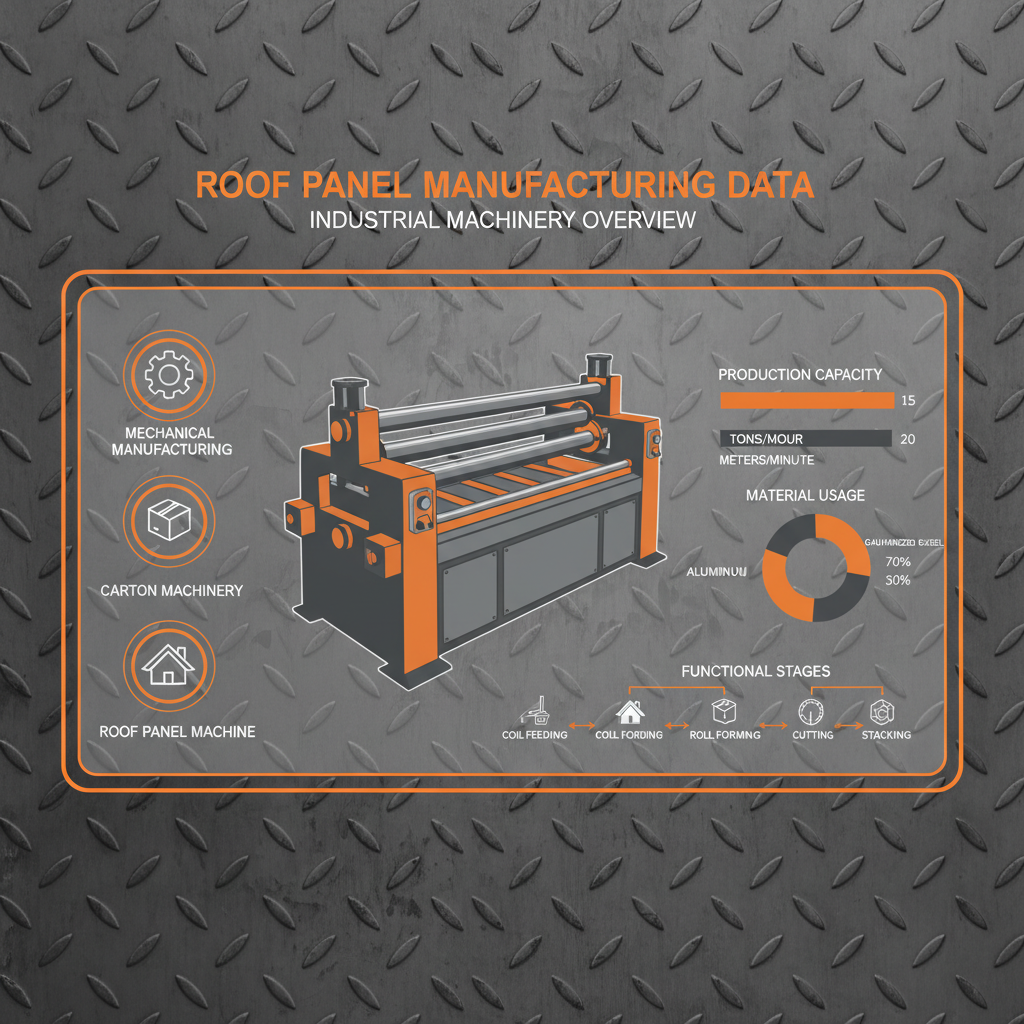
Factors Affecting Roof Panel Machine Costs
The cost of a roof panel machine can vary widely depending on several factors, including the machine's type, capacity, level of automation, and the supplier. Generally, more advanced and automated machines come with a higher price tag. The materials used in construction, the complexity of the control system, and any customization options will also influence the cost. It’s essential to carefully assess your production needs and budget to determine the most appropriate machine for your business. Obtaining quotes from multiple suppliers and comparing their offerings is also a recommended approach. Investing in a quality machine from a reputable supplier like Yowin Machine can result in long-term cost savings due to increased efficiency and reduced maintenance.
Conclusion: Investing in the Future of Roofing Panel Production
A roof panel machine represents a significant investment in the future of your manufacturing business. By streamlining production, reducing costs, and enhancing quality, these machines empower you to compete effectively in the market. Choosing a reliable supplier like Yowin Machine ensures you receive a high-quality machine with excellent after-sales support. Don't hesitate to explore the possibilities and transform your roofing panel production today.
Frequently Asked Questions (FAQs)
What is the typical lead time for a roof panel machine order?
The lead time for a roof panel machine order typically ranges from 4 to 8 weeks, depending on the complexity of the machine and the current production schedule. Customization options can also extend the lead time. It’s best to confirm the exact lead time with the supplier, such as Yowin Machine, when placing your order. Factors that can influence the lead time include material availability and the volume of outstanding orders.
What kind of maintenance is required for a roof panel machine?
Regular maintenance is crucial for ensuring the longevity and optimal performance of your roof panel machine. This includes daily lubrication of moving parts, regular cleaning to remove debris, and periodic inspection of the rollers, cutters, and control system. It’s recommended to establish a preventative maintenance schedule and follow the manufacturer's guidelines. Yowin Machine provides comprehensive maintenance manuals and support to assist customers with maintaining their machines.
What is the power requirement for a typical roof panel machine?
The power requirement for a roof panel machine varies depending on its size, capacity, and level of automation. Generally, smaller machines may require around 15-20kW of power, while larger, more automated machines may require 30kW or more. It's crucial to ensure your facility has adequate electrical capacity to support the machine's power demands. Yowin Machine provides detailed specifications, including power requirements, with each machine.
Does Yowin Machine offer installation and training services?
Yes, Yowin Machine offers comprehensive installation and training services. Our experienced technicians can install the machine at your facility and provide thorough training to your operators, ensuring they can operate and maintain the machine safely and effectively. We also provide ongoing technical support to address any questions or concerns you may have.