
Which Mesh Welder Delivers Fast, Precise, Low-Cost Output?
Wire Mesh Welding Machine: field notes from the factory floor
If you’re evaluating a mesh welder right now, here’s the straight talk. I’ve toured a few plants this year and, to be honest, the biggest shift isn’t flashy—it’s control. Modern lines are moving from SCR control to MFDC inverters, chasing better weld consistency, lower spatter, and saner energy bills.
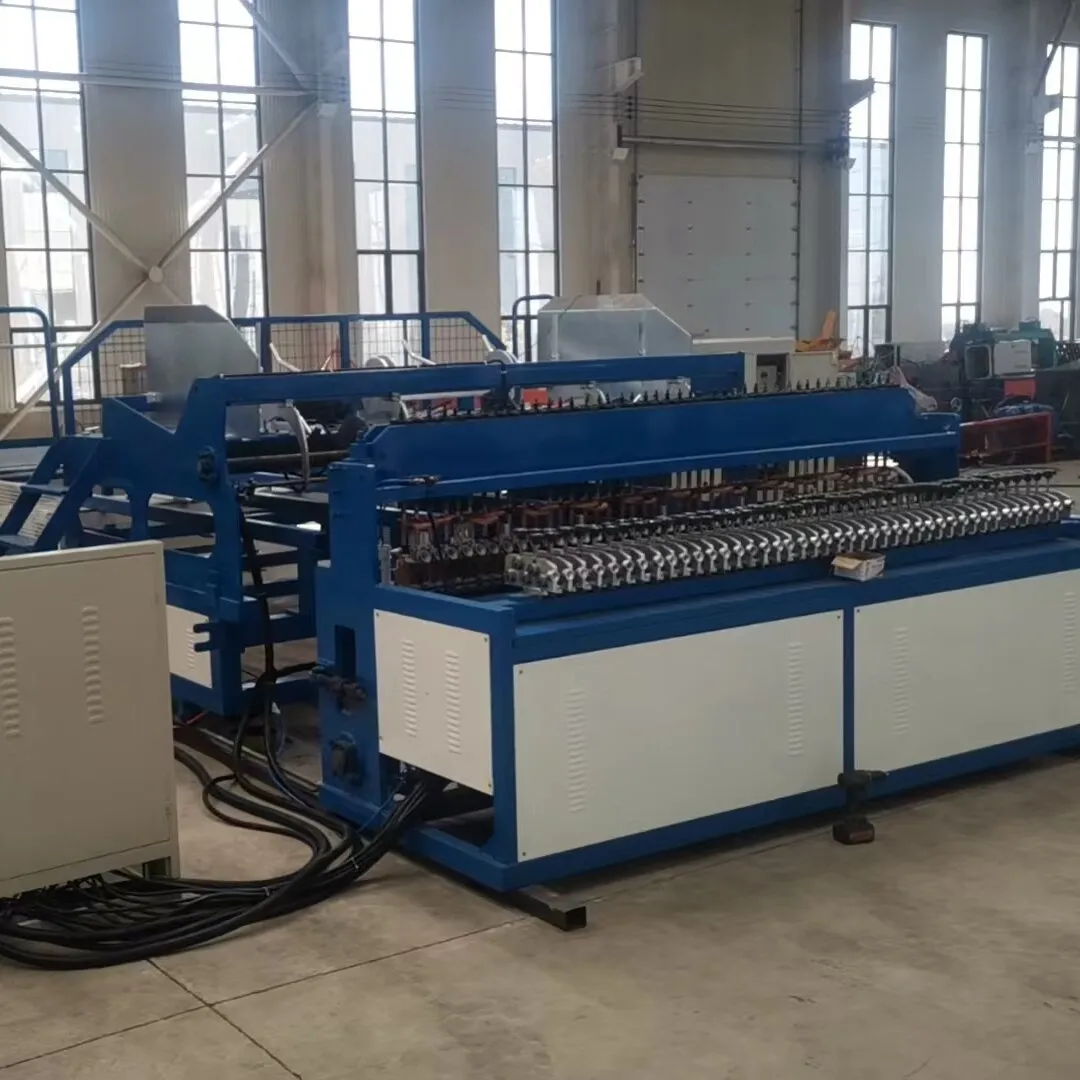
What it is and where it’s used
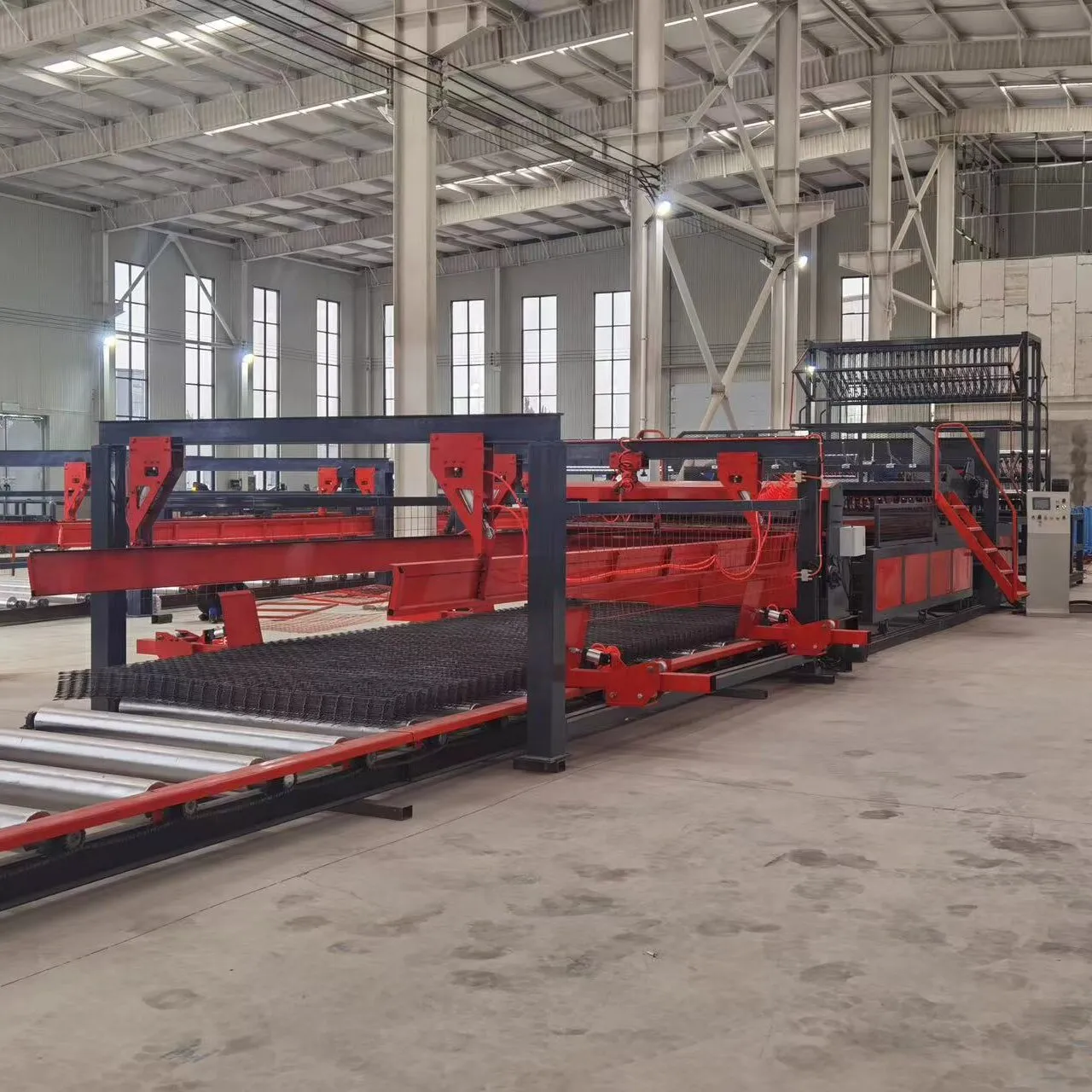
The Wire Mesh Welding Machine (often just called a mesh welder) automates multi-point resistance welding of intersecting wires into rigid panels or rolls. You see these panels everywhere—precast slabs, road reinforcement, fences, cages, even some mining and agriculture fixtures. Many customers say uptime and part-to-part weld strength matter more than headline speed; I’d agree.
Process flow (real shop version)
- Input materials: low-carbon steel wire, galvanized wire, or stainless (AISI 304/316 for corrosion-prone sites).
- Straighten & cut line wires → hopper loads cross wires → multi-point weld (MFDC or AC) → puller/guillotine cut → flattening/leveling → stacking/packaging.
- QC: visual weld inspection, cross-wire shear test, panel dimension check, and sometimes salt-spray for coated wires.
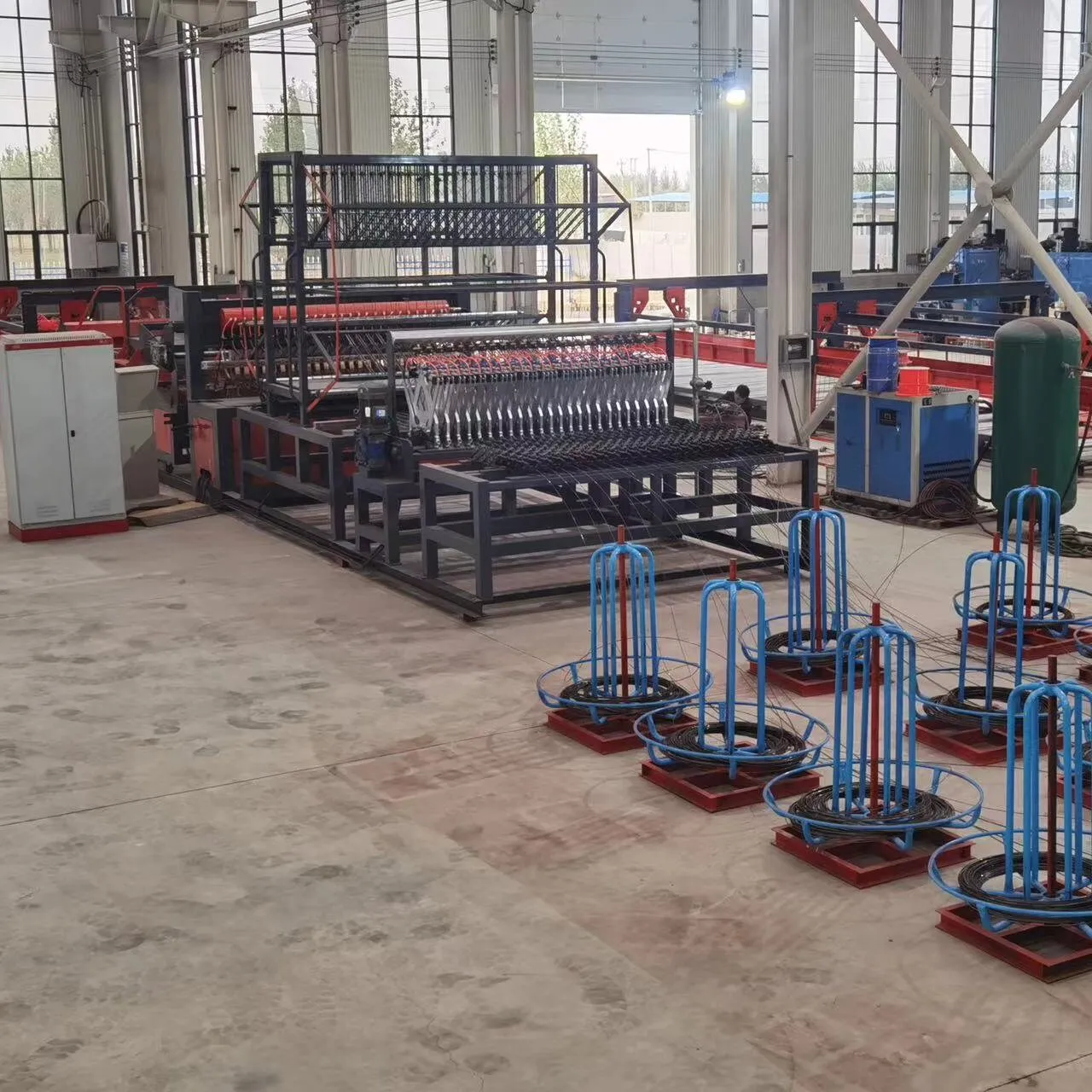
Product specs (typical configuration)
| Model | WMW-2500 (panel type) |
| Wire diameter range | ≈ 2.5–6.0 mm (real-world may vary by grade) |
| Mesh opening | 50×50 – 200×200 mm, custom pitches optional |
| Max panel width | ≈ 2500 mm |
| Welding method | Resistance multi-point, CuCrZr electrodes, water-cooled |
| Control | PLC+HMI (e.g., Siemens), AC SCR or MFDC inverter (≈1 kHz) |
| Line speed | ≈ 60–120 strokes/min; depends on wire and pitch |
| Installed power | ≈ 120–300 kVA (configuration-dependent) |
| Utilities | Air 0.6–0.8 MPa; Water 20–30 L/min |
| Certifications | CE (Machinery Directive), ISO 9001; electrical per IEC 60204-1 |
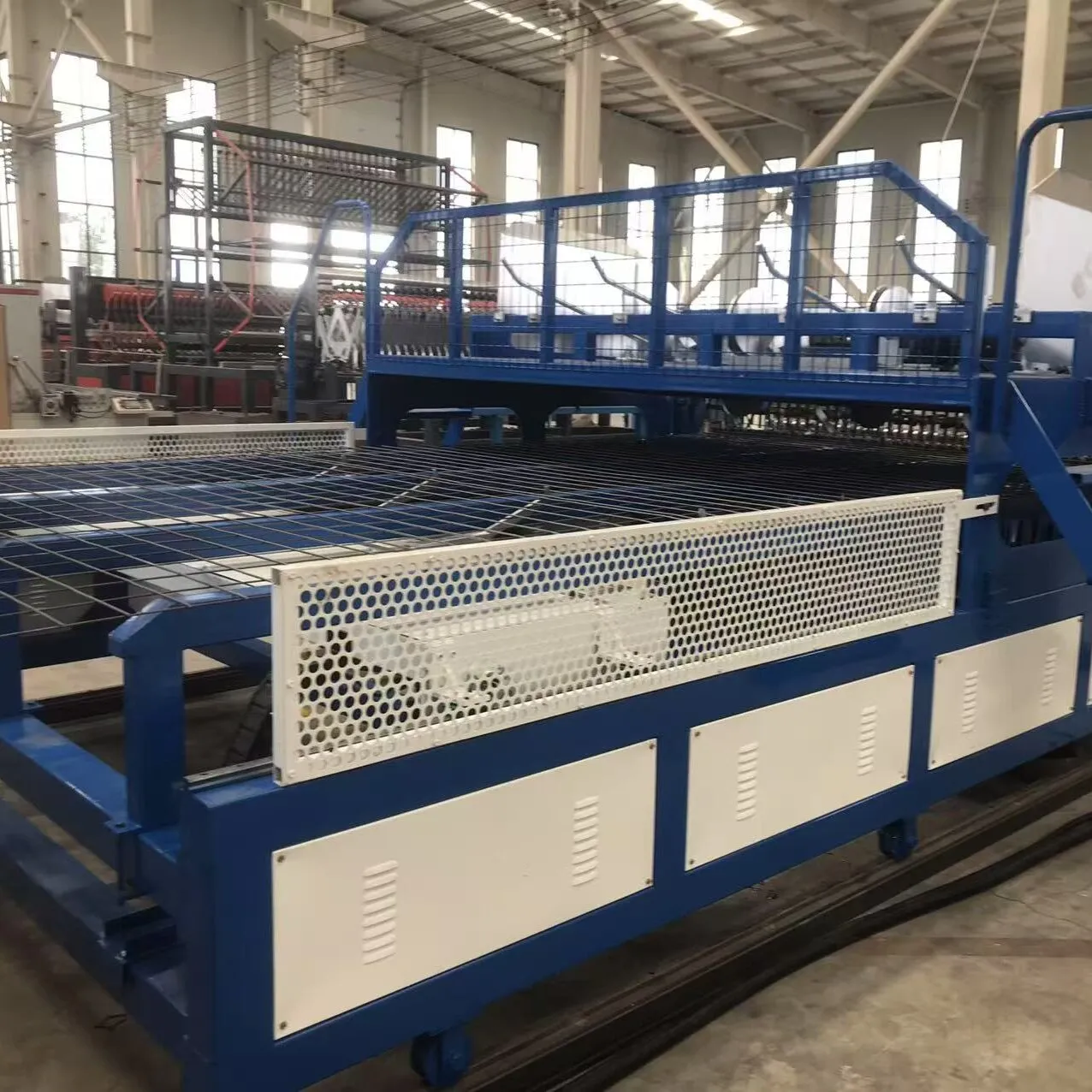
Quality, testing, and service life
For reinforcement mesh, wire should comply with ASTM A1064/A1064M or equivalent. Routine checks: shear strength of welded intersections (sample target ≈ 2.5–6.0 kN depending on wire dia), nugget diameter verification (per AWS C1.1 guidelines), and panel dimensional tolerances. When maintained—filters clean, coolant stable, electrodes dressed—a mesh welder like this lasts around 8–12 years before major overhauls. I’ve seen lines older than that still earning their keep.
Trends and advantages
- MFDC cuts heat input and improves repeatability; energy drops by ~10–20% in my notes.
- Servo pullers mean cleaner diagonals; fewer reworks.
- Quick-change jigs shrink pitch switching downtime, which, surprisingly, operators care about more than raw speed.
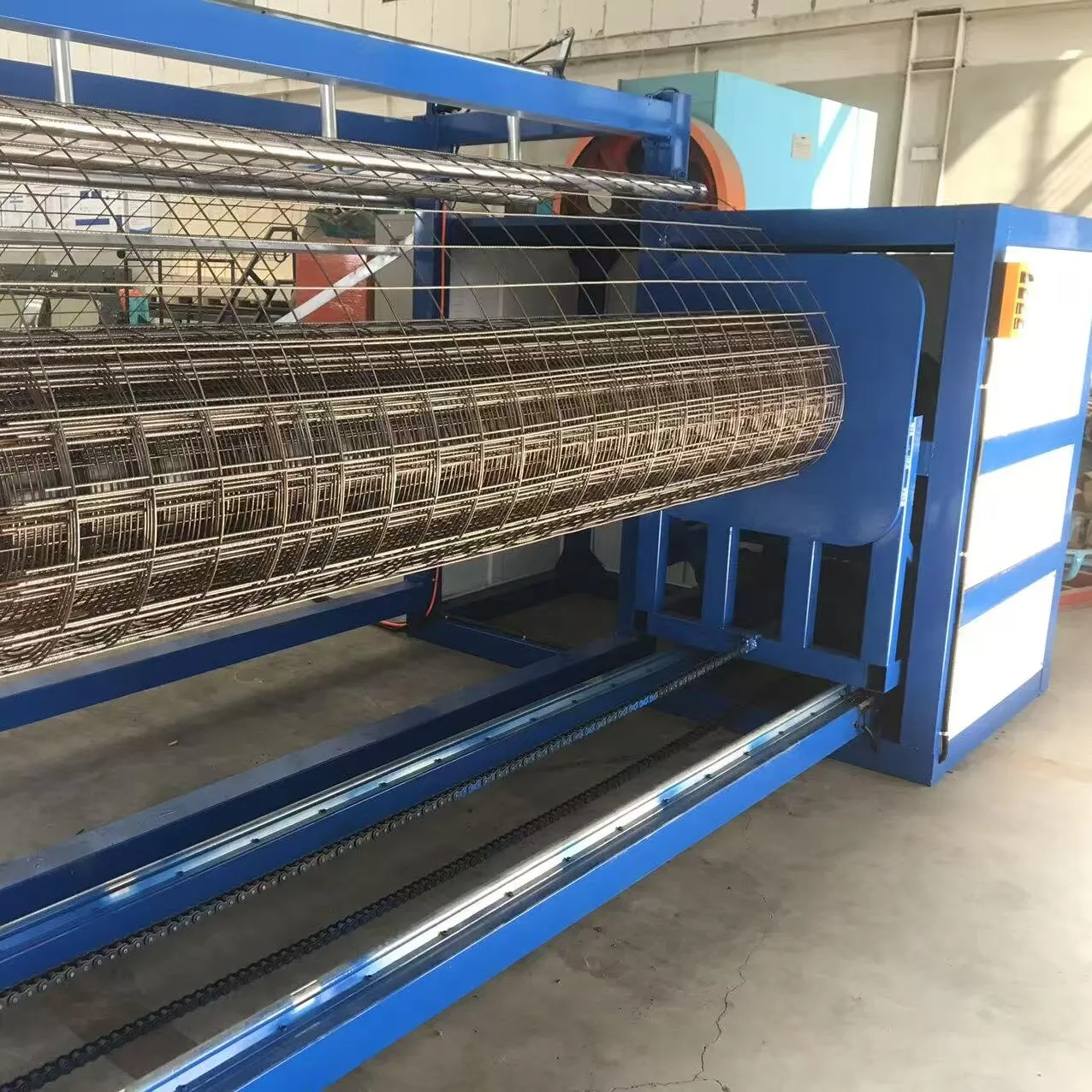
Customization options
Width (2–3 m), wire range (up to 8 mm), line/ cross from coil or pre-cut, MFDC vs AC packages, automatic stacker, oiling/spray for anti-rust, and data logging for weld current/time. Integration with downstream bending lines is increasingly common.
Vendor snapshot (indicative)
| Vendor | Drive/Control | Line speed | Support | Warranty |
|---|---|---|---|---|
| Yowin (China) | MFDC/AC, PLC+HMI | ≈ 60–120 spm | Remote + onsite in APAC/EU via partners | 12–18 months |
| EU Brand A | MFDC, advanced diagnostics | ≈ 80–140 spm | Global, premium SLA | 24 months |
| Local OEM B | AC SCR | ≈ 40–90 spm | Regional | 12 months |
Values are indicative; real-world use may vary by wire grade, mesh pitch, and operator settings.
Field notes and mini case studies
- Precast plant (EU): switched to MFDC; reported ~15% energy savings and steadier nugget size on 5 mm wire.
- Fencing maker (MENA): coil-to-coil setup cut handling labor by one position per shift; uptime ~95% after teething week.
- Aggregates yard (APAC): stainless 316 panels for coastal site; salt-spray passed 240 h on finished mesh when using proper coating.
Compliance and standards to quote on your PO
- Resistance welding practice: AWS C1.1.
- Steel wire for reinforcement: ASTM A1064/A1064M; testing per ISO 15630-2.
- Machine safety: EU Machinery Directive 2006/42/EC, electrical to IEC 60204-1.
Origin: Room 5019, Beichen Square, No.19 Shifang Road, Chang'an District, Shijiazhuang, China.
Final takeaway
If you need consistent welds, quick pitch changes, and serviceable hardware, a modern mesh welder with MFDC control and decent water management will pay back surprisingly fast. Don’t skip electrode maintenance—cheap routine, expensive neglect.
References
- AWS C1.1M/C1.1 – Recommended Practices for Resistance Welding
- ASTM A1064/A1064M – Standard Specification for Steel Wire, Welded Wire Reinforcement
- ISO 15630-2 – Steel for the reinforcement and prestressing of concrete – Test methods – Part 2
- IEC 60204-1 – Safety of machinery – Electrical equipment of machines
- Directive 2006/42/EC – Machinery Directive (EU)