
Top Quality Roof Sheet Roll Forming Machine Factory for Business
Choosing the Right Roof Sheet Roll Forming Machine Factory for Your Business
In the competitive world of construction and metal fabrication, the quality of your roofing materials depends entirely on the precision of your machinery. Partnering with a professional roof sheet roll forming machine factory is the most critical decision for ensuring long-term productivity and product durability. Whether you are scaling up an existing operation or starting a new venture, understanding the technical nuances of roll forming can save you thousands in operational costs. In this guide, we will explore the essential factors to consider when selecting a manufacturer and how high-end engineering transforms raw steel coils into high-performance roofing solutions.
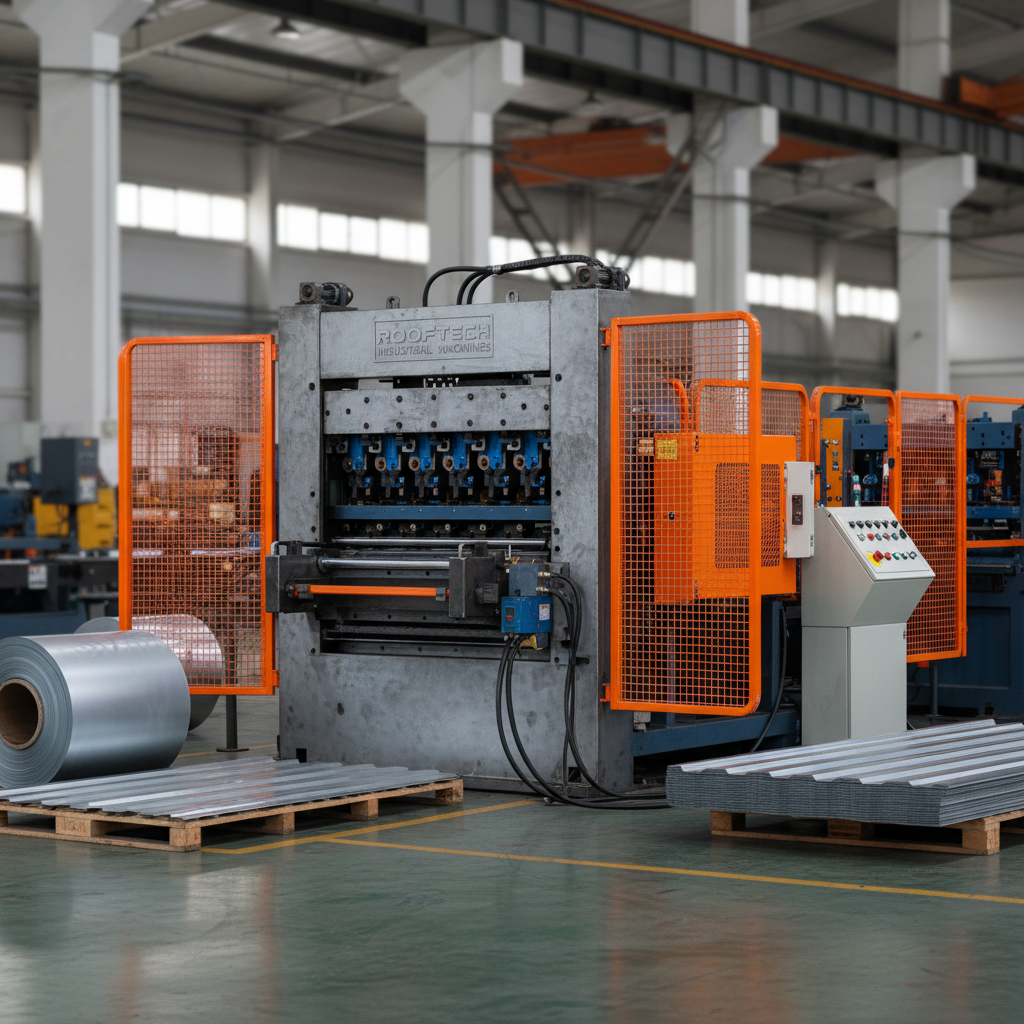
The Core Capabilities of a Leading Roof Sheet Roll Forming Machine Factory
A top-tier roof sheet roll forming machine factory does more than just assemble parts; they provide engineered solutions. The core of these machines lies in the forming rollers, which must be crafted from high-grade alloy steel and precision-ground to ensure the profile is consistent from the first meter to the last. Advanced factories utilize CNC machining to eliminate human error, ensuring that every curve and fold in the roof sheet meets international architectural standards. By integrating PLC control systems, these machines allow operators to adjust lengths and quantities with a single touch, maximizing efficiency and reducing material waste.
Industry Insight: High-precision roll forming minimizes "oil canning" (surface waviness), which is the primary indicator of a machine's quality and the factory's engineering expertise.
Technical Specifications for High-Efficiency Roof Sheet Roll Forming
When reviewing catalogs from a roof sheet roll forming machine factory, the technical specifications tell the real story of the machine's capability. You must look beyond the speed and focus on the material thickness range and forming accuracy. For instance, a machine capable of handling both 0.3mm and 0.8mm steel without losing profile integrity is far more versatile. Below is a detailed specification table highlighting the standard requirements for industrial-grade roofing machines.
Comparing Factory-Direct Machines vs. Low-Cost Alternatives
Many buyers are tempted by low-cost providers, but a reputable roof sheet roll forming machine factory offers a value proposition that extends far beyond the initial price tag. Cheap machines often suffer from "roller drift," where the profiles gradually change shape over time, leading to roof sheets that cannot be installed properly. In contrast, premium machines utilize heat-treated components that maintain their geometry for years. The difference in total cost of ownership is staggering when you account for downtime, maintenance, and wasted material.
Customization Options at a Professional Roof Sheet Roll Forming Machine Factory
No two markets are the same. A professional roof sheet roll forming machine factory understands that you may need specific profiles, such as trapezoidal, sinusoidal, or standing seam. Customization options typically include the addition of hydraulic cutting systems for cleaner edges, automatic stacking tables to reduce manual labor, and decoiler integration for a seamless workflow. By tailoring the machine to your specific output goals, you can optimize your factory floor layout and significantly increase your daily tonnage.
Popular Customization Add-ons:
• Online punching systems for pre-drilled holes
• High-precision encoder for exact length cutting
• Reinforced frames for heavy-duty gauge steel
• Multi-color painting compatibility rollers
Maintenance and Long-term Support from Your Machine Factory
The relationship with your roof sheet roll forming machine factory should not end at delivery. After-sales support is where true quality is proven. High-end manufacturers provide comprehensive installation guides, remote technical support, and a steady supply of wear-and-tear parts. Regular lubrication of the gearboxes and calibration of the PLC system are essential for maintaining speed and accuracy. Choosing a factory that offers a robust warranty and technical training ensures that your staff can operate the machinery safely and efficiently, minimizing the risk of costly accidents.
Environmental Impact and Sustainable Manufacturing
Modern industry is shifting toward sustainability, and the roof sheet roll forming machine factory is at the forefront of this change. By utilizing energy-efficient motors and precision cutting technology, manufacturers are reducing the amount of scrap steel generated during the production process. Furthermore, the move toward automated systems reduces the energy footprint per sheet produced. Investing in a machine that optimizes material usage not only helps the environment but directly increases your profit margins by reducing raw material waste.
Conclusion: Elevating Production with the Right Factory Partner
Selecting a high-quality roof sheet roll forming machine factory is the cornerstone of a successful roofing business. From the precision of the rollers to the intelligence of the PLC systems, every detail contributes to the final product's quality. By focusing on technical specifications, customization, and long-term support, you can ensure a competitive edge in the construction market. Invest in precision, invest in durability, and choose a partner that prioritizes engineering excellence over low-cost shortcuts.
Frequently Asked Questions (FAQs)
How do I determine the correct machine capacity for my project?
To determine the correct capacity, you must analyze your average daily output requirements and the specific gauge of steel you intend to use. If you are targeting large-scale industrial warehouses, a high-speed machine from a professional roof sheet roll forming machine factory with an automatic stacking system is essential. For small-scale local contractors, a slower, more compact machine may suffice. Always calculate your peak demand and add a 20% buffer to ensure the machine isn't running at 100% capacity constantly, which extends its lifespan.
What is the average lead time for a custom roll forming machine?
Lead times vary depending on the complexity of the customization. Standard profiles usually take 3 to 6 weeks, while fully customized systems with integrated punching and stacking may take 8 to 12 weeks. This time is necessary for the precision machining of the rollers and the programming of the PLC system. A reputable factory will provide a detailed production timeline and regular updates during the fabrication process to ensure that the final machine meets all agreed-upon specifications.
Can one machine produce multiple different roof profiles?
Generally, a single roll forming line is designed for one specific profile because the rollers are precision-machined to create a particular shape. However, some advanced factories offer "interchangeable roller cassettes" that allow operators to switch profiles by replacing the roller sets. While this is more expensive than buying a single-purpose machine, it offers immense flexibility. Most businesses prefer having dedicated machines for their top-selling profiles to maximize speed and minimize the downtime associated with changing rollers.
What maintenance is required to keep the machine running accurately?
Daily maintenance involves cleaning the rollers of any metal debris and checking the lubrication levels in the drive chain and gearboxes. Monthly, you should inspect the alignment of the forming stations and calibrate the length-cutting sensors. The most critical aspect is ensuring that the raw material (the coil) is fed straight into the machine to avoid twisting the profiles. Following a strict maintenance schedule provided by your roof sheet roll forming machine factory can increase the equipment's operational life by several years.