
Comprehensive Guide to Roof Sheet Roll Forming Machine Selection and Application
Roof Sheet Roll Forming Machine: A Comprehensive Guide
Investing in a roof sheet roll forming machine is a critical decision for any business involved in construction, manufacturing, or building material production. This article provides an in-depth look at these machines, covering their benefits, key features, applications, and considerations for choosing the right model. Understanding the nuances of roof sheet roll forming machines will empower you to make an informed purchase and optimize your production processes. Choosing a reliable machine will greatly improve the production efficiency and quality of the products.
Understanding Roof Sheet Roll Forming Machines
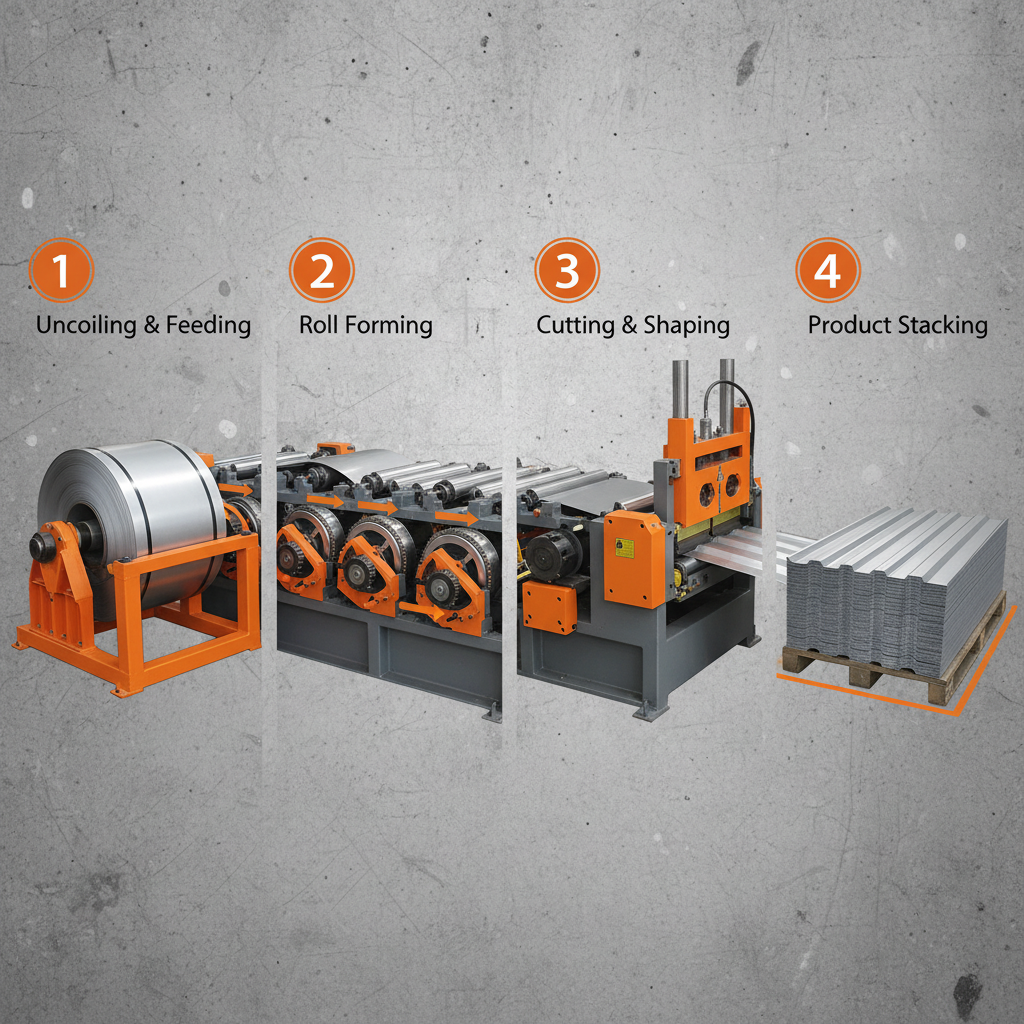
A roof sheet roll forming machine is a specialized type of machine used to continuously bend and shape metal coils into corrugated, trapezoidal, or other profiled roofing sheets. These machines are highly efficient and cost-effective, offering a significant advantage over traditional methods of roofing sheet production. They consist of a series of rollers that progressively form the metal sheet as it passes through the machine. The process is automated, resulting in consistent, high-quality products with minimal waste. Investing in such technology provides a competitive edge in the market.
Key Benefits: Automated production, consistent quality, reduced material waste, increased efficiency, and cost savings.
Key Features of a High-Quality Roof Sheet Roll Forming Machine
Modern roof sheet roll forming machines are equipped with a range of advanced features designed to optimize performance and ensure product quality. These include automated coil loading systems, precision cutting mechanisms, programmable logic controllers (PLCs) for accurate control, and robust steel frame construction for durability. Many machines also offer the capability to produce multiple profiles by simply changing the roller sets. The machine speed can also be adjusted to meet different production requirements. Accurate control systems are vital to ensure that the machine consistently produces high-quality products.
Important Features:
• Automated coil loading and unloading
• Precision cutting systems
• PLC control panels
• Multi-profile capability
Roof Sheet Roll Forming Machine: Comparing Different Types
Several types of roof sheet roll forming machines cater to different production needs. The most common types include single-layer machines, double-layer machines, and tile roll forming machines. Single-layer machines are ideal for producing standard corrugated or trapezoidal sheets. Double-layer machines produce sandwich panels with insulation cores, providing superior thermal performance. Tile roll forming machines create interlocking roofing tiles, offering an aesthetically pleasing and durable roofing solution. The choice of machine depends on the specific types of roofing sheets you intend to manufacture.
Selecting the Right Roof Sheet Roll Forming Machine
Choosing the right machine requires careful consideration of your production needs, budget, and long-term goals. Factors to consider include the types of roofing sheets you plan to produce, the required production capacity, the available floor space, and the level of automation desired. It’s also important to assess the supplier’s reputation, after-sales service, and the availability of spare parts. Investing in a machine from a reputable manufacturer like Yowin Machine ensures quality, reliability, and ongoing support.
Considerations for Machine Maintenance and Longevity
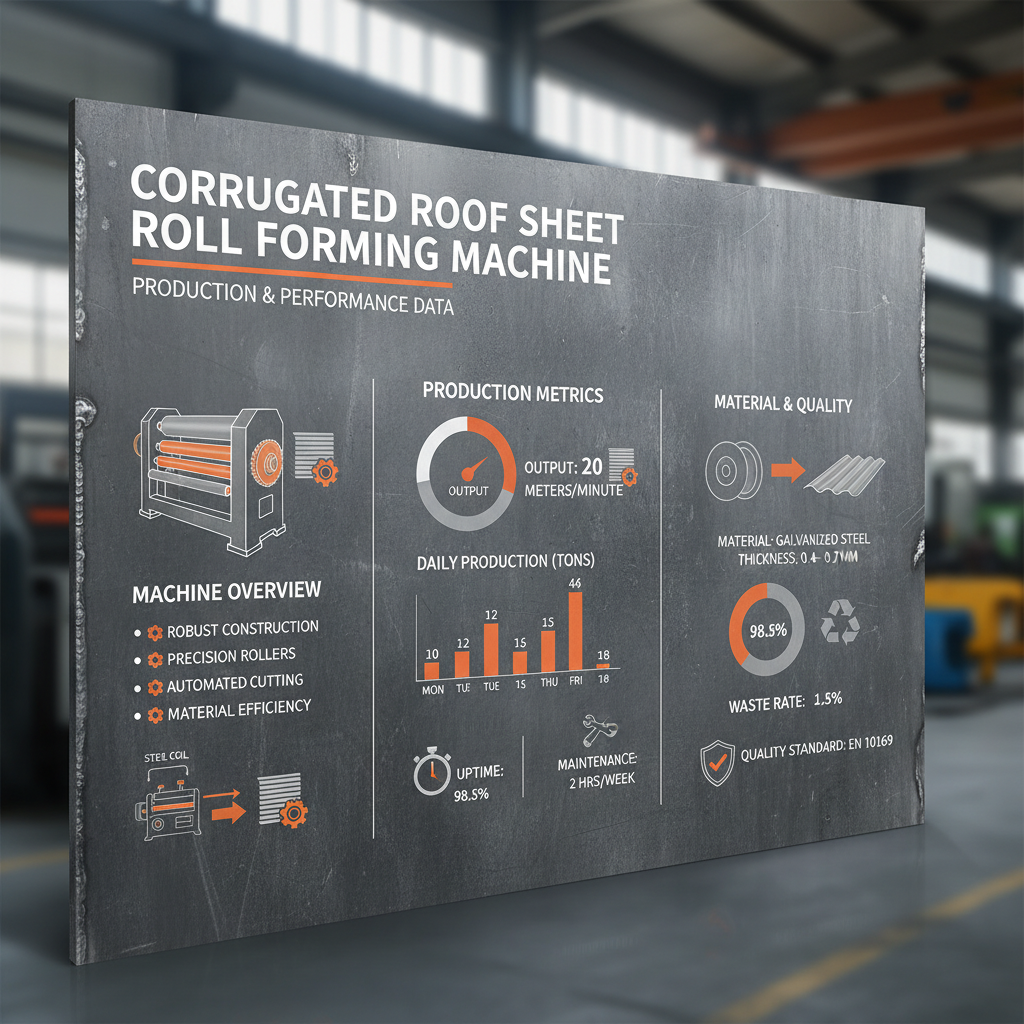
Regular maintenance is crucial for ensuring the longevity and optimal performance of your roof sheet roll forming machine. This includes lubricating moving parts, inspecting rollers for wear and tear, cleaning the machine regularly, and promptly addressing any mechanical issues. Following the manufacturer’s recommended maintenance schedule will help prevent costly breakdowns and extend the machine’s lifespan. Proper maintenance not only improves the machine’s reliability but also ensures the consistent quality of your roofing sheets.
Conclusion: Investing in a Reliable Roll Forming Solution
A roof sheet roll forming machine is a significant investment that can transform your roofing sheet production capabilities. By carefully considering your needs, selecting a reputable supplier like Yowin Machine, and implementing a robust maintenance program, you can maximize your return on investment and achieve long-term success.
Frequently Asked Questions (FAQs)
What is the typical production capacity of a roof sheet roll forming machine?
The production capacity of a roof sheet roll forming machine varies depending on the machine’s size, automation level, and the thickness of the metal being processed. Generally, production speeds range from 5 to 30 meters per minute. Higher-end, fully automated machines can achieve significantly higher production rates. It is essential to choose a machine with a capacity that meets your specific output requirements. The production capacity is a key factor to consider when calculating the return on investment.
What types of metal can be used with these machines?
Roof sheet roll forming machines are versatile and can handle a variety of metal types, including galvanized steel, galvalume steel, aluminum, and even some types of stainless steel. The choice of metal will depend on your desired product properties, such as corrosion resistance, strength, and cost. The machine's rollers and cutting blades need to be compatible with the chosen metal’s hardness and thickness. The type of metal greatly affects the end product's quality and durability.
What is the power requirement for a typical roof sheet roll forming machine?
The power requirement for a roof sheet roll forming machine typically ranges from 5.5 kW to 15 kW, depending on the machine's size and complexity. It’s crucial to ensure your facility has adequate electrical capacity to support the machine’s power demands. It’s also advisable to consult with the machine supplier to determine the exact power requirements for your specific model. Proper power supply is crucial for stable operation and prevention of damage.