
China Roof Sheet Roll Forming Machine Solutions for Efficient Production
Roof Sheet Roll Forming Machine China: A Comprehensive Guide
The demand for high-quality roofing materials is steadily increasing globally, driving the need for efficient and reliable manufacturing solutions. Roof sheet roll forming machines from China have become a popular choice for businesses looking to produce corrugated roofing sheets, glazed tiles, and other profiled metal roofing materials. This article provides a detailed overview of these machines, their benefits, applications, and what to look for when choosing a supplier. We will explore the advantages of sourcing from China and highlight key considerations for selecting the right machine for your needs.
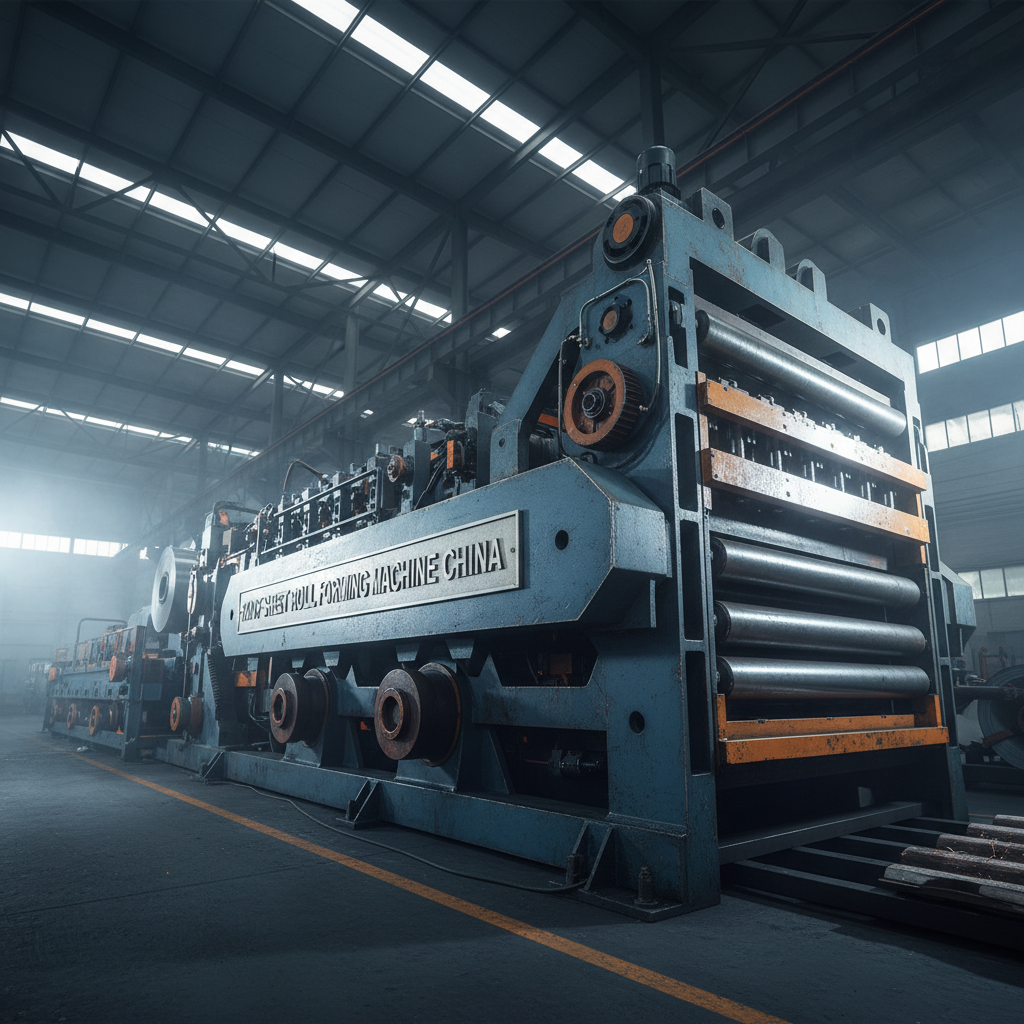
Understanding Roof Sheet Roll Forming Machines
A roof sheet roll forming machine is a specialized piece of equipment designed to continuously bend sheet metal into desired profiles. These machines work by passing metal coils through a series of rollers, each shaped to incrementally form the metal into the final roof sheet profile. They are capable of producing a wide range of profiles, including corrugated sheets, trapezoidal sheets, glazed tiles, and sandwich panels. The process is highly efficient and allows for continuous production, significantly reducing manufacturing time and costs. Modern machines often feature automated control systems, ensuring precise and consistent results.
Key Benefits: High production efficiency, low labor costs, diverse profile capabilities, precise and consistent results, and customizable options.
Why Choose a Roof Sheet Roll Forming Machine from China?
China has emerged as a global leader in manufacturing roll forming machines. Several factors contribute to this dominance, including a robust supply chain, skilled labor force, and competitive pricing. Chinese manufacturers offer a wide range of machines, from basic models to highly advanced automated systems. Furthermore, they are often more flexible in accommodating custom designs and specifications. Sourcing from China can significantly reduce capital expenditure while maintaining quality and performance. However, it's crucial to partner with a reputable supplier to ensure reliability and after-sales support.
Advantages of Sourcing from China:
• Competitive pricing
• Wide range of options
• Customization capabilities
• Efficient manufacturing process
Key Components of a Roof Sheet Roll Forming Machine
Understanding the core components of a roof sheet roll forming machine is essential for making an informed purchasing decision. These components work together to efficiently and accurately produce high-quality roofing sheets. The main parts include the uncoiler, leveling unit, roll forming station, cutting system, and the run-out table. The uncoiler holds and feeds the metal coil into the machine. The leveling unit ensures the metal is flat and straight before entering the roll forming station. The roll forming station is where the metal is progressively shaped into the desired profile. The cutting system precisely cuts the sheets to the required length, and the run-out table collects the finished product.
Factors to Consider When Choosing a Roof Sheet Roll Forming Machine
Several key factors should guide your decision-making process when selecting a roof sheet roll forming machine. Consider the types of profiles you need to produce, the required production capacity, the thickness of the metal you will be using, and the level of automation desired. It's also crucial to assess the supplier's reputation, their after-sales service capabilities, and the availability of spare parts. Don’t hesitate to request detailed specifications, machine demonstrations, and references from previous customers.
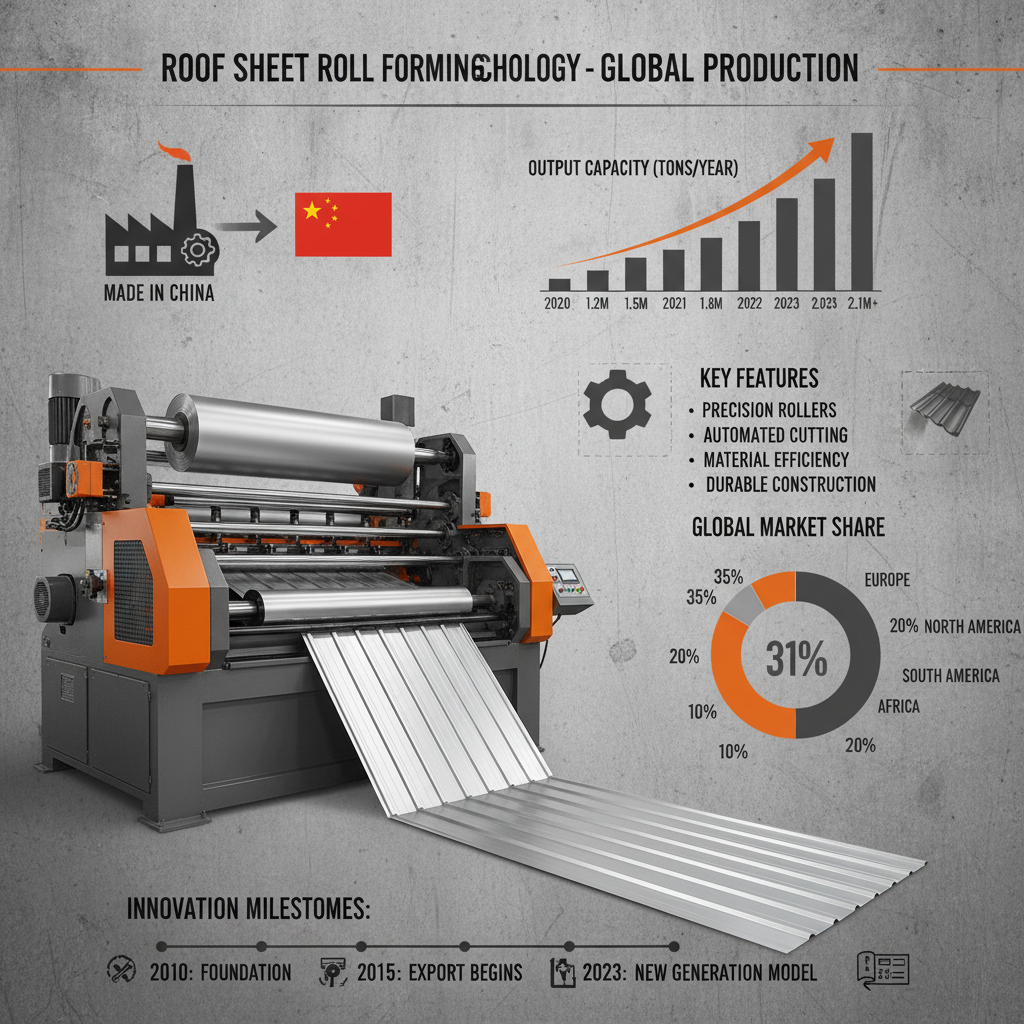
Conclusion: Investing in a Reliable Roll Forming Solution
Investing in a roof sheet roll forming machine from China can be a strategic move for businesses looking to enhance their production capabilities and reduce costs. By carefully considering your needs and partnering with a reputable supplier like Yowin Machine, you can ensure a smooth and successful implementation.
Choosing the right machine will enable you to efficiently produce high-quality roofing sheets, meeting the demands of a growing market.
Frequently Asked Questions (FAQs)
What is the typical lead time for a roof sheet roll forming machine from China?
The lead time can vary depending on the complexity of the machine and the manufacturer's current workload. Generally, it takes between 30 to 60 days for a standard machine to be manufactured and delivered. Customized machines may require longer lead times. It's essential to discuss the delivery schedule with the supplier upfront and factor it into your production planning. Factors like shipping distance and customs clearance can also impact the overall delivery time.
What kind of after-sales support is typically offered?
Reputable manufacturers offer a range of after-sales support services, including machine installation, operator training, technical assistance, and spare parts supply. Some suppliers also provide on-site maintenance services or remote troubleshooting assistance. It's crucial to confirm the details of the after-sales support package before making a purchase. A reliable supplier will be responsive to your queries and provide prompt assistance when needed.
What materials can these machines process?
These machines are primarily designed to process galvanized steel, galvalume steel, and pre-painted steel coils. However, some machines can also handle aluminum and other metal materials, depending on the specifications. It's crucial to specify the material you intend to use when ordering the machine to ensure compatibility and optimal performance. The thickness of the metal coil is also a critical factor to consider.
What is the power requirement for these machines?
The power requirement varies depending on the size and capacity of the machine. Generally, these machines require a three-phase electrical supply. The specific voltage and amperage will be specified by the manufacturer. It’s essential to ensure your facility has the necessary electrical infrastructure to support the machine's power needs. Consulting with an electrician is recommended to ensure safe and proper installation.